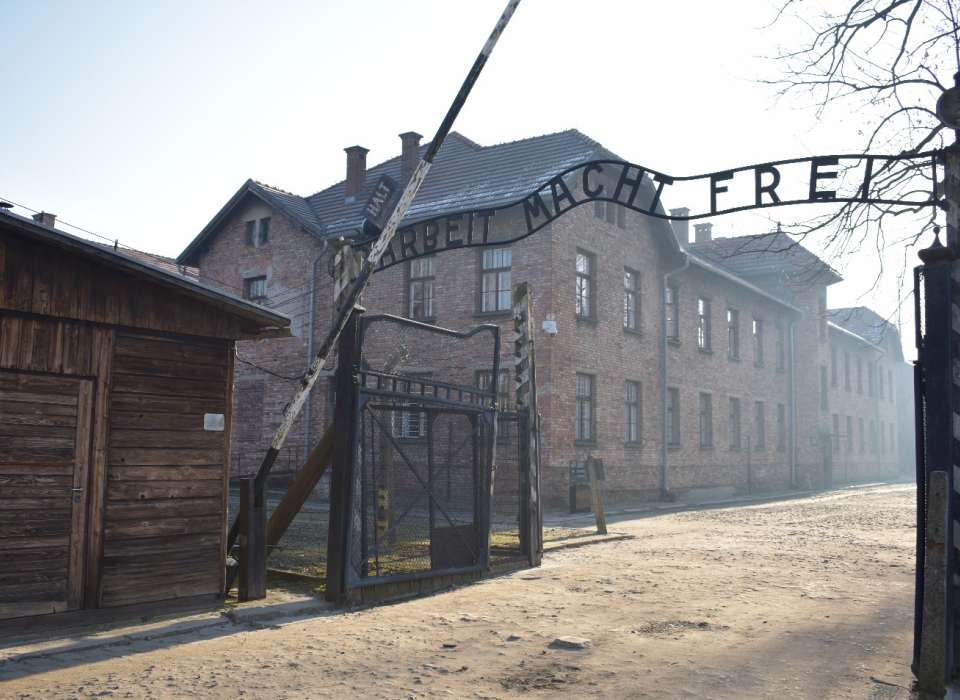


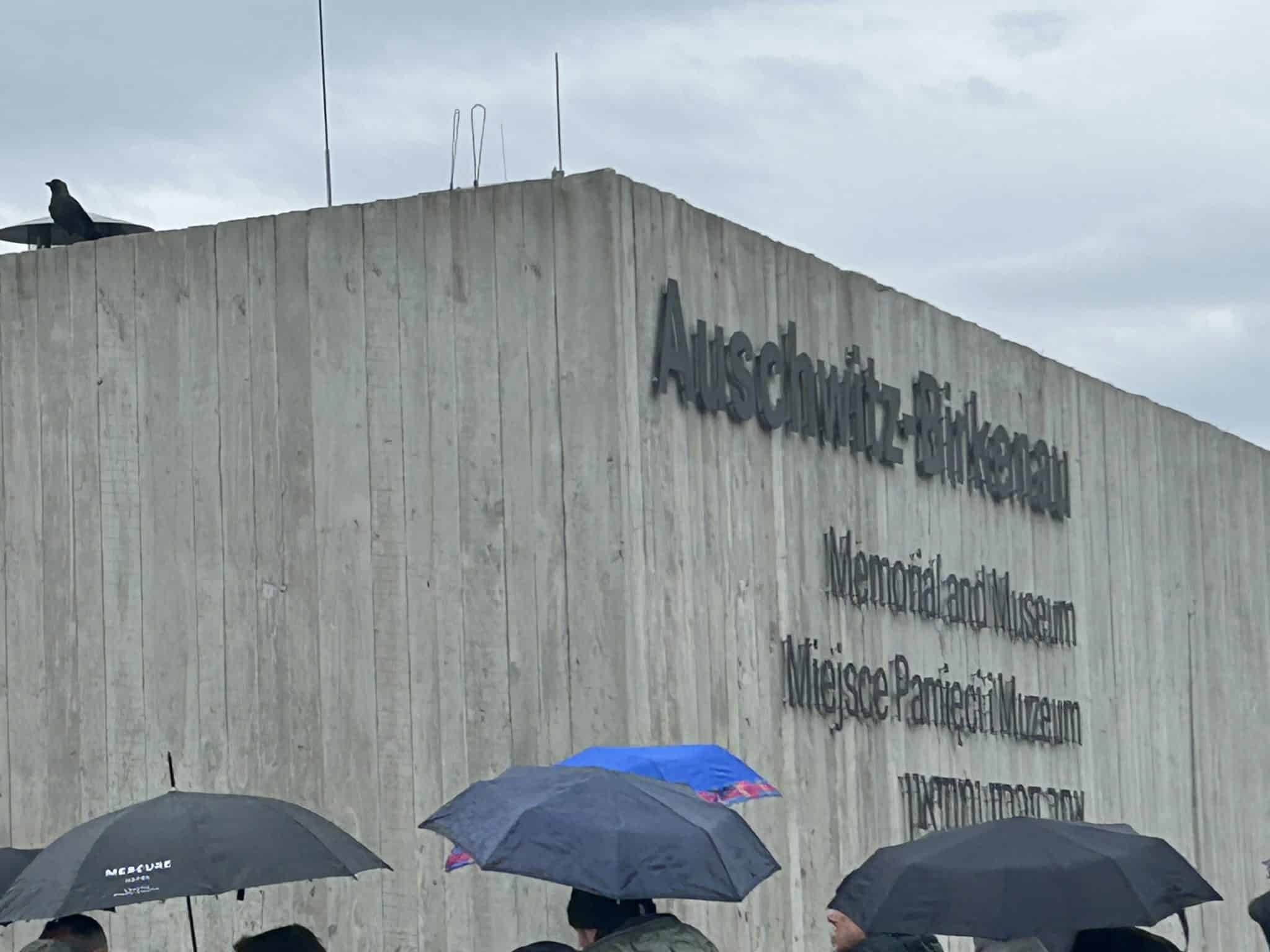
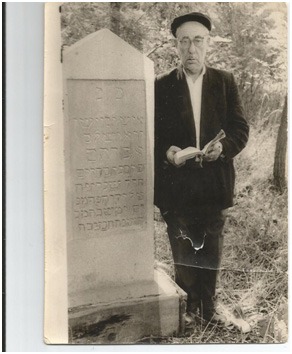
I want to tell you about four people. Two from my side and two from Mommy’s. Three of them we know were murdered. One of them was not brought here — and I want to start with him, because knowing where he is not tells you something about where the others are.
Avrohom Adler was born on the nineteenth of September, 1861, in a village called Or-Ladány in Szabolcs county. He married Pessa Weisz and they lived in Csonkapapi, in Bereg county — house number 112. He was a farmer on his own land. They had six children.
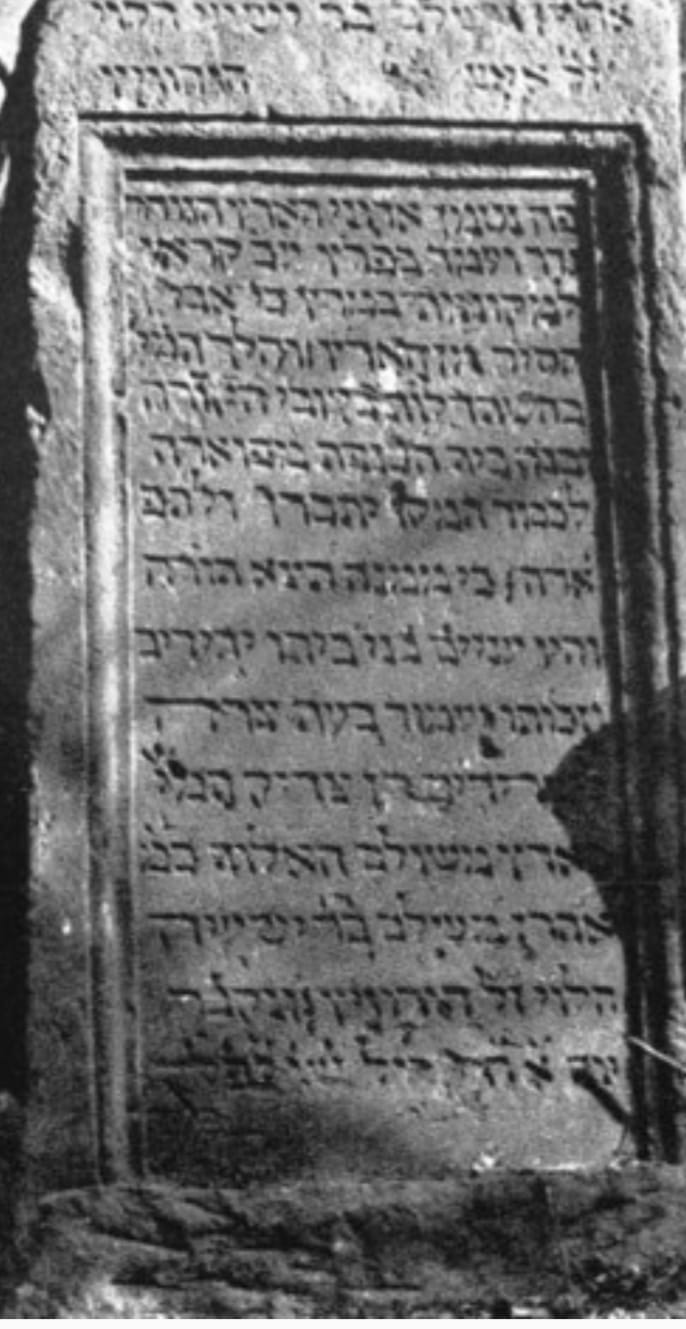
He was killed in 1944, in his own village, and this is the part I want you to hold on to: he has a grave. There is a matzeivah, and I have a photograph of it. It opens אברהם בן מנחם חיים — and it carries the word שנרצח, who was murdered.
You do not get a grave and a carved stone unless there are still Jews in the town to bury you, and a chevra kadisha still functioning, and a stonecutter. Which means he was killed at home, before the deportations — not sent anywhere. He is one of the ones who never got on a train.
In those days a Jew in that part of Hungary was expected to step off the sidewalk when a German came down the street. Off the pavement, into the road, into the mud. He had new boots on and he did not want to ruin them. So he stayed where he was.
And they killed him for it.
Zaidy Adler was already in New York — he had gone before the war, and that is the only reason any of us are standing here. My cousin Avi Kolan, Tanta Zelda’s son told me the following: When I was a very young child, my mother, z"l, told me the story of some people knocking on Bobby and Zaidy's door one day, and before
they said anything, Bobby gave a few coins to my mother and told her to take her brother Shmuel (my father) to the movies for an hour or so. When they returned home, Zaidy was sitting Shiva. I don't remember my mother specifically saying that the Shiva was for her grandfather, but the timeline of the stories do align. We do not know who that man was. Nobody ever wrote it down. Somebody carried that news across an ocean, found our grandfather, told him, and then walked out of the story and we lost him.
That is most of what happened in those years. The news arrived. The person who carried it is gone.
Several days ago, I filed a Page of Testimony for him at Yad Vashem. Eighty years, and nobody had ever done it. He is number 118605.
Her name was Pessa; my sister Bluma Pessa is named for her. On every document in Hungary she is Pepi Veisz, because that is the name the registrar wrote down. Born 1867, in Csonkapapi. Her father was David Veisz and her mother was Regi Farkas.
Now, how do we know she was here? Nobody handed us a piece of paper with her name and this place on it. Let me tell you what we do have, because it is more than it sounds.
There is a file in the United States Holocaust Memorial Museum archives, RG-39.039M, file Kh-3215. It records that the family’s land at Csonkapapi was confiscated under Hungary’s anti-Jewish law of 1939.
Understand what that means, because it is not a technicality. In 1939 the Hungarian government passed a law taking Jewish land, and somebody sat in an office and wrote down this family’s name and this family’s fields. Five years before anybody was put on a train, the state had already recorded who they were and taken what they had. That paper is the beginning of the road that ends here.
It also tells us they were still there. Not emigrated, not hidden, not moved on. Still on the land, right up until the land was no longer theirs.
The Germans occupied Hungary on the nineteenth of March, 1944. In April, the Jews of Bereg county were concentrated in the ghetto at Beregszász. In the second half of May they were put on transports to this place. Not some of them. The community.
Pessa was seventy-seven years old. Her husband had already been killed. She was living openly in a village where everyone knew exactly who she was. She was not in hiding and she was not passing as somebody else. There was no other road out of that ghetto.
So when I tell you she was here, I am not reading it off a list. I am telling you that we know what happened to every Jew in her county, and she was one of them. That is how most of the six million are known — not by name on a paper, but by belonging to a community whose fate is documented. It is why this place matters. The record here is the community.
Her Page of Testimony is number 118606. Filed the same hour as her husband’s.
Now the other side. And this one we know, because it is written down three separate times.
Akiva Ehrenfeld was born in 1886 in a town called Nagymarton. You would know it better by its German name — Mattersdorf.
Mattersdorf was one of the Sheva Kehillos, the Seven Communities of Burgenland, under the protection of the Esterházy princes since the sixteen hundreds. Seven towns famous across Europe for their yeshivos and their rabbonim. There had been a shul in Mattersdorf since 1354. Four hundred years of continuous Jewish life in one town.
And in 1798 the rav of Mattersdorf became the CHASAM SOFER. His descendants held that rabbanus for the next hundred and forty years. Akiva’s own father was Rav Simcha Bunim Ehrenfeld, av beis din of Mattersdorf, the baal Maaneh Simcha. The family carries the Chasam Sofer, the Chasan Sofer, and Rabbi Akiva Eiger — which is why Akiva was called Akiva.
On the twelfth of March, 1938, Austria was annexed to Germany. The local Nazis went into the Jewish quarter of Mattersburg that same week and started breaking the windows of Jewish houses. The bank accounts were seized. The shops and the homes were looted.
They got the sifrei Torah out of the shul and sent them to Vienna, to the Schiff Shul, to keep them safe. On Kristallnacht the Schiff Shul was burned down, and the sifrei Torah of Mattersdorf burned with it.
The Jews were driven out. And in September 1938 the mayor of Mattersburg declared the town Judenfrei and ran a white flag up over the synagogue.
That is how a four-hundred-year-old kehillah ended. Not here — six years before this place. A white flag over a shul.
Akiva was not there for any of it. Years before, he had married a girl from Nagyvárad — Grosswardein — three hundred kilometres east, in northern Transylvania, and he had gone to live in her town. Bubby Gittel was born there around 1916.
His wife was Yittel bas Asher Anshel Schwartz, born in Nagyvárad in 1887, and on her papers she is Jolán — the same way Pessa is Pepi. Her father and mother were there. Her sister was there. It was home.
Northern Transylvania was under Hungarian rule. In May and June of 1944, the ghetto of Nagyvárad — around thirty-five thousand Jews — was deported here.
Yittel’s own sister survived and filed a Page of Testimony for her. It says it plainly: born 1887 in Nagyvárad, daughter of Asher Anshel and Miriam Rochel, wife of Akiva, housewife. Murdered at Auschwitz, 1944.
And their two sons went with them. Shmuel Mordechai and Menachem Shlomo, both of them bachurim, both unmarried. Uncle Shloimy told me that one of them was murdered and one of them died in Yeshiva.
Of that household — a father, a mother, two sons and a daughter — one person came out. Bubby Gittel. She was about twenty-eight. Every one of us is here because she survived and they did not.
Akiva had a brother. Rav Shmuel Ehrenfeld, the Mattersdorfer Rav. He got out. He went to New York and rebuilt the yeshiva there – Chasan Sofer, one which Zaidy a”h attended, and then in 1958 he went to Yerushalayim and bought land and built a whole neighborhood, and he named it Kiryat Mattersdorf — also called Kiryat Sheva Kehillos, for the seven communities that were destroyed. It is standing today. Many of our cousins from Bubby Adler’s side live there. Zaidy a”h was offered an apartment there for $5,000, but in the 60’s, who had that type of money?
Two brothers out of one house in Mattersdorf. One of them rebuilt the town in Yerushalayim. The other one is here.
That is what I wanted to say. Avrohom, who has a grave. Pepi, Akiva and Yittel, who have this.
And us, standing here, saying their names out loud on this ground. Which until about a week ago nobody had ever written down anywhere.
He was not deported. The family story is that he was killed for not stepping off the pavement, and his matzevah — which opens אברהם בן מנחם חיים — carries the word שנרצח, “who was murdered.” Because he was killed at home while the community was still standing, he was buried and has a stone. Pessa was deported some months later and has no grave. So the two are spoken of together here: she died in this place, and he is remembered in it.
Neither Avrohom nor Pessa had a Page of Testimony at Yad Vashem. Their son Yehudah Yosef was safe in New York, knew what had happened, sat shiva, and lived until 1976 — and no page was ever filed. Both were submitted in July 2026, eighty years late.
- Avrohom Adler — Page of Testimony 118605
- Pessa (Weisz) Adler — Page of Testimony 118606
About 1 hr 15 from Kraków. Book ahead; you cannot simply arrive.
auschwitz.org


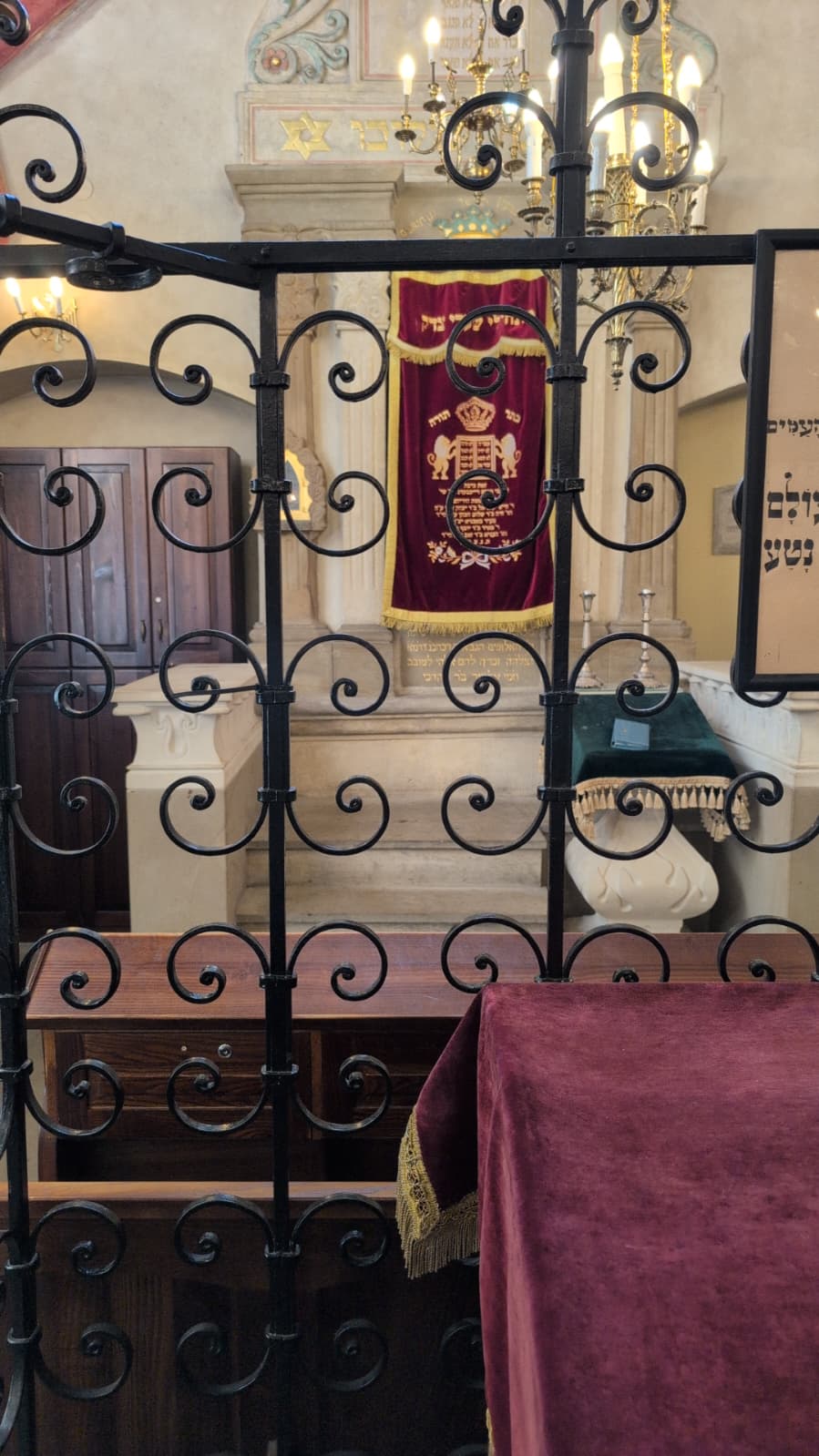
Monday evening · Kazimierz, Stradom, Wawel
These aren’t just pretty old streets. For four hundred years this was one of the beating hearts of the Jewish people — Kraków, that our seforim call Ir va’Em b’Yisrael.
And the remarkable thing about this one square mile is that it held two kinds of Jewish greatness at the same time: the giants of Torah, and the Jews who sat with kings. Our own family runs through both. And I mean that literally. Let me show you.
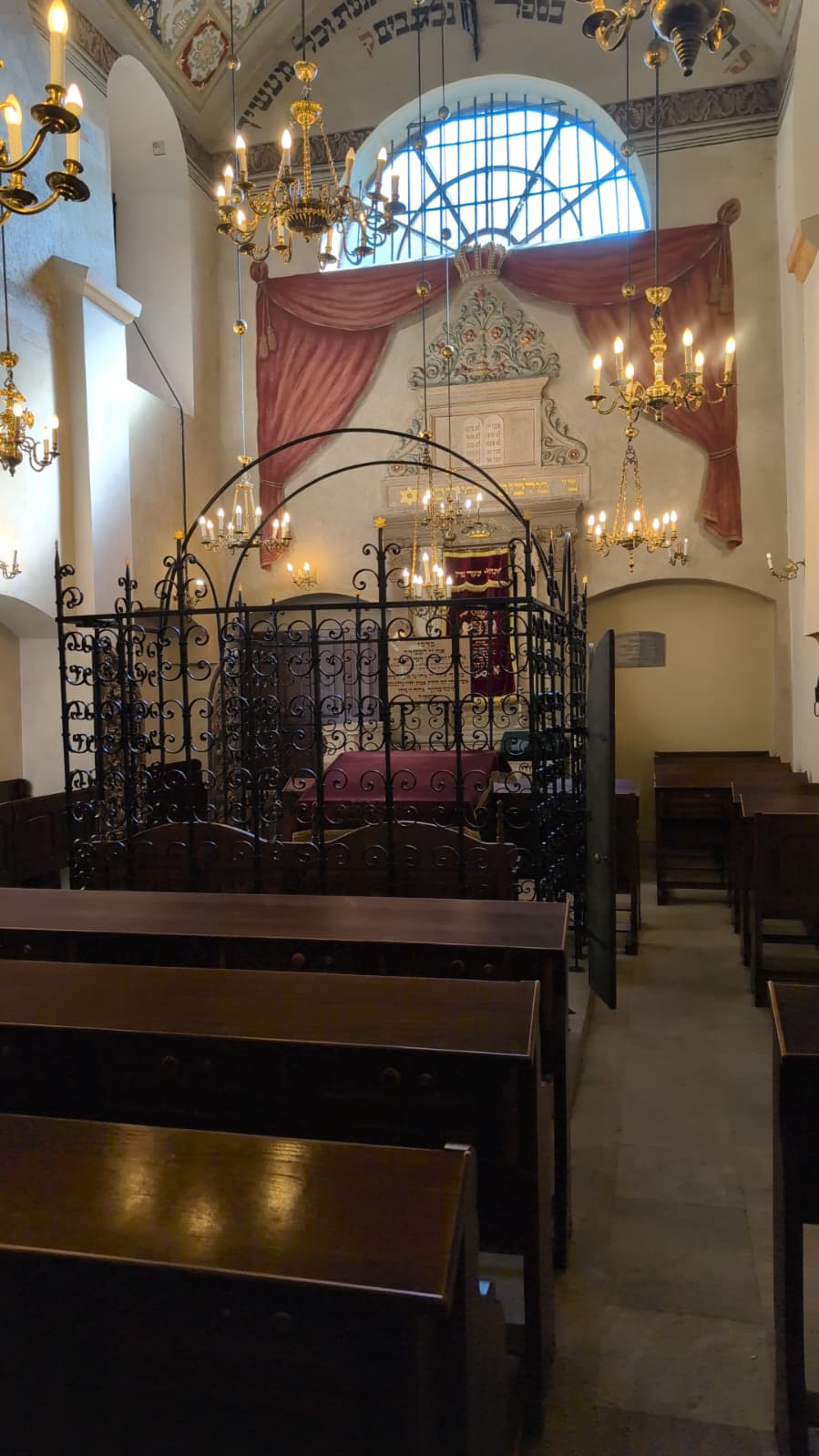
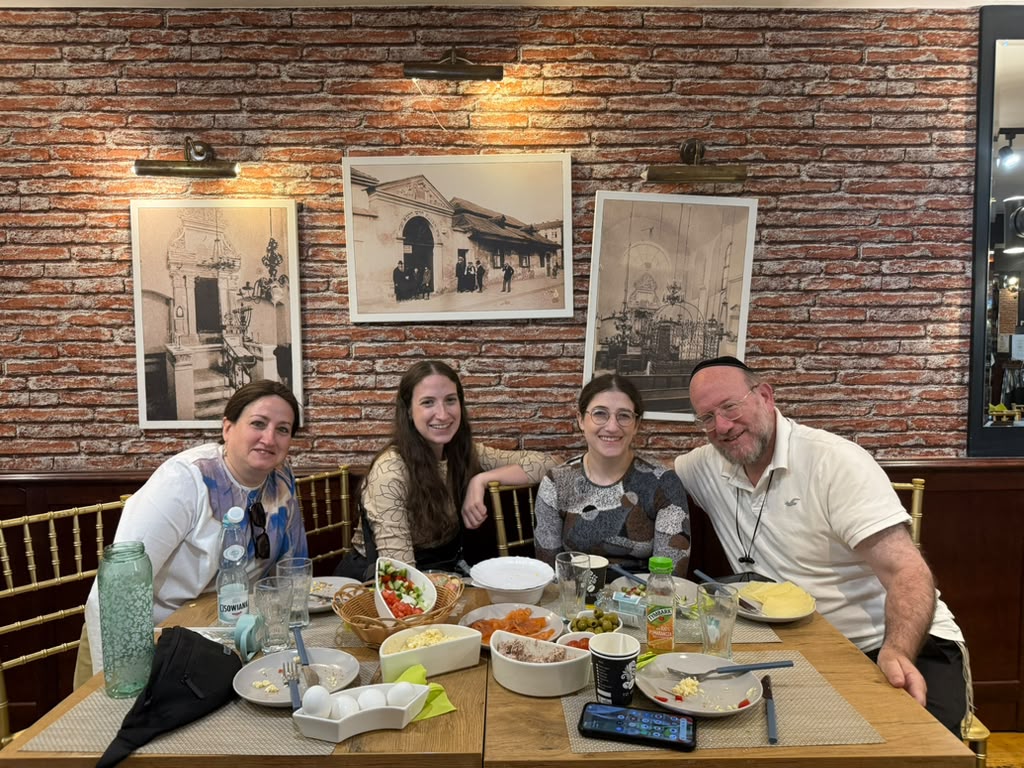
Tomorrow morning we’ll daven in the little Rema shul and stand at the graves just behind it. It will be one minute from where we will be eating shortly — same street, a few doors up.
Tonight I only want you to know whose city you’re walking in.
The Rema — Rav Moshe Isserles — lived right here and was niftar here in 1572. Understand what he did. Rav Yosef Karo wrote the Shulchan Aruch, and he wrote it as a Sefardi — poskening off the Rif, the Rambam and the Rosh, by his own klalim. It was a magnificent sefer and it was not our sefer. Minhag Ashkenaz, the pesakim of the Baalei HaTosfos, everything our zeides had been noheg for four hundred years — none of it was in there.
So the Rema sat down and wrote the Mapah, the tablecloth over the set table, and in doing it he did not merely add Ashkenazi minhagim as a footnote. He established that minhag Ashkenaz is halacha, and he bound the two worlds into one sefer that both of them could learn from. That is why, ad hayom hazeh, when a Yid in Cleveland asks his rov a shaila, the answer runs through this man.
The poskim who came after him said it with a pun on a passuk. The Torah says of yetzias Mitzrayim, u’vnei Yisrael yotzim b’yad ramah — the children of Israel went out with a high hand. The acharonim turned it: v’haAshkenazim yotzim b’yad Rema. The Ashkenazim go out — b’yad Rema. We walk out into the world holding his hand. That is not a compliment. That is a description of who paskens for us.
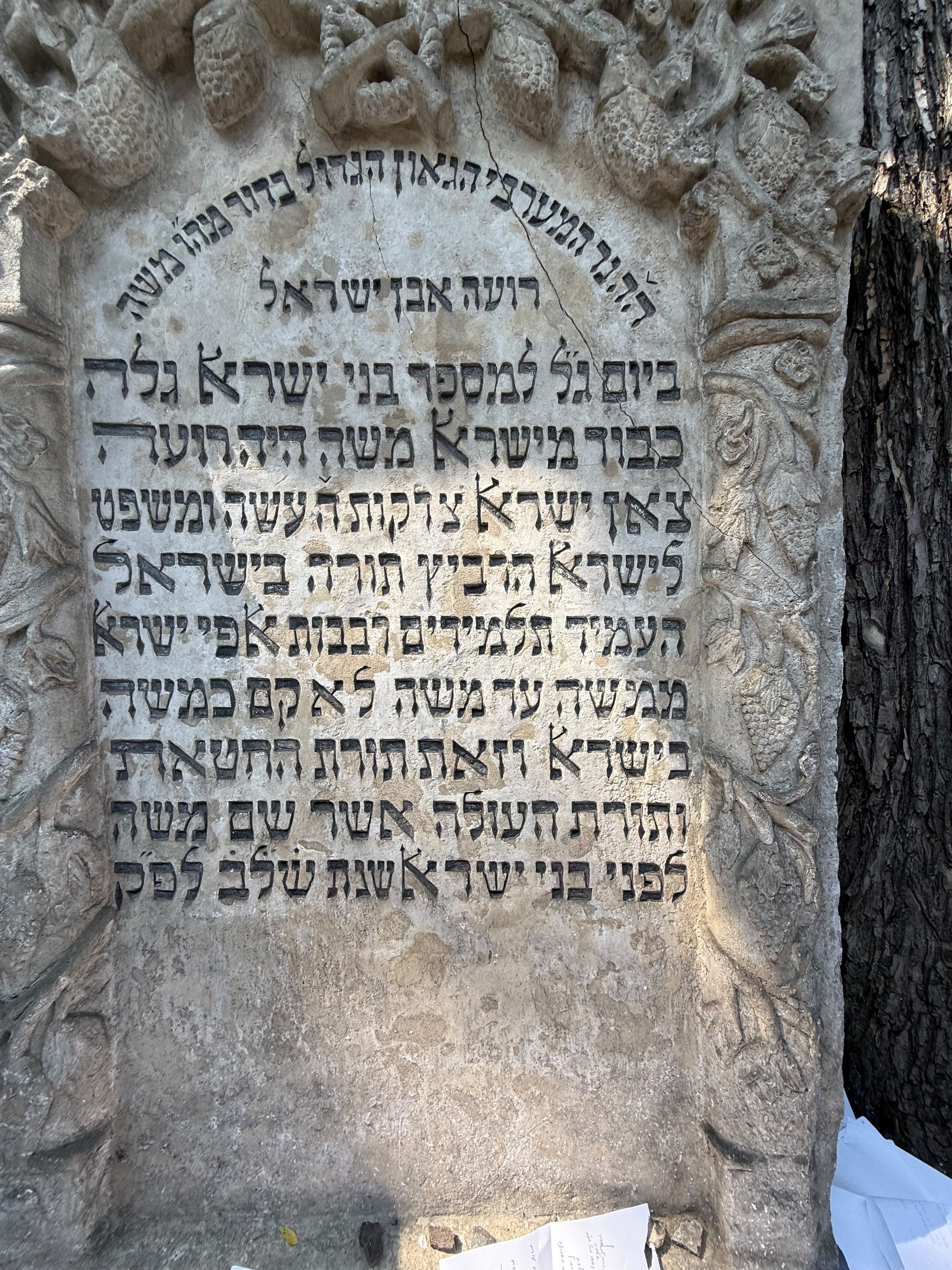
On his stone it says: MiMoshe ad Moshe lo kam k’Moshe — from Moshe to Moshe, there was none like Moshe.
The Zaida also wrote a sefer called MiMoshe ad Moshe. $100 to whoever tells me who the first Moshe is. And 100 Zloty’s for the second.
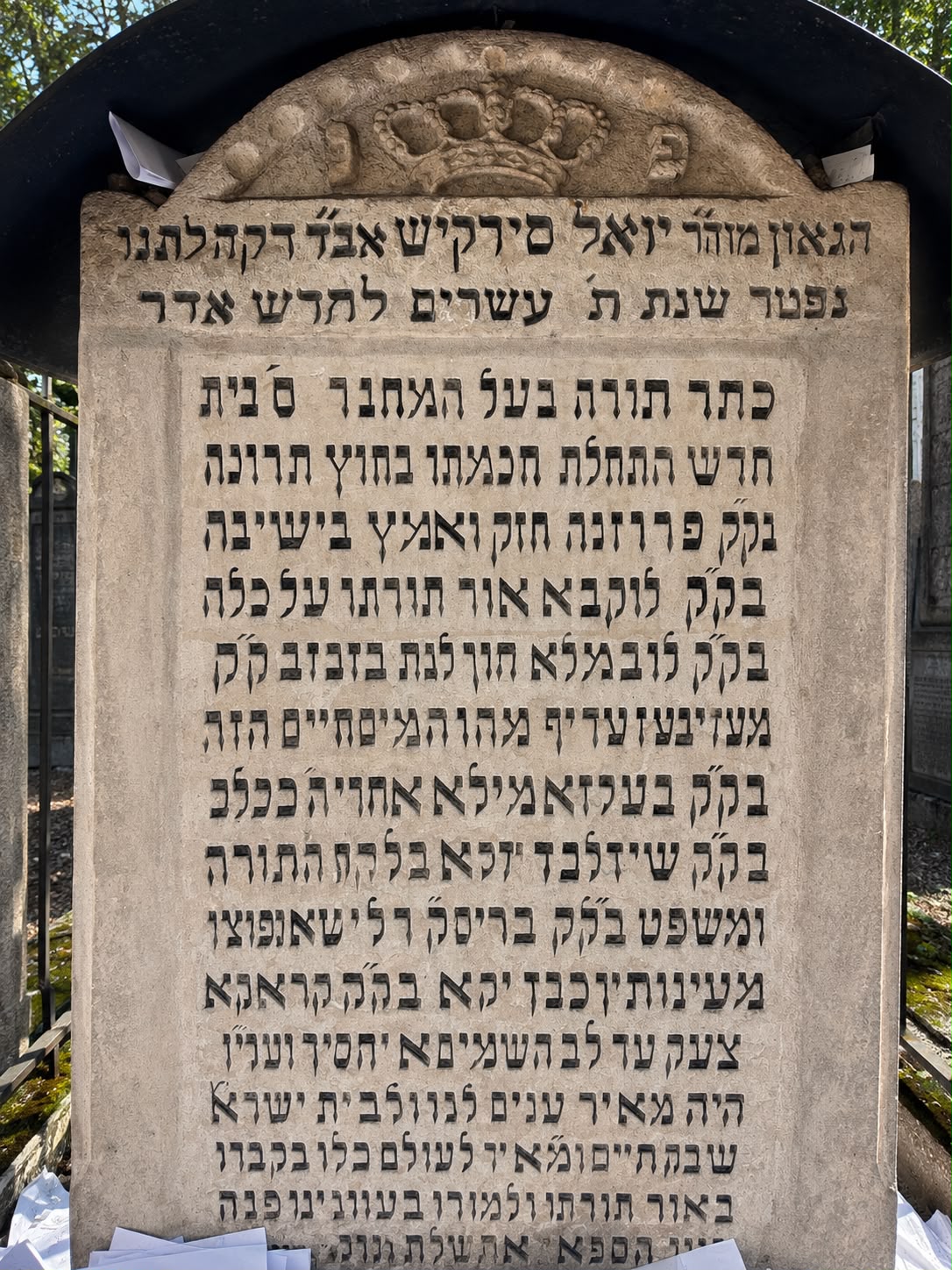
In that same old cemetery lie three more crowns of Torah. The Bach — Rav Yoel Sirkis, who wrote the Bayis Chadash — was the rov of this city; his son-in-law was the Taz. Hold that name. I’m going to come back to him at the end of the night, and not as a stranger.
The Megaleh Amukos — Rav Nosson Nota Shapira — was Kraków’s great mekubal, who found two hundred and fifty-two ways to read a single tefillah of Moshe Rabbeinu, and who refused to take a salary as chief rabbi. They say Eliyahu HaNavi used to come to his house — a house that still stands somewhere near where we are now.
And the fourth: the Tosfos Yom Tov, Rav Yom Tov Lipmann Heller. This one is not a stranger either. He is our elter zaida, from the Zaida’s side.
He was born in Bavaria in 1578 and orphaned young, raised by his grandfather. He was such an iluy that Prague made him a dayan at eighteen years old and he eventually became chief rabbi of Prague, one of the greatest kehillos in Europe.
Then the trouble. The emperor was fighting a war and he loaded crushing taxes onto the Jews. Somebody had to decide how the community would carry it, and the Tosfos Yom Tov ruled that the rich must carry more than the poor — that a man’s share is measured by what he has, not by his seat at the eastern wall. The wealthy men of Prague never forgave him for it.
A man named Raphael went to the government. They denounced him to Emperor Ferdinand II — claimed he had insulted the state, claimed he had insulted Christianity, and pulled lines out of his own seforim to prove it. In 1629 he was arrested and hauled to Vienna, locked in a cell alongside men who were waiting to be executed, and sentenced to death.
Through a miraculous story, his sentence was commuted to a crushing fine, and a court Jew put up a fortune in ducats to buy his life back. Tosfos Yom Tov needed to borrow a huge sum of money. He walked out a ruined man — barred from the Prague rabbinate, wandering for years, taking small towns that were beneath him.
And here is what he did with it. He sat down and wrote the whole ordeal into a little megillah, and he called it Megillas Eivah — the Scroll of Enmity. Then he took the day of his arrest and made it a fast day for his family and his descendants forever, and the day of his deliverance a yom tov. He legislated his own worst day into the family calendar so that we would not be allowed to forget it.
That is our elter zaida. And where did this broken, vindicated man spend his last years as rov? Here. In Kraków. He came in 1643 and he died here, and he is buried a few minutes from where we are standing, with the others.
Let’s shift from the beis medrash to the salt. Look where this street runs. For centuries a great royal bridge crossed the river right about at the end of Stradom — our street — and that bridge carried the road to Wieliczka, the king’s salt mine.
Now, why do I keep saying salt like it means something? Because before there was refrigeration, salt was the only way on earth to keep meat and fish from rotting. No salt, no food through the winter. Which means salt was not a seasoning, it was survival, and a king who controlled the salt controlled whether his country ate. Wieliczka was one of the largest single sources of income the Polish crown had — at times something near a third of the royal treasury came out of that ground. The word salary comes from salt. When I say a Jew was handed that mine to run, I am telling you a Jew was handed the treasury.
Which brings me to a man I wanted to tell you about tonight.
Here is what the historians can document. In 1578 King Stefan Batory leased him the salt pans of Lithuania with the sole right to sell what they produced. In 1580 the same king handed him the Wieliczka salt mine — the mine at the end of this very road. He farmed the king’s taxes. And in 1589 King Zygmunt III made him servus regis, the king’s own servant, which meant that he and his entire household were lifted out of every ordinary court in Poland — no magistrate, no noble, nobody could try him. Only the king himself.
All of that is in the Encyclopaedia Judaica, and it goes back to a Russian historian named Bershadsky who dug the documents out and published them in 1889.
And then there is the story our family tells. When Batory died, the nobles gathered to elect a new king and could not agree, and Polish law would not let the throne sit empty even for a single night. So for one night — the eighteenth of August, 1587 — they crowned Shaul king of Poland. That is how he earned the name Wahl, the chosen. They say he spent his one night on the throne signing decree after decree to protect his fellow Jews, and in the morning he handed back the crown.
I want to be straight with you about that. The Polish records do not know about that night. No chronicle, no document. It comes down to us through his own descendants, and the historians call it folklore.
But look at what is not folklore. A Jew held the king’s salt. A Jew farmed the king’s taxes. A Jew was placed so high that the law of Poland said no man but the king could judge him. The documented Shaul Wahl is almost as astonishing as the legendary one — and the documented one is ours.
And here is what a gadol said about him. Shlomo Tzvi brings it down in his sefer, from the Gaon Rav Efraim Zalman Margolios of Brody:
מי שלא ראה ר' שאול וואהל ובניו לא ראה תורה וגדולה במקום אחד
Whoever did not see Reb Shaul Wahl and his sons — never saw Torah and gedulah in one place.
Now hear what he is doing with those words. The Gemara says that from the days of Moshe Rabbeinu until Rebbi, we do not find Torah u’gedulah b’makom echad — Torah and worldly greatness in the same man. That is the highest thing the Gemara says about Rebbi. And Rav Efraim Zalman takes that line and hands it to Shaul Wahl and his sons.
For תורה and גדולה.
The blood comes down into the line that becomes the Schück family, and it comes down two separate ways. Both of them start with the same man, Shaul’s son Meir, the Maharash. One runs through Meir’s daughter Telza. The other runs through Meir’s son, Moshe Katzenellenbogen of Chelm.
Those two lines then run apart for a hundred and fifty years — different countries, different families, neither one knowing the other exists.
And then they come back. Telza’s line comes down to a woman named Mindel. Moshe of Chelm’s line comes down to a man named Chanoch Schick. And Chanoch married Mindel. Their son, Rav Yitzchak Eizek Schick, is carrying both streams of Shaul Wahl’s blood in one body — and he is a straight-line grandfather of your mother.
So it isn’t that we descend from him twice by coincidence. Two rivers left the same mountain, ran apart for six generations, and married each other back together. The full lines are written out at the back of this, if anyone wants to see them.
And it wasn’t only the men. A century before Shaul Wahl there was Rachel Fiszel — Raśka — and she is the reason this community was what it was.
Her husband was Moshe Fiszel, and he was no small man himself: he leased the royal customs of Great Poland and Mazovia, and the crown’s price was two and a half thousand Hungarian florins a year, plus twenty-four kilos of saffron and a hundred and twenty kilos of black pepper. That is what a customs lease cost in the fifteenth century.
But listen to this. Rachel was in business on her own account from 1483 — six years before her husband died. She was not a widow who inherited a bank. She was already lending money in her own name while he was alive.
In 1483 she bought a tenement house on Szpiglarska Street. The city ruled the sale illegal and took it away from her. So she went in and wrecked the building, and they took her to court for it. I am not telling you that to hold it up as a middah. I am telling you so you understand what kind of woman we are descended from.
When Moshe died she took the bank and she lent to one Polish king after another — Kazimierz Jagiellończyk, Jan Olbracht, Aleksander, Zygmunt Stary. Four kings. And one of them trusted her so completely that in 1504 he wiped out what the crown owed her and instead ordered the royal mint to strike coins out of her own silver bars. A Jewish widow’s silver, coming out of the king’s mint as the king’s money.
And she did not only lend to kings. In 1495, when thirty Jews of Kraków were arrested — among them her own son-in-law — it was Rachel’s name on the list of those who stood surety for them, guaranteeing they would not leave the city. That is what she was to this kehillah. When the community needed money, she was the bank. When the community needed somebody the government would actually listen to, she was that too. And when the Jews were driven out of Kraków proper in 1495, she was the one Jew permitted to keep her house inside the city.
Now here is the part I only learned this week.
That son-in-law who was arrested was Rabbi Yaakov Pollak — the man who founded the great yeshiva of Kraków and lit the fire of learning that the Rema and all the rest would carry. He married Rachel’s daughter Esther.
And Esther and Yaakov Pollak are not somebody else’s grandparents. They are ours. Their daughter married Rav Shalom Shachna of Lublin. Their grandson was Rav Yisroel Shachna. And that line comes down — by two separate roads, which is a story for another night — to your mother.
So when I said the banker and the rosh yeshiva were money and Torah under one roof — I was underselling it. It wasn’t a roof. It was a family. It was our family.
And one more thing: Rav Shalom Shachna had a daughter, and she married a young talmid of his named Moshe Isserles. She died at twenty years old, and her husband and his father built a shul in Kraków in her memory. That is the Rema shul. That is the little building we are davening in tomorrow morning.
Up there is Wawel, the royal castle, where the kings of Poland actually sat.
The kings on that hill borrowed their money from a Jewish woman down here in these streets — and she was our grandmother. The salt that paid for their crown was run by a Jew who wore that crown himself for one night — and he was our grandfather. And a short walk from where we stand, four of the greatest chachomim in our history taught, stood up to emperors, and were laid to rest side by side.
And I told you I’d come back to the Bach. He is not the fourth stranger in that cemetery. Rav Yoel Sirkis is our grandfather too.
Tomorrow morning we are not going to visit four great men. We are going to visit our family.
That is the city our family comes from. Tomorrow we’ll go stand at their graves. תורה וגדולה במקום אחד
Shaul Wahl
Meir Wahl-Katzenellenbogen, the Maharash
Telza
Moshe Rivkes, the Be’er HaGolah
Petachiah Rivkas
Rachel Rivkash
Zvi Hirsch of Vilna
Shlomo Zalman Rivlin
Mindel
Rav Yitzchak Eizek Schick, b. 1730One rung here is reconstructed rather than recorded: that Telza was Meir’s daughter rests on Eizenstadt and on Chaim Freedman’s chronological argument.
Shaul Wahl
Meir Wahl-Katzenellenbogen, the Maharash
Moshe Katzenellenbogen of Chelm
Henli Flekeles Horowitz
Rav Moshe HaLevi Horowitz
Nissel
Chanoch Henich Schick
Rav Yitzchak Eizek Schick, b. 1730The two ways meet in the marriage of Chanoch Schick and Mindel. From their son the line runs down the Schick and Schück tail to Rav Alexander Meir Schuck, to Simcha Schuck, to Tziporah.
Rabbi Fischel Fiszel
Rachel Fiszel
Esther Fiszel, b. 1470
Chanah Yonah Pollack
Chief Rabbi Yisroel Shachna, 1525–1598
Esther married Rabbi Yaakov Pollak, 1460–1541. Their daughter Chanah Yonah married Rav Shalom Shachna of Lublin, 1490–1558. From Yisroel Shachna the descent runs down to Tziporah by two separate routes — one through the Sirkes and Shor families, one through the Horowitz and Nicolauer families — which meet again at Chayah Feigeleh Singer.
Three things in this speech are still being checked, and are written above with that in mind: that the Bach is a direct ancestor; that the Rema’s first wife was Rav Shalom Shachna’s daughter by Chanah Yonah; and the exact full name of Rachel on the family chart.
media/krakow-walk-1.mp3media/krakow-walk-2.mp3The cemetery was closed to burial in the early 1800s. By the war only a few dozen stones were still standing; the Germans used the ground as a landfill. In 1956 about seven hundred tombstones were recovered from under the soil, most of them broken — they were built into the mosaic wall you see along the boundary rather than returned to their plots. So this is a place where a few thousand people are buried and a few hundred stones survive. The Rema’s own tomb came through because it had never stopped being visited.
- Szeroka 40, Kazimierz. Cash only at the gate.
- The shul beside it is still in use. Weekday minyanim run there.
In 1556 the mageifah came to Kraków and the kehillah scattered. The Rema went out to a small town called Szydłów. Listen to how he describes it in his own words, in the hakdamah he wrote there:
I was among the exiles from our city because of the foul air, and we dwelt in a land that was not ours, in the city of Szydłów — a place with no fig and no vine and almost no water to drink. And we were not able to keep the days of Purim with mishteh v’simchah, to remove the sorrow and the mourning.
He had no seforim with him. He had nothing to send his father for mishloach manos. So he sat down in that town and wrote his father a sefer instead — Mechir Yayin, on Megillas Esther. He took the name from Yeshaya: come, buy wine without money and without price.
So we have a sefer from the Rema because of an epidemic. A man running from a mageifah, with no seforim and no money to send his father a Purim gift, wrote him a peirush and sent that.
The Rema did not only live through that mageifah. He paskened it. Open Yoreh Deah 116, se’if 5, and you will find his own words in the hagahah:
עוד כתבו שיש לברוח מן העיר כשדבר בעיר, ויש לצאת מן העיר בתחילת הדבר ולא בסופו
One should flee the city when there is a dever in the city — and one should leave at the START of the dever, not at its end. He brings it from a teshuvah of the Maharil. And he finishes the se’if: all of these things are because of sakanah, and shomer nafsho yirchak mehem — a person who guards his life keeps far away from them — and it is asur to rely on a nes.
So the Rema is the man who wrote, in the Shulchan Aruch, that you evacuate early and that you may not rely on a miracle. And then in 1556 he did exactly that.
In his Darchei Moshe he goes further, and it is remarkable how modern it sounds. The gemara says that when there is dever in the city a person should shut himself in his house. The Rema writes that fleeing is better — but if you are able to stay inside with nobody going in or out, then do that; and if you cannot, then flee.
That is isolation if isolation is real, and evacuation if it is not. Written in Kraków, four hundred and seventy years ago.
One more, from much later. The Kaf HaChaim asks why the Rema says leave at the beginning and not at the end, and answers: because by then no one will take you in. Even your friends and your relatives will keep their distance from you. And on the same se’if the Kaf HaChaim writes that in his day one no longer needs to take children out of the city for smallpox, because there is a refuah now — a vaccine — and there are specialists who give it.
He had already told the city he was resigning as rav. They begged him to say why and he would not tell them.
Then a din Torah came in front of him, and it was an unusual one, because each side was trying to give the money away rather than get it. A gvir had noticed a talmid chacham sitting on a street corner selling bagels his wife baked. It isn’t kavod for you, he said, and he offered him a weekly stipend so he could sit and learn instead. It went on a few weeks. Then the man was back on the corner. The gvir said a deal is a deal and took him to the rav.
The Megaleh Amukos asked the poor man why he did not want the money.
He said: when we were in the bagel business we were turning our eyes to Shamayim all day long. My wife davened that the bagels should come out beautiful so people would buy again. I davened out back that I should find dry wood for the oven, because dry wood bakes better. I sat on the corner and davened that people should stop and buy. Now that a stipend comes in every week, we daven less. We feel less of a need. We do not want to live a life detached from the Ribono shel Olam, so we went back to what we were doing.
The Megaleh Amukos was mechabed them for it. And then he changed his mind about leaving Kraków — he wanted to live among people like that.
So Kraków kept its chief rabbi because a poor man refused a pension.
The Bach was one of the leaders of the Vaad Arba Aratzos — the Council of the Four Lands. That body is about as close as our people came to having a parliament in galus. It met at the great fairs at Lublin and Jarosław, it was m’sakein takanos for hundreds of Polish kehillos, and it divided up among them the tax that all of Polish Jewry owed the crown. The Polish state recognised it and dealt with it as the Jews’ government.
His name shows up in the Council’s records again and again, and most often on one item in particular: the education tax. The money that paid for Torah to be taught across Poland.
So the same man whose Bayis Chadash sits on the page of every gemara was also the one deciding how Polish Jewry would fund its yeshivos and what each town would owe the king.
And about that sefer. He called it Bayis Chadash — a new house — and he said why: because he did not gather into his house the words of the scholars who came before him. He went back to the gemara and traced every halacha forward himself, dor after dor.
A posek who was also, l’maaseh, the finance minister and the education minister of Polish Jewry. The Council was finally shut down by the Polish Sejm in 1764, for failing to hand over the taxes it had collected.
The Taz, Rav Dovid HaLevi Segal, was the Bach’s son-in-law. Early on, when they were both still in small poor towns, the young Taz walked into the beis din in Mezhibuzh and asked to summon someone to a din Torah. Who? My shver.
His claim: before the chasunah my father-in-law was mechuyav to support me and to give me a fleishig supper every day, and he has not kept it.
The Bach answered that he could not understand the claim — his son-in-law has had a fleishig supper every single day since the wedding. And one of the dayanim said: R’ Dovid, I heard you last night in the klois telling your chavrusa that you were still fleishig from your father-in-law’s table. So what is the shayla?
The Taz said: he does not give me meat. He gives me liver. And liver is not meat.
The dayanim asked him to bring a proof. He brought one. Yalta said to Rav Nachman that everything the Torah forbade us, it permitted us something like it — it forbade blood and permitted liver, which is full of blood and tastes of blood. And Rashi there calls liver a piece of hardened blood. So liver, he argued, is blood, not meat.
The beis din paskened against him. Liver is meat, with all the dinim of meat, and if the rav promised meat then liver is yotzei.
On the way out the secretary of the beis din asked him what that was all about. And the Taz explained.
Of course I know liver is fleishig, he said, and I knew how the dayanim would pasken. But my shver is so poor that he cannot afford to give me meat every day the way he promised, so he settled on liver. And in Shamayim a tayna was being held against him for not keeping his word. Now there is a psak from a beis din here below that liver is meat — so he has not broken his promise, and the tayna up there cannot stand.
He took his own father-in-law to court, argued a case he knew he would lose, and lost it — in order to win an acquittal for him in a higher court.
And there is a postscript that is very much in the Bach’s character. He went back to his study, decided his son-in-law had raised a good shayla, and wrote a lengthy teshuvah on it: if a man is nodeir not to eat meat, may he eat liver? Years later he sent that teshuvah to the Taz as a matanah.
Prague, 1629. The Thirty Years’ War was going on and Emperor Ferdinand II needed money, so he loaded crushing taxes onto the Jews. Somebody had to decide how the kehillah would carry it.
The Tosfos Yom Tov paskened that the rich must carry more than the poor — that a man’s share is measured by what he has, not by where he sits in shul. The gvirim of Prague never forgave him for it.
So they went to the government. They were malshinim on him to the emperor — he insulted the state, he insulted their religion — and they pulled lines out of his own seforim to prove it. He was arrested, taken to Vienna, put in a cell alongside men who were waiting to be executed, and sentenced to death.
Think about that for a second. The rav of Prague, a man whose sefer sits on every shas in the world, in a Viennese prison listening to them take the man next door out to die.
The sentence was commuted to a crushing fine. A hoyf-yid put up a fortune to buy his life back. He walked out ruined and barred from the Prague rabbanus, and he wandered for years taking towns that were beneath him.
And then he wrote it down. He called it Megillas Eivah — the Scroll of Enmity — and he took the day of his arrest and made it a fast for his family and his descendants forever, and the day of his deliverance a yom tov.
A psak about who pays more tax put a man on death row in the middle of the Thirty Years’ War. And we know the whole story because he sat down and wrote his own megillah about it.
Four men, four stones, 1572 to 1654. A mageifah, a bagel-seller, a parliament, a din Torah over liver, and an emperor’s war — and in every one of them the Torah is not sitting off to one side of the history. It is inside it.
Entry fee at the gate, cash only. Closed Shabbos and yom tov.
The people to ask about minyan times, and about whether a particular grave is marked. They will answer in seconds what an hour of walking will not.
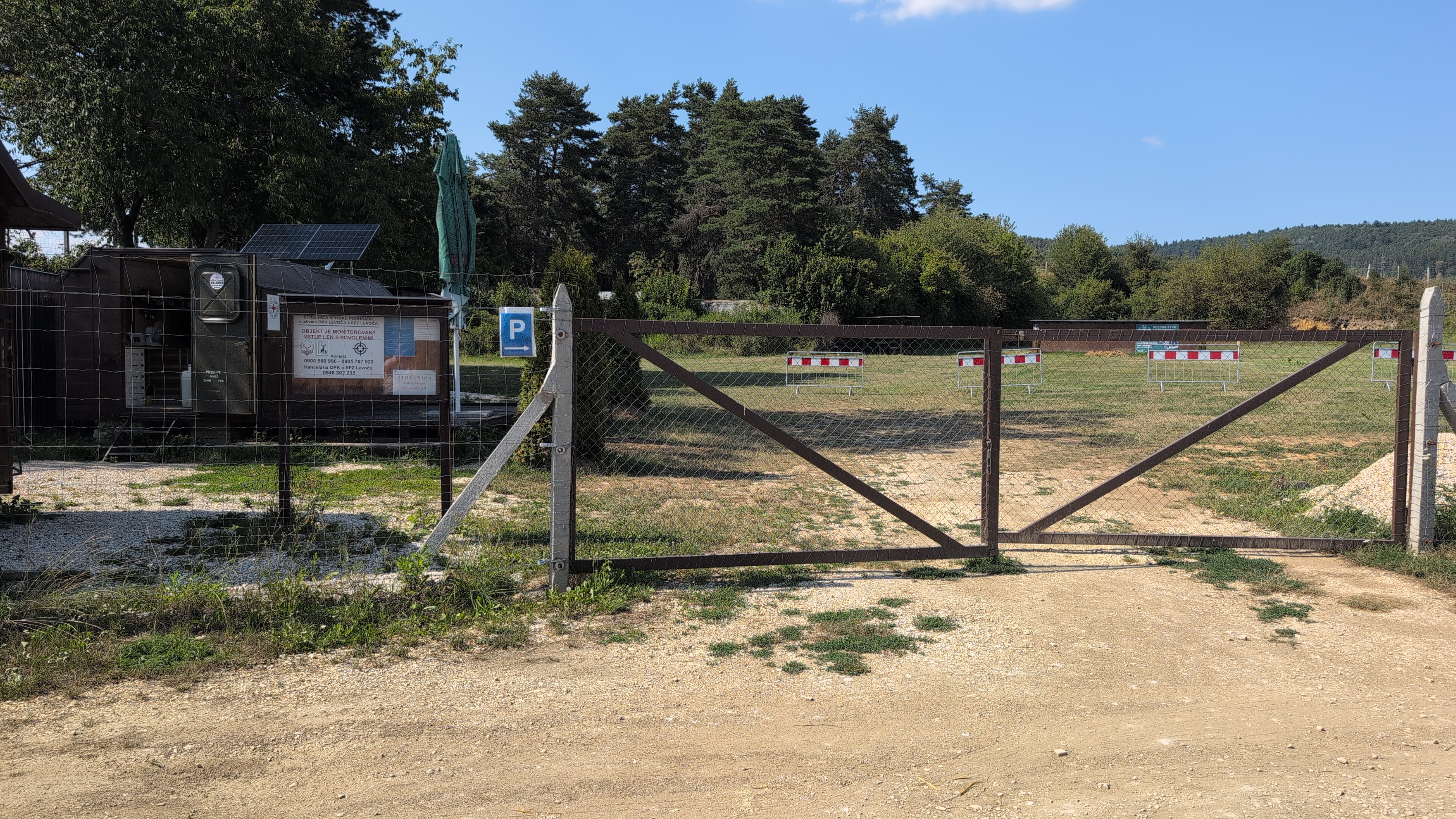
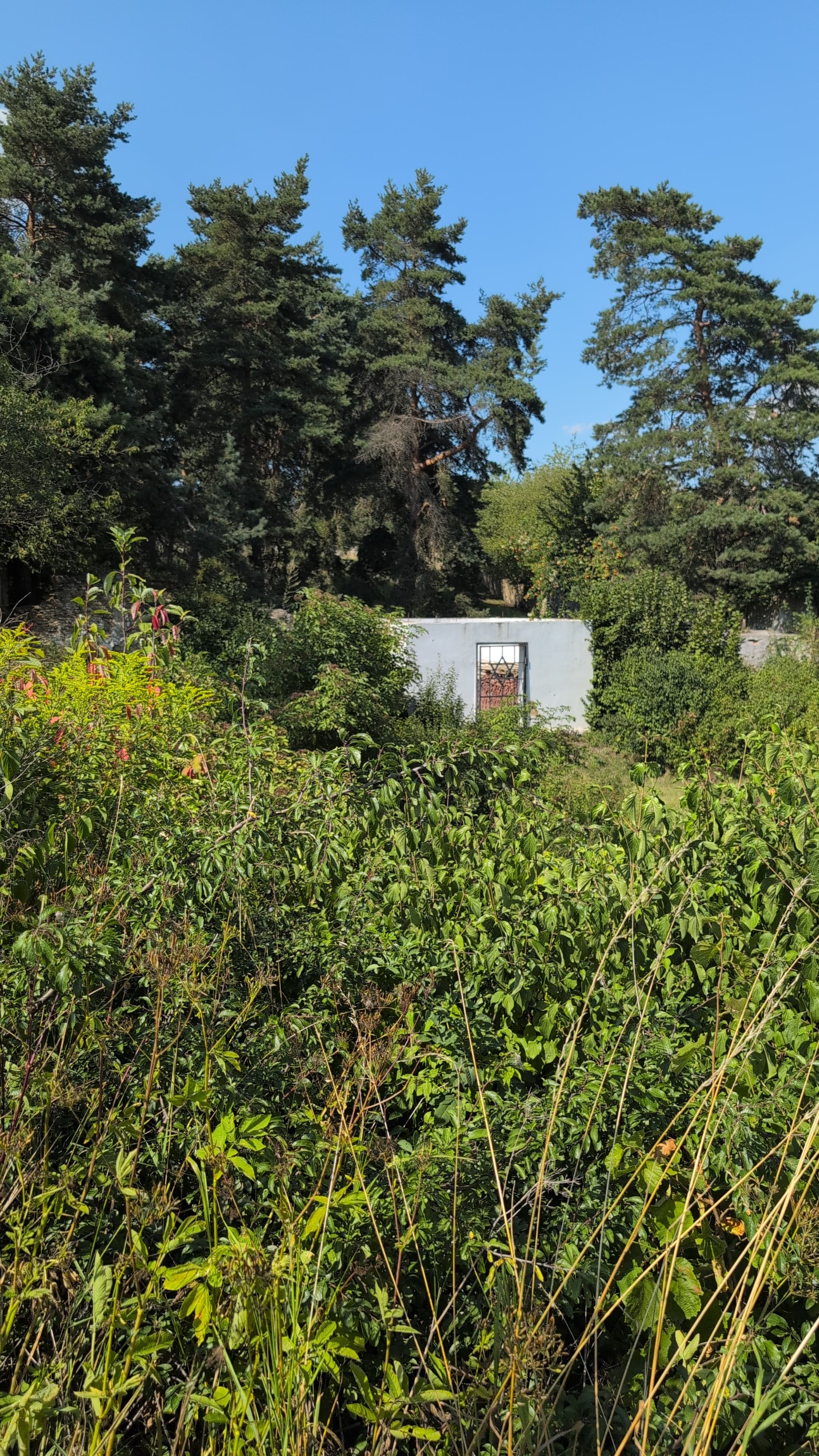
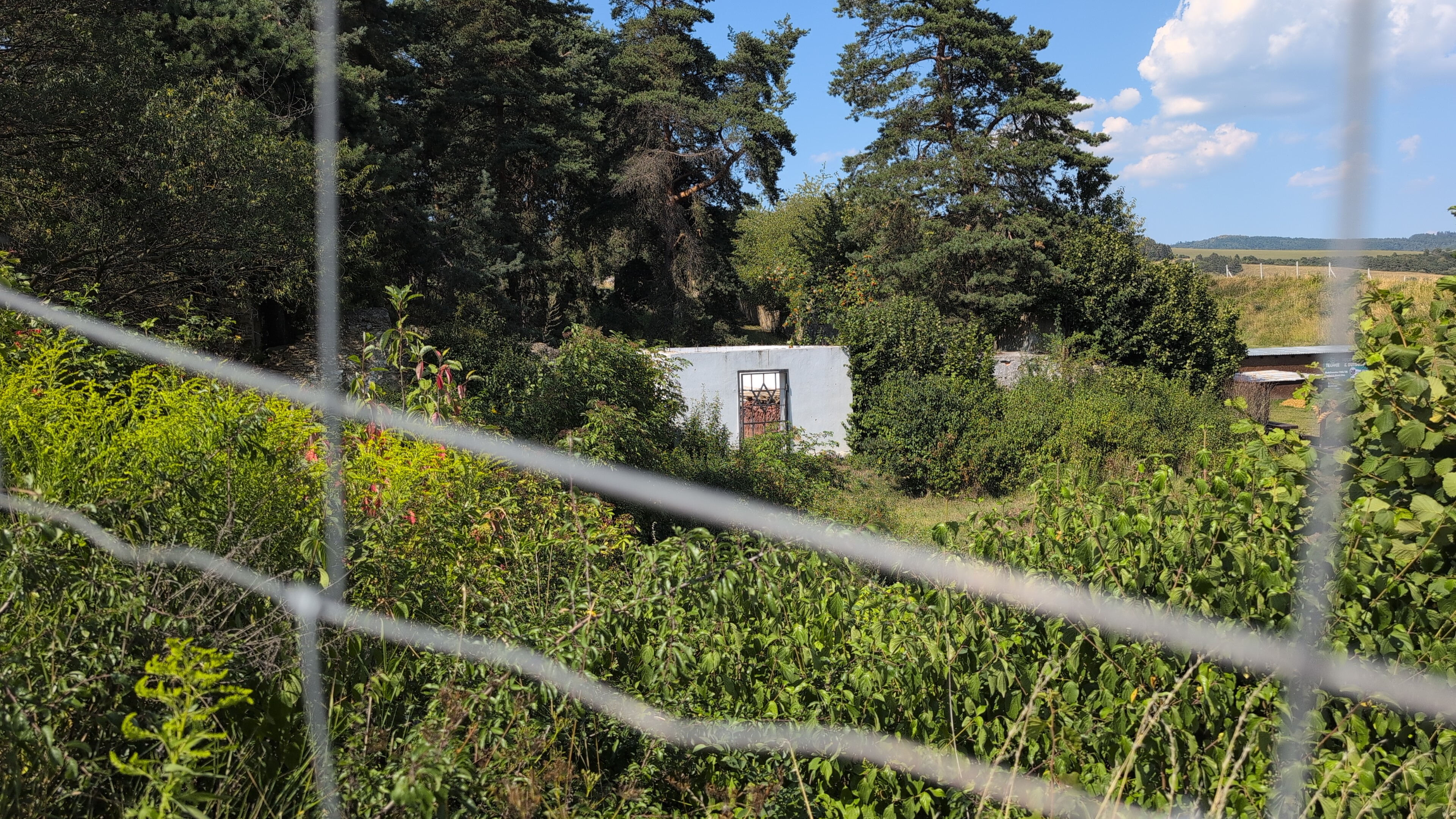
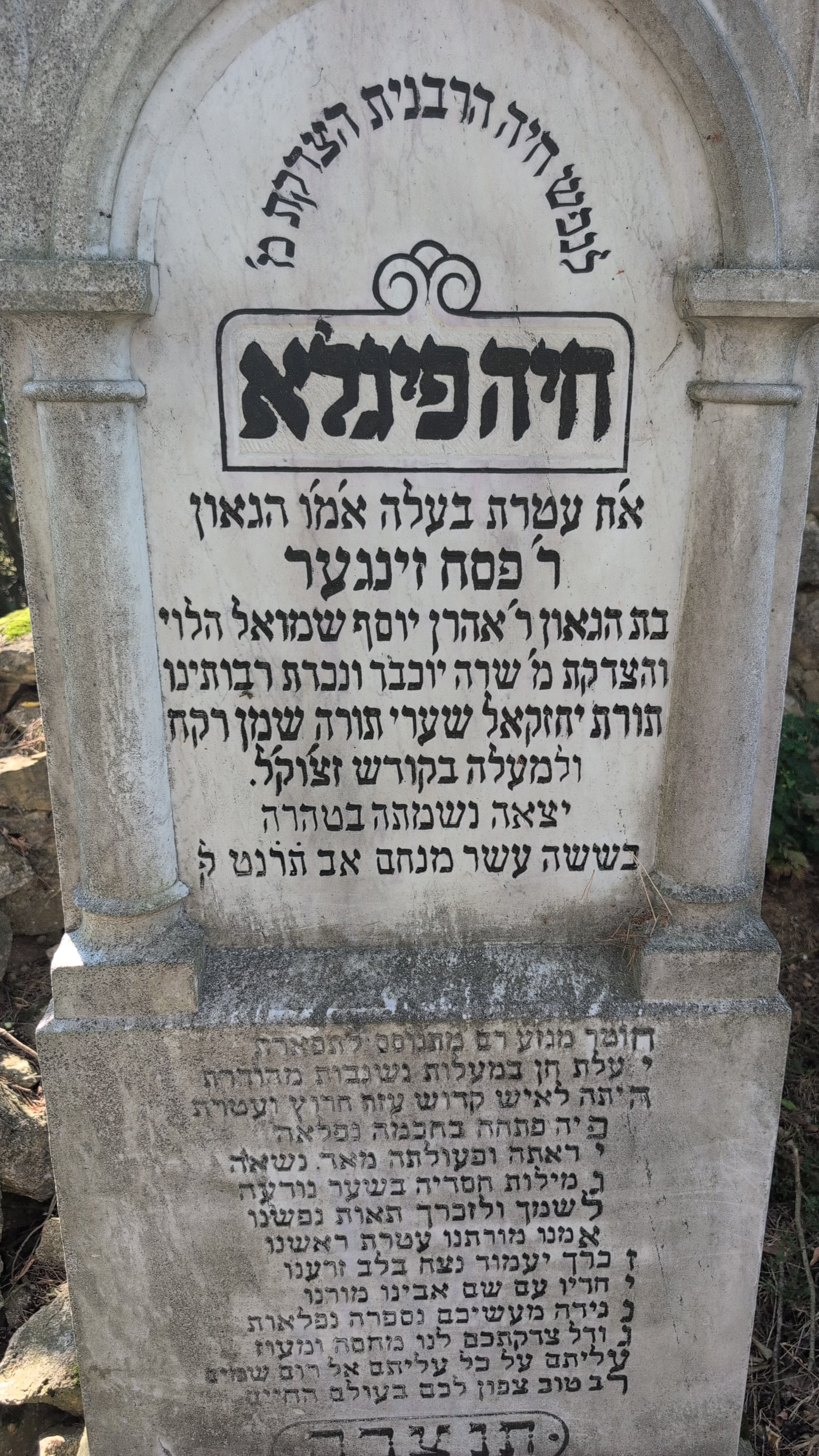
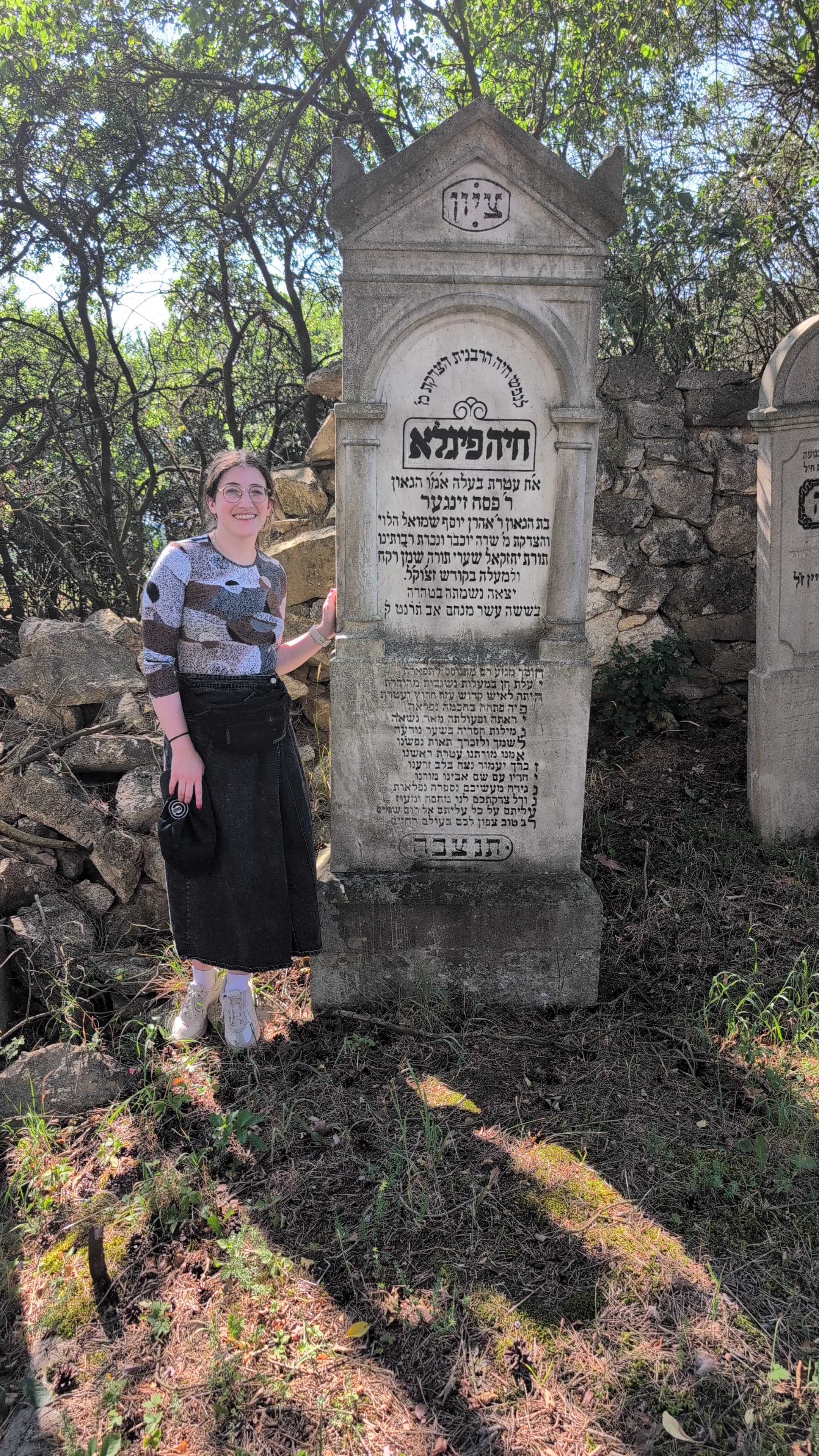
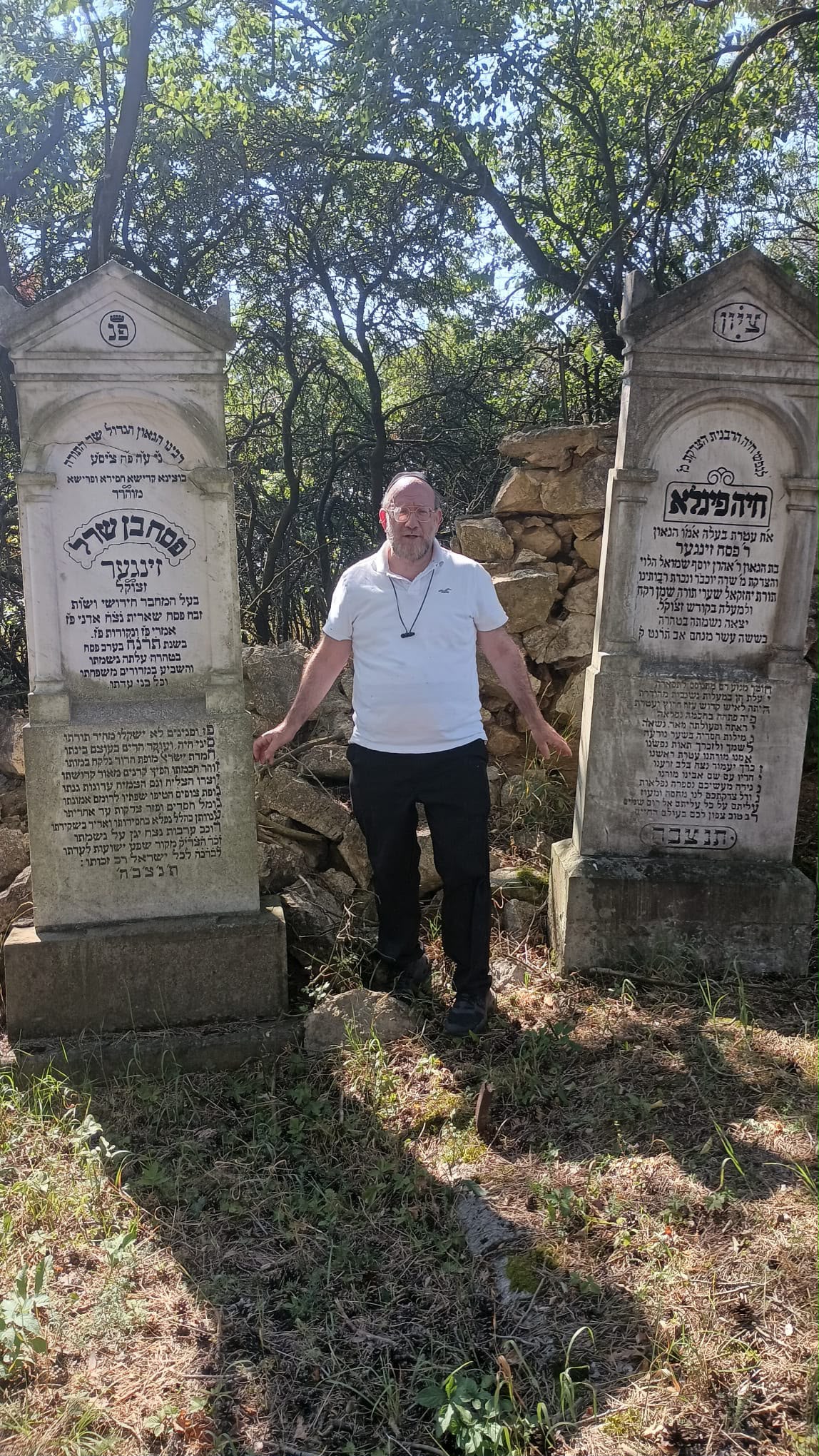
media/spisske-hesped.mp3You cannot understand what our rabbonim in Hungary were doing without this. Every one of them — Karcag, Székesfehérvár, Temesvár, Várpalota, Kirchdrauf — was working inside a fight that had split Hungarian Jewry into three, and the fight decided who owned the shul, who held the knife, and who taught the children.
In 1867 the Hungarian parliament passed the Jewish Emancipation Law. Full civil rights. And the price of emancipation across Europe was cultural integration — the national language instead of Yiddish, the government inside Jewish education and Jewish communal life. The maskilim welcomed it. The yereim understood exactly what was being asked.
The rupture was already visible. In 1865 the Orthodox rabbonim had gathered at Nagymihály — Michalowce — and issued their psak against the reforms creeping into the shuls: the changes to the bimah, the choir, the language of the drashah. That psak drew the line in public.
On 16 February 1868 Baron Eötvös, the minister of religion and education, called for a committee to organise Hungarian Jewry and to represent it to the government. The people who answered the call were mostly Neolog, so the committee was Neolog from the start. Ignác Hirschler, president of the Pest Neolog kehillah, was the man behind it.
And here is the detail that tells you everything. The plan was that the delegates would be elected by the communities, and that RABBONIM WOULD BE EXCLUDED — officially so that no theological questions would be debated, and because the rabbis "were liable to intervene beyond the scope of their function." A congress to organise Jewish religious life, with the rabbis kept out of the room.
The Congress sat in Pest from 14 December 1868 to 23 February 1869, two hundred and twenty delegates, the whole of Hungarian and Transylvanian Jewry represented. It failed. They could not agree on a national organisation, and Hungarian Jewry came out of that room in three pieces.
— NEOLOG — organised under the National Jewish Bureau in Budapest. Hungarians of the Jewish faith, seeking integration.
— ORTHODOX — organised under their own Executive Committee, recognised by the government in 1871. Complete institutional separation, and most of the Orthodox leadership regarded the split as a victory, not a tragedy. To them it was a breach that could not be healed and was not meant to be.
— STATUS QUO ANTE — the ones who joined neither and kept things as they were. About five or six percent of Hungarian communities. The name itself first appears in a newspaper column on 22 February 1871, and they had no recognised central organisation of their own until 1927.
Why Status Quo was the battleground, and not the middle ground
It sounds like neutrality. It was not. A kehillah that stayed Status Quo stayed undefined — and undefined meant the lay board kept control and nothing was bound. No national Orthodox takanos, no authority above the local parnassim, and a rav whose standing rested on whatever the board was willing to concede.
That is why the Orthodox rabbonim pushed so hard for their kehillos to be formally declared. It was not a label. It decided who appointed the shochet, whose shechita the town ate, what was taught in the school, who ran the chevra kadisha, and whether the rav could be overruled by the men who paid him.
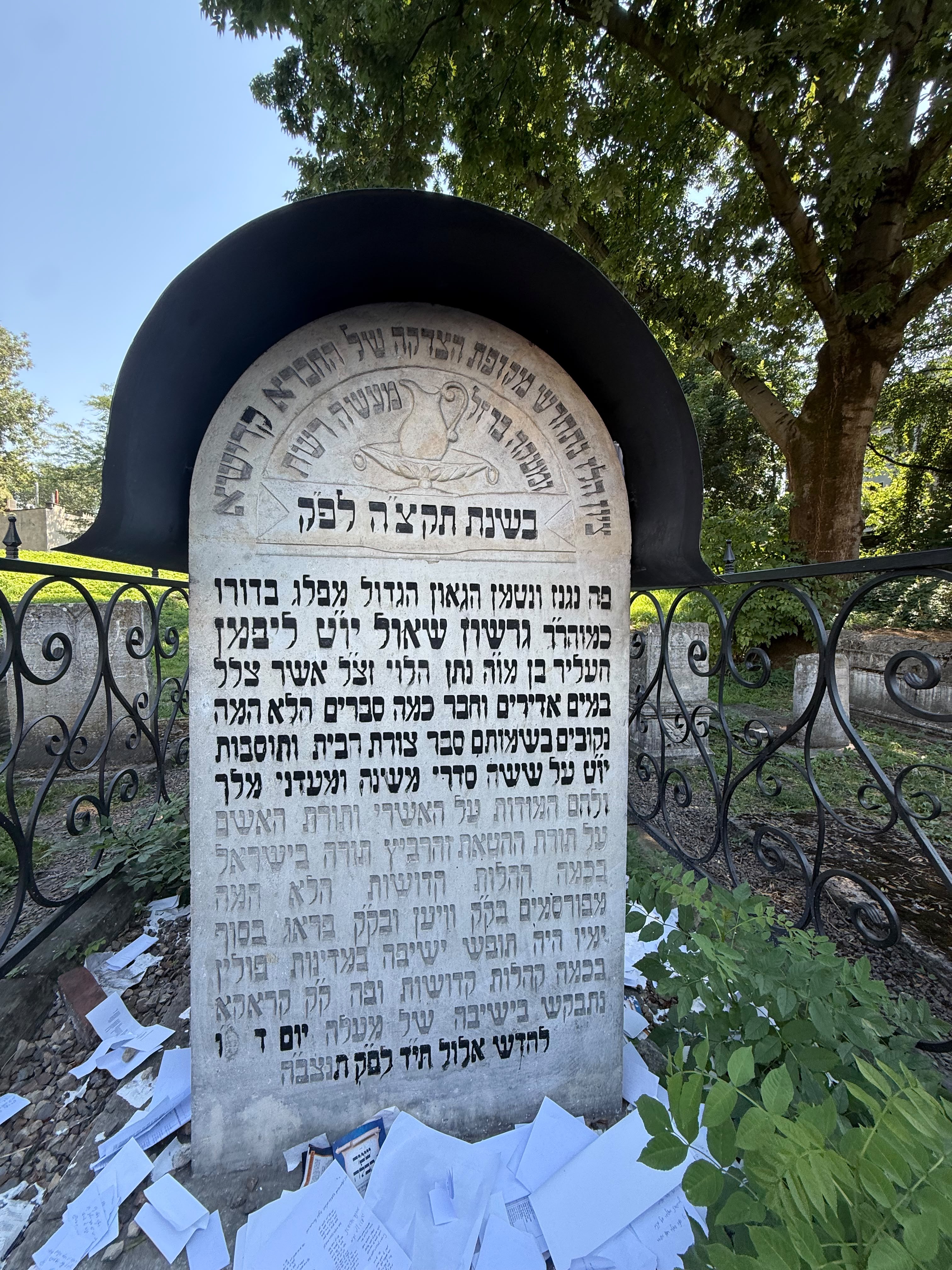
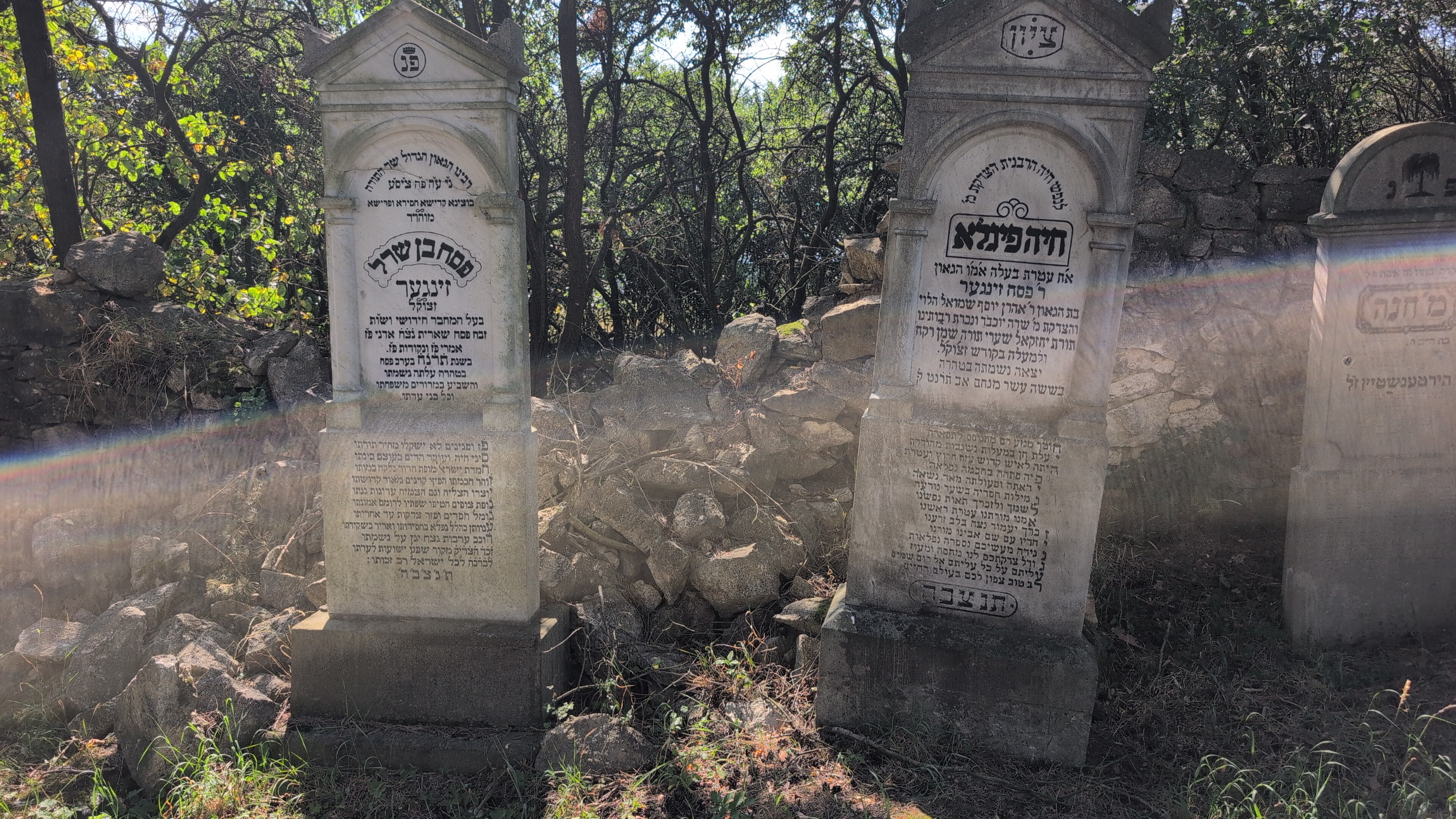
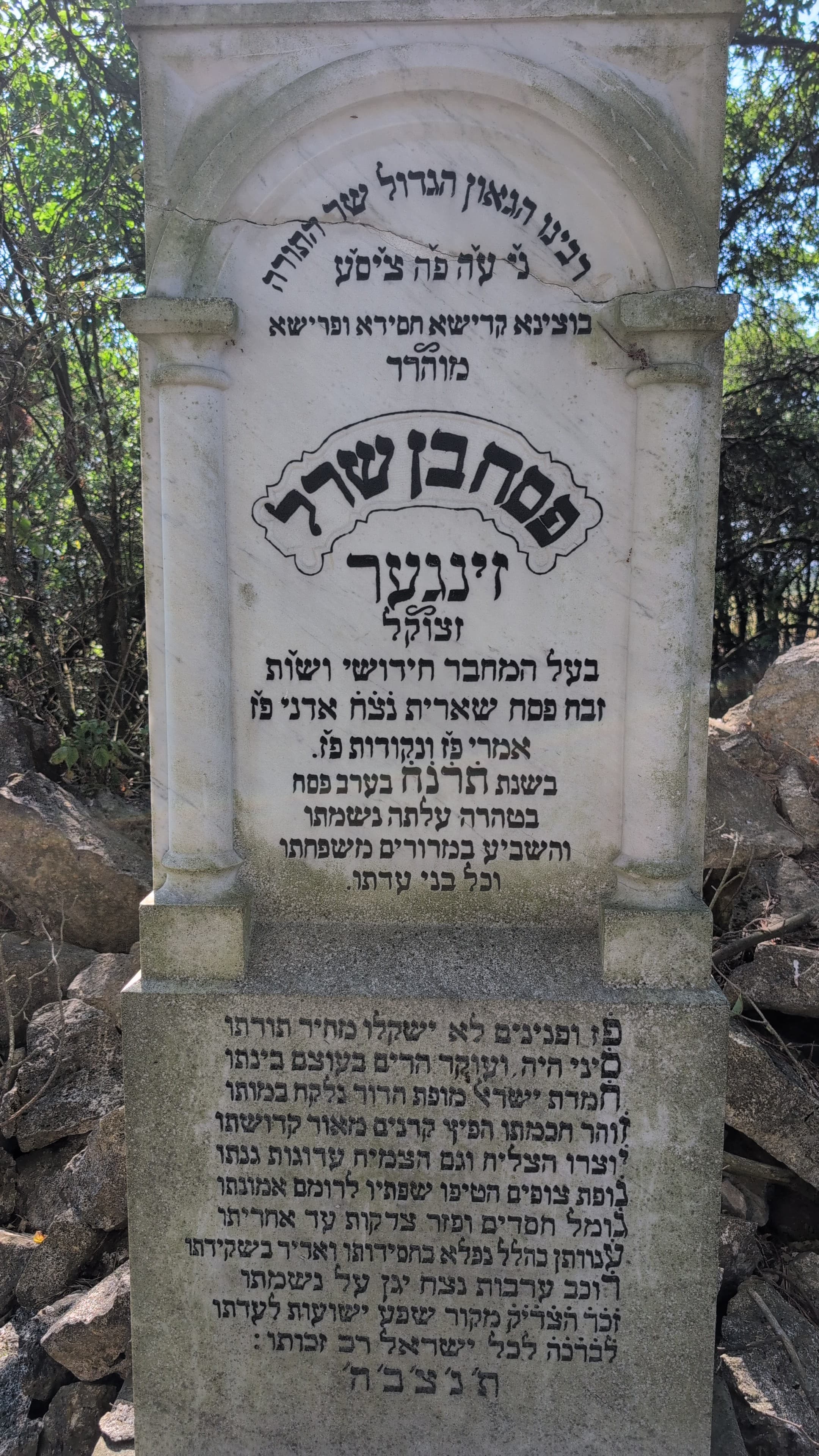
Kirchdrauf is Spišské Podhradie. This is the man whose stone we are standing at.
He was made rav of the district, and the parnassim fixed his seat at Kirchdrauf, because the head of the district, the rabbani R’ Eliezer Lipman Hirtenstein, lived there and it was decided the district rav should live in his town. It appears Hirtenstein worked hard to bring him. From the first day, his aim was to have the kehillah formally defined as ORTHODOX, under the central Orthodox bureau in Budapest.
Hirtenstein — described as a tzaddik, a wonder among chachomim, the standing miracle of the whole region — died on the Sunday of Selichos, only months after the appointment. Everything went with him. Part of the town wanted things left exactly as they were and no separate kehillah. And so for years the community sat with no definition at all.
Then the board acted. They drew up takanos defining the kehillah as STATUS QUO, without his knowledge — and they wrote into those takanos that the rav has no power to prevent it. After Hirtenstein’s death they installed a district head of their own choosing.
He worked with them anyway. In his great humility, and having no choice, he cooperated with the Status Quo kehillah and even signed their official letters, hoping the day would come when he could establish a proper Orthodox kehillah with the yereim of the town.
The break came over the shochet, who rebelled against the rav publicly and in front of the whole community. R’ Pesach and the charedim stopped eating his shechita and brought in their own shochet, a yorei shomayim, and from there the talk of a separate Orthodox kehillah became real.
The board answered with war. Persecution, pressure, every kind of method to squeeze the group. It ended with them writing to the district head that they were seceding from the district rabbanus altogether.
He left Kirchdrauf and moved to Wallendorf, the neighbouring town, and ran the district from there — hoping the people of Kirchdrauf would learn something from it.
It worked on the ones who mattered. The charedim of Kirchdrauf wrote: "the departure of the tzaddik made an impression, and with His help we founded an Orthodox kehillah with a high hand" — and they stood by the rav.
The other side did something else. They sent him a SEFER KRISUS — a writ of divorce — and wrote that he is not our judge and not our lawmaker, we never accepted his decree upon ourselves, and we have sent him a bill of divorce from us.
Not long after, the board saw where it had left them and, for appearances, asked him to come back. He answered that if they would accept the district rabbanus, keep the Orthodox takanos, and put it in writing and sign it, he would return with a full heart and everything would come to its place in peace.
He left his furniture and his household things in the house in Kirchdrauf to see which way it would go. Then, on the Wednesday of Parshas Nitzavim, he gave them until four hours past midday to bring the signed acceptance and a written regret for what they had done. Nobody came. He waited, the sefer says, until shame — and then he went to live in Wallendorf.
How the shochet fight ended, nobody wrote down. But he did return to Kirchdrauf, and this time he founded the kehillah on the ground of Torah and mesorah and joined it to the national organisation of Orthodox kehillos. The spirits quieted and everything came to its place in peace.
He served there until 14 Nisan 5658 — erev Pesach — at the age of eighty-two, after purifying himself in the mikvah, and he is buried at Kirchdrauf with his rebbetzin beside him.
The town sent him a get. And the town buried him. Twenty-six years of rabbanus, and the argument he came to win in 1872 he finally won — but only after he had walked away from it and let them come and find him.
+421 948 500 512 · cintorin@spisskepodhradie.sk
This is the first call. Do not turn up hoping the gate is open.
Which of these actually answers, and how, is not yet known — add it here once someone has tried.
Office +421 53 41 951 11, info@spisskepodhradie.sk
⚠ Tuesday and Thursday are non-client days. Counter hours are Mon 8–11 and 12–15, Wed 8–11 and 12–16:30, Fri 8–11 and 12–13. The two mobiles are the way round that.
Works across the Spiš region and knows these cemeteries. The researchers based in Košice do not cover Spiš, so this is the local contact to use.
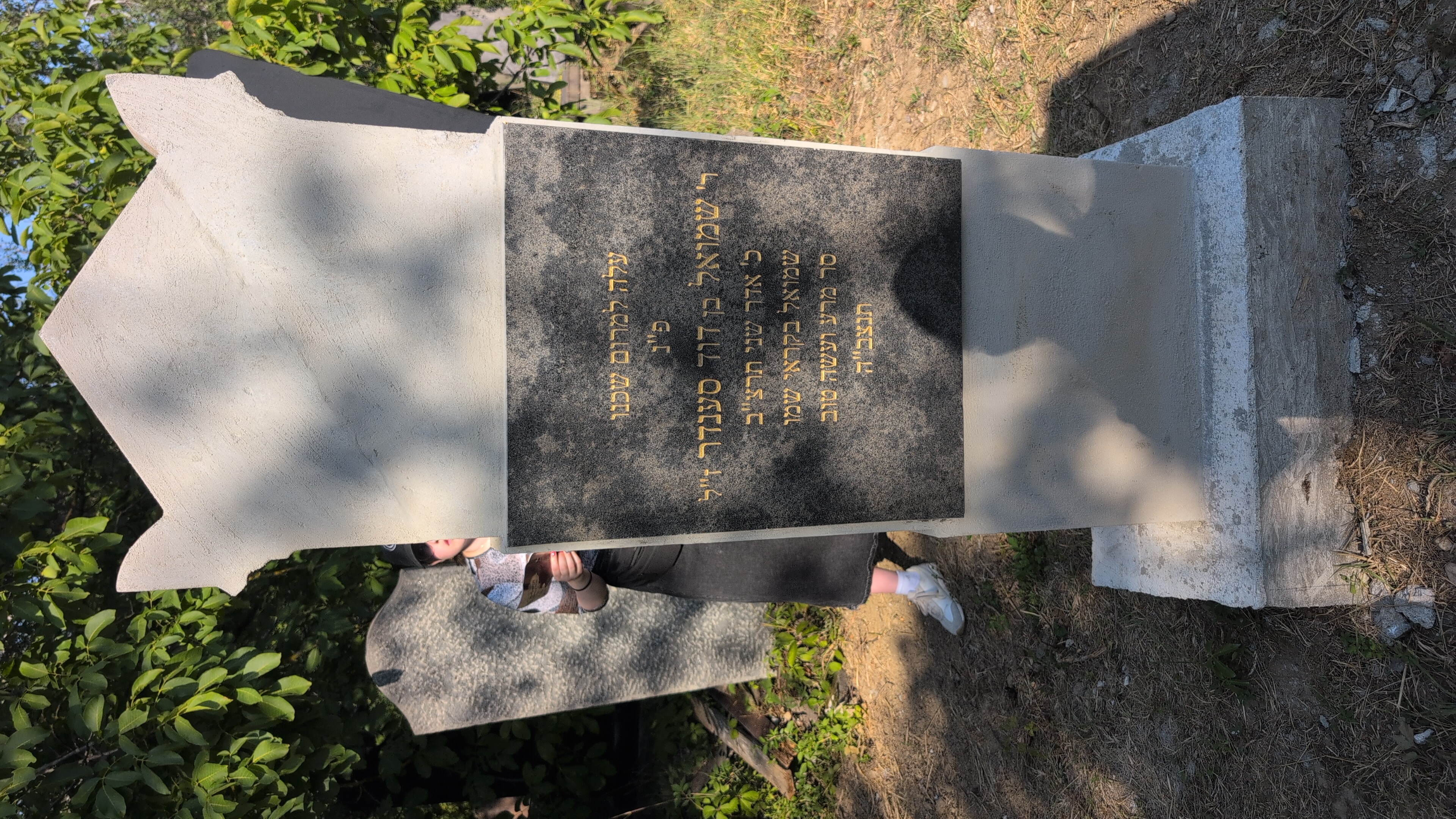
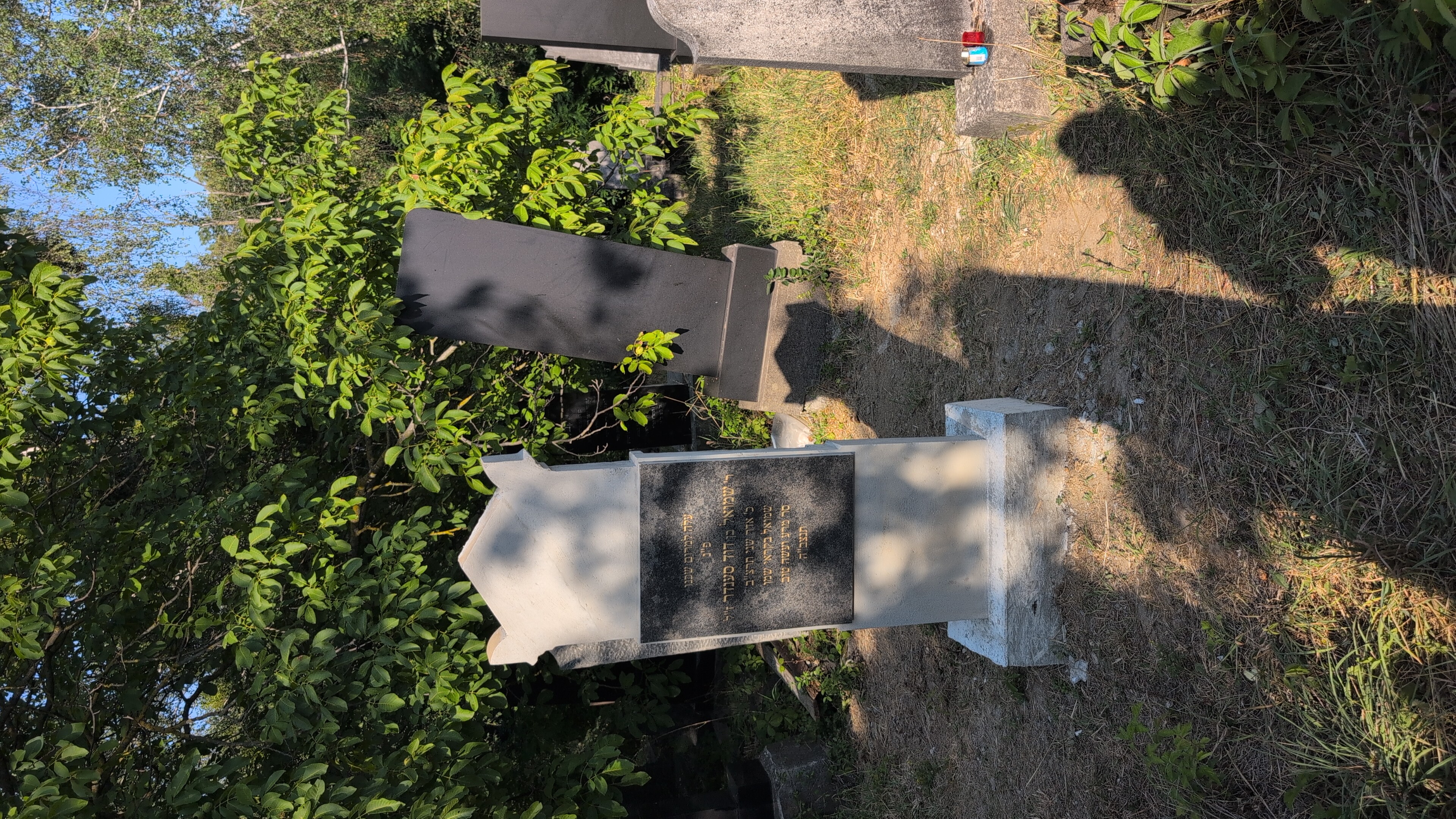
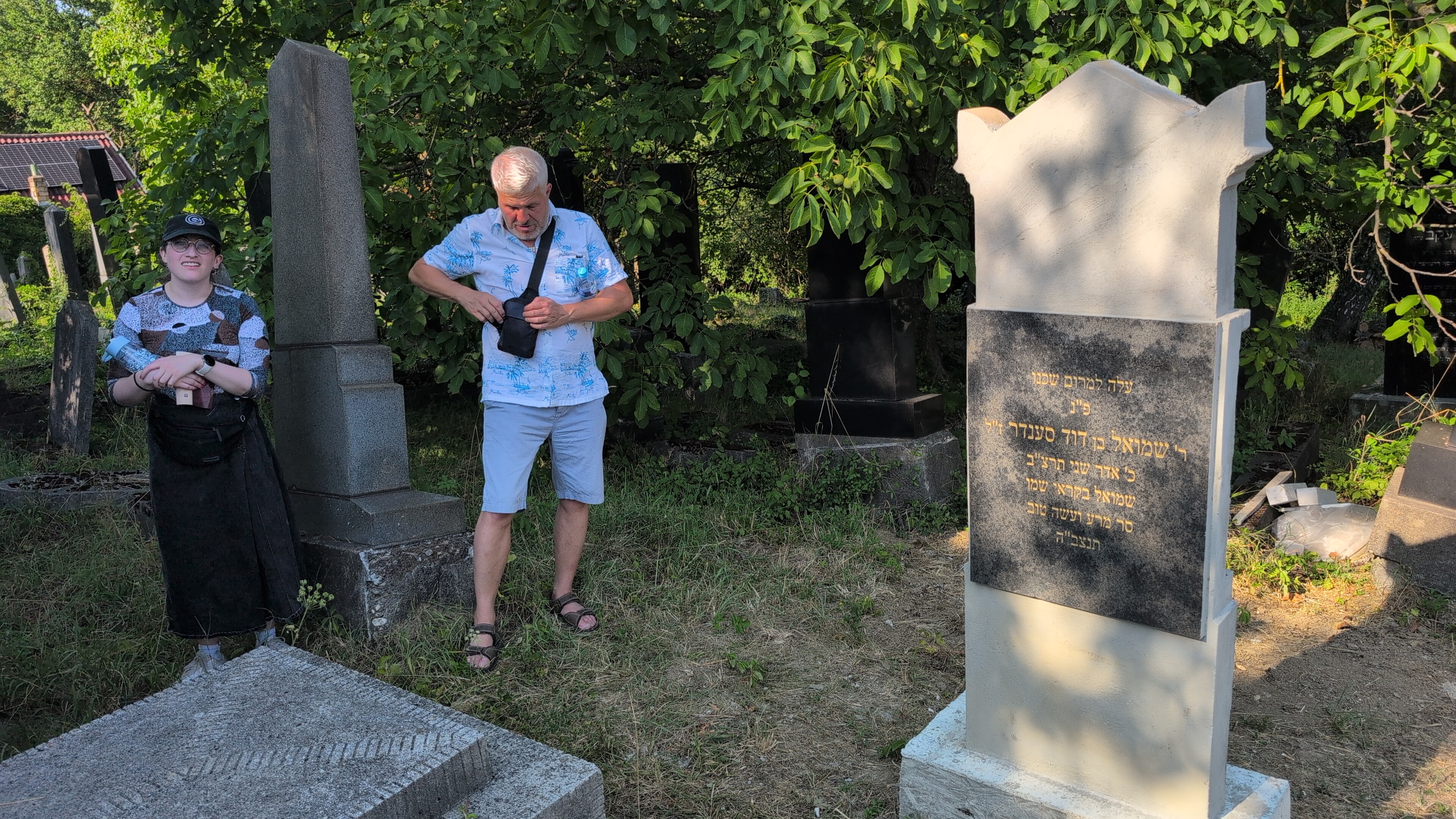
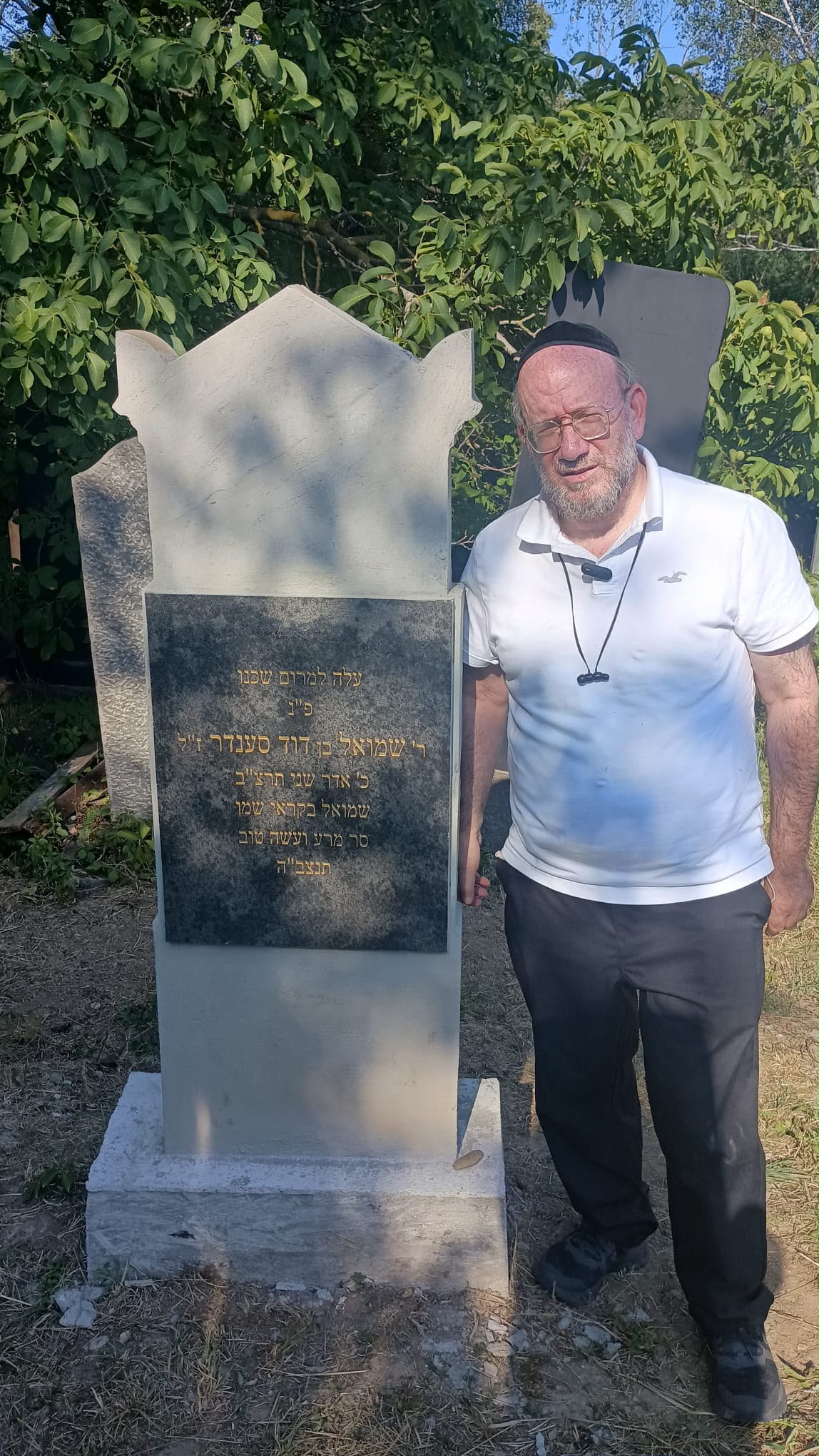
The monument was found in fragments in 2016. By then the arched panel between the two columns was bare stucco — every letter of the original inscription was gone, so there was nothing left to repair.
What stands there now is the old monument whitewashed, with a new black granite plaque set into the panel in gold lettering. It reads:
עלה למרום שכנו · פ"נ · ר' שמואל בן דוד סענדר ז"ל · כ' אדר שני תרצ"ב · שמואל בקראי שמו · סר מרע ועשה טוב · תנצב"ה
The line Shmuel bekorei shemo is from Tehillim 99:6, a play on his name; sar mera va’asah tov is from Tehillim 34:15.
Found this stone, established the access and commissioned the plaque. Works in Slovakia only — not Hungary, not Ukraine, and not the Spiš region.
Answers by email and on WhatsApp.
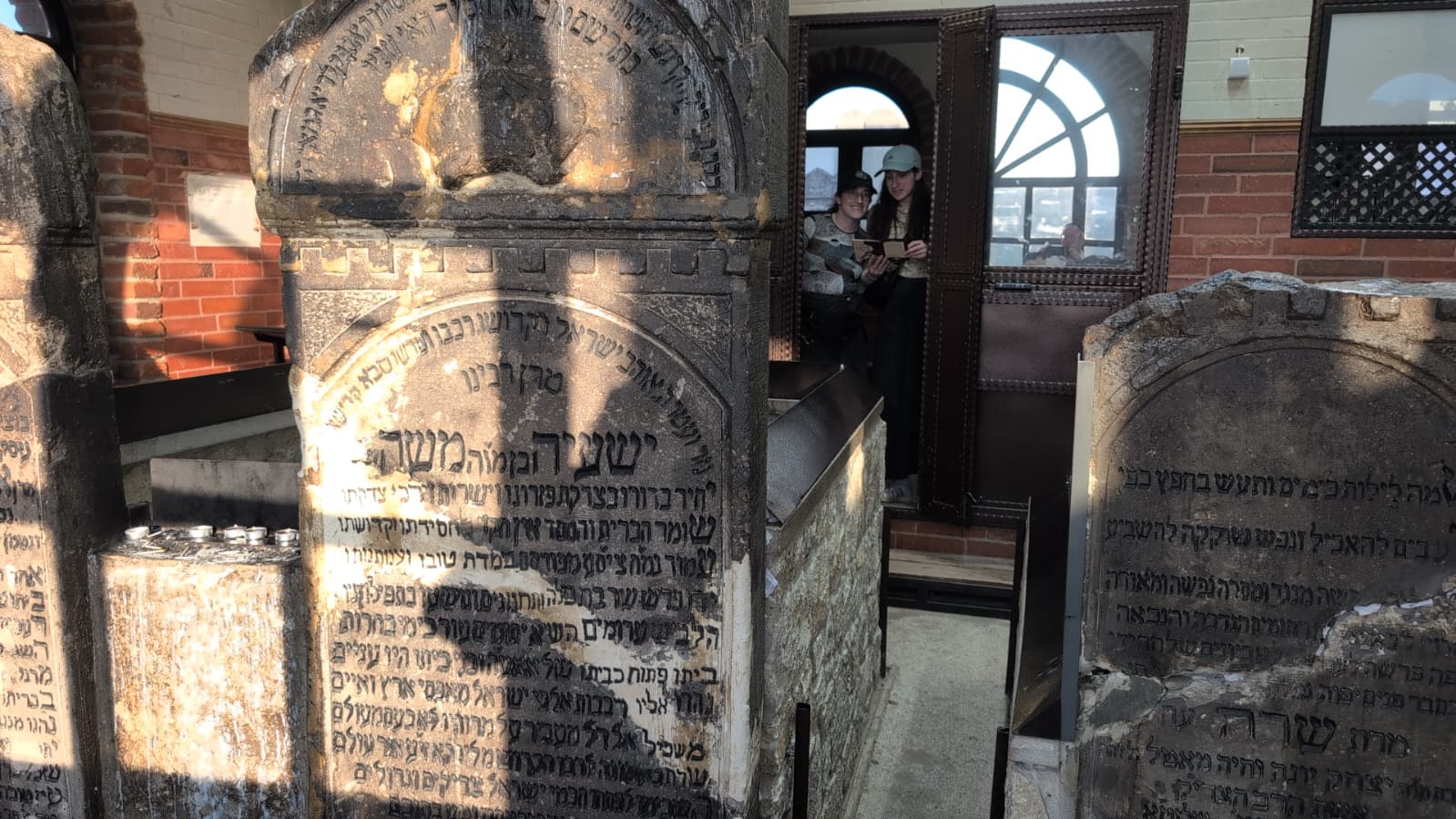
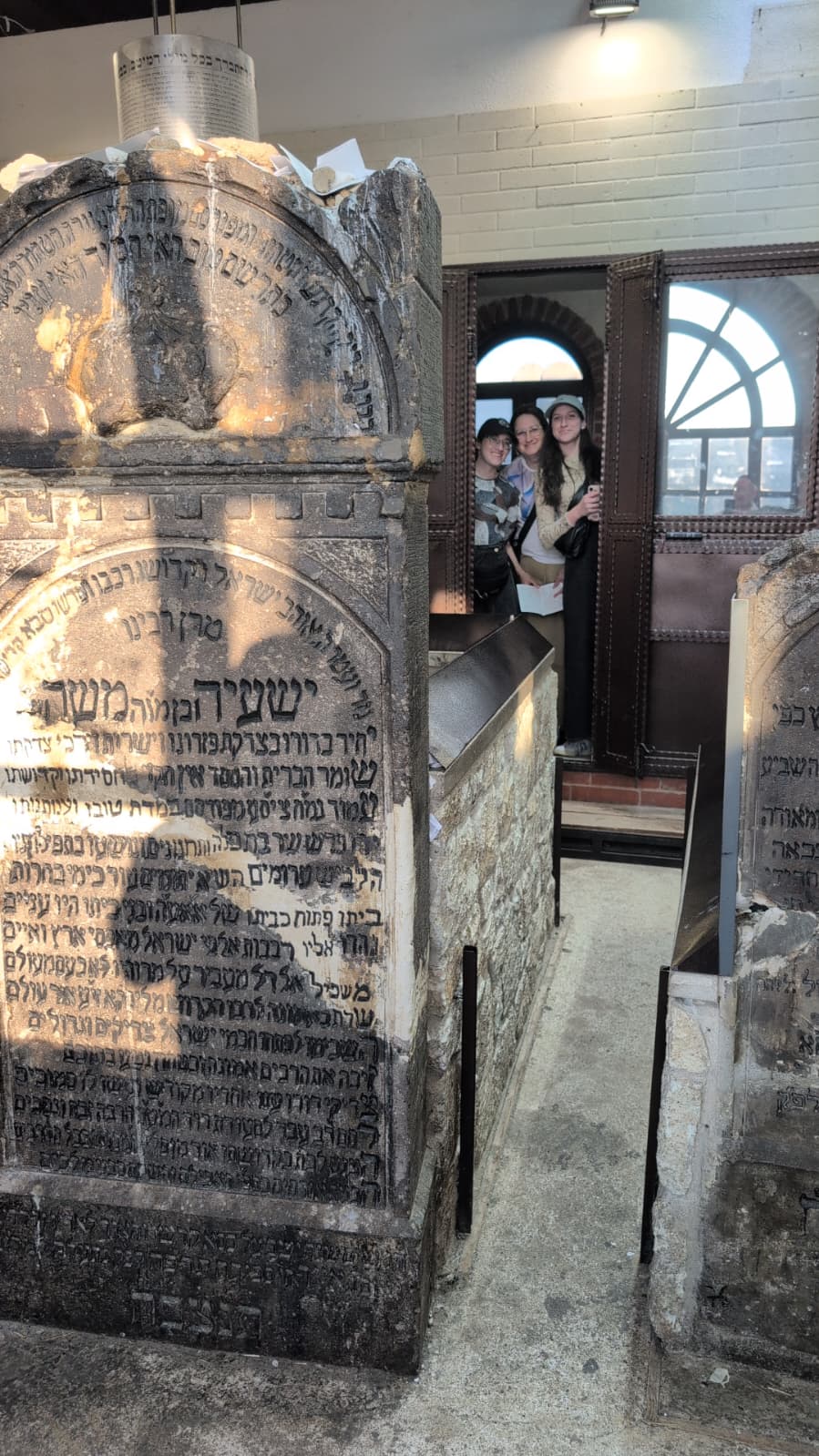
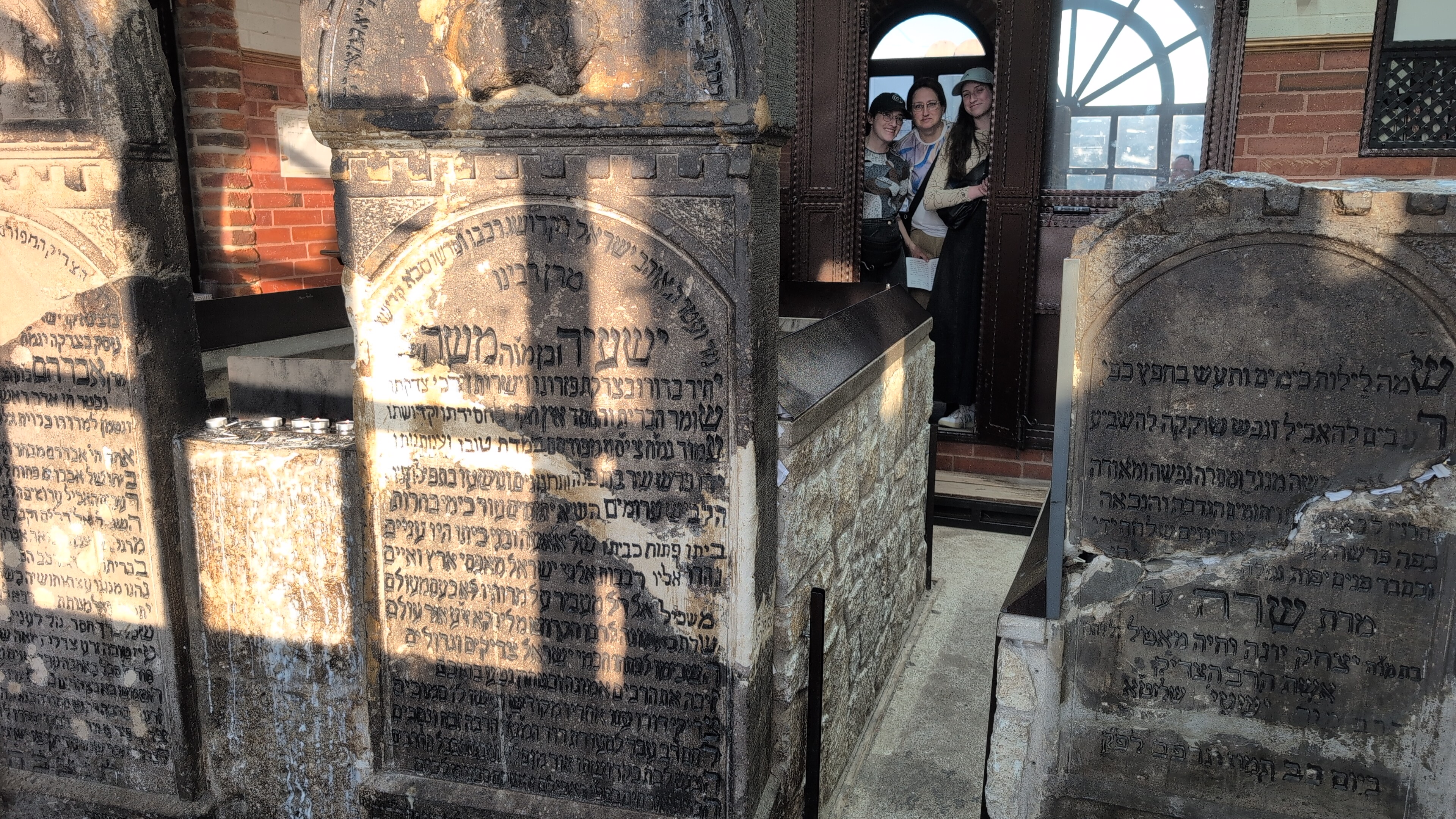
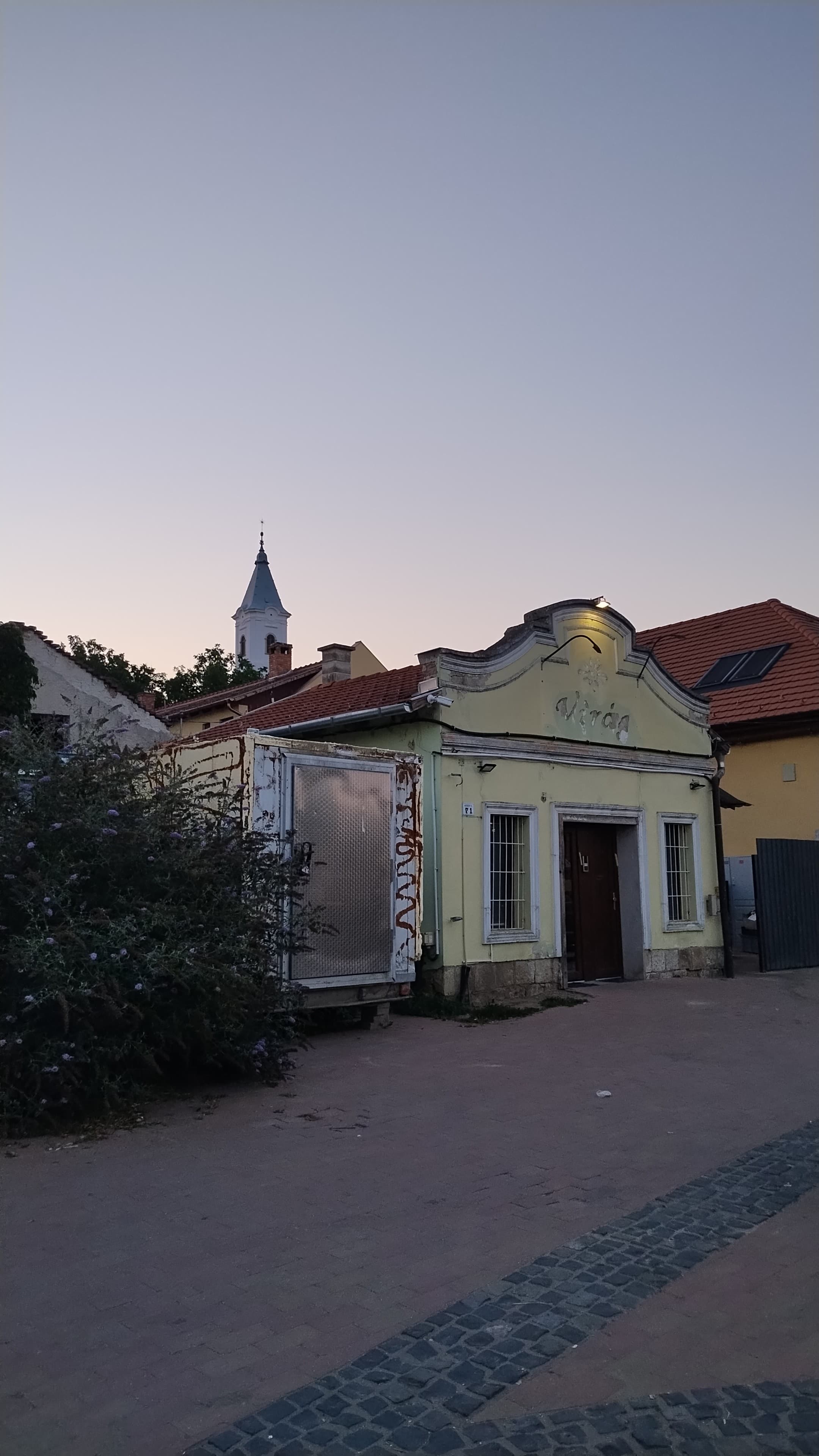
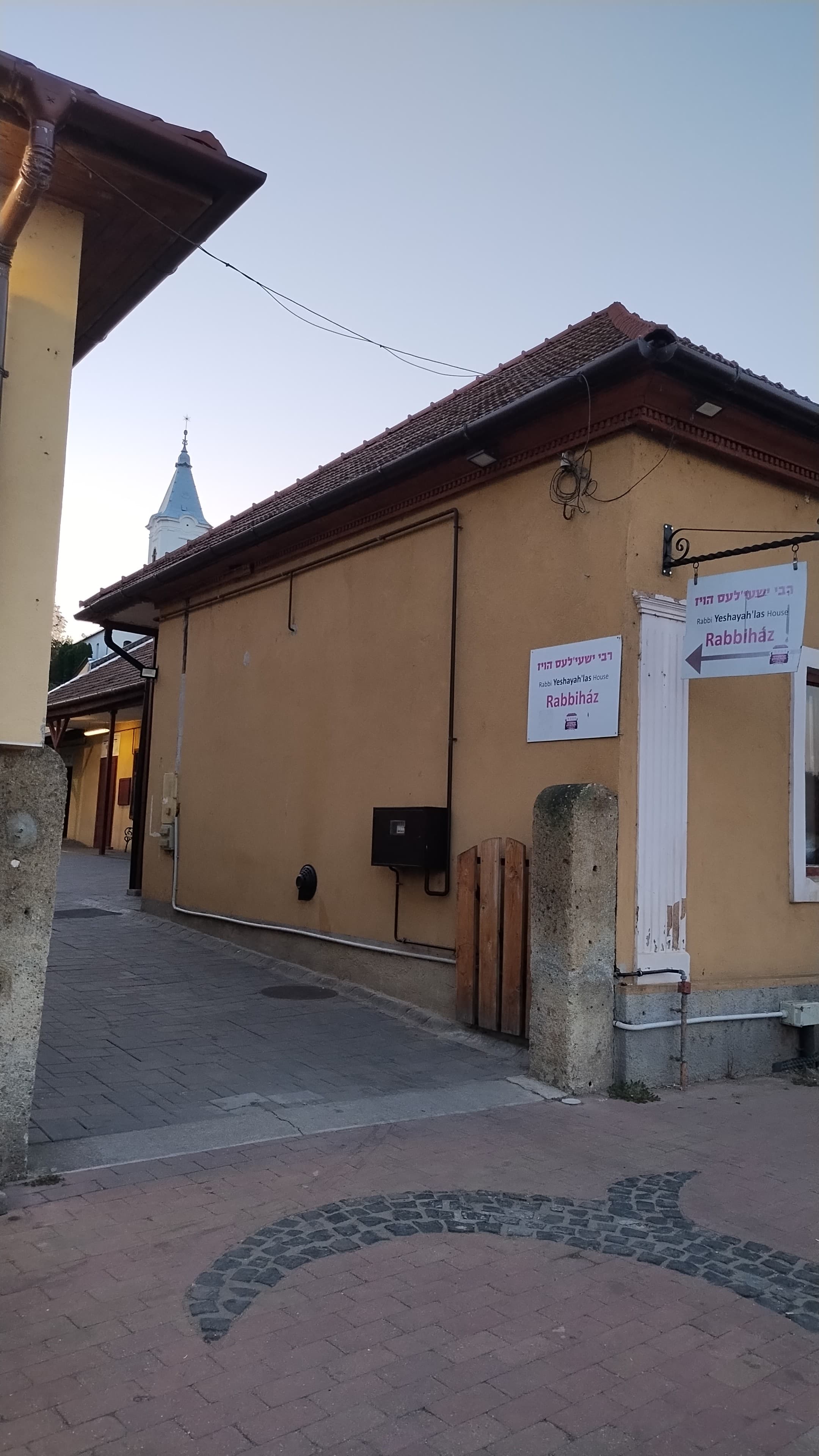
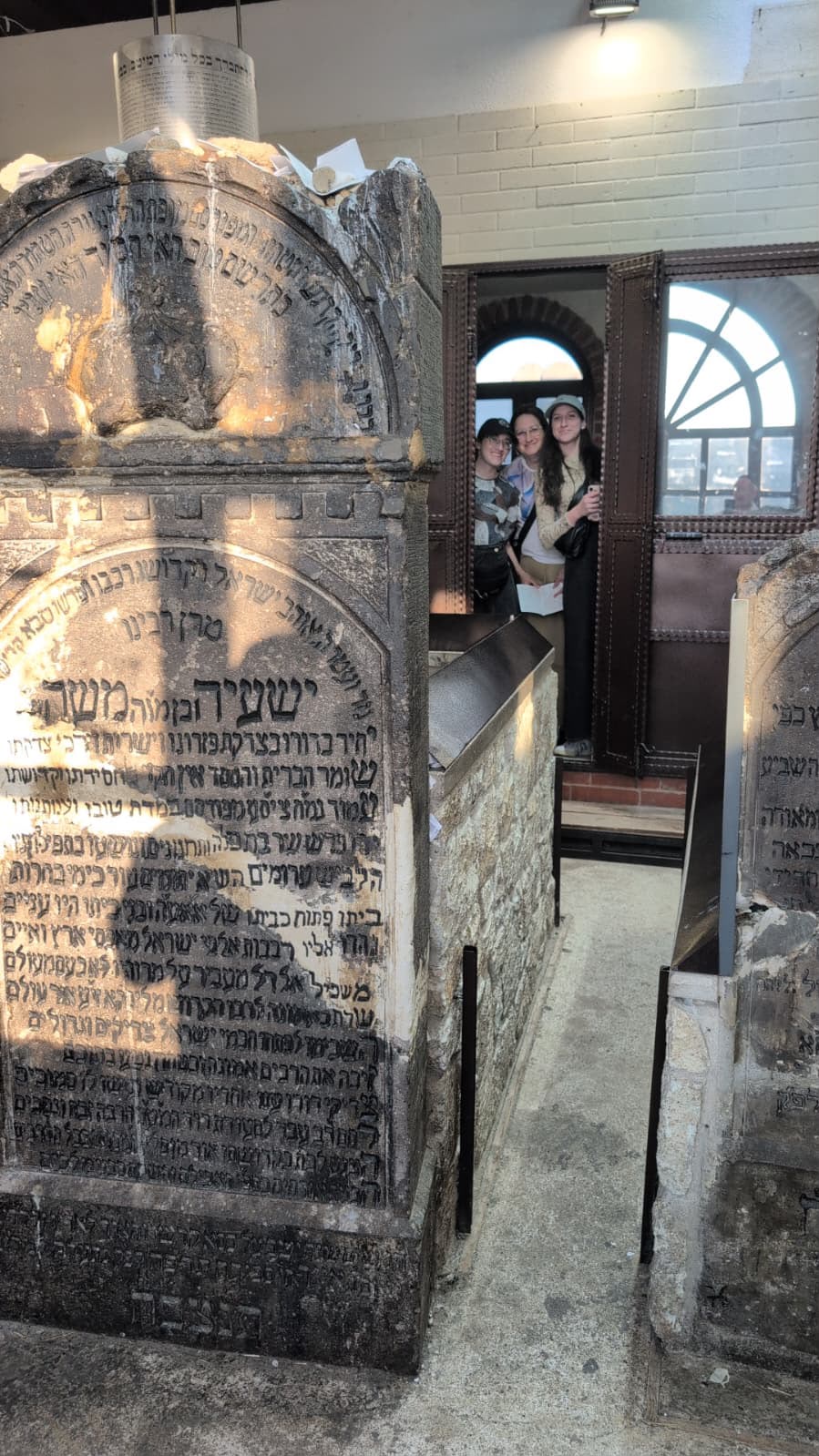
Avrohom Adler travelled to Kerestir. That is what the family carries, and it is carried as family tradition rather than as something a document proves. The working belief in the family is that the journey was made for the Yamim Noraim — that too is tradition, not record.
It is worth being plain about the distinction the rest of this site keeps: every other place here is on the map because an ancestor was born, lived, or is buried there. Kerestir is here because an ancestor chose to go — which says something different, and something worth keeping.
R’ Yeshaya Steiner came to Kerestir at the end of the nineteenth century and led his chassidim in the village until his petirah in 1925. What he was known for in his lifetime was hachnosas orchim on a scale that is hard to picture — a house where food and drink were given out at every hour, to chassidim and to strangers with nowhere else to go.
His yahrtzeit is 3 Iyar. In 2004 about a hundred and fifty people came to the village to mark it; by 2013 it was a thousand, and it now runs into the tens of thousands, with shuttles from the village because the hill road cannot take the traffic.
The ohel standing today is not the original — that was destroyed in the war. A replacement was put up under the communist regime, big enough for a dozen people; the present structure was built on the same foundation to hold the crowds. Three graves lie inside it.
Before the war Kerestir had a Jewish community of about five hundred and thirty-five. Almost all of them were murdered.
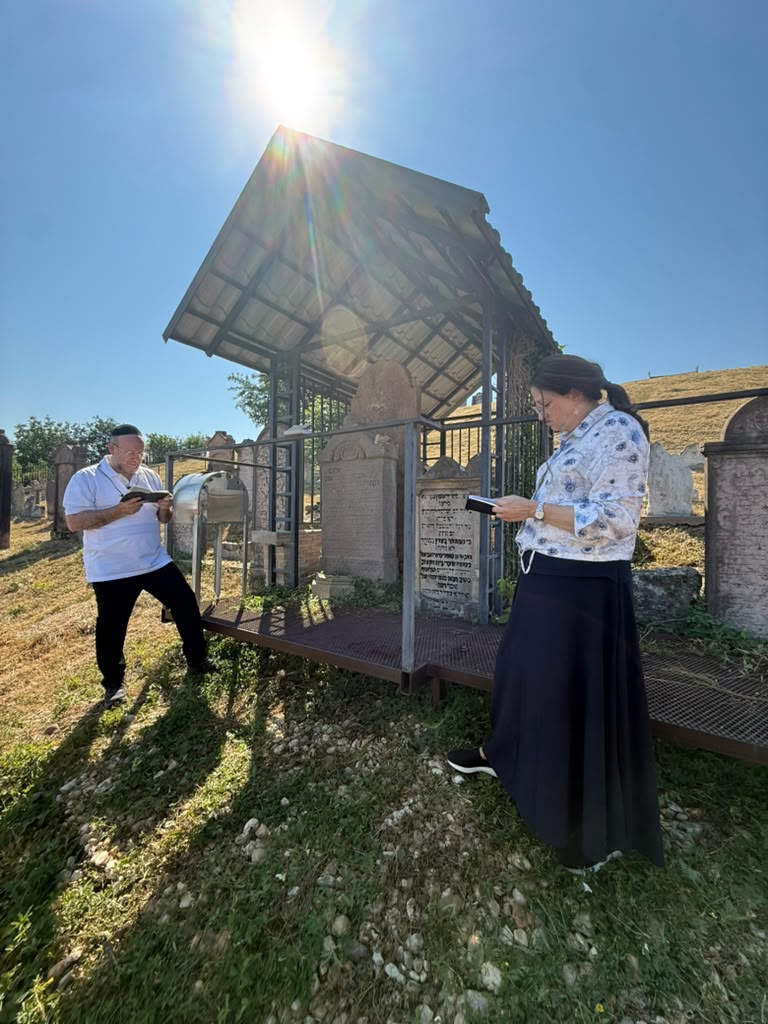
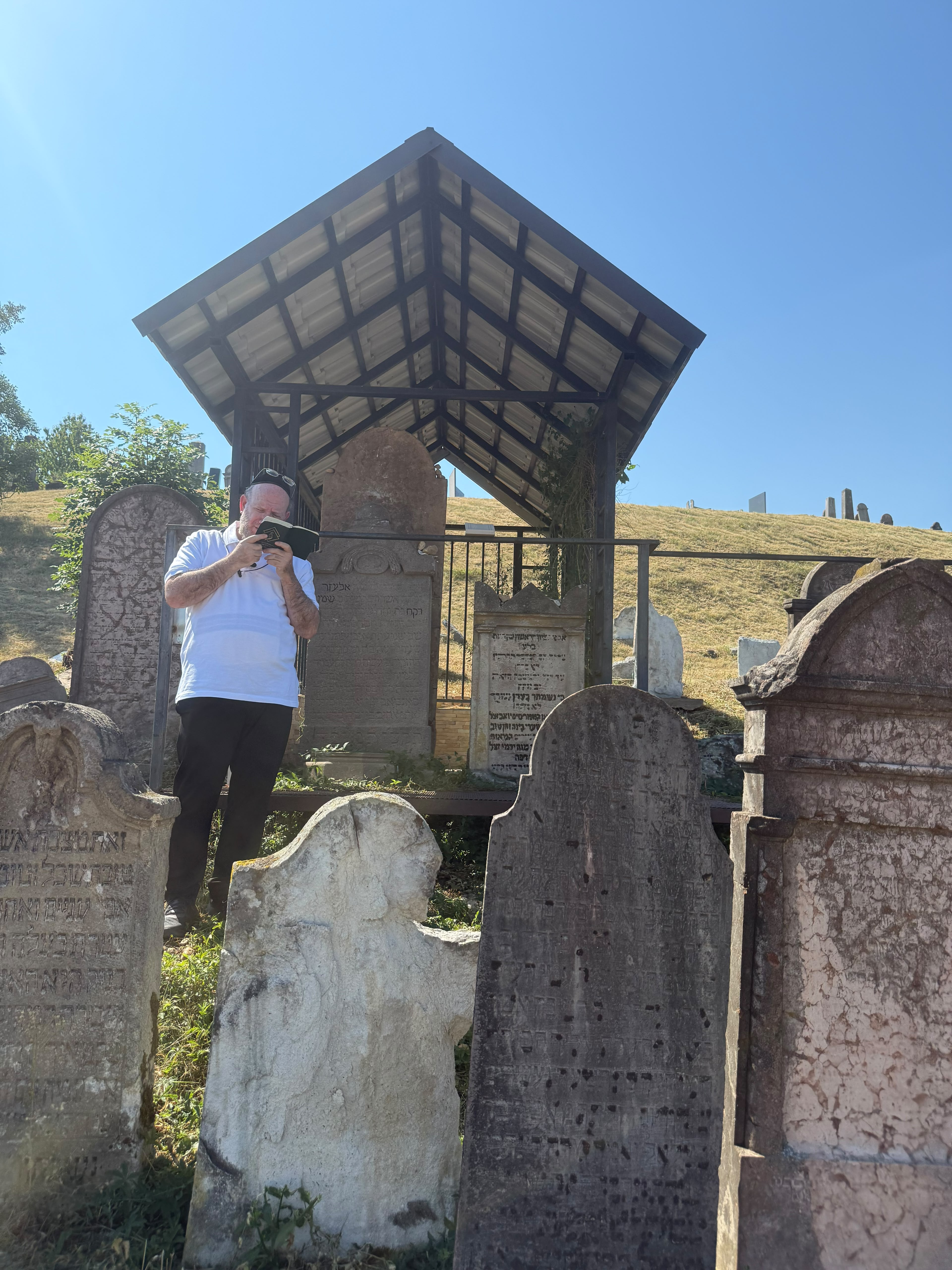
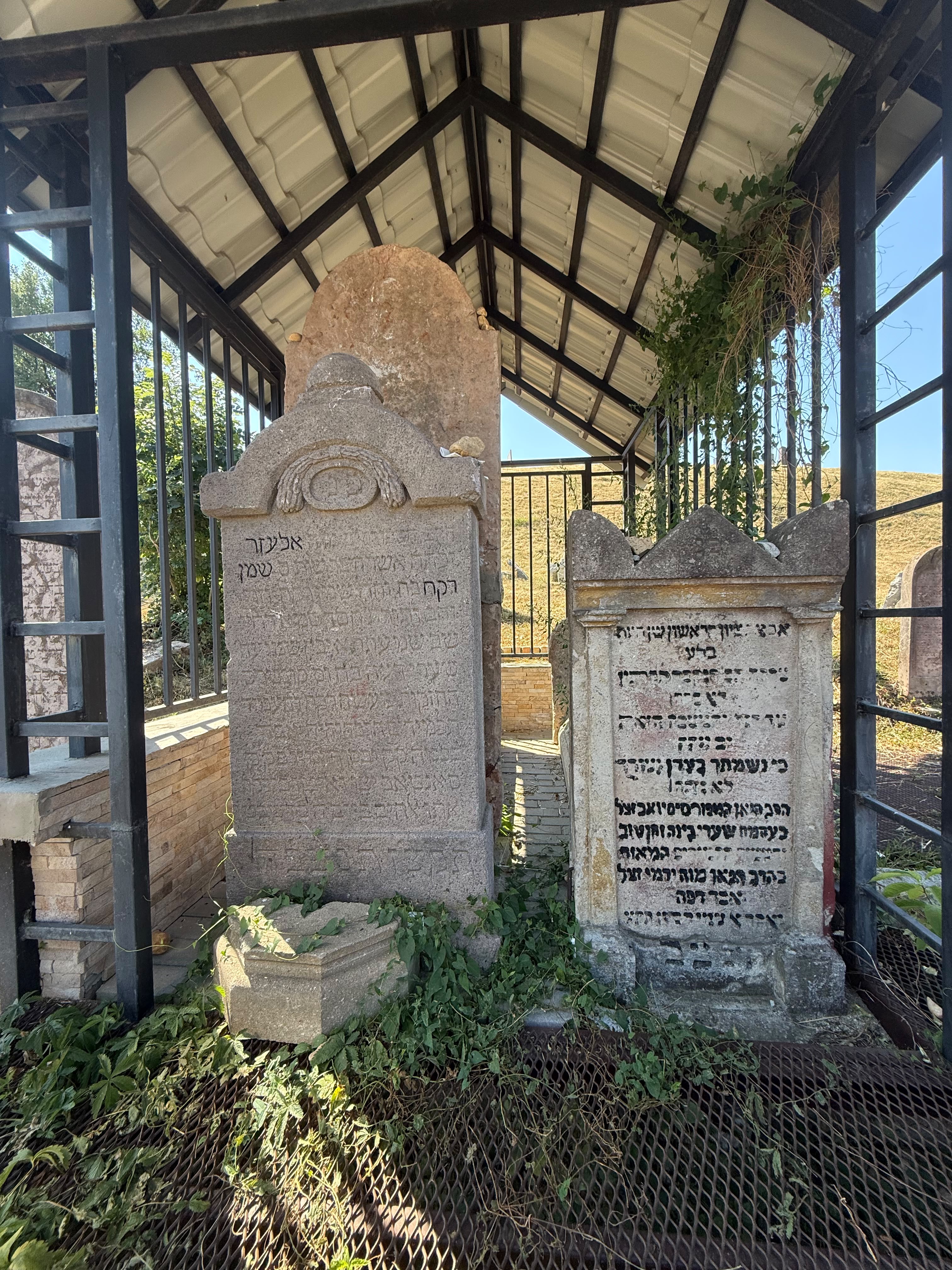
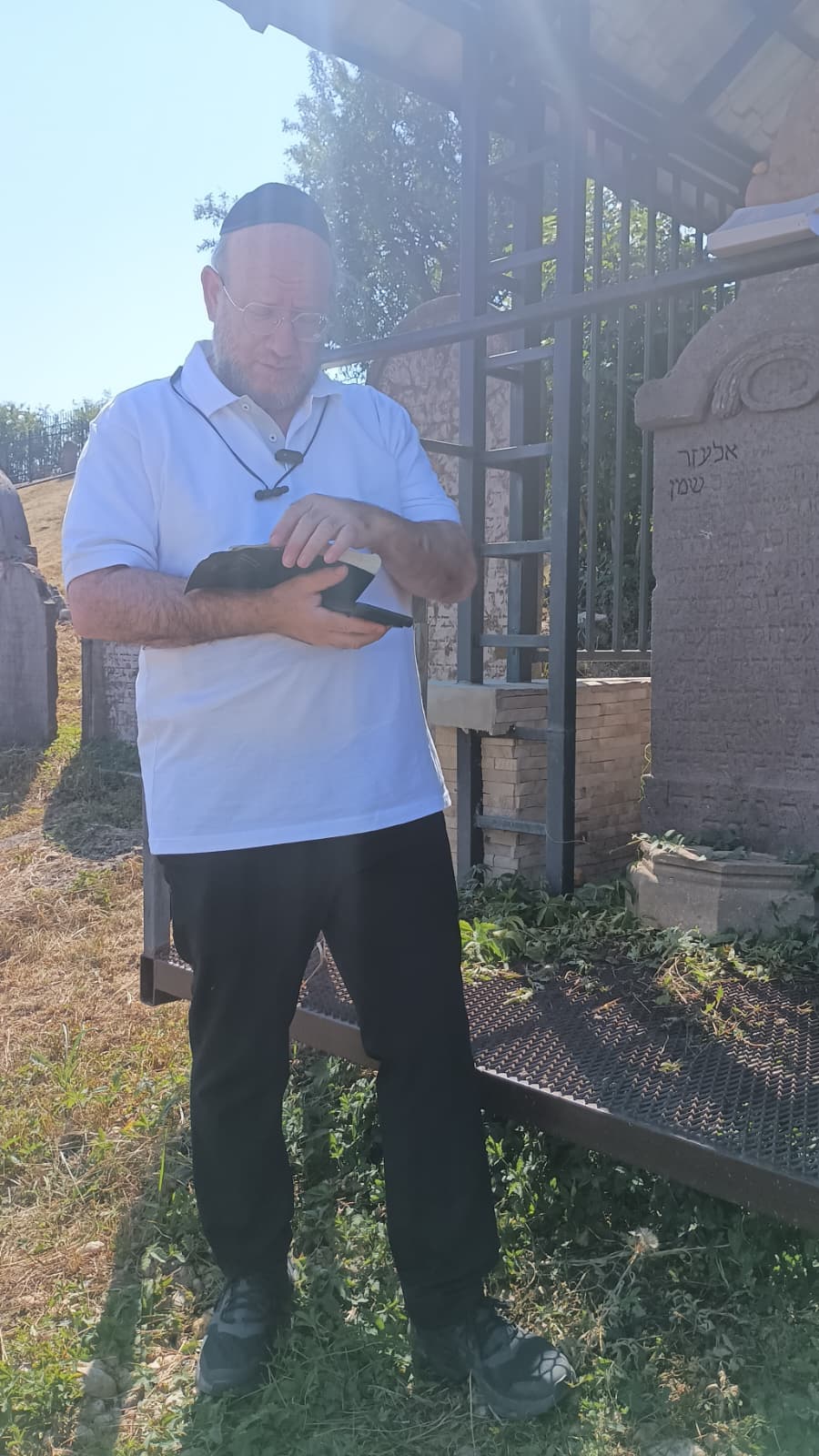
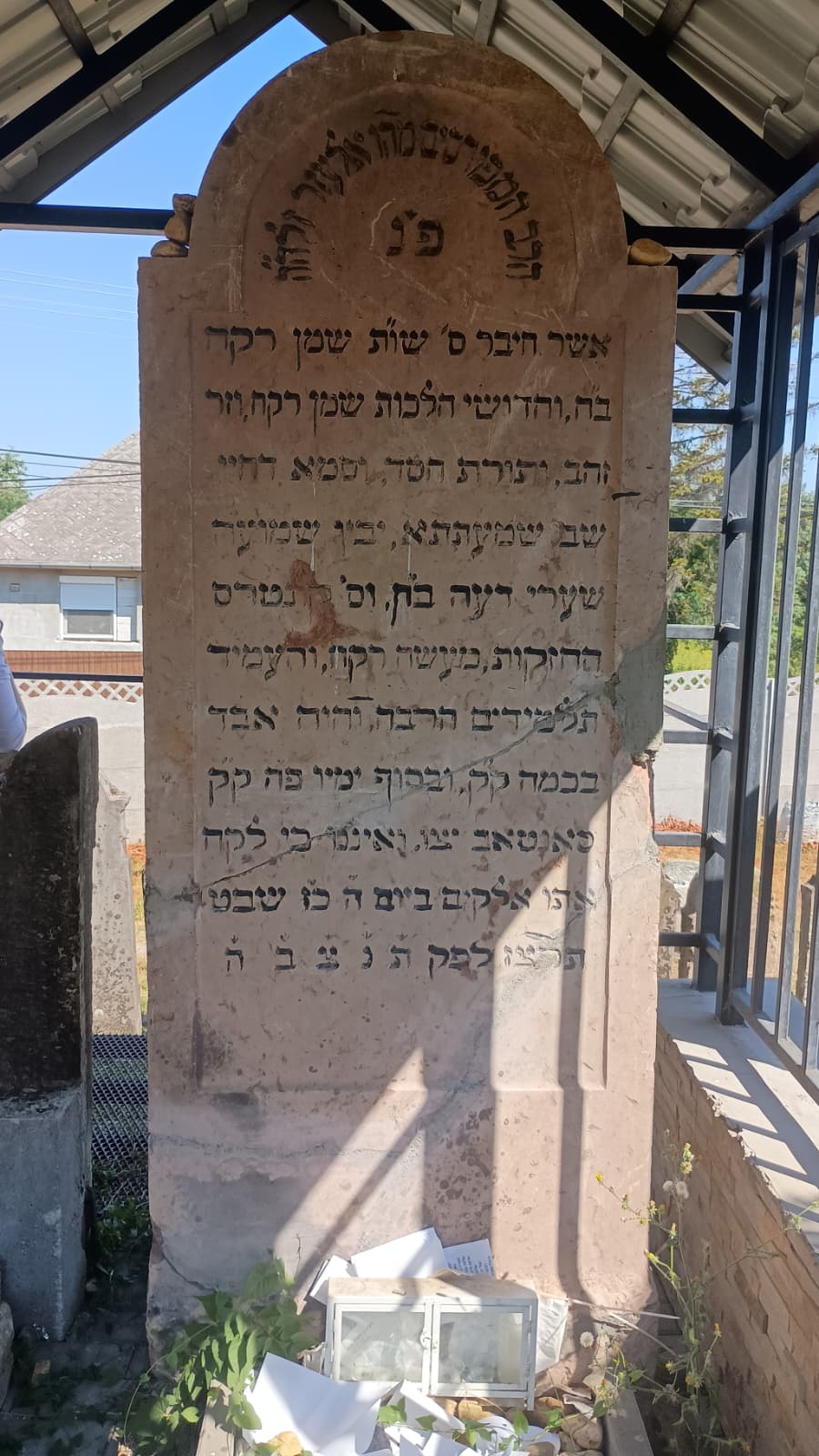
The alter Zeide here is R’ Elazar Löw, the Shemen Rokeach — Elazar ben Aryeh Leib. The family name is written sometimes Muntz and sometimes Löw.
How we come from him: Chaya Feigela, R’ Pesach Singer’s wife, is his great-granddaughter — and it runs through her mother, not her father. Chaya Feigela’s mother was a daughter of the Shaarei Torah, and the Shaarei Torah was a son of the Shemen Rokeach.
The Shemen Rokeach actually took a route not so different from the one we have been taking these last few days.
He was born in 1758. Very young — at twenty — he was already rav in Piltz, Pilica, which is right near Kraków. He married young; his wife was Yittleh, and it is from Yittleh that the Shaarei Torah came, and from Yittleh that we come. She was niftar young, and he married again after that.
From there he moved on. He wrote a great deal, and his sefarim are used in many, many different places; he went to Vienna to have them printed. He took the rabbanus of Triesch — Třešť in Moravia — and was there something like twenty years, until a great fire, and then he moved on again.
And then, in 1830, he came here to Abaújszántó, for the last seven years of his life. He was the rav here. All through those years, wherever he was, he had a yeshiva.
What we always say over is from his Yavin Shmuah — which is really down to earth, always with a mashal, and a good sefer to use al haTorah.
On the posuk ve’atah Yisrael mah Hashem Elokecha sho’el me’imach ki im le’yirah — what does Hashem ask of you except yiras shomayim — Rashi brings from Chazal, yiras shomayim milsa zutrasi, a small thing. And the question is obvious. For Moshe Rabbeinu, fine, it is a small thing. But the Torah is not speaking to Moshe here; it is telling Klal Yisrael. So why is it a small thing for us?
The Yavin Shmuah answers that Moshe Rabbeinu held that everybody else was greater than he was. So if for him it was a small thing, then all the more so for everybody else. And that is something you can tell about the Shemen Rokeach himself.
He says something else on lo se’acher — that once you are obligated to bring a korban you should not delay it. The Yavin Shmuah says that is really about all of us. If you work erev Shabbos, you eat on Shabbos. If you work here with mitzvos and maasim tovim, you get olam haba. Once the days are gone they are gone, and nothing more can be done then — so we have to take advantage of what we have in this world in order to prepare ourselves for the next.
They say about him what we heard in Kraków about the Megaleh Amukos — and they do not say this about many others — that he had giluy Eliyahu. The particular time was Motzei Yom Kippur. Everyone else, once maariv was finished, went to eat. His minhag was to go into another room and learn the entire night, without eating at all, and he did not break his fast until the next morning. That is where they say he had giluy Eliyahu.
And there is a sefer of his chiddushei Torah that came to him while he was asleep. He used to press that a person should learn day and night, and he was asked: how can a person learn day and night when he has to sleep? His answer was that if you learn day and night, then even while you are sleeping it is counted, and you are learning then too. But he was really speaking about himself, because that is what he did.
We have said over in our house many times his tzava’ah, which is the last two pages of the Yavin Shmuah. We are not going to say it over now. It is a little here and there, and it is a little bit frightening.
But we were already mekabel to learn Tosfos Yom Tov, and he says what he says about learning Mishnayos. So when we learn a Mishnah with the Tosfos Yom Tov, it should be a zechus for his neshamah — especially for the Zeide, R’ Elazar ben Aryeh Leib, and for his whole mishpachah. And our learning from his sefarim should be a meilitz yosher for the entire mishpachah, and we should all be zocheh to yeshuos, refuos, nechamos and geulah.
In 1830 men of the Abaújszántó kehillah travelled to offer him the town’s rabbanus. He was seventy-two, and he came, bringing two sons and two daughters with him. One of those sons, Aharon, died the following year at eighteen — probably in the cholera epidemic. He ran a large yeshiva in the town and pressed the community to come and learn in it, and he served there for seven years until his petirah.
These were the years when the reform movement was gaining ground in Hungary, and he answered it publicly: a kehillah that lets go of mesorah ends by losing its hold on Torah altogether.
The rabbonim who came after him in Abaújszántó expected to be buried beside him, and they were — with the rebbetzins in their own group on the same level, not far from their husbands. His kever was visited in times of danger and in times of quiet, and his name carried far enough beyond the kehillah that local gentiles would sometimes come and daven there too.
The kehillah itself goes back to 1738. Its school opened in 1787 with two classes and sixteen children between them; by the 1840s it had a good enough name that Christian families sent children to it. Teachers from that school fell at the battle of Kassa in 1848.
Mayor Sáfián Ádám, jegyző Popják Eszter. Email is what works here — they answered ours confirming free access.
⚠ Counter hours Mon and Wed 8–12 and 13–15, Fri 8–12; no client hours Tue or Thu.
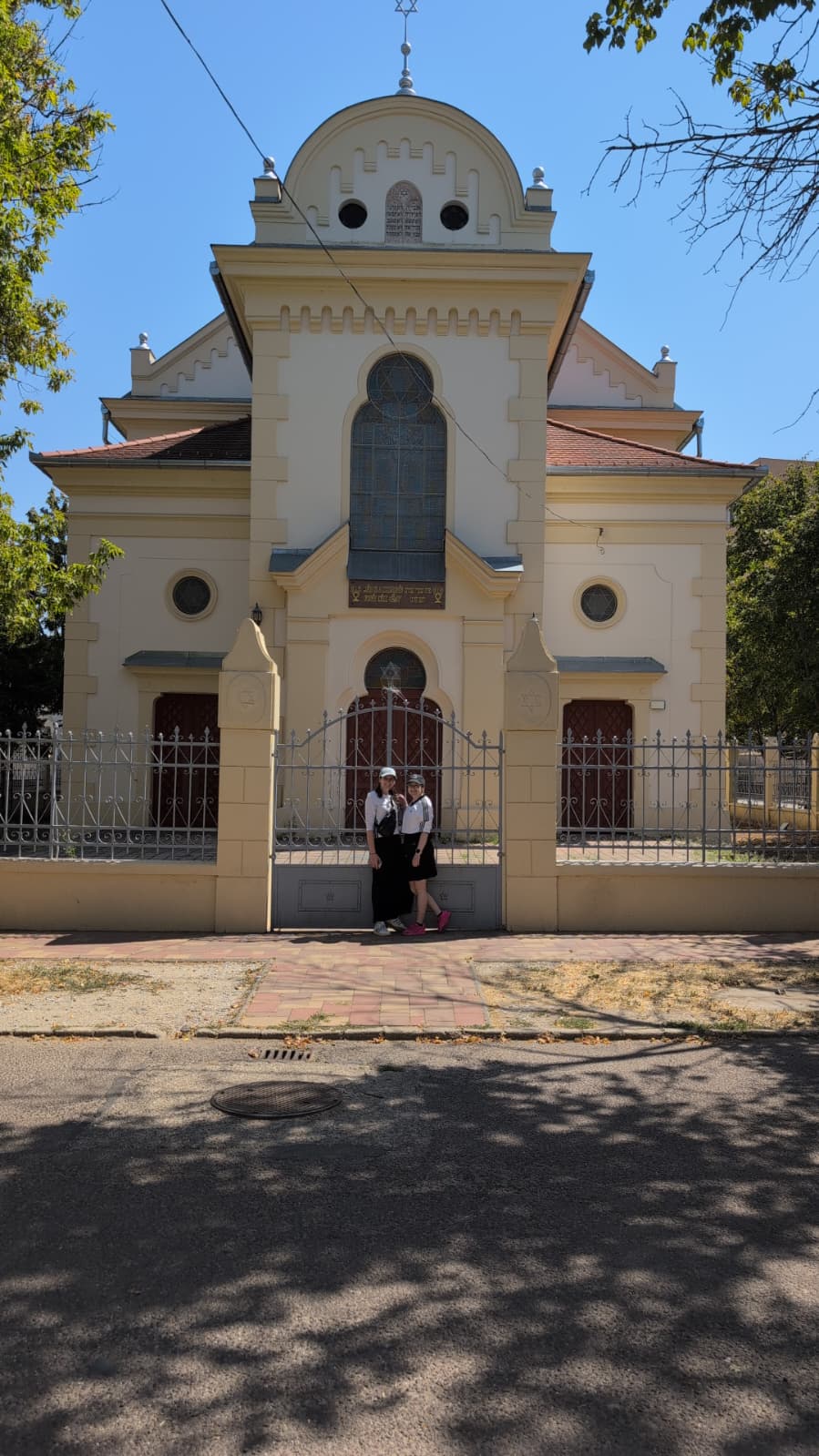
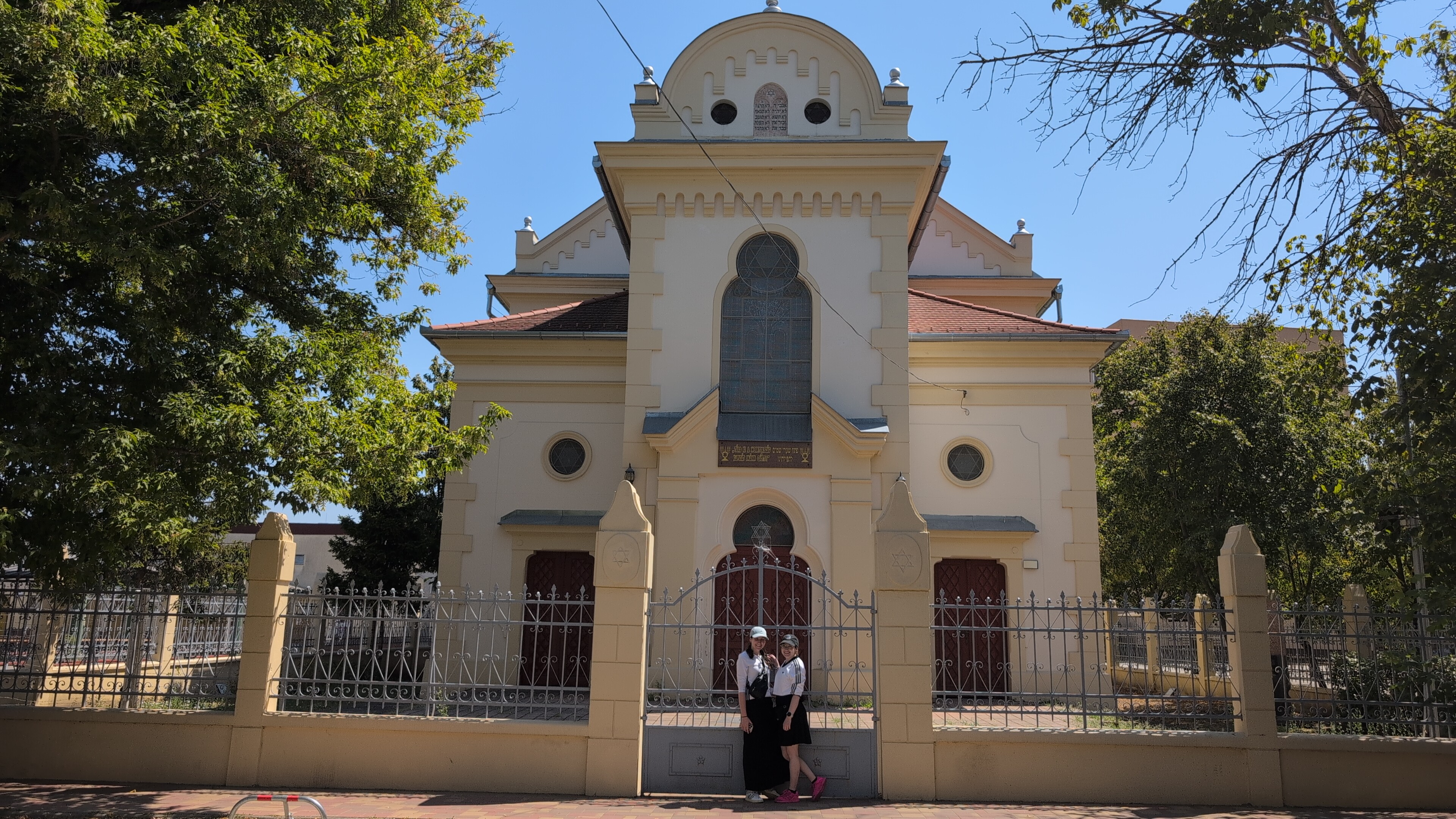
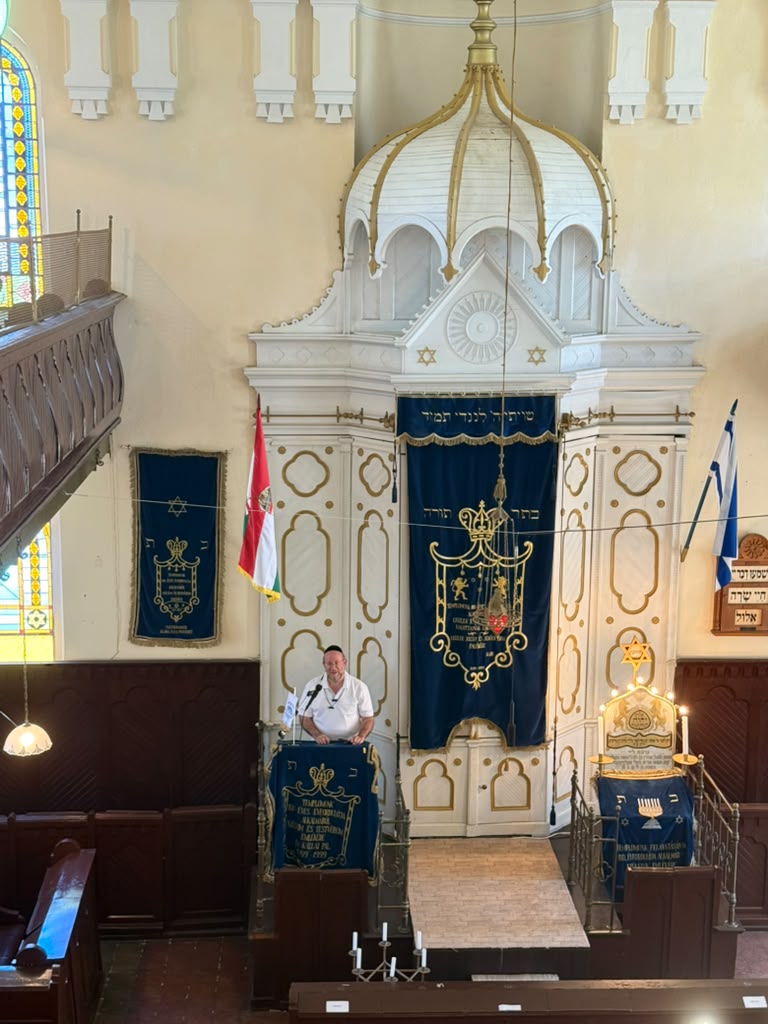
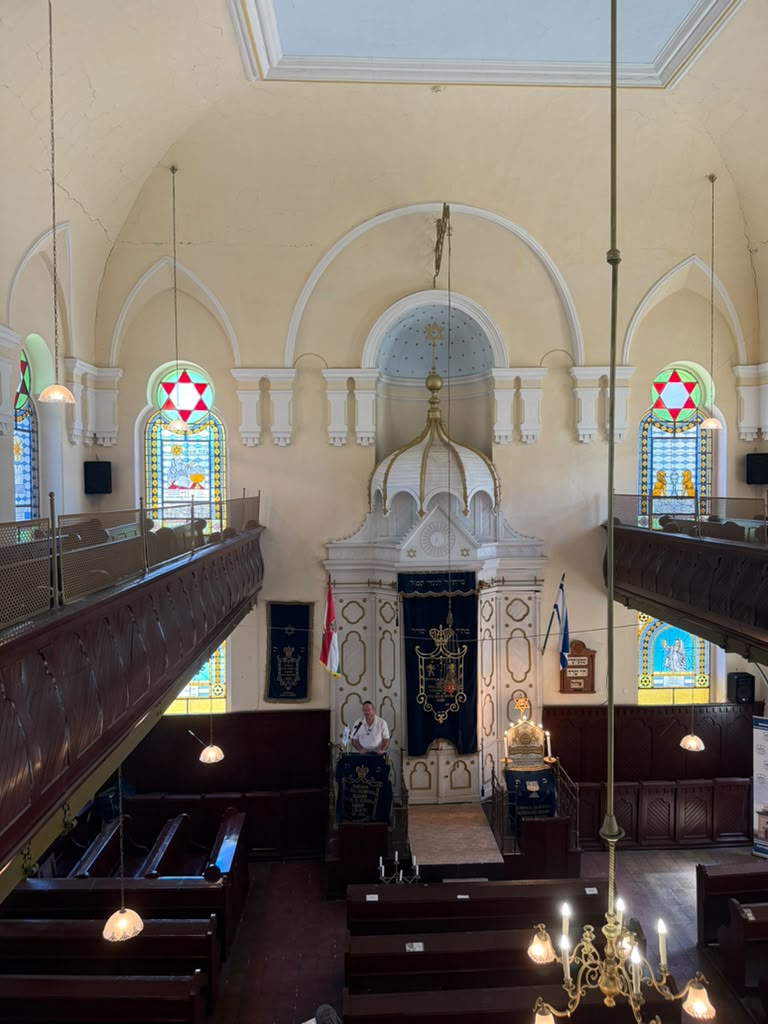
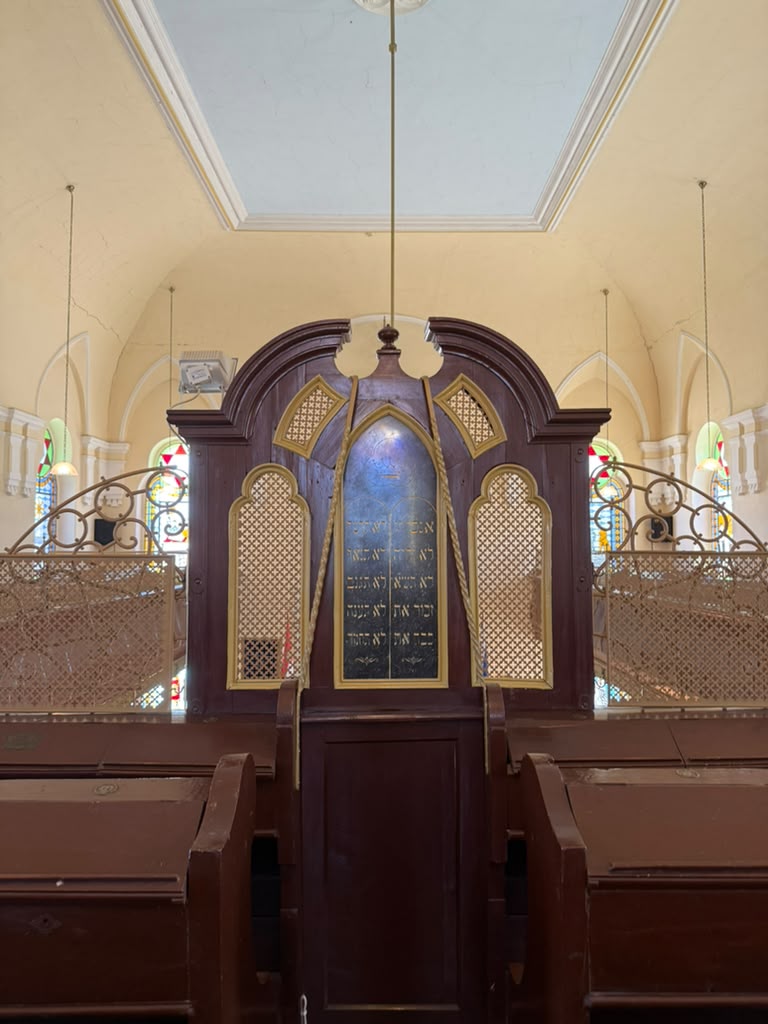
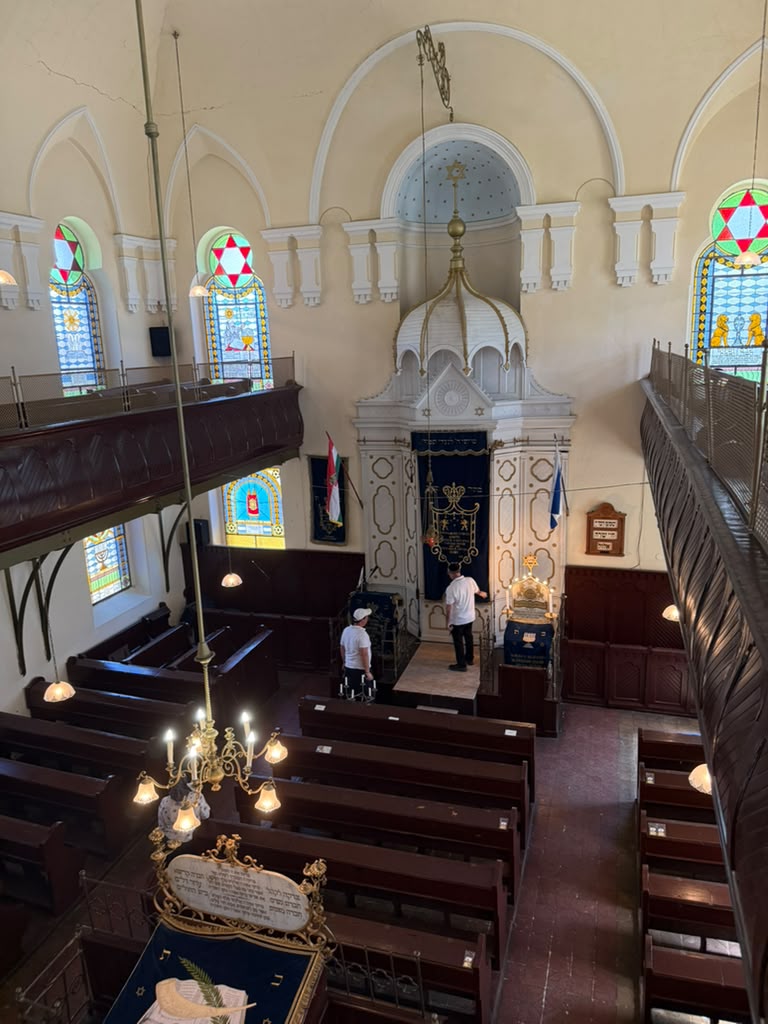
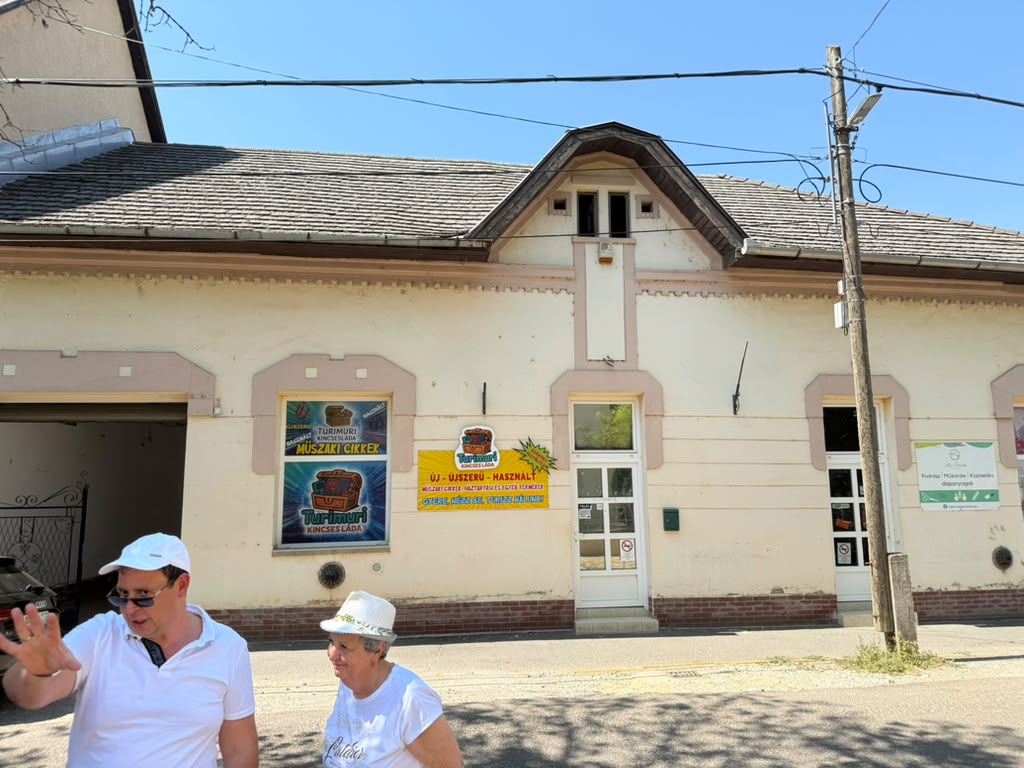
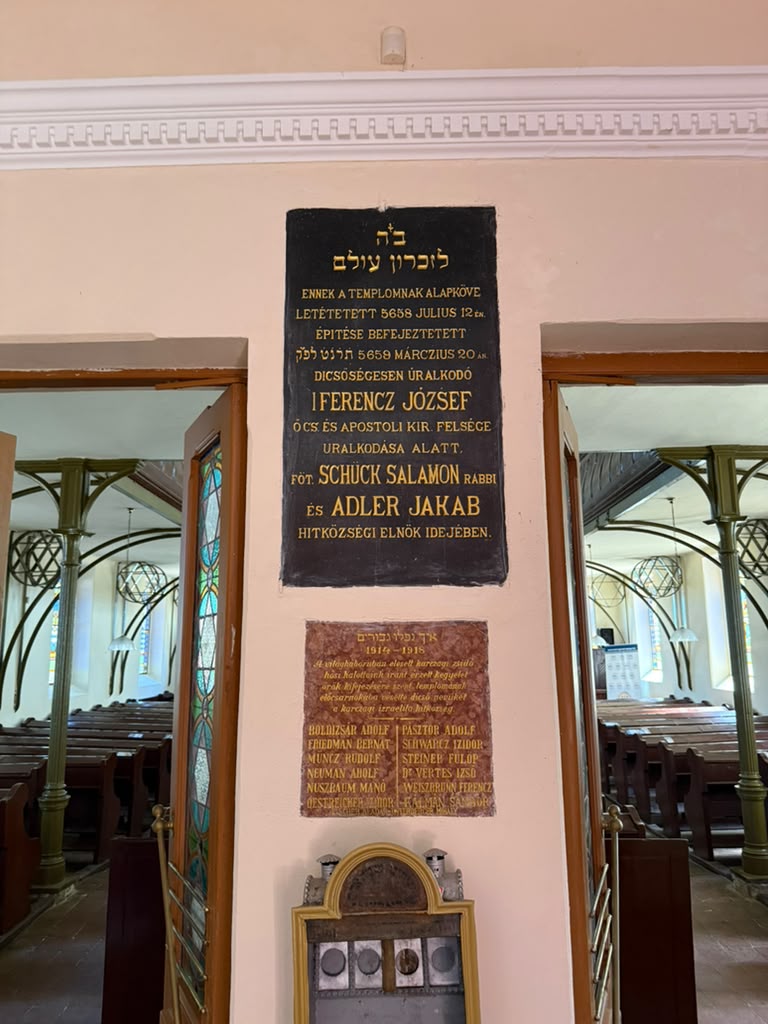
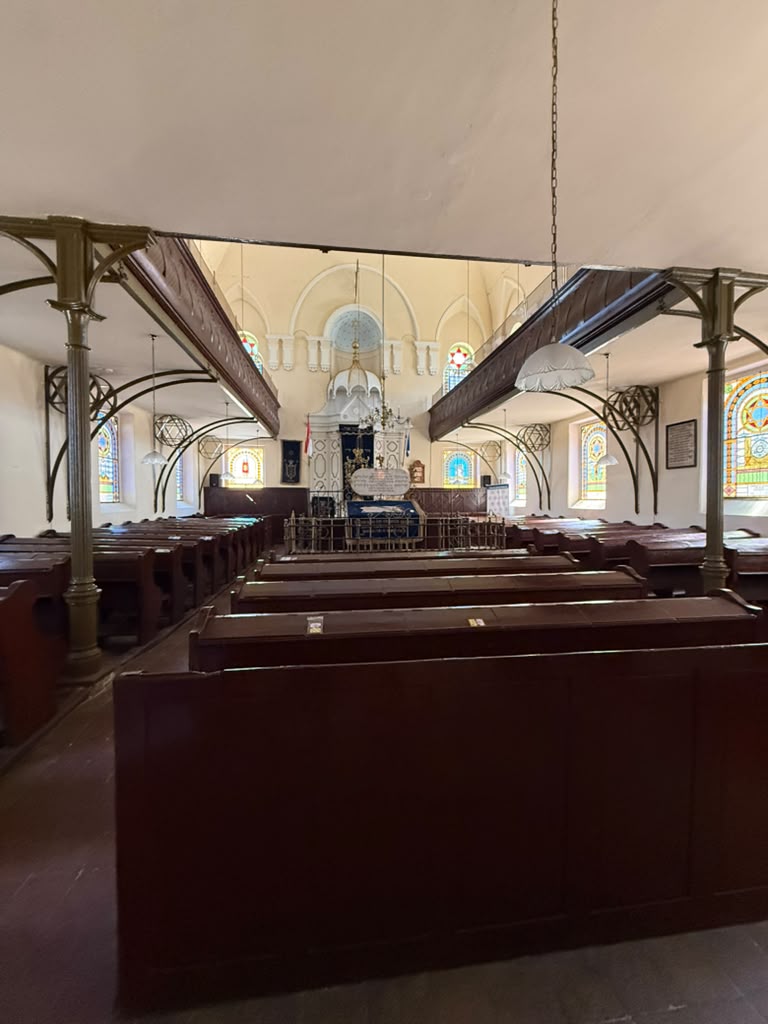
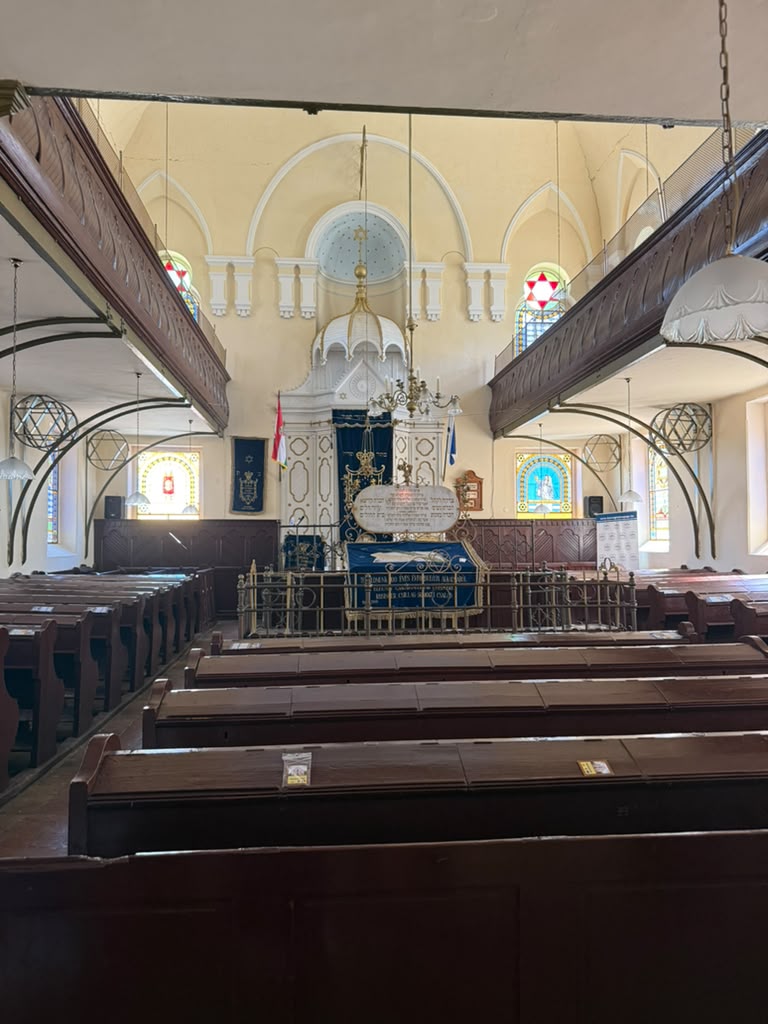
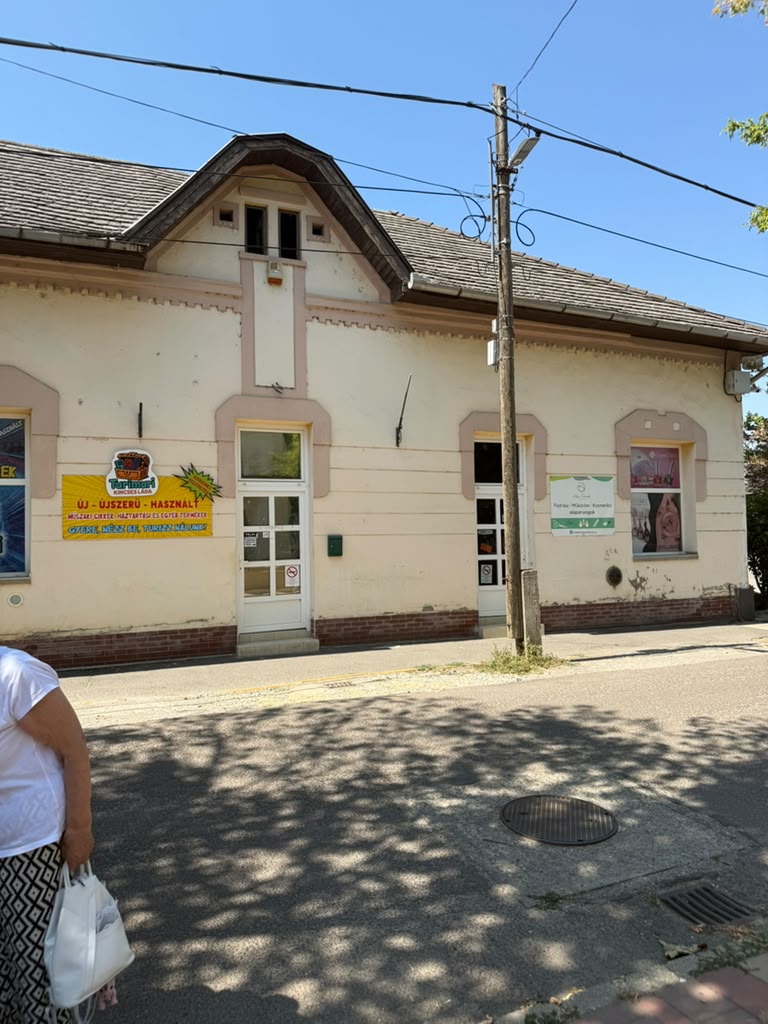
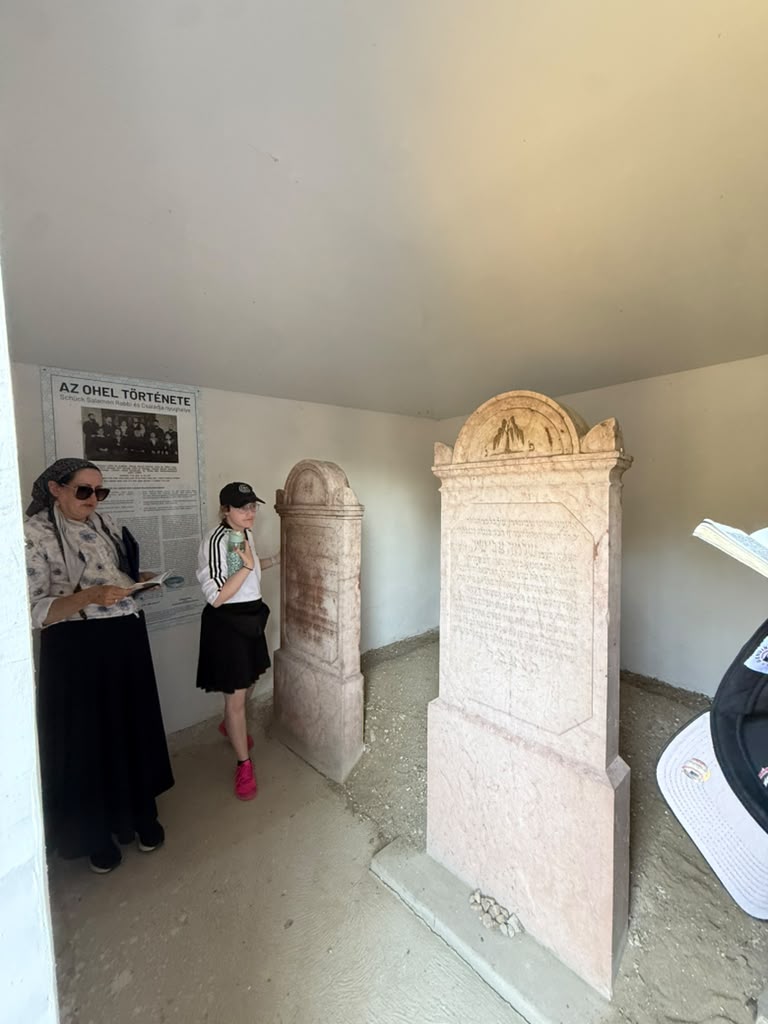
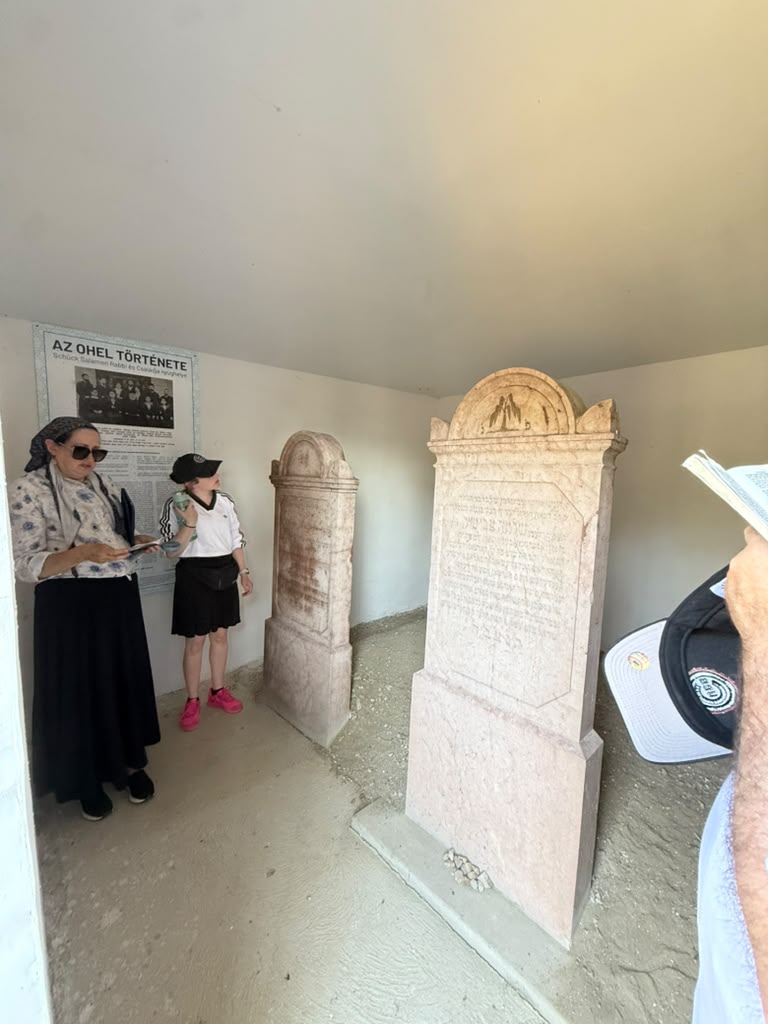
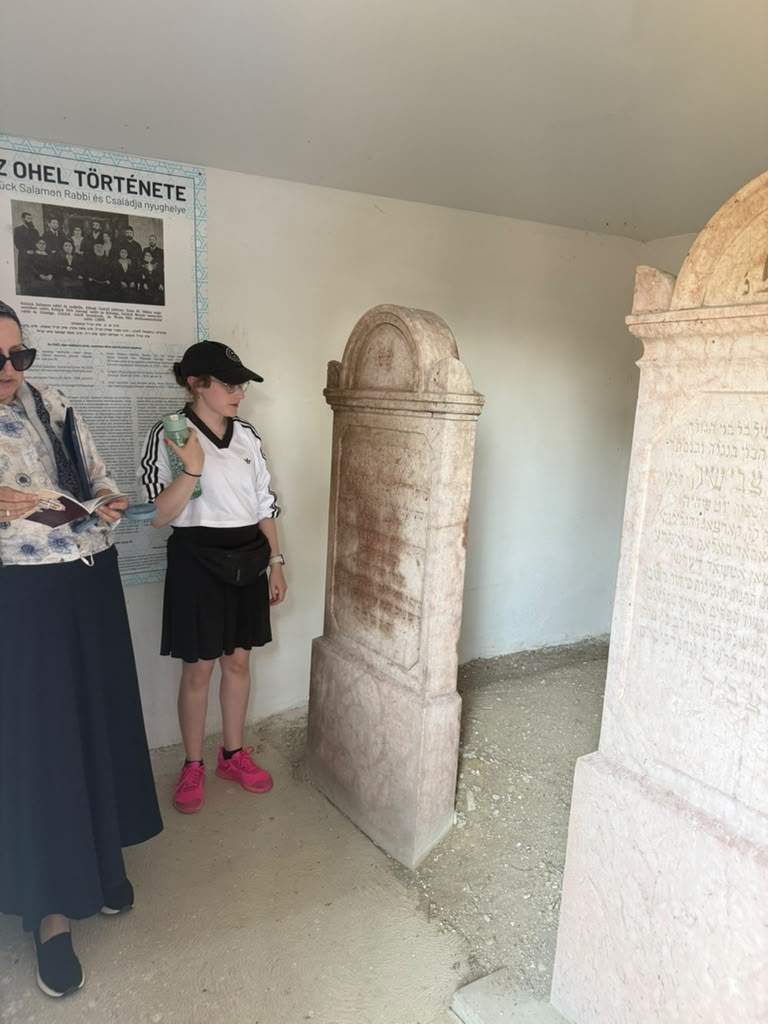
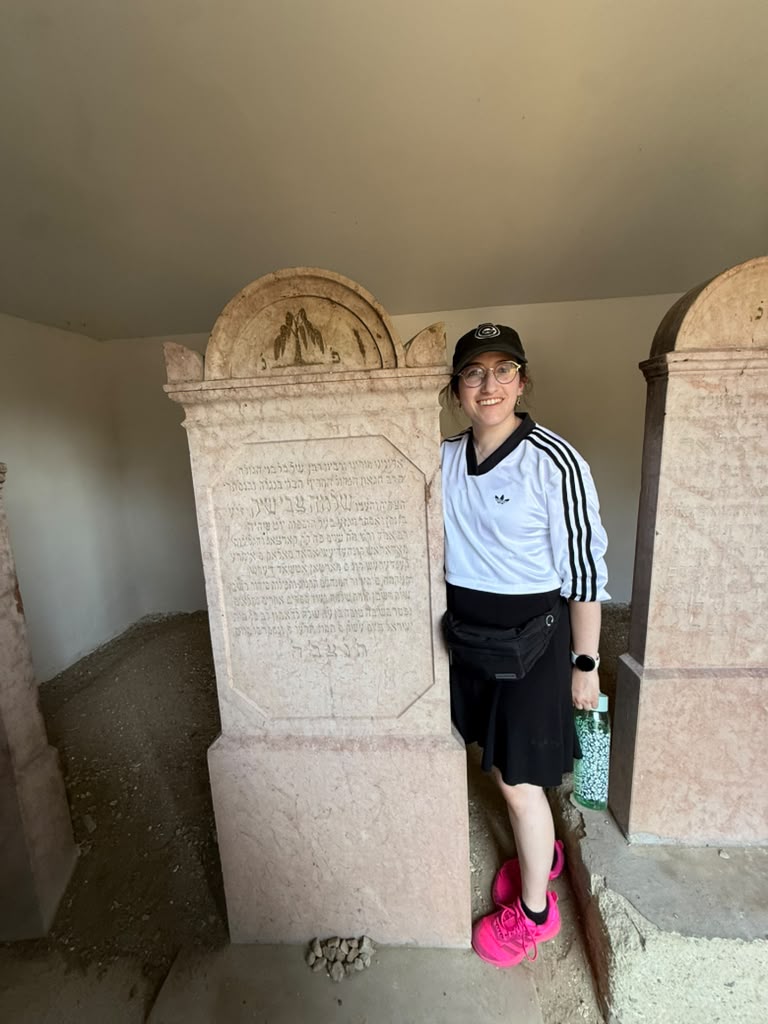
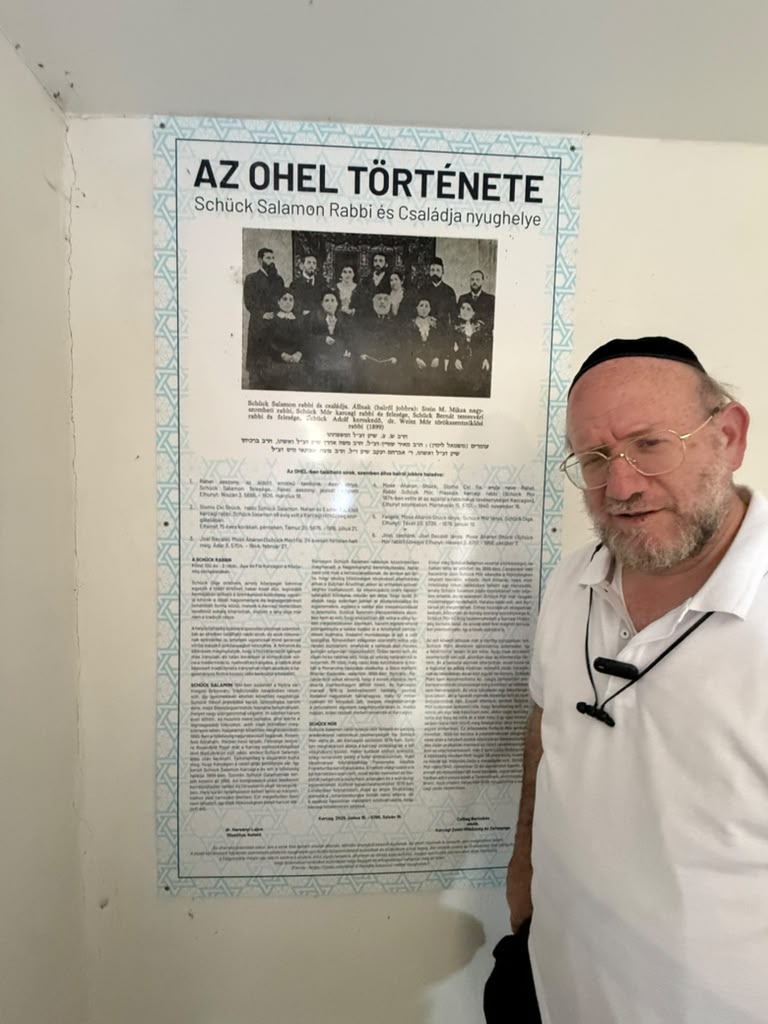
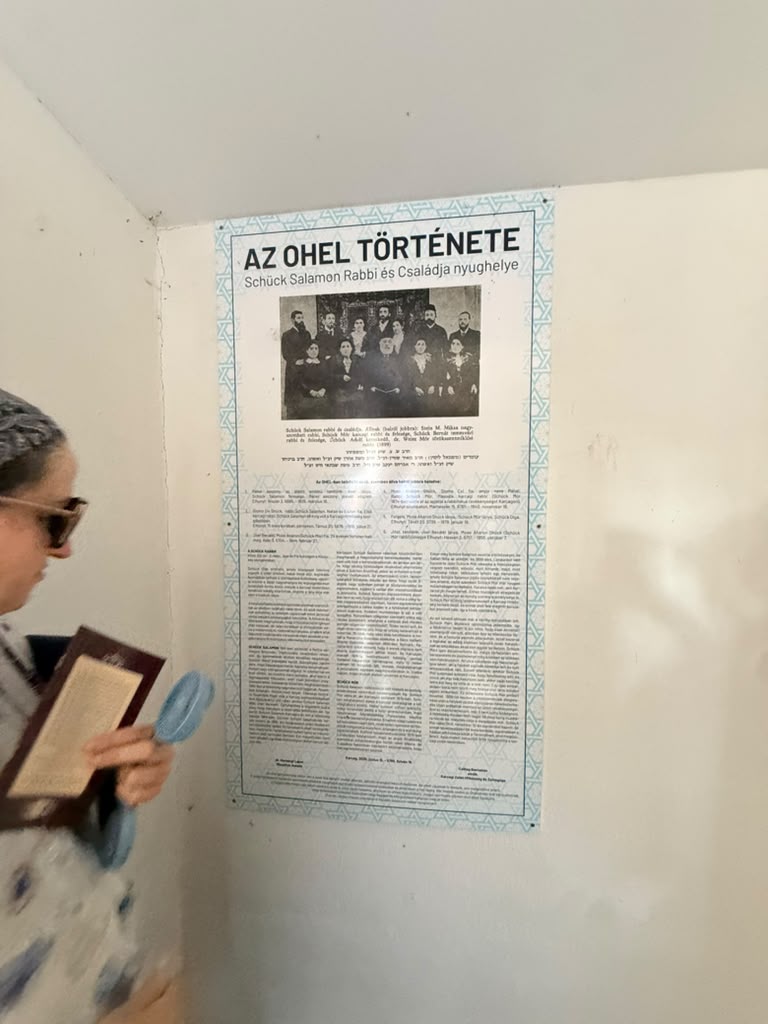
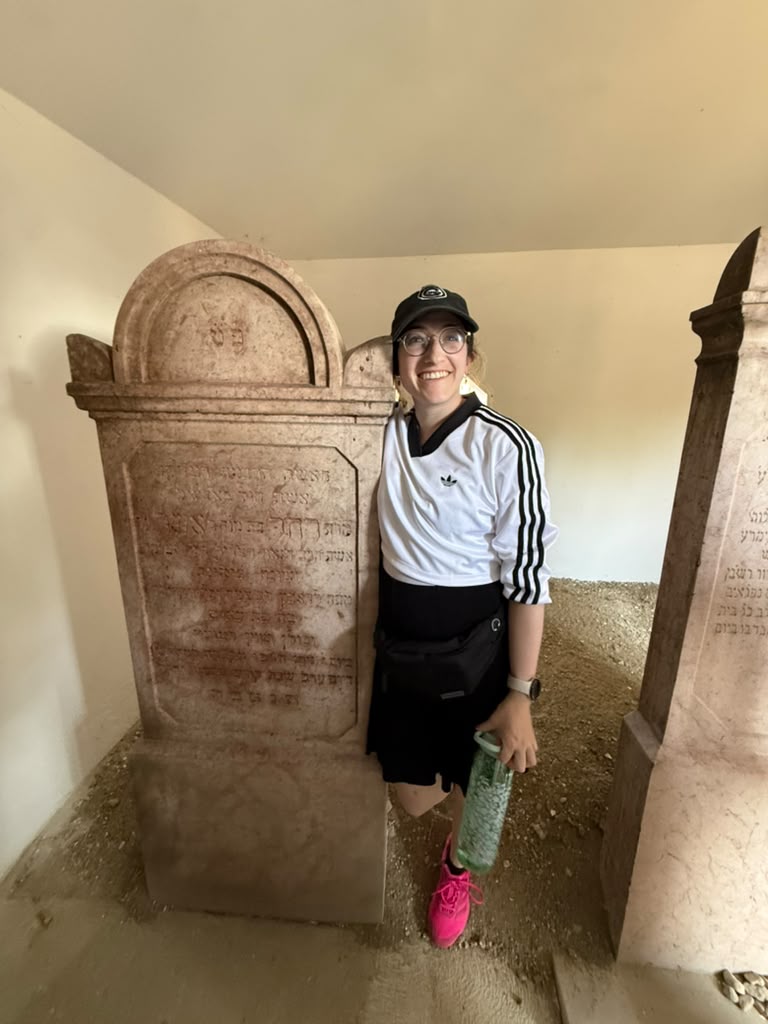
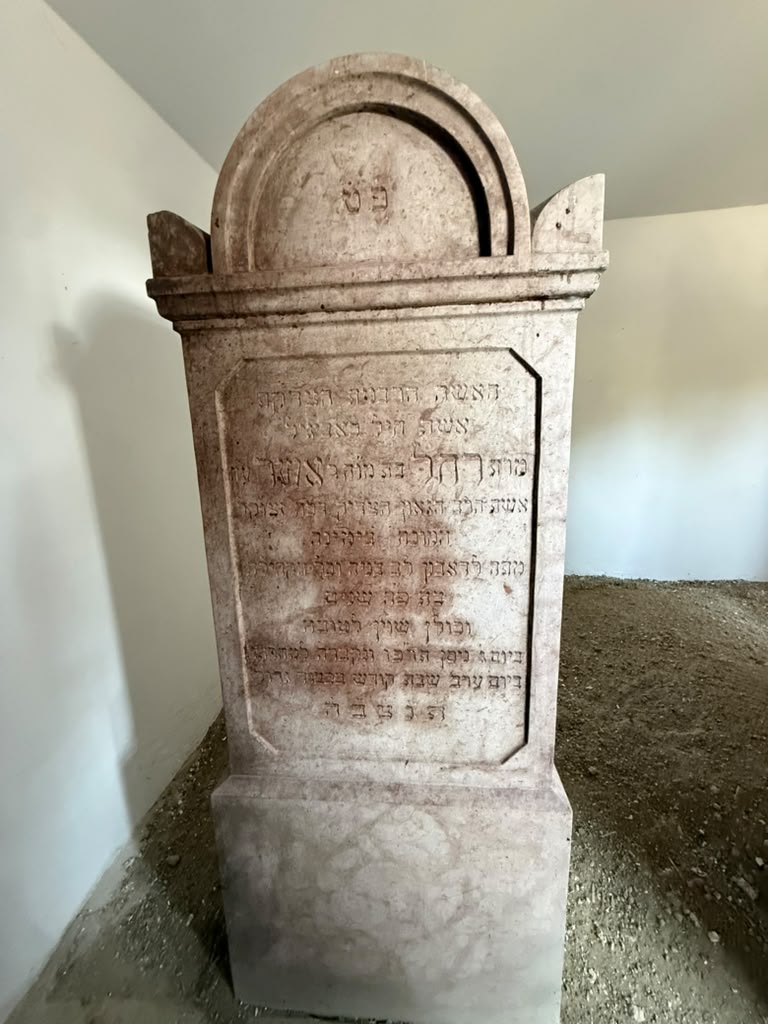
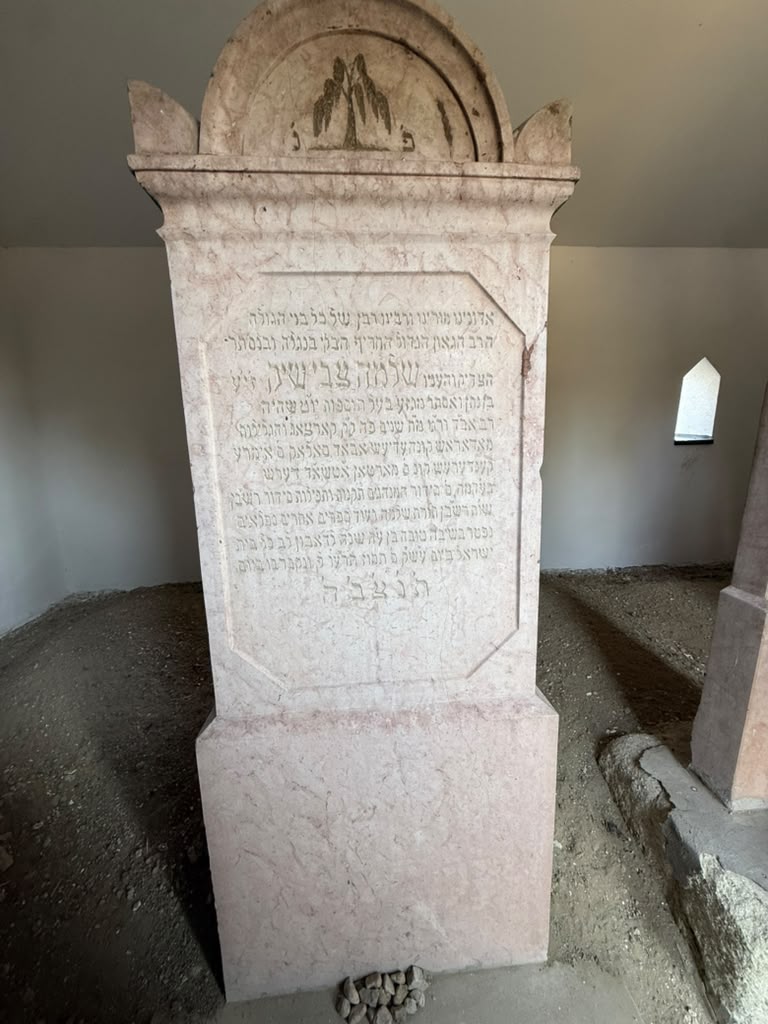
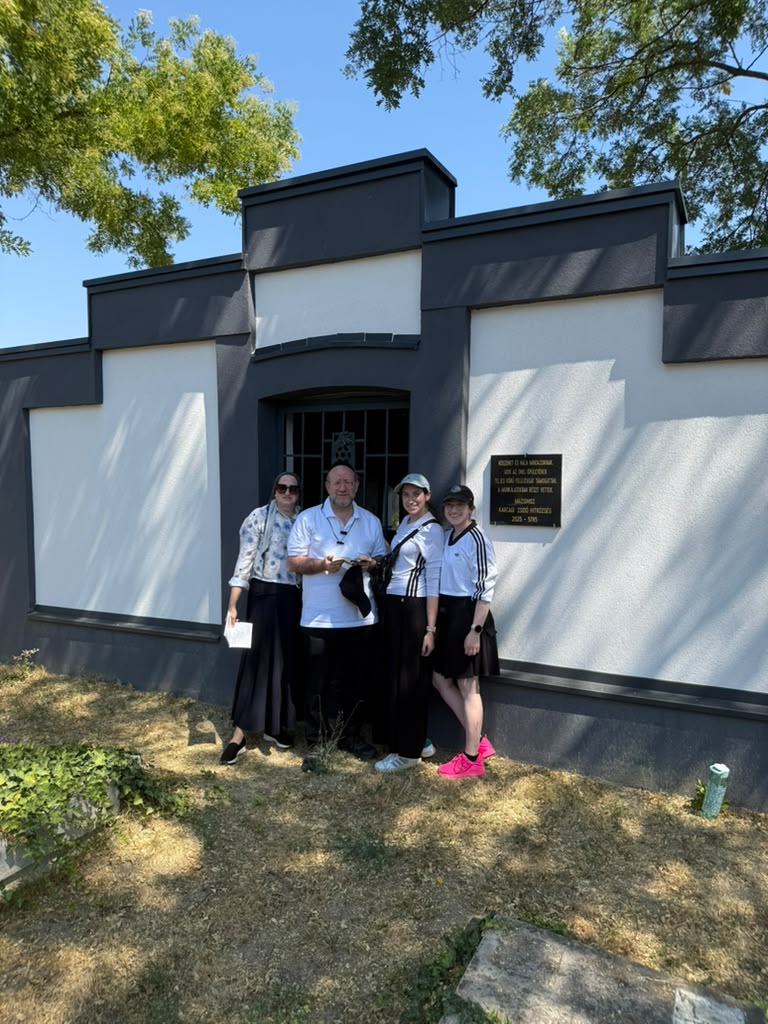
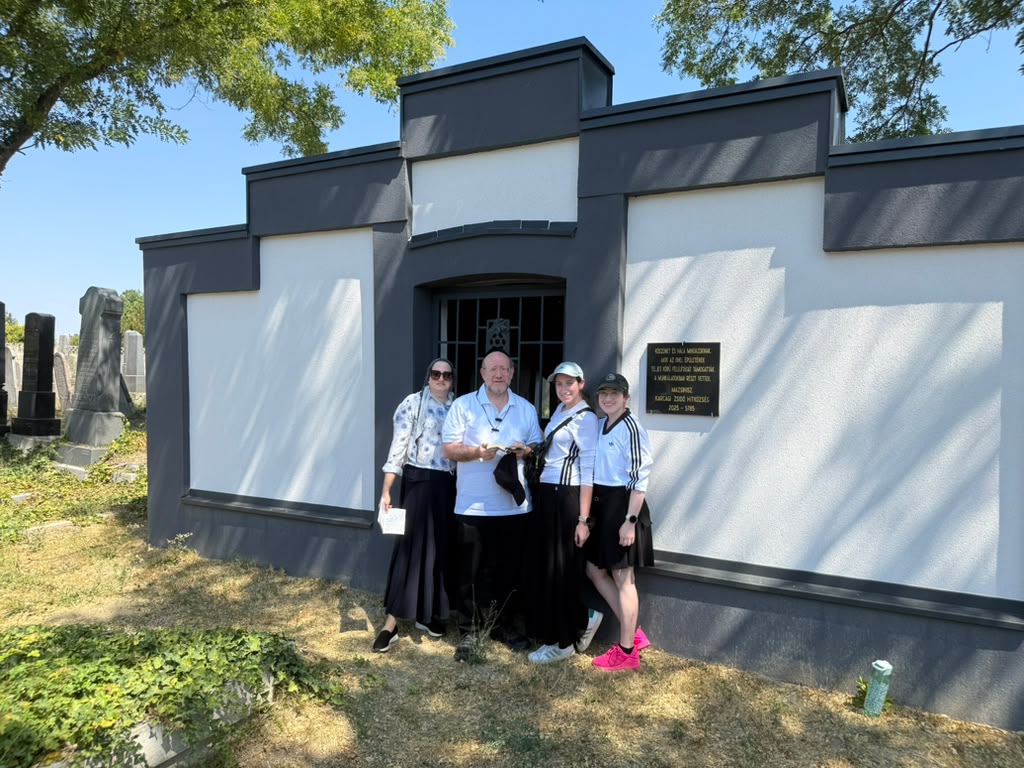
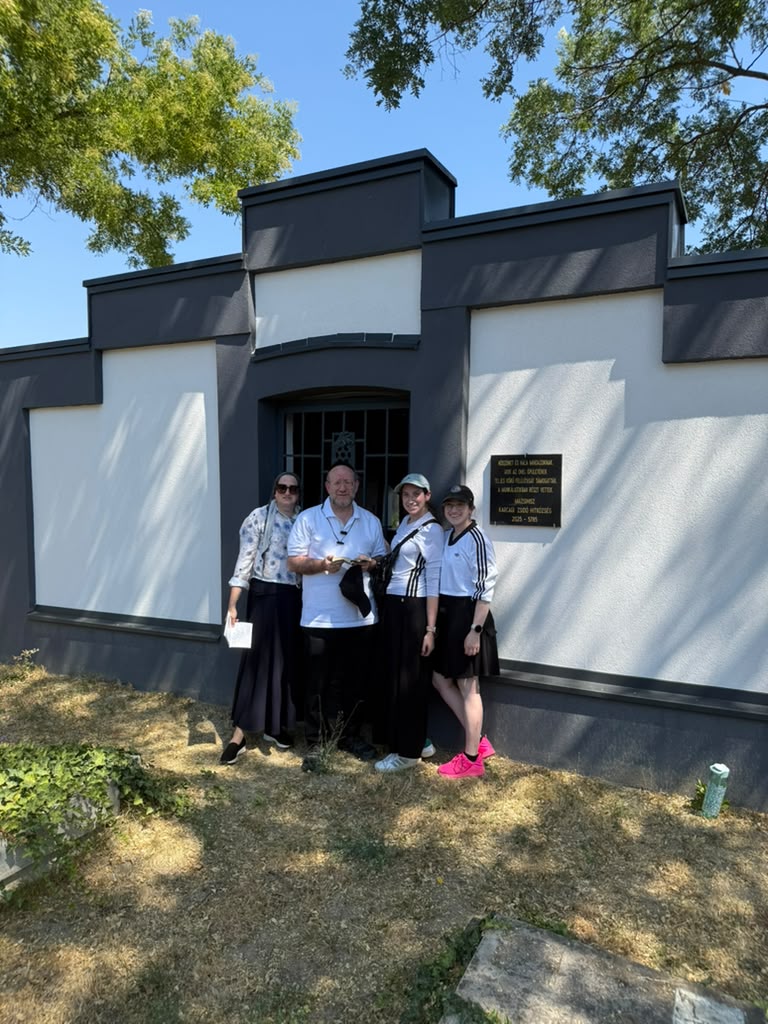
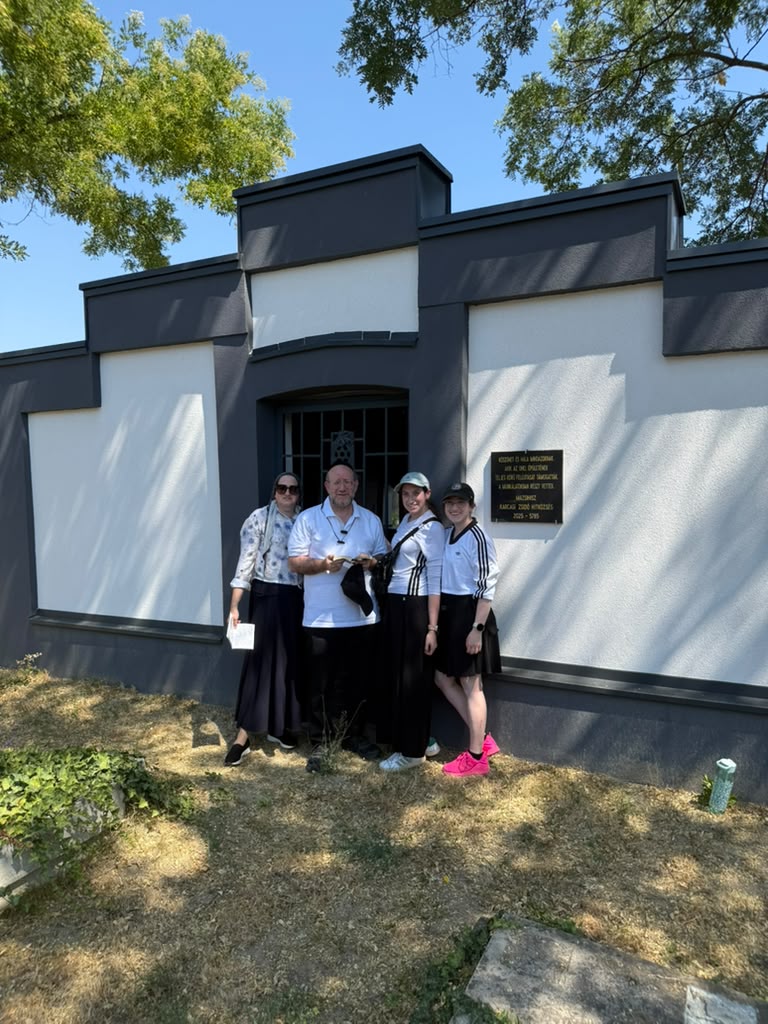
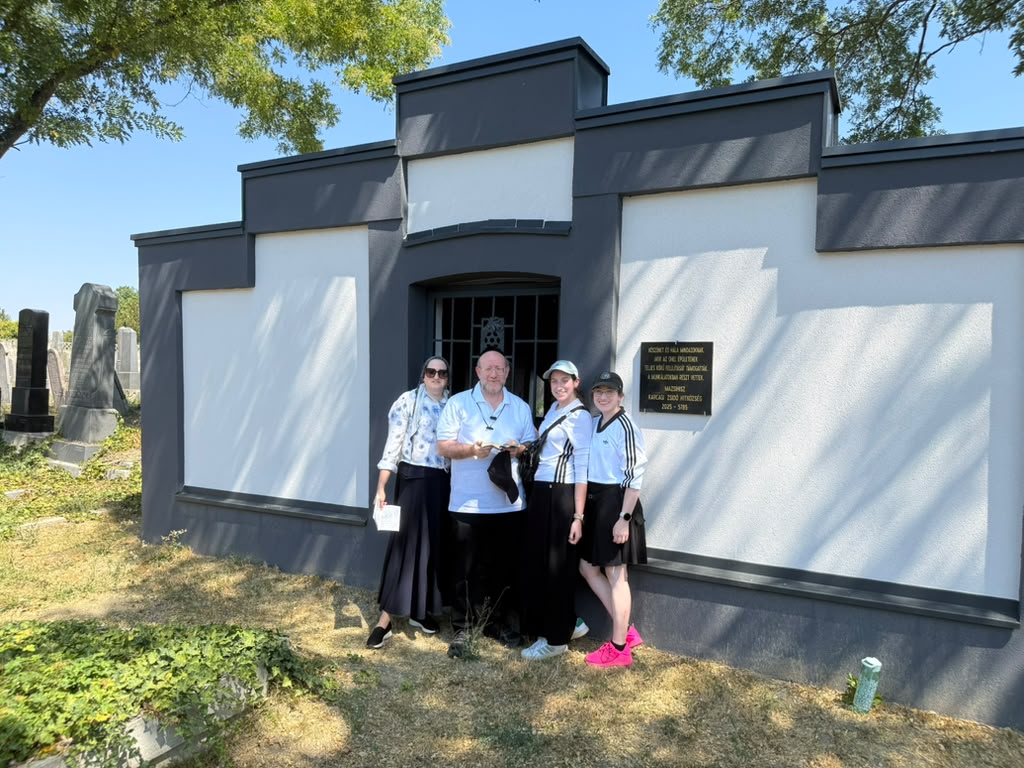
We are in the city of Karcag, in front of the shul — R’ Shlomo Zvi Schück, whom our family has affectionately referred to as the Zaida. It is hard to do this standing here. It is emotional. This is the city the Zaida led for so many years.
It is interesting. We have been speaking about our other ancestors, and every one of them moved — rav in Pilica, rav in Mikuláš, rav in Kraków, rav in Triesch. The Zaida was only ever rav in Karcag. He came at twenty-nine, he was rav here for forty-eight years, this was the only place he ever held a shtella, and this is where he is buried. And afterwards it was given over to one of his own sons — which tells you something about his standing here, and about how well liked he was.
Although his life was tough. It was very challenging.
As we said in the introduction at the kever of the alter Zaida, R’ Pesach Singer — Hungary at that time was going through its own crisis in Yiddishkeit, with the Orthodox, the Status Quo and the Neolog.
The Zaida was very strong, and the Zaida was in the Orthodox camp. But the Zaida held that you have to reason with the Status Quo and deal with them — and he would say the same even about the Neolog, because the Zaida did not want them lost, and did not want a tear down the middle of Klal Yisrael. He was very concerned about that. So he could be labelled a moderate of sorts — although we know he held extreme opinions in both directions on any number of things. He was fighting his whole life.
The Zaida was a talmid of the Maharam Schick, who was also his second cousin. The Maharam Schick was very strong, and the Maharam Schick was a talmid of the Chasam Sofer, on the very front line. Those were the men who, together with the chassidim, brought about the split. And the Zaida was attacked over many of his teshuvos and many of his opinions.
Even coming here — Karcag was a Neolog town before he came, or perhaps Status Quo. The Zaida wanted to join as Orthodox, and he stayed that whole time. He never joined with the Status Quo. And yet his community was about twenty-five per cent shomer Shabbos. Most of them were not.
There were certain matters that came about because of the government and because of the times, and the Zaida held very strongly about them. One of the big issues then was metzitzah at a bris.
It began in Vienna, earlier — some children died very young, and it was attributed to a mohel who had some sickness, and that this was what spread to the children. It was never clear.
The shaila first came to the Chasam Sofer, and the Chasam Sofer was matir to do metzitzah with a sponge. Very interestingly, that particular teshuvah of the Chasam Sofer never made it into print among his teshuvos. It was brought to light later, in other places. And so some say it was only a hora’as sha’ah — a ruling of that moment, because of the government, because of the tumult, because of the sakana.
The Zaida in some of his teshuvos quotes it, and quotes it strongly. The Maharam Schick, on the other hand, was very strong and extreme the other way: that you go with the mesorah. The Zaida’s position was that there are times, and it can be done — because you do not want to end up with the bris milah itself being given up. The Zaida has many teshuvos on this in Shu”t Rashban, and you can see his thinking work through it.
So the Zaida was fighting for a middle position. And again — not the middle position of joining the Status Quo. That is not what he was. Some people fight from the left because they want this and they want that and they want the other. That was not what the Zaida was about. The Zaida was strong Orthodoxy, and yet a centrist, moderate view of fighting for Klal Yisrael at that time.
And therefore the Zaida was attacked from both sides.
From the right — from the chassidishe world — the Zaida was not counted. We know what was said about him on shaving, and on this and on that; and we will talk later about how his son Rav Berachya defended him.
And the left did not like him either. The Neolog did not like the Zaida, because the Zaida was a fighter. He dressed in a modern sort of way. He spoke differently. He used Hungarian.
He was different, and he was fighting his whole life on both sides. And yet look at his children and his family — some of his children married into the families of chashuve rabbonim. That marriage into the Singer family is one we will come back to when we get to Várpalota.
What he never managed was a yeshiva. The Zaida wanted one here, a yeshiva or a seminary, and he was never matzliach in it. In the day school he actually went a little to the left — up until fourth grade they taught secular studies here in Karcag.
What personifies the Zaida is a vort he says in Mishpatim, on kol almanah v’yasom lo se’anun — you shall not afflict a widow or an orphan.
The Zaida takes the extra nun at the end of te’anun, and says that the nun minimises. Minimises what? In a beis din there are dinim — there are things you are permitted to do to a man and things you are not. Says the Zaida: when it comes to an almanah and a yasom, even the things you are permitted to do, you are not permitted to do.
That is his chiddush. We always understood the mitzvah as making sure you treat them the same. What the Zaida says is make sure you do not afflict them at all — because this one is an almanah and this one is a yasom. So even what you may do to anyone else, with an almanah and a yasom you may not. You have to go overboard to make sure they are safe, and whole, and that they keep their dignity.
That says something about the Zaida.
To fight for your convictions — but with your rabbeim. And the Zaida was constantly with his rabbeim. His rebbe was the Maharam Schick, and the Maharam Schick was the extreme one, and the Zaida went with him. Did the Zaida disagree with the Maharam Schick sometimes? Yes. But the Zaida was always rechoning with the Maharam Schick, because the Maharam Schick was his rebbe. And that is why the Zaida wrote his rebbe’s whole biography.
So we should take the Zaida’s conviction, and the Zaida’s love for Klal Yisrael, and it should spread and inspire us and inspire the family. In a few minutes we go inside, and we will be more inspired there. His hashpa’ah of conviction and his hashpa’ah of love for every single Yid should be strong among us, and it should be a zechus for the mishpachos — and we should see yeshuos, refuos, nechamos and geulos.
The Zaida, as we affectionately know him. We spoke before about the shul, and we will go back to the shul now.
The Zaida says that there are four reasons a person will not be oveid Hashem properly. Either from aniyus, from extreme poverty. Or from ashirus. Or from a person being lazy. Or the other way round — where a person has to work and work and work.
And he says that this is why Klal Yisrael needed the midbar before going into Eretz Yisrael. Eretz Yisrael was going to be ashirus right away; everything was going to grow plentifully, and all of those factors were going to be there, any of which could lead to not being oveid Hashem.
So they had forty years in the midbar. There was no aniyus, because the mon came every day. And yet there was no ashirus, because everyone had only enough for one day and nobody was able to store it. There was no laziness, because everybody had to go out and work every single day in order to get the mon. And yet nobody was working too hard, because you only did it in the morning and had the rest of the day afterwards.
The midbar was a preparation for Eretz Yisrael.
And the truth is that throughout life, the Ribbono shel Olam always prepares Klal Yisrael for the next dor.
So we hope that the Zaida prepared us properly for what we are going through, just as he himself was prepared for what he went through. Him, and the zekeinim, and the zaidas and the bubbas — and Shlomo Tzvi together with Rachel — prepared us for what we have to do. We should be giving them nachas, and they should be a meilitz yosher for the mishpachah, for all that we need.
The Karcag kehillah was founded in 1855, and for decades it was the only Orthodox kehillah between Debrecen and Budapest. The synagogue was built in 1899 in the romantic style, and it is the last synagogue in Jász-Nagykun-Szolnok county still standing in its original function.
The town’s own website records that Schück Salamon wrote the first history of the Jews of Karcag, and that he served the kehillah for forty-eight years from 1869.
office@interdeco.hu · +36 30 913 2897
Answers on Viber and by email; a voice call went unanswered.
The jegyző replied by email within hours — on a day their counter was shut — and put us in touch with Csillag Barnabás, who opened the cemetery. Email the town hall. It is the best way into a Hungarian village.
⚠ The old numbers on the family’s notes are dead: the Rosinger house line and the synagogue mobile both go nowhere. Do not spend time on them.
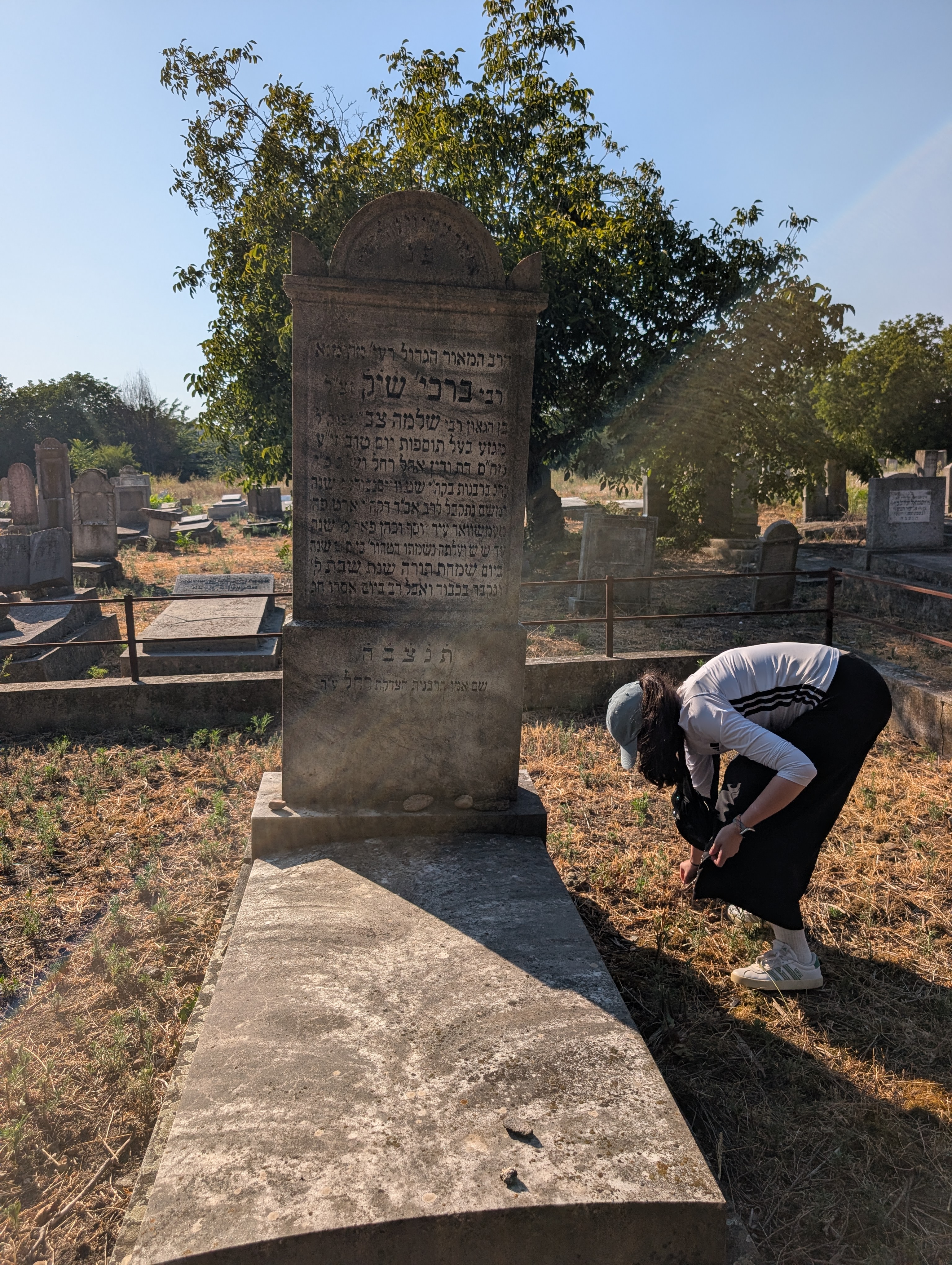
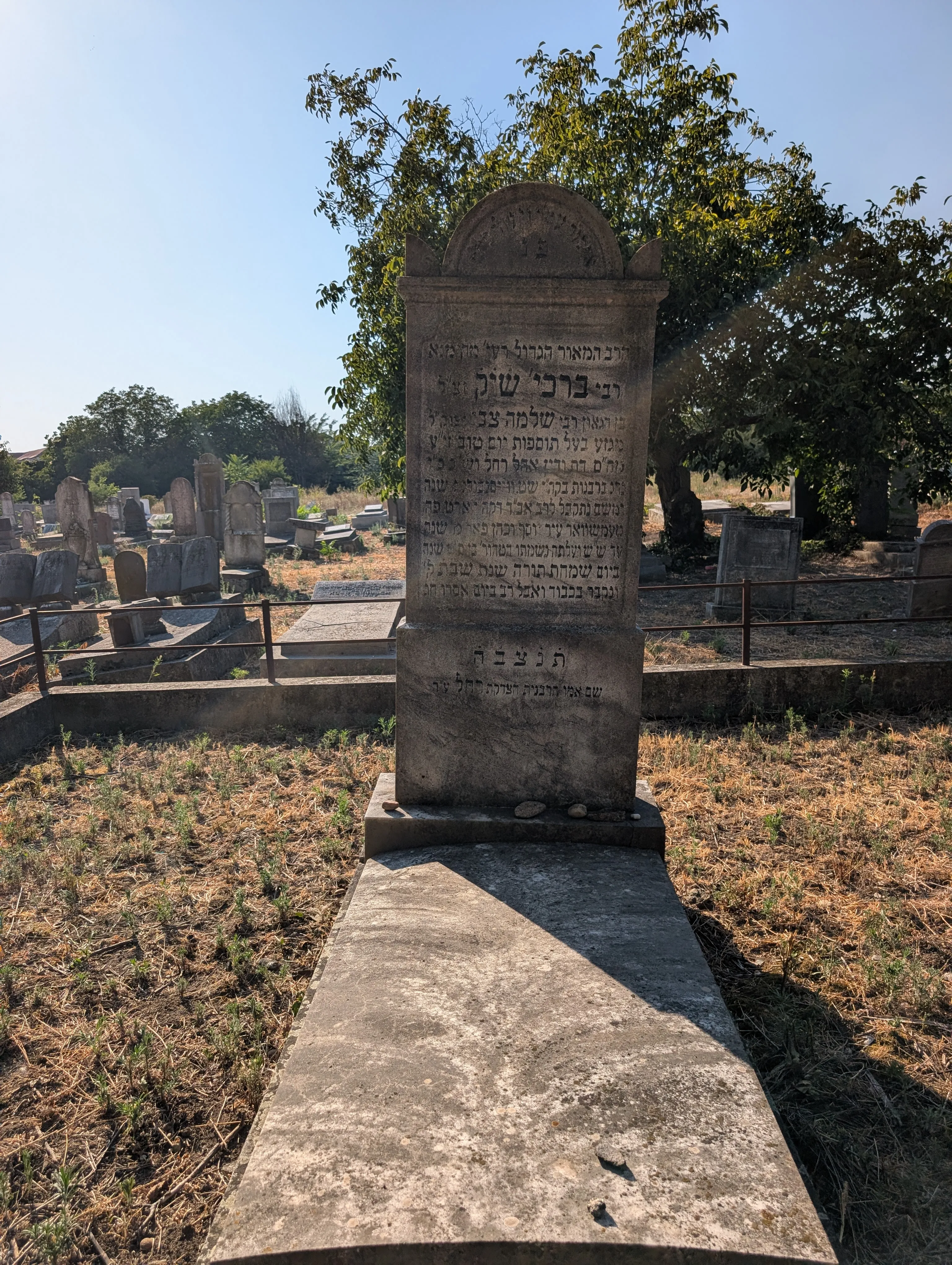
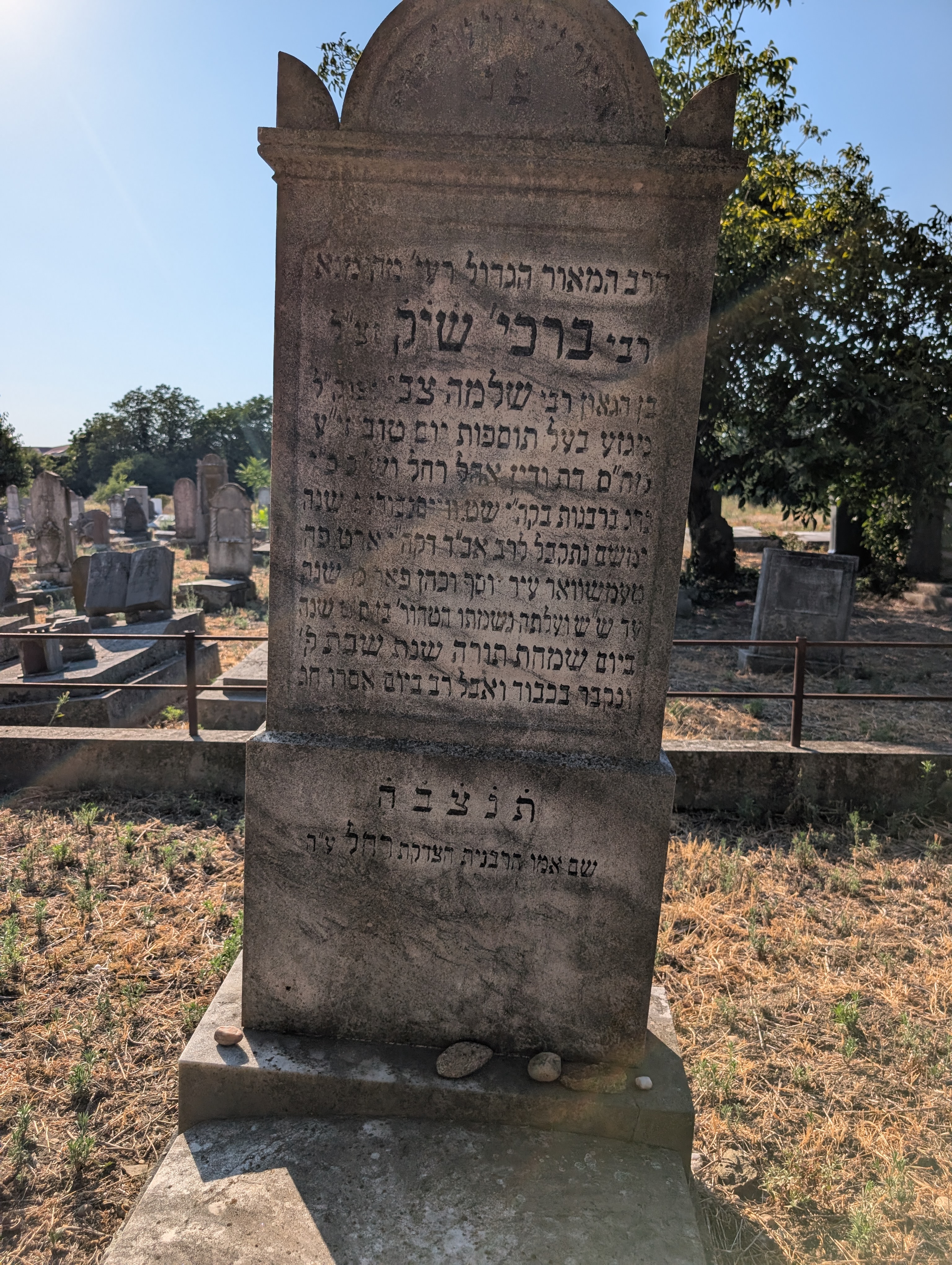
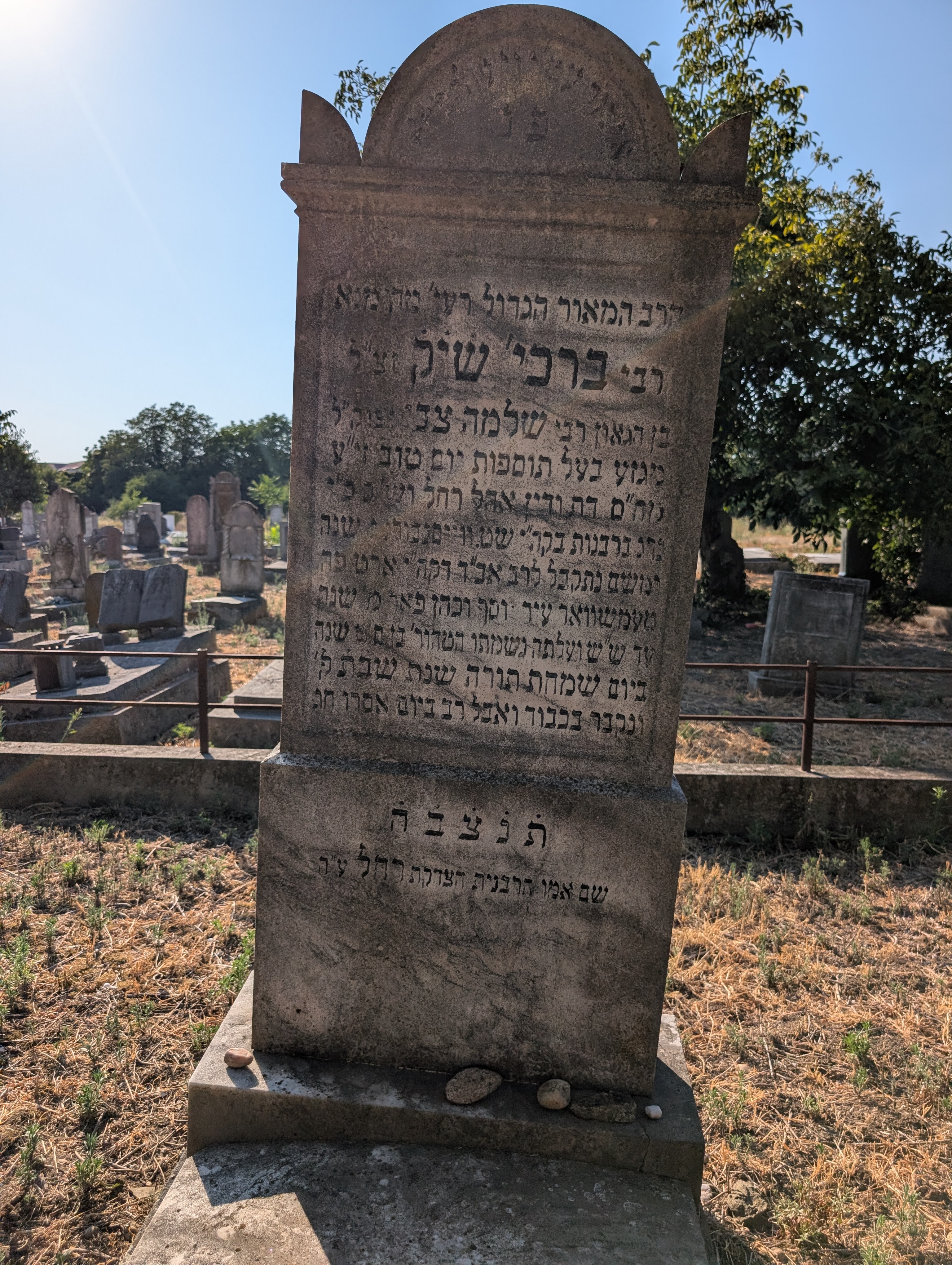
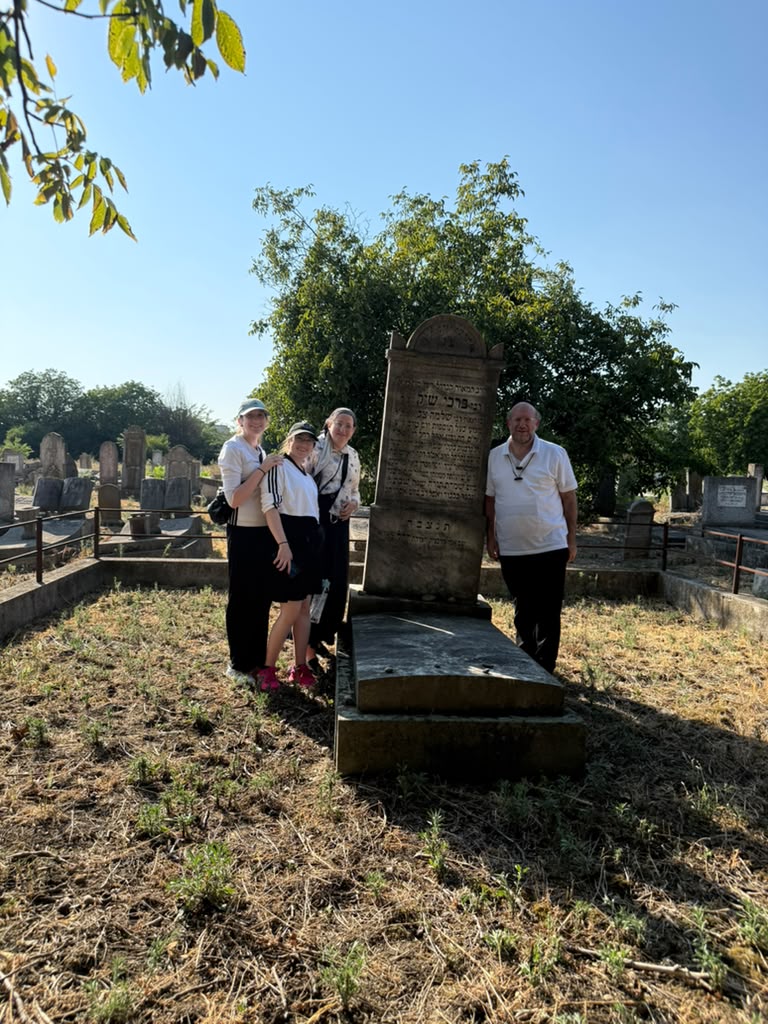
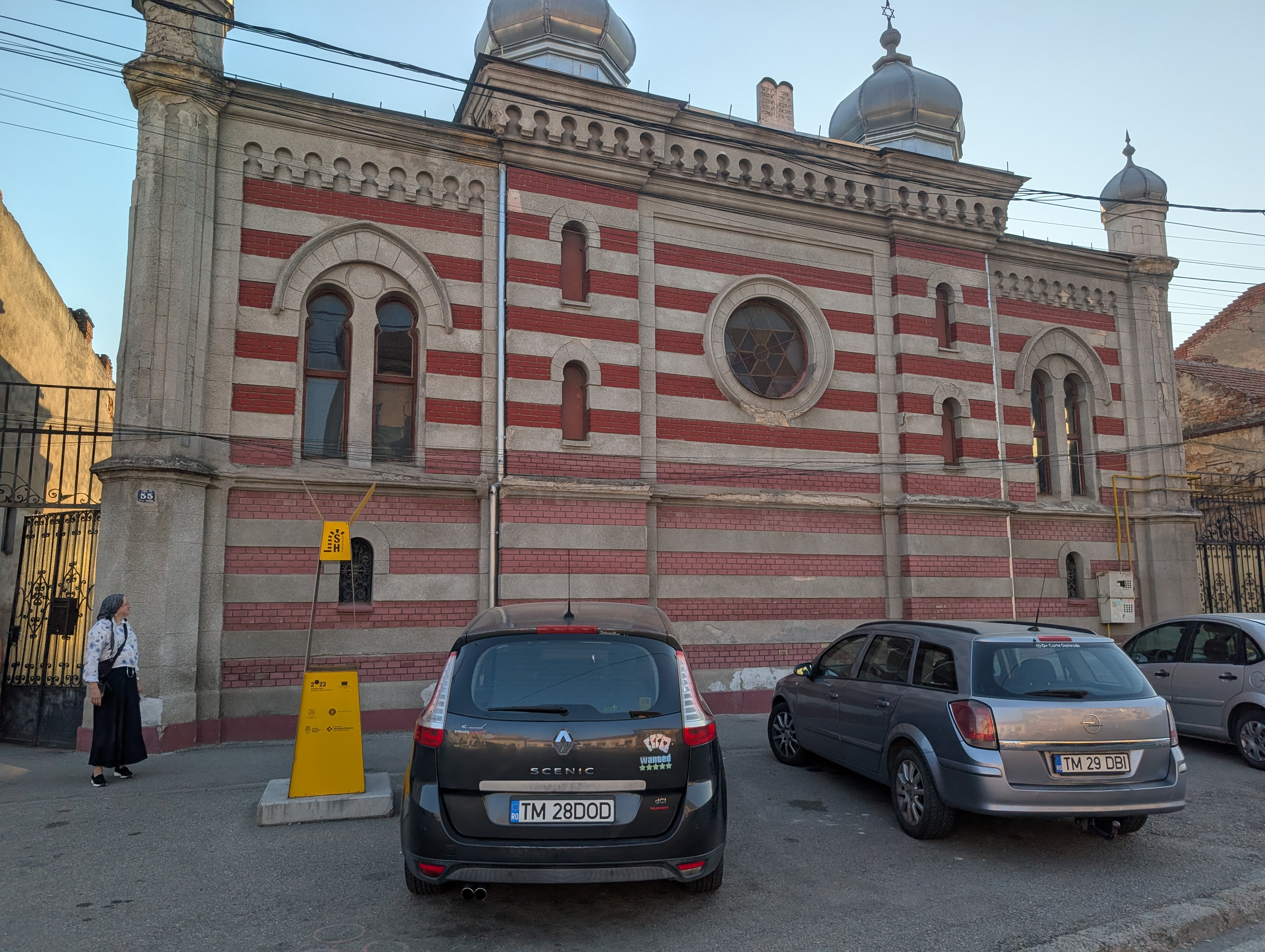
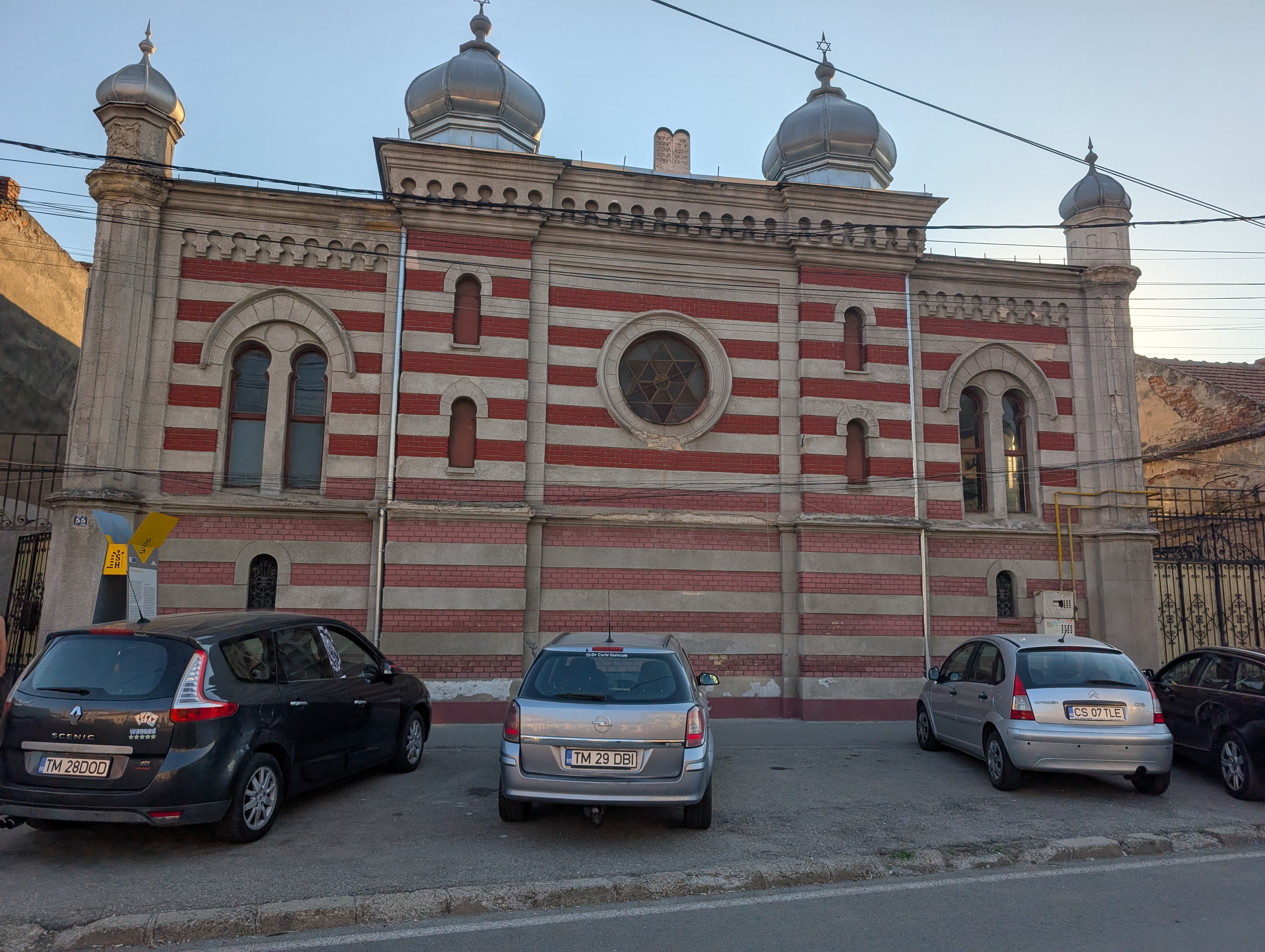
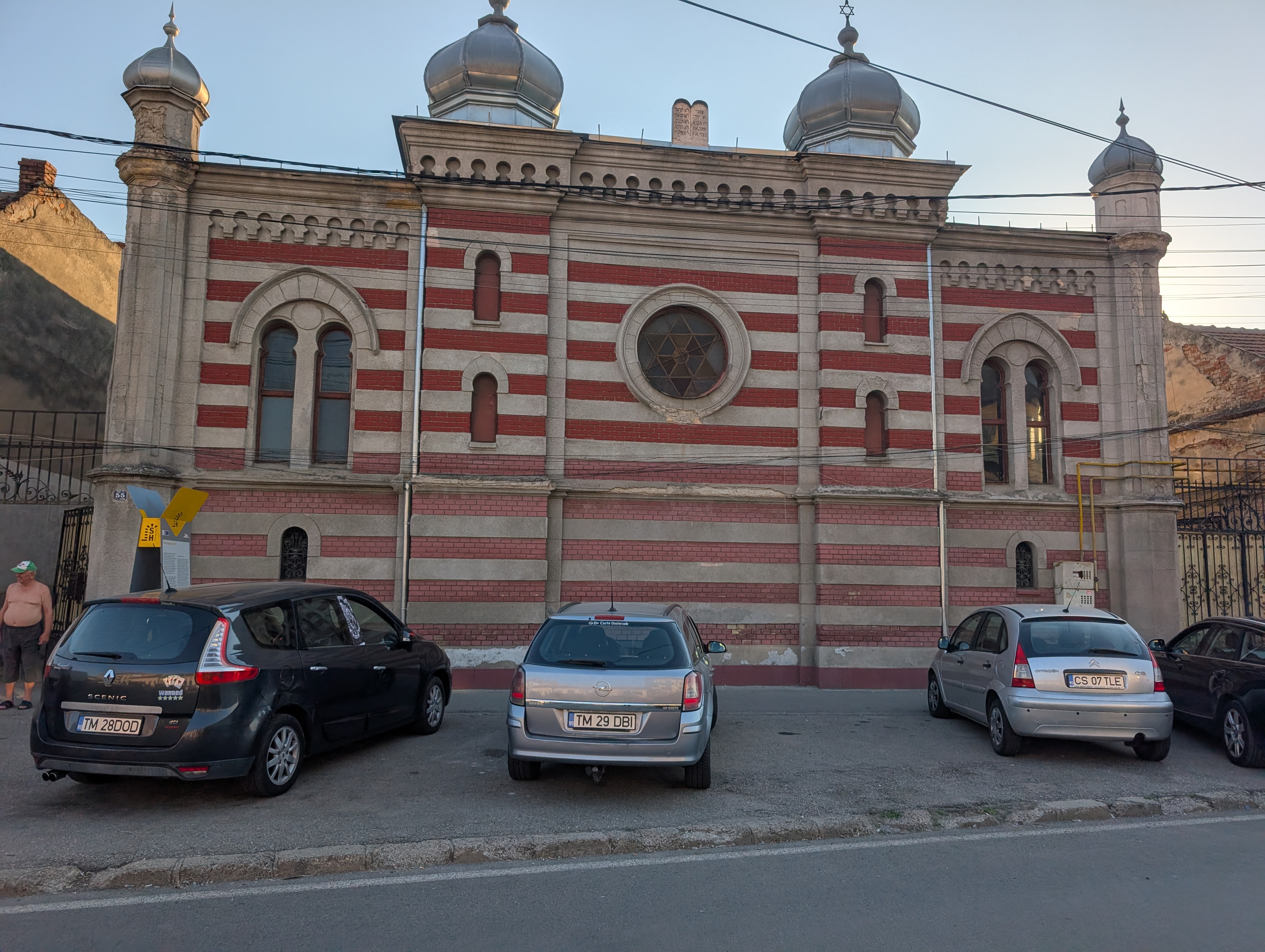
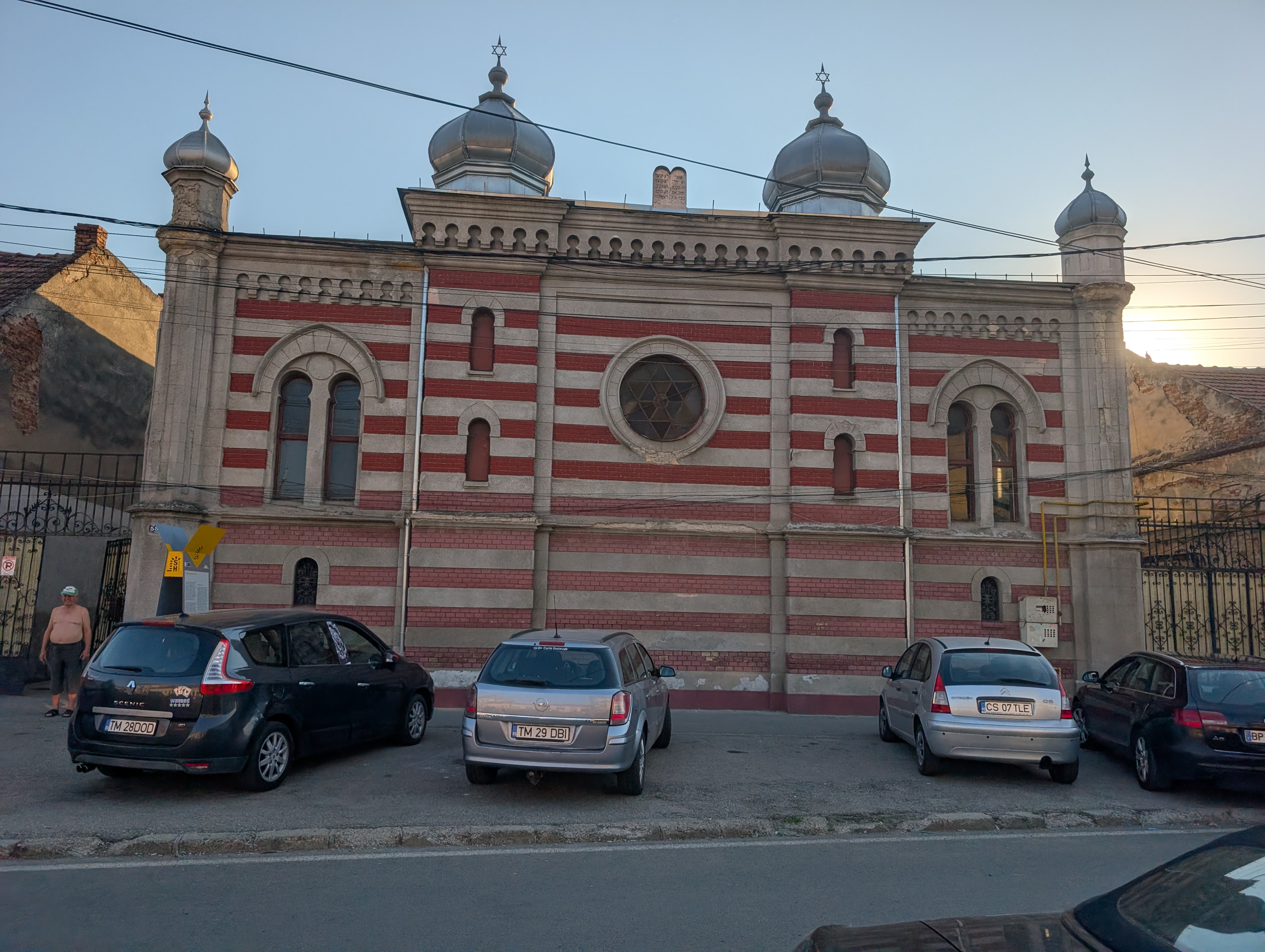
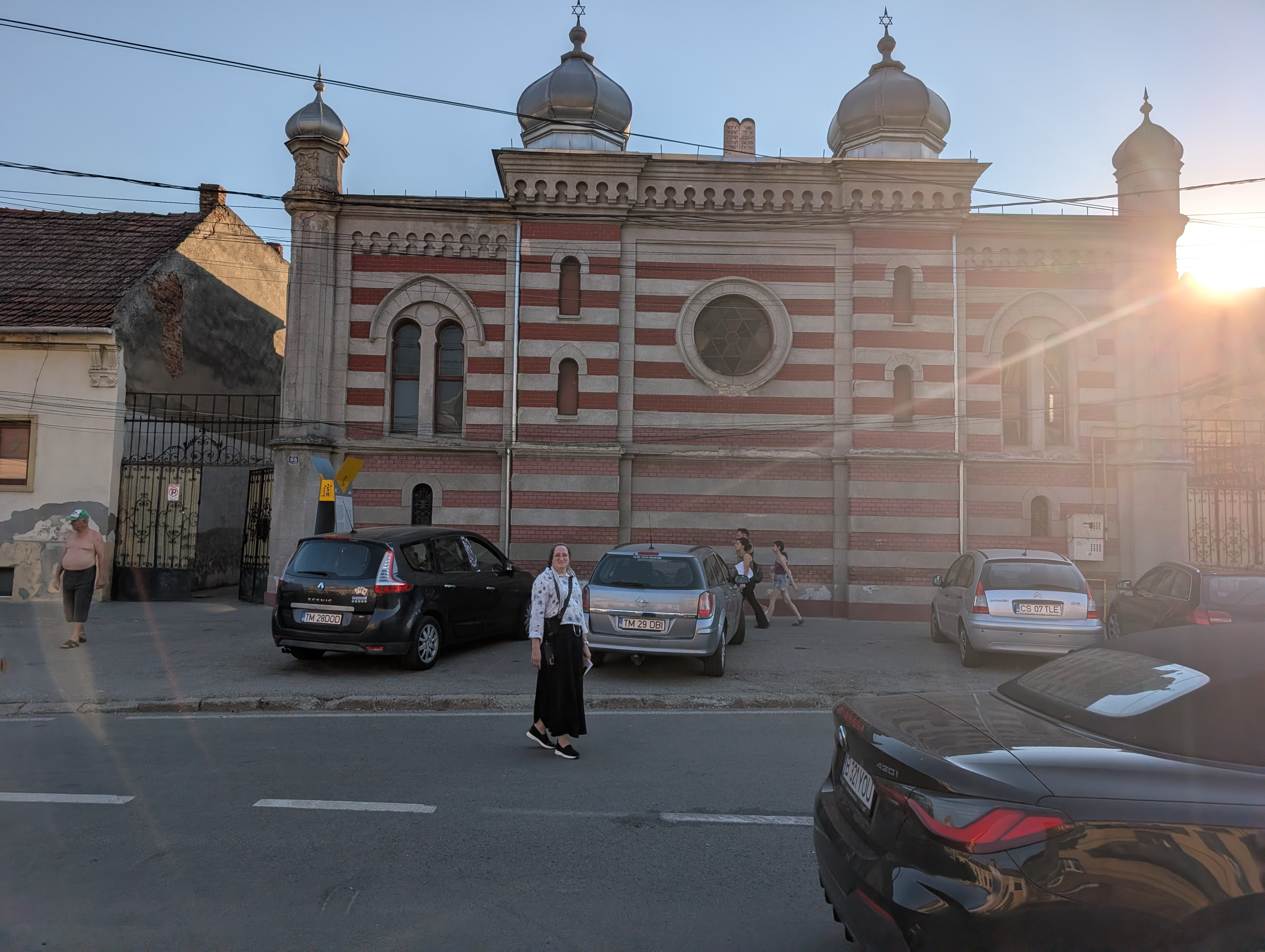
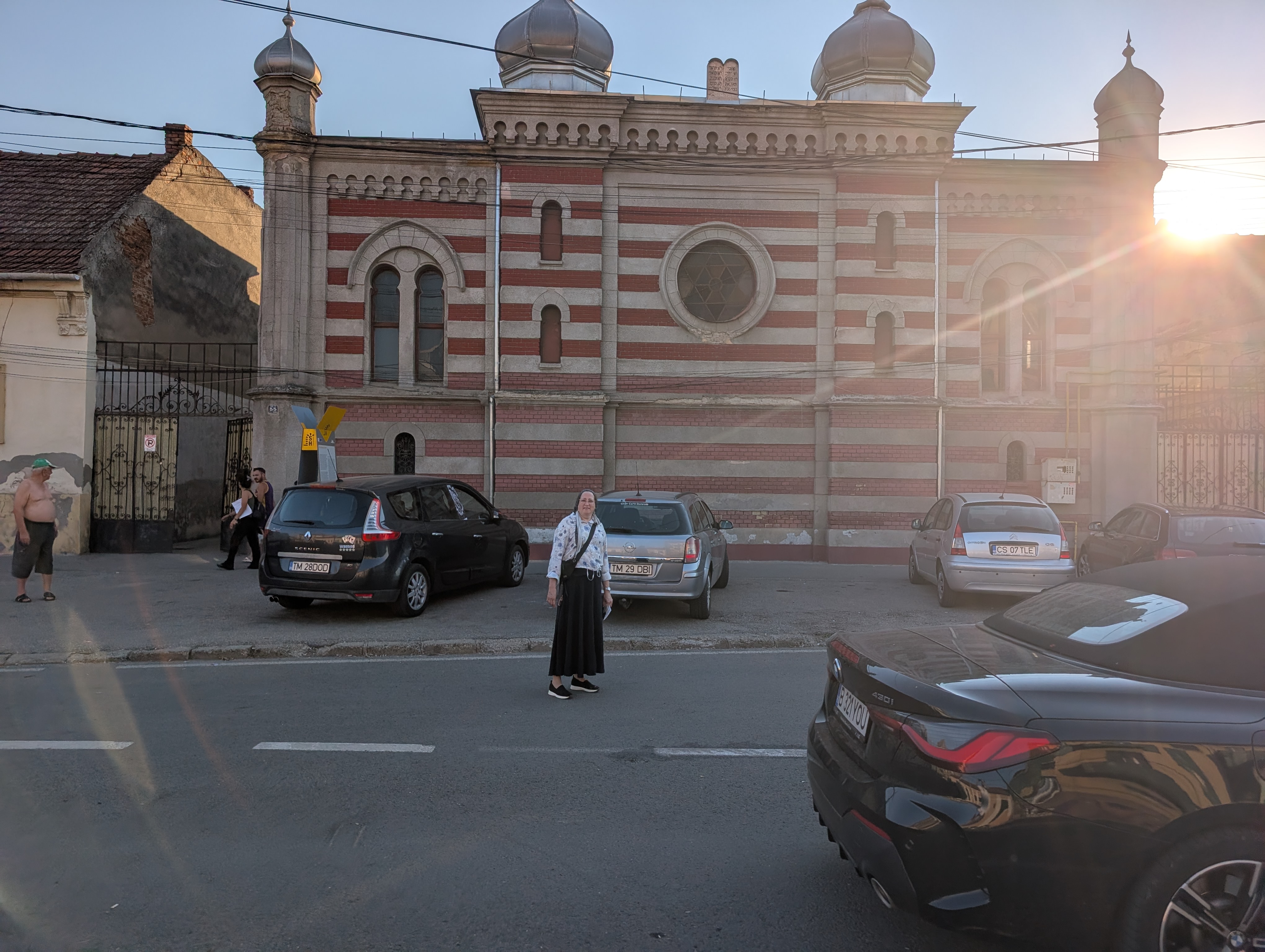
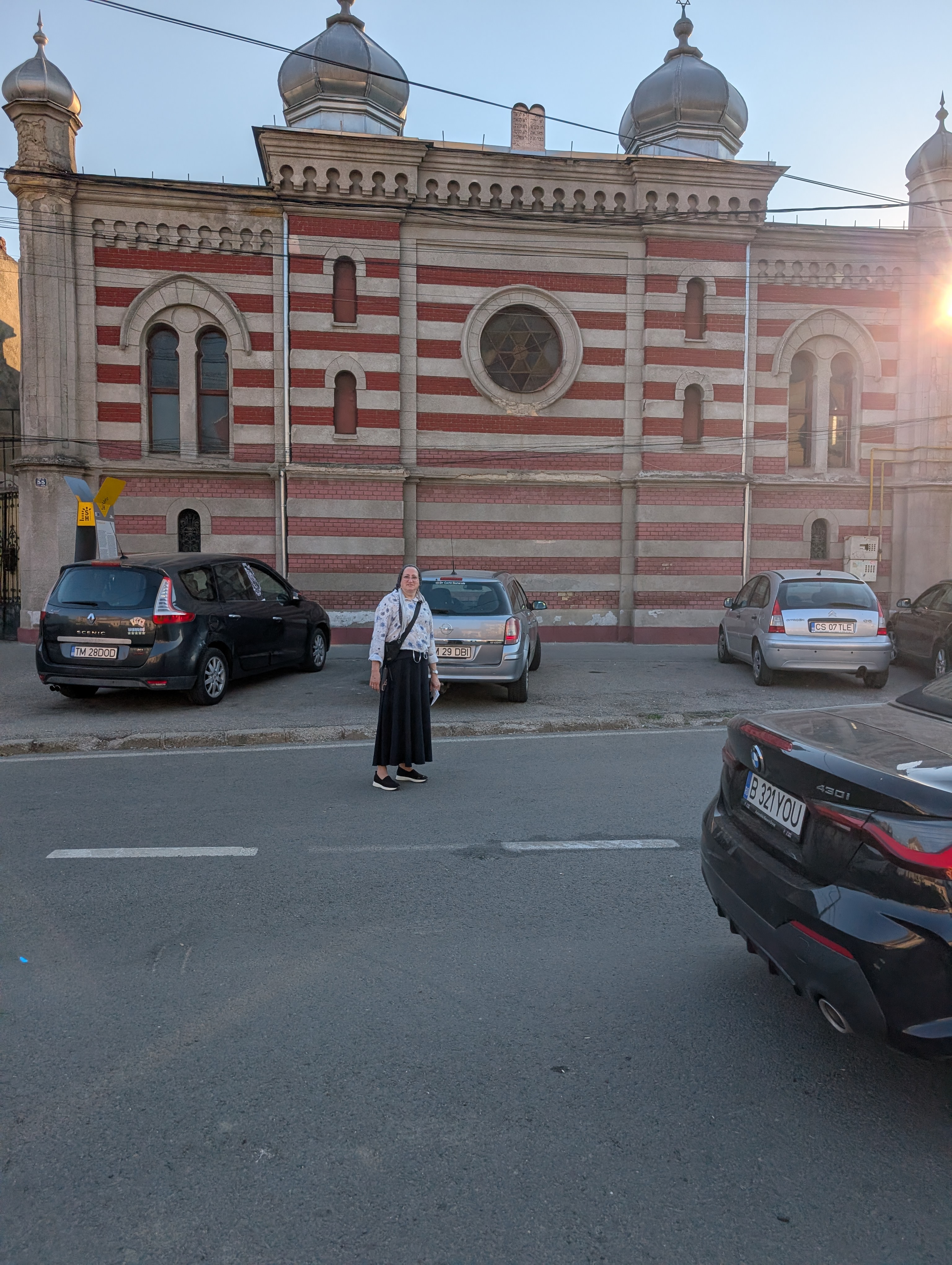
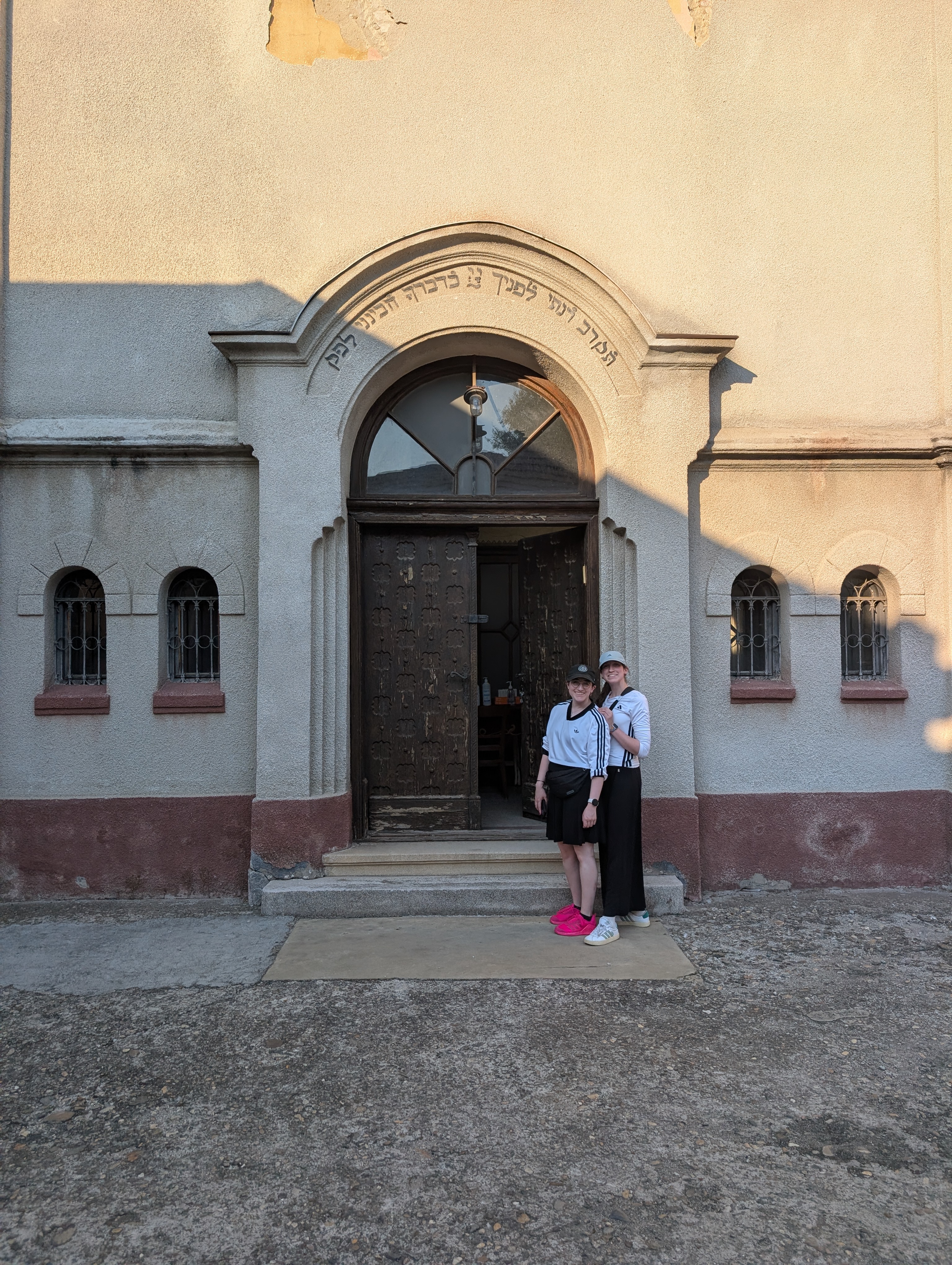
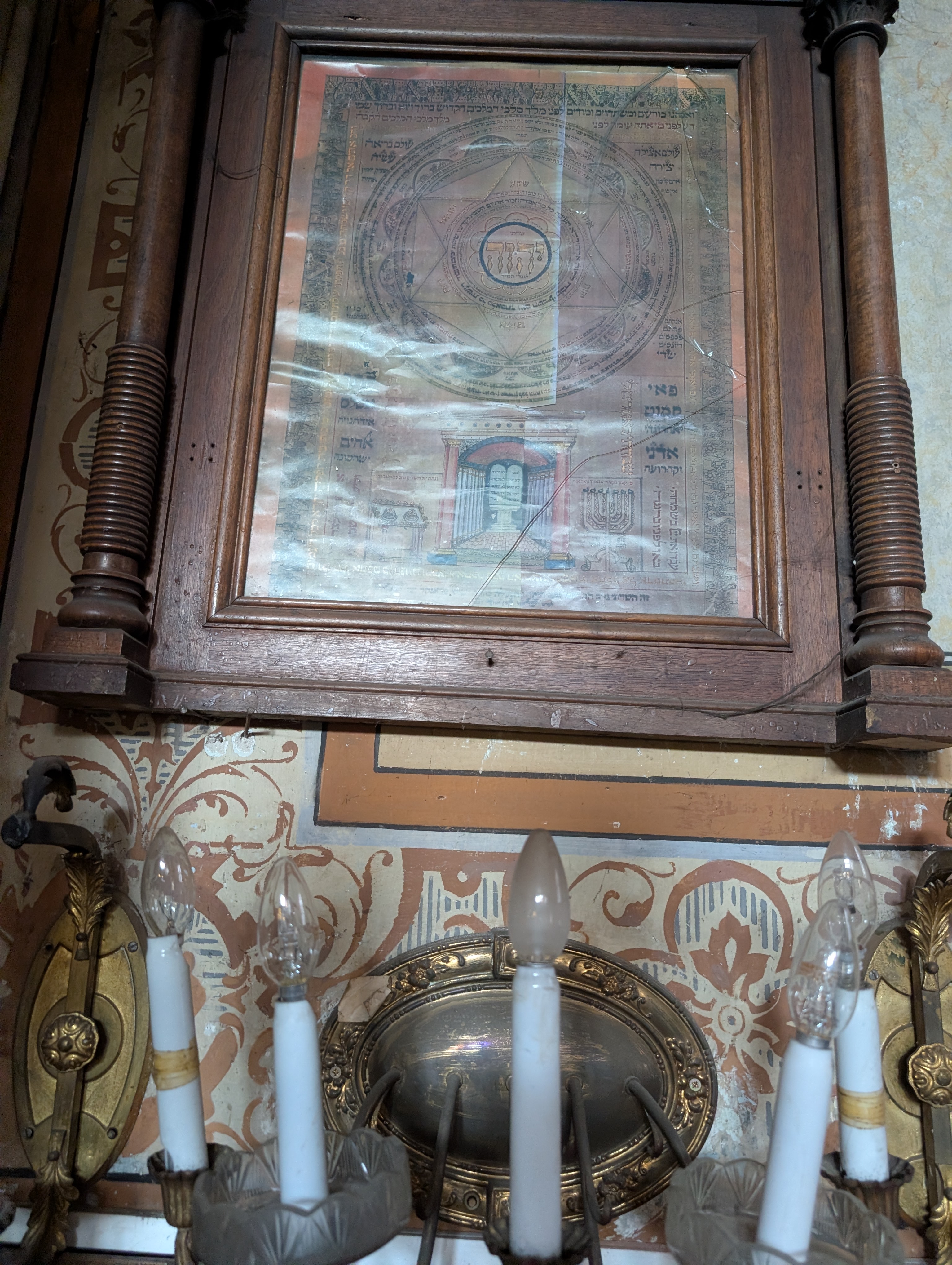
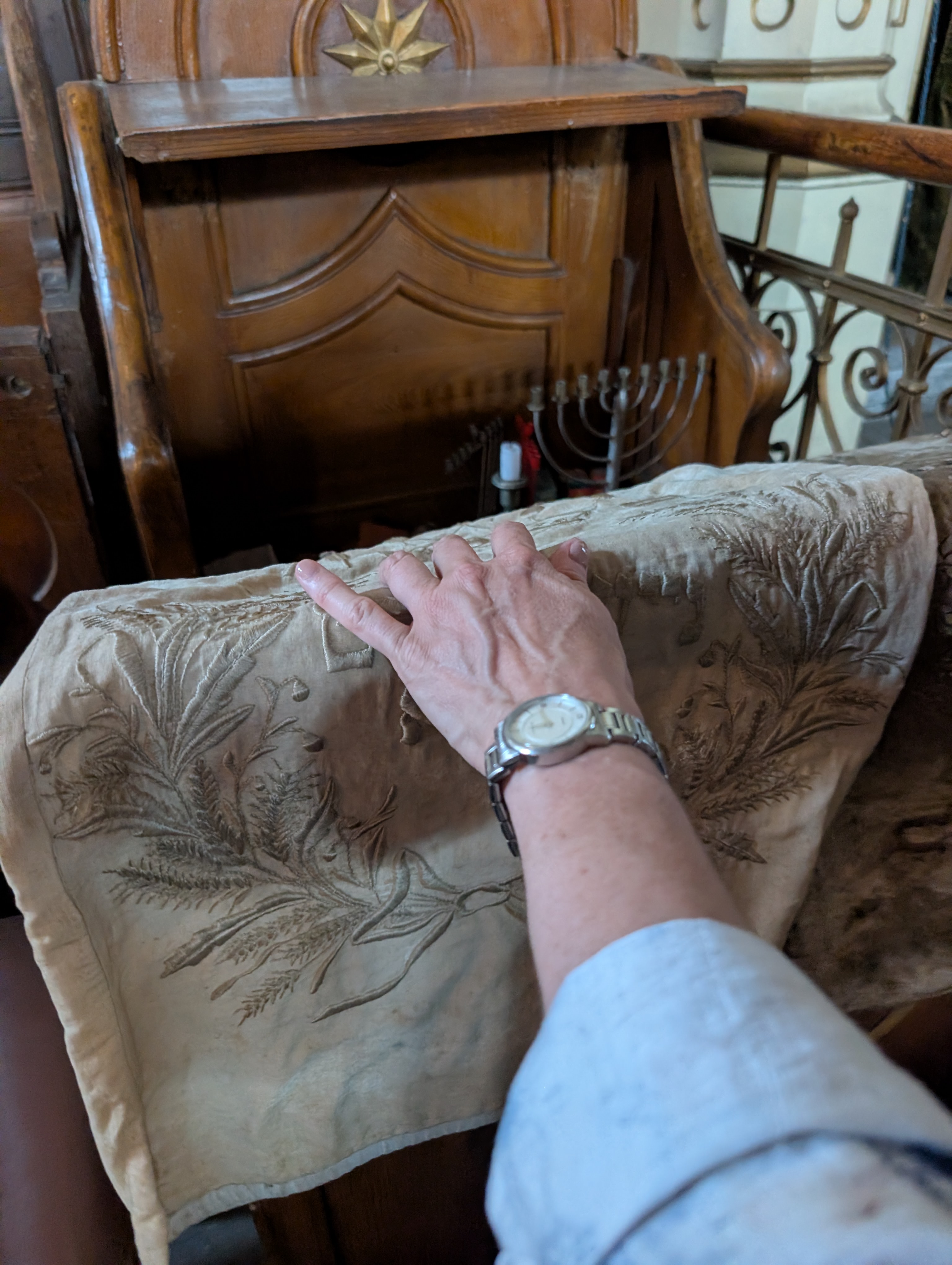
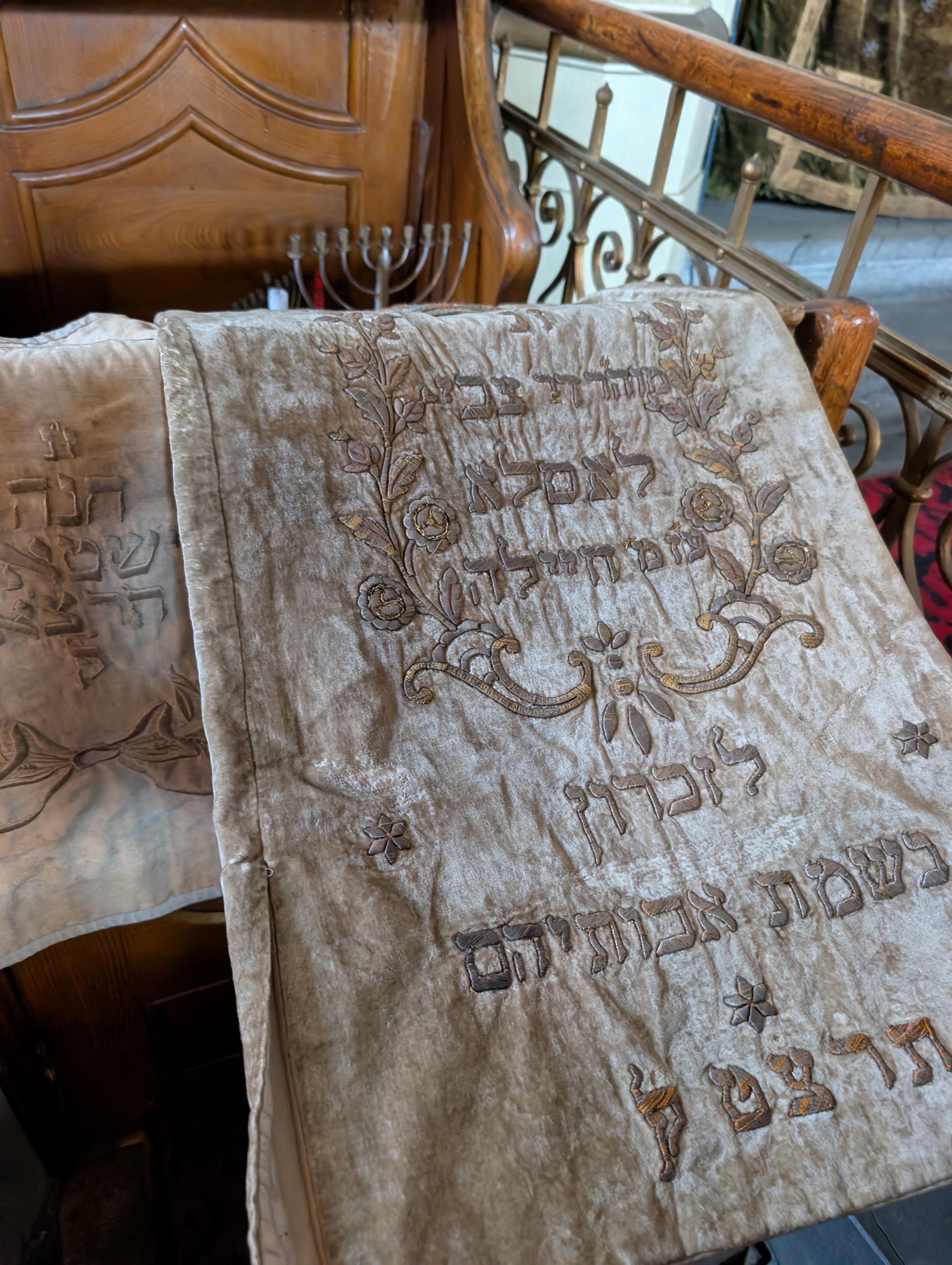
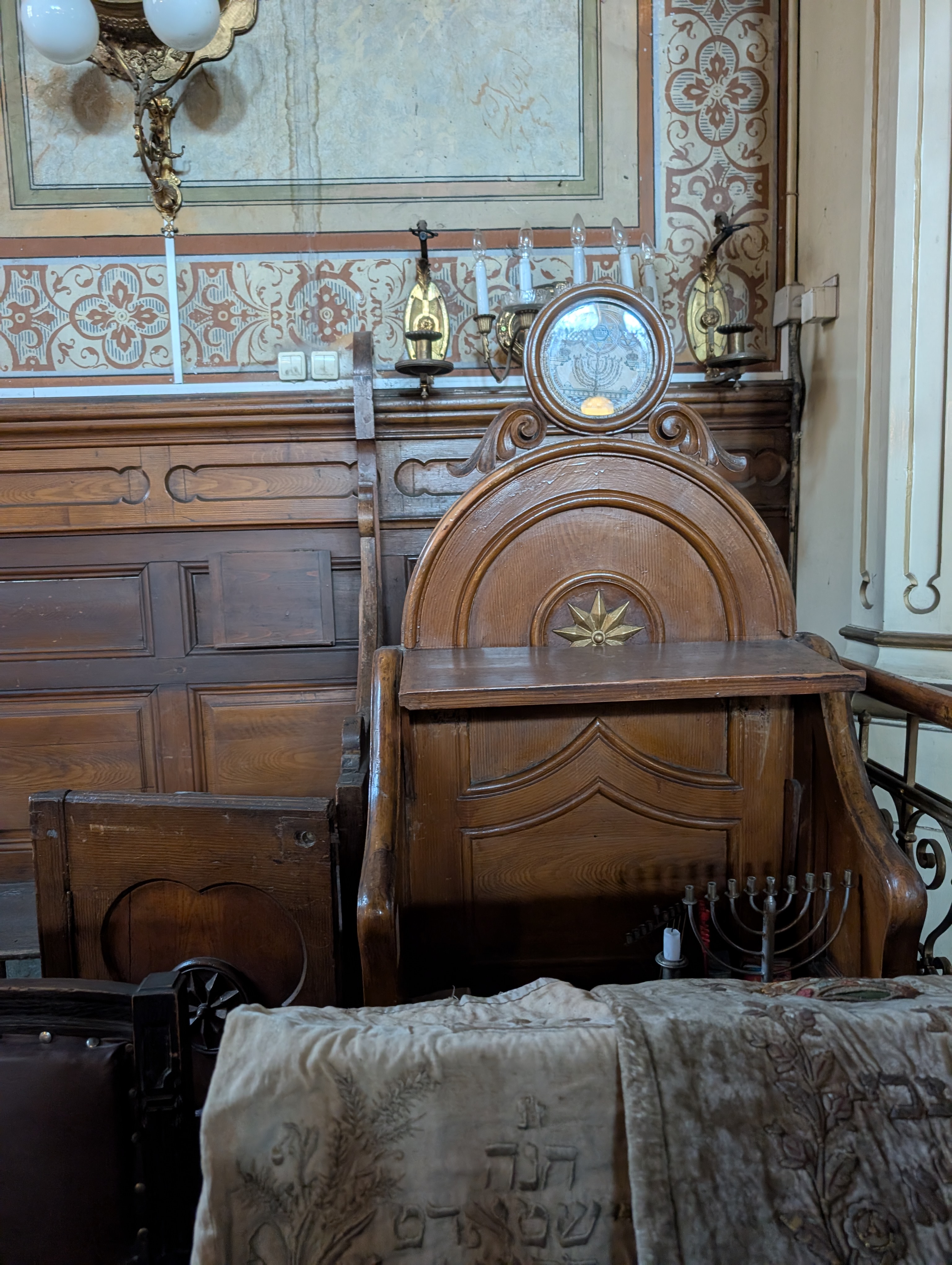
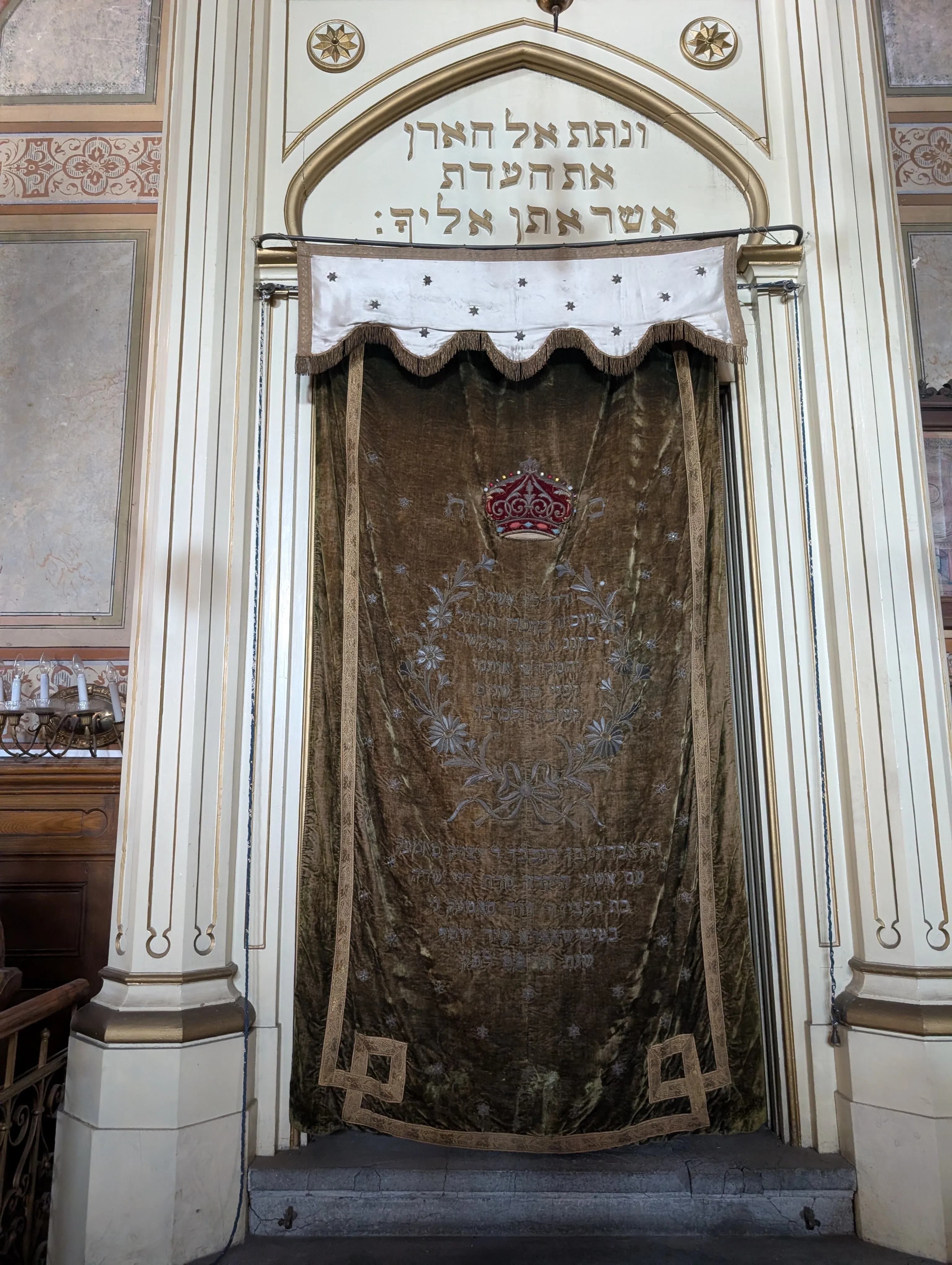
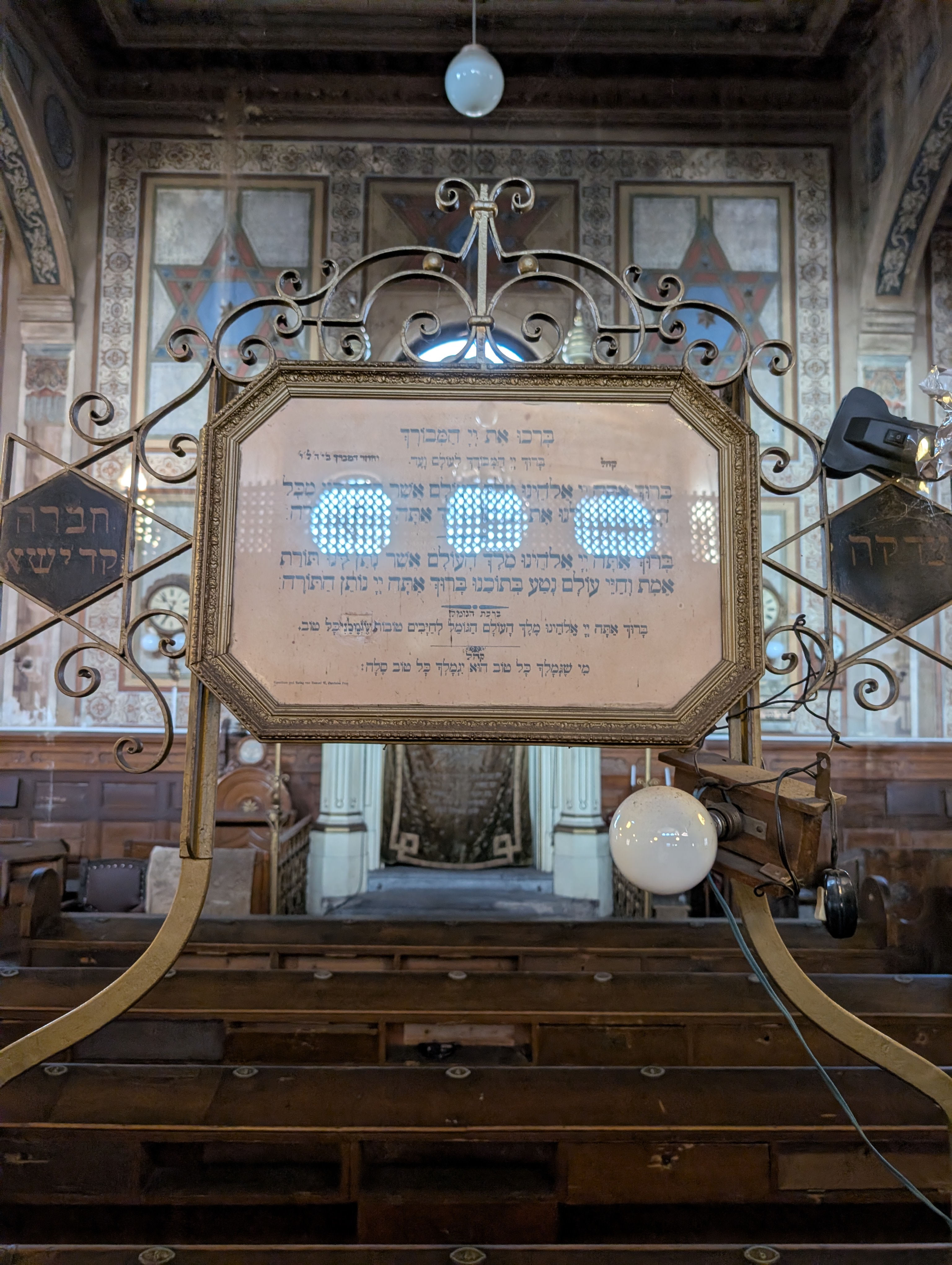
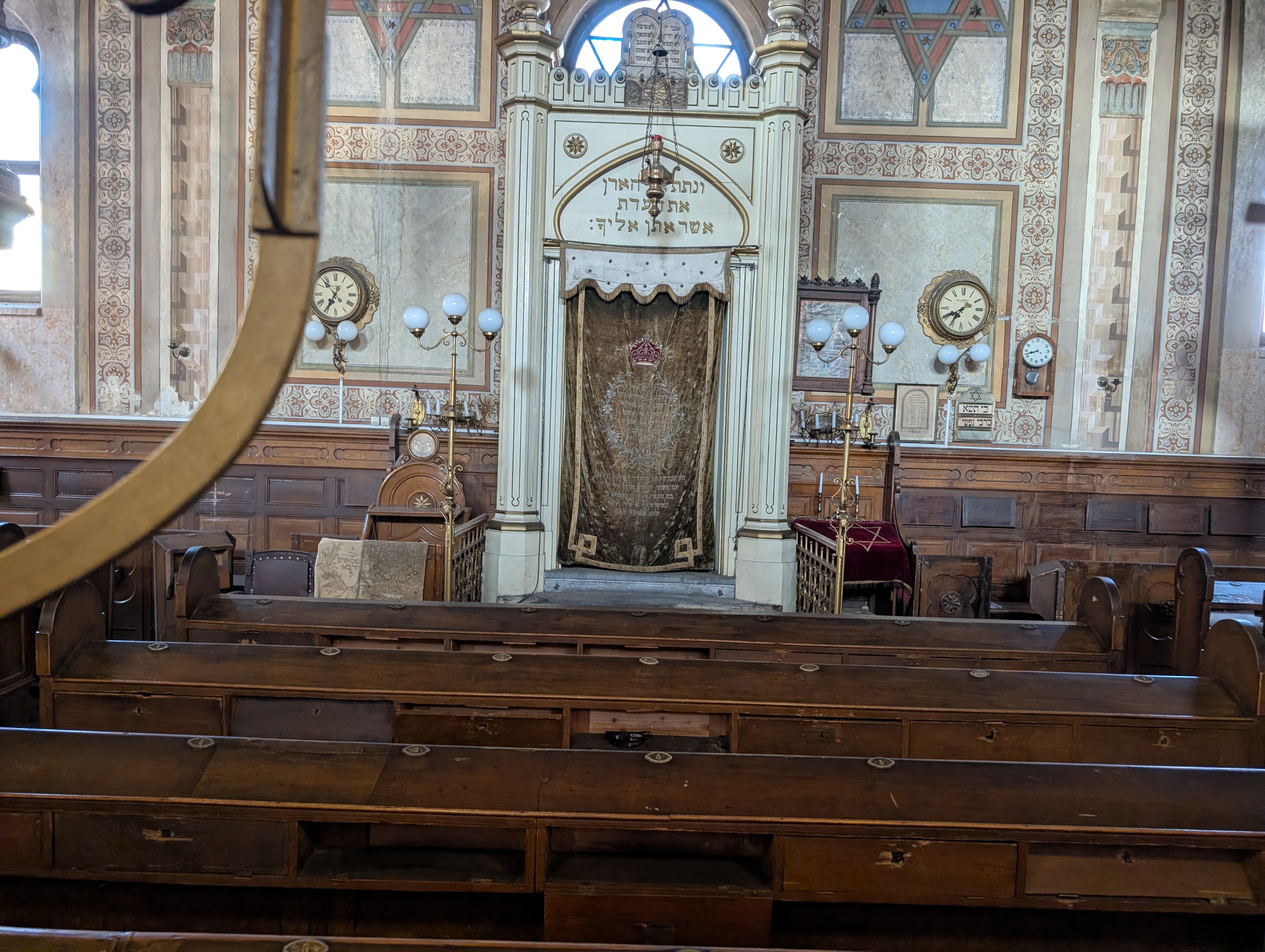
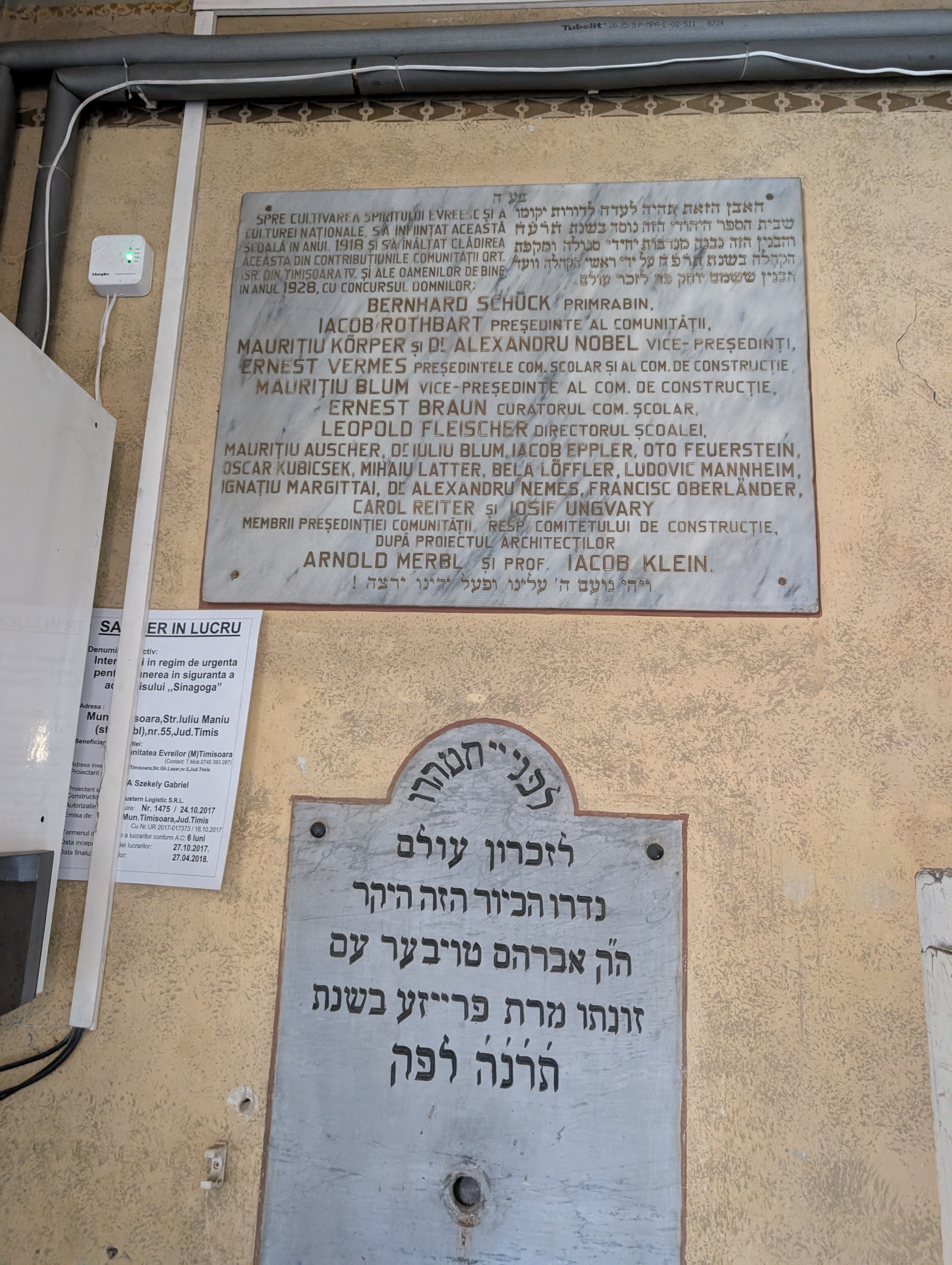
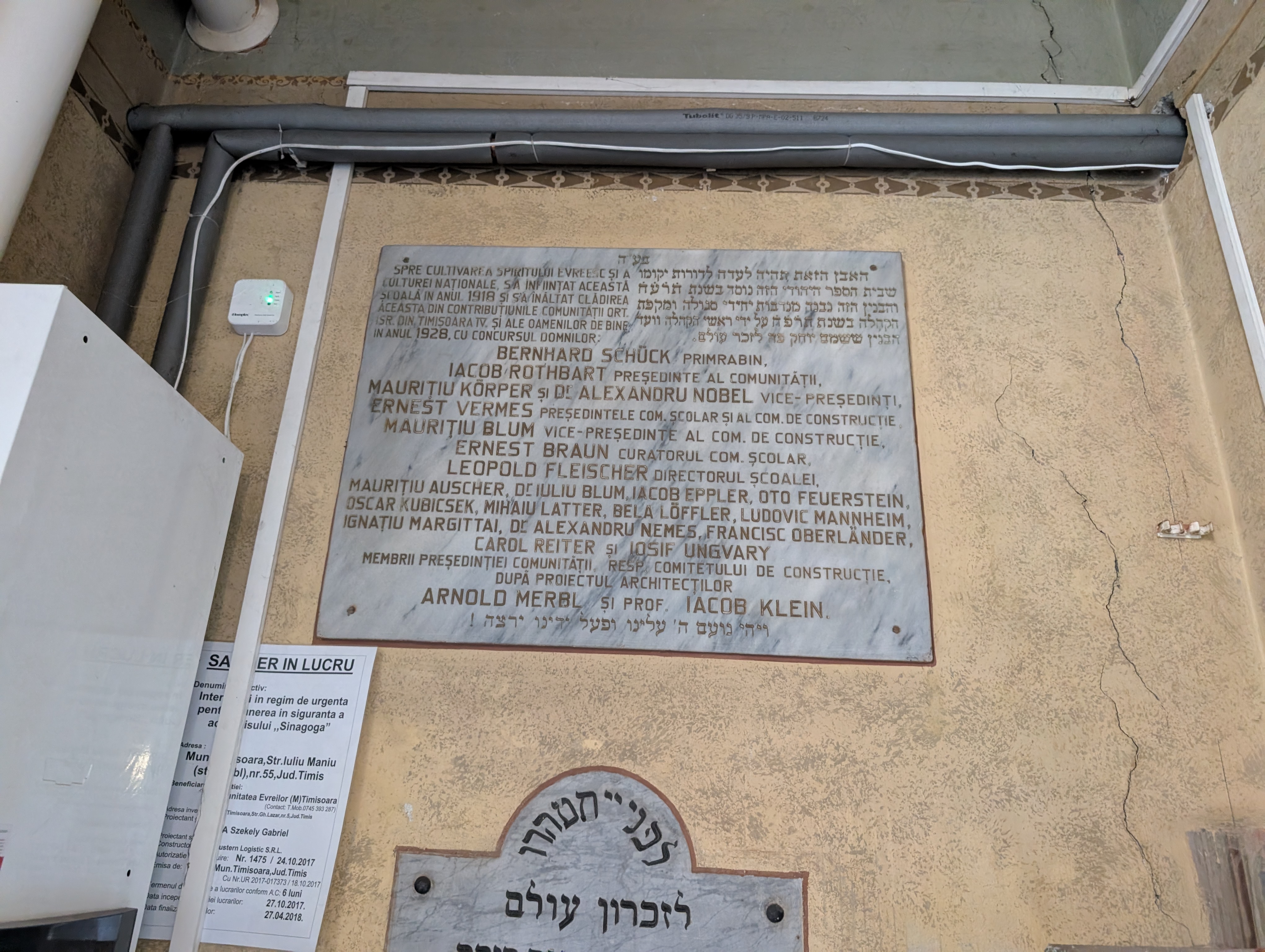
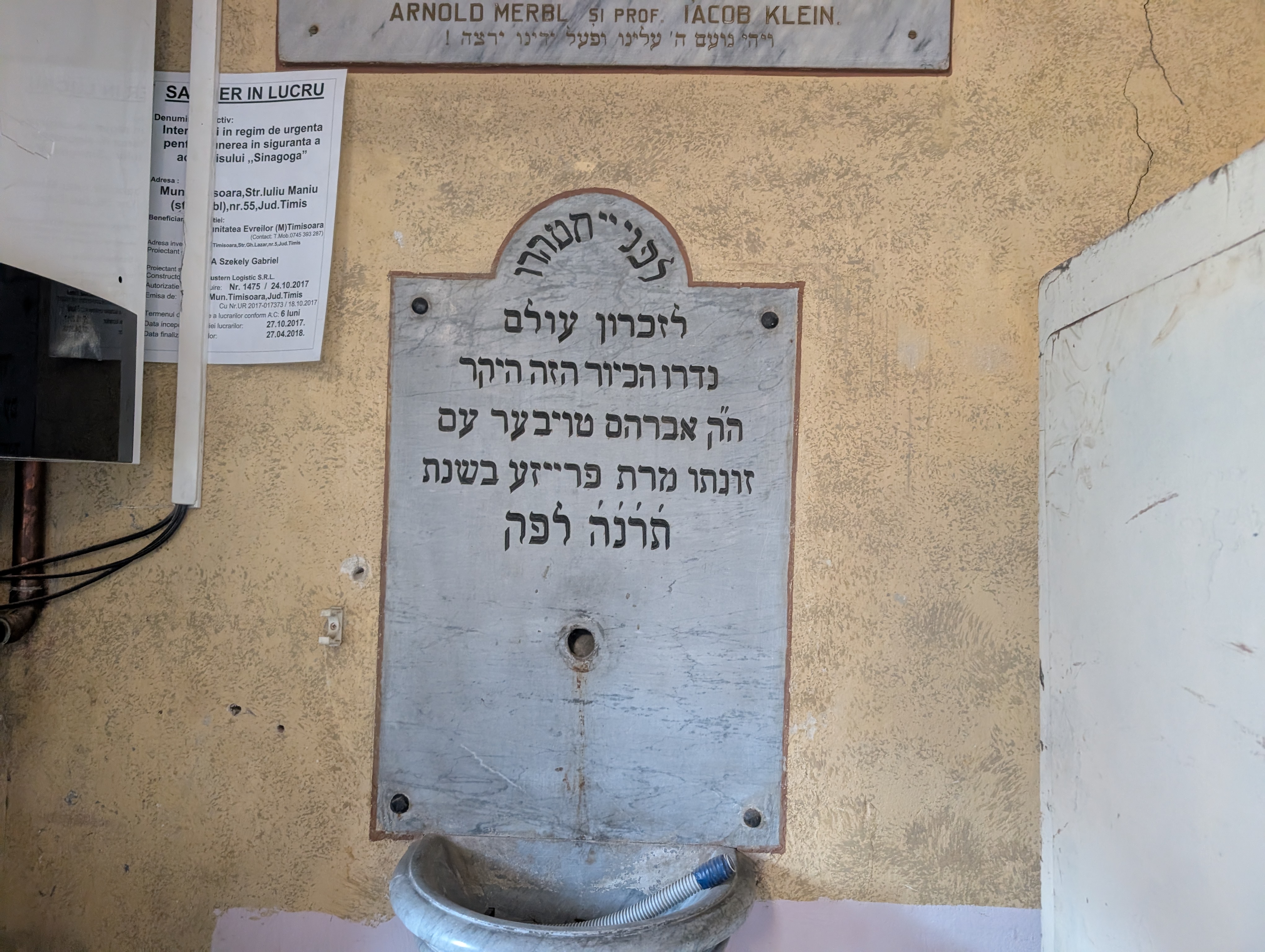
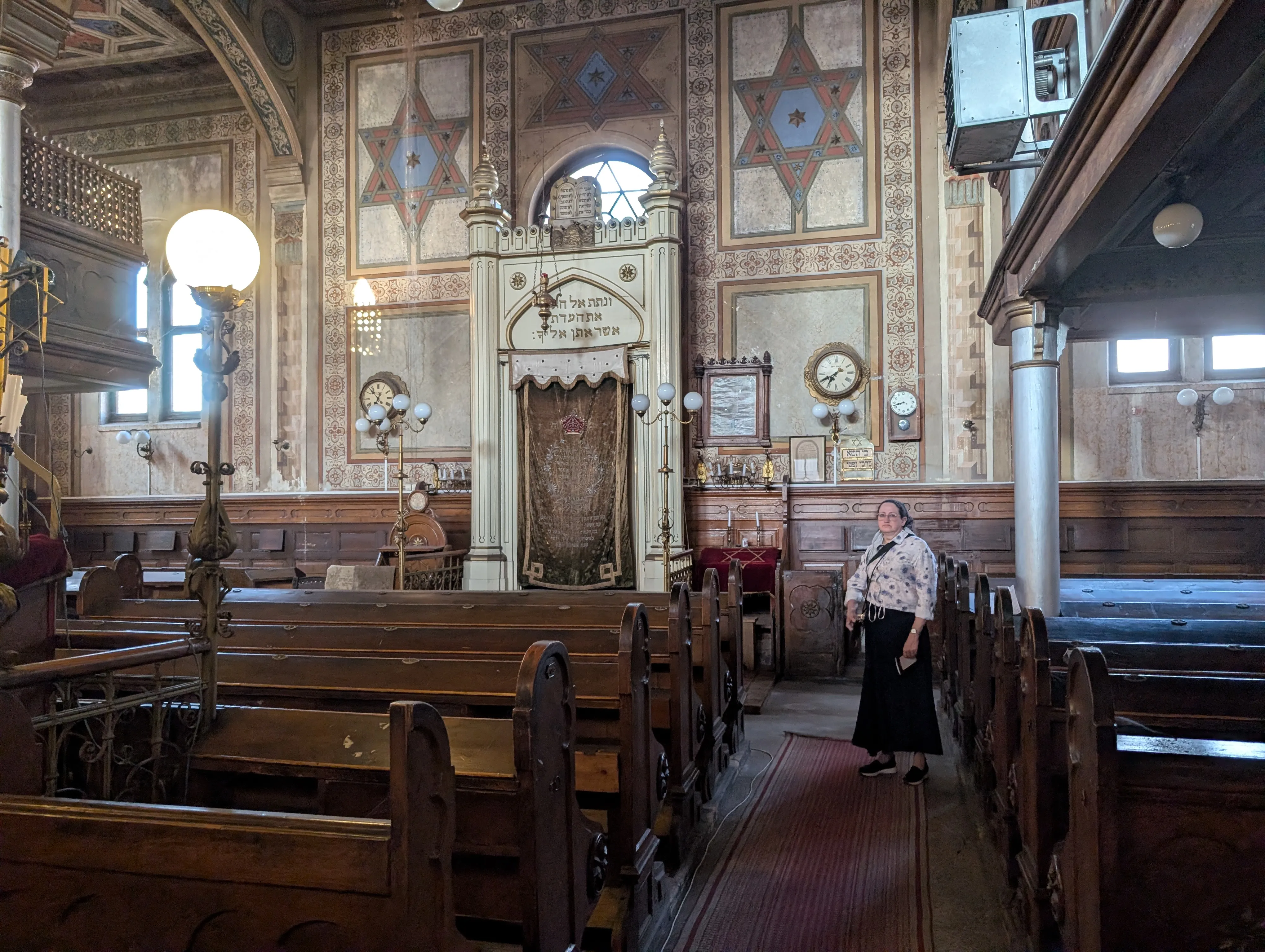
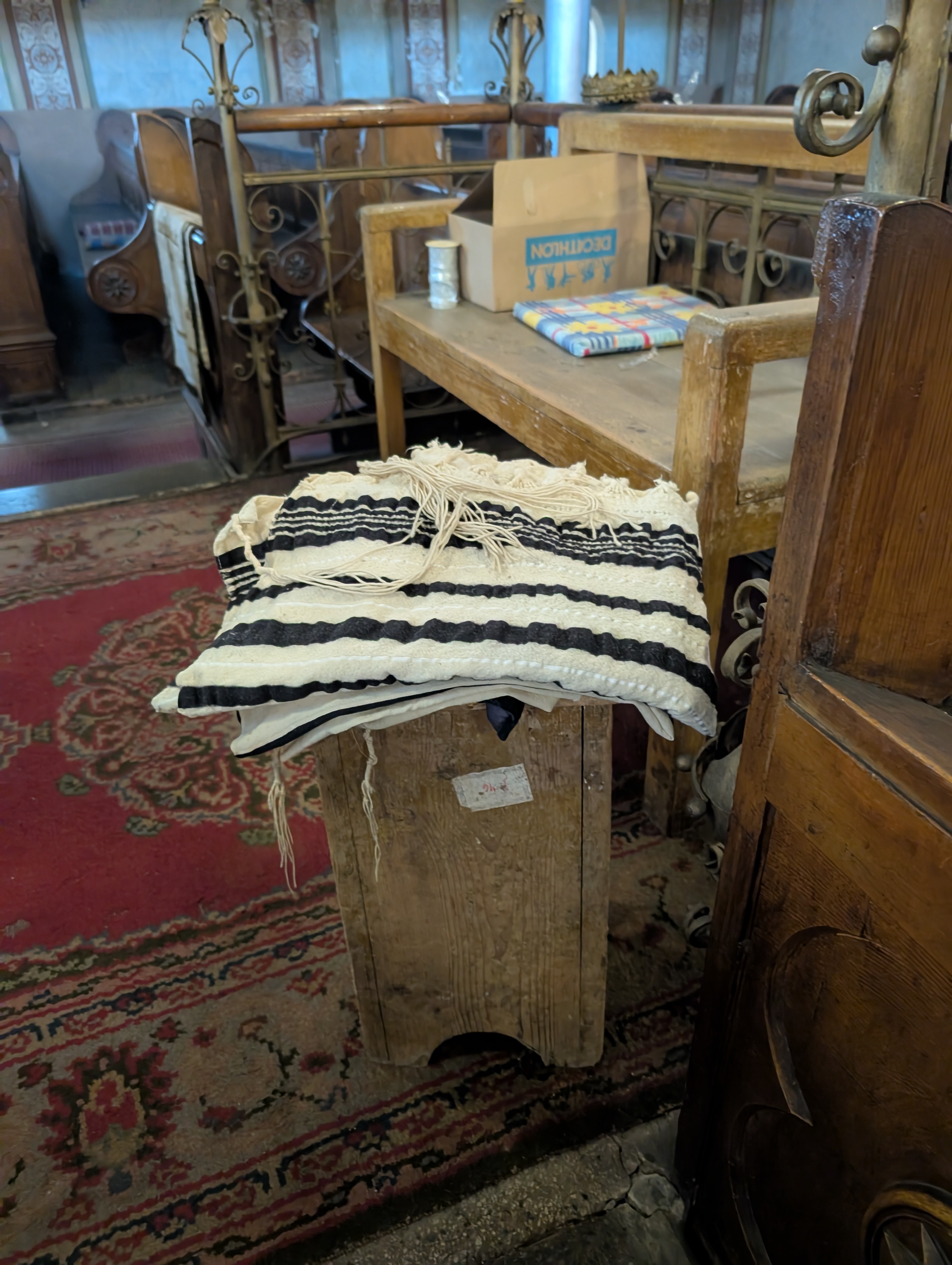
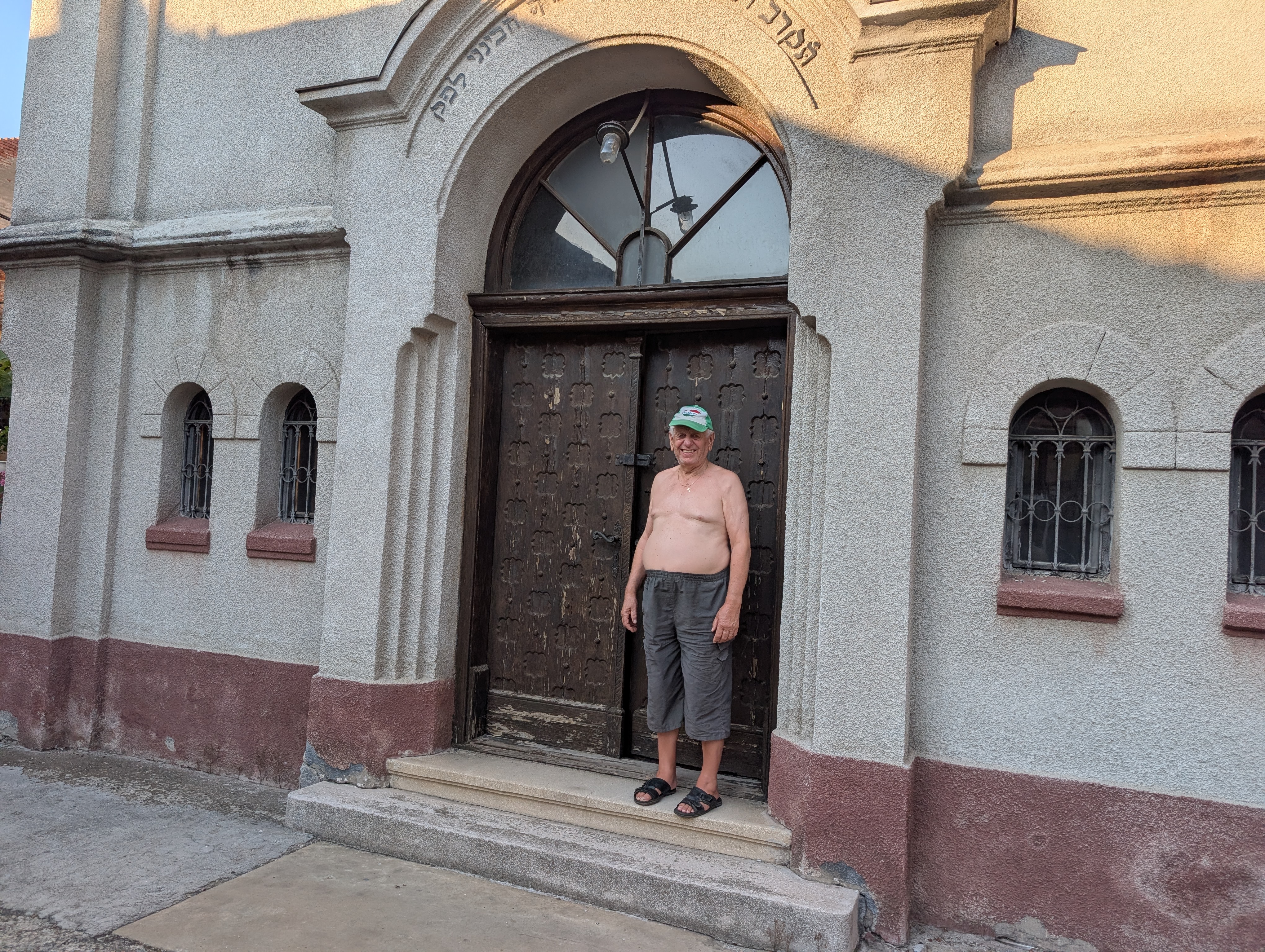
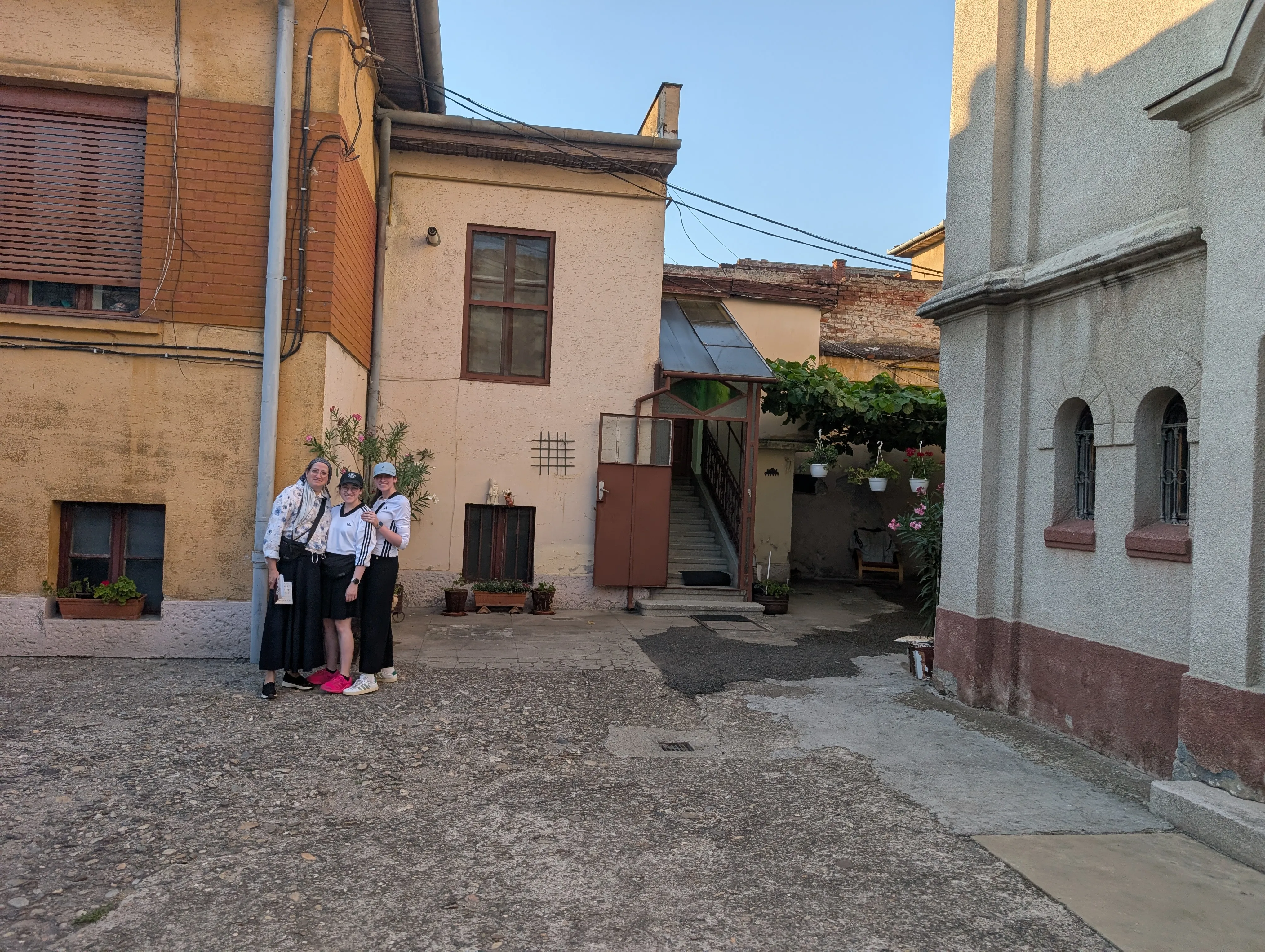
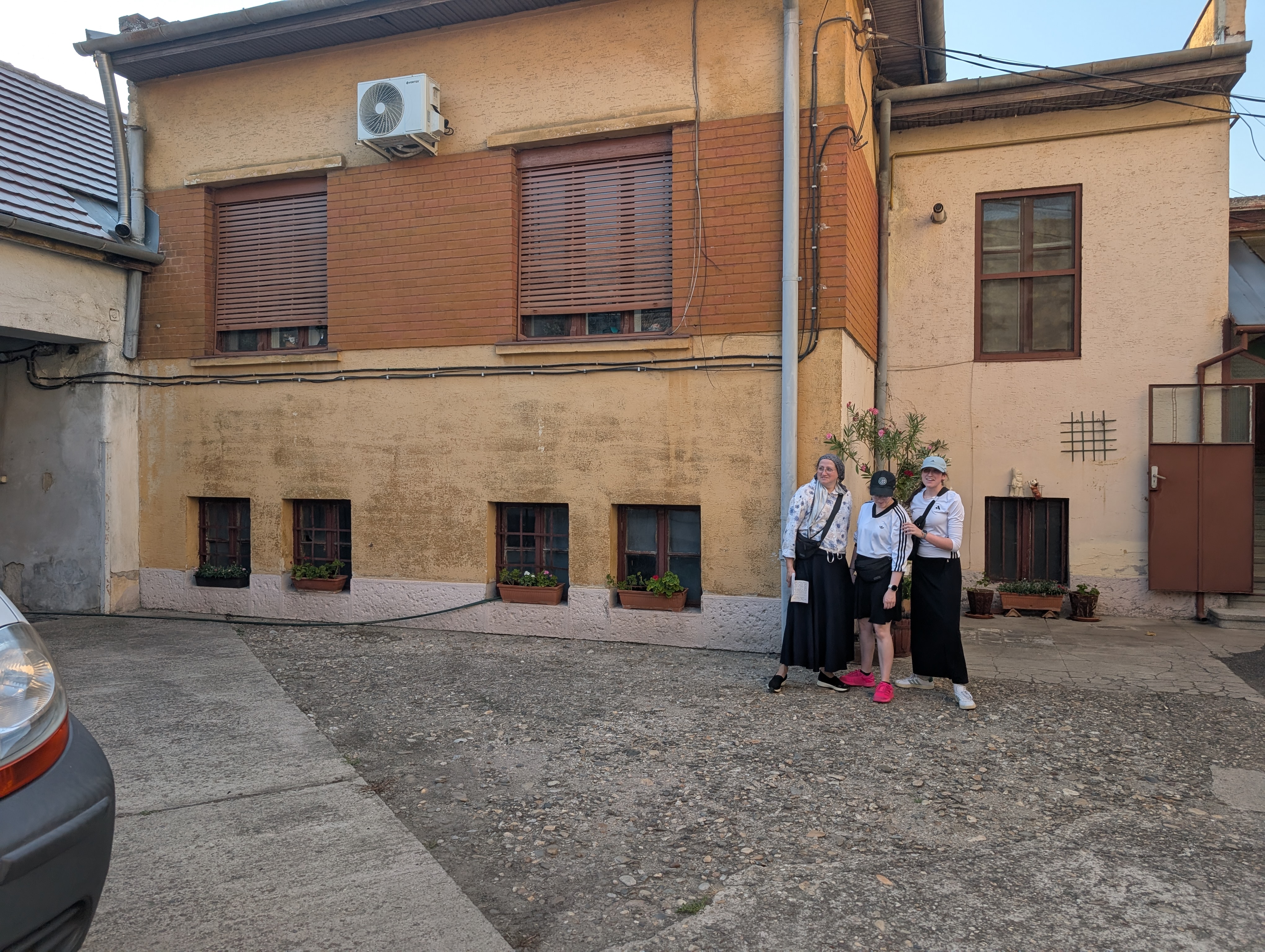
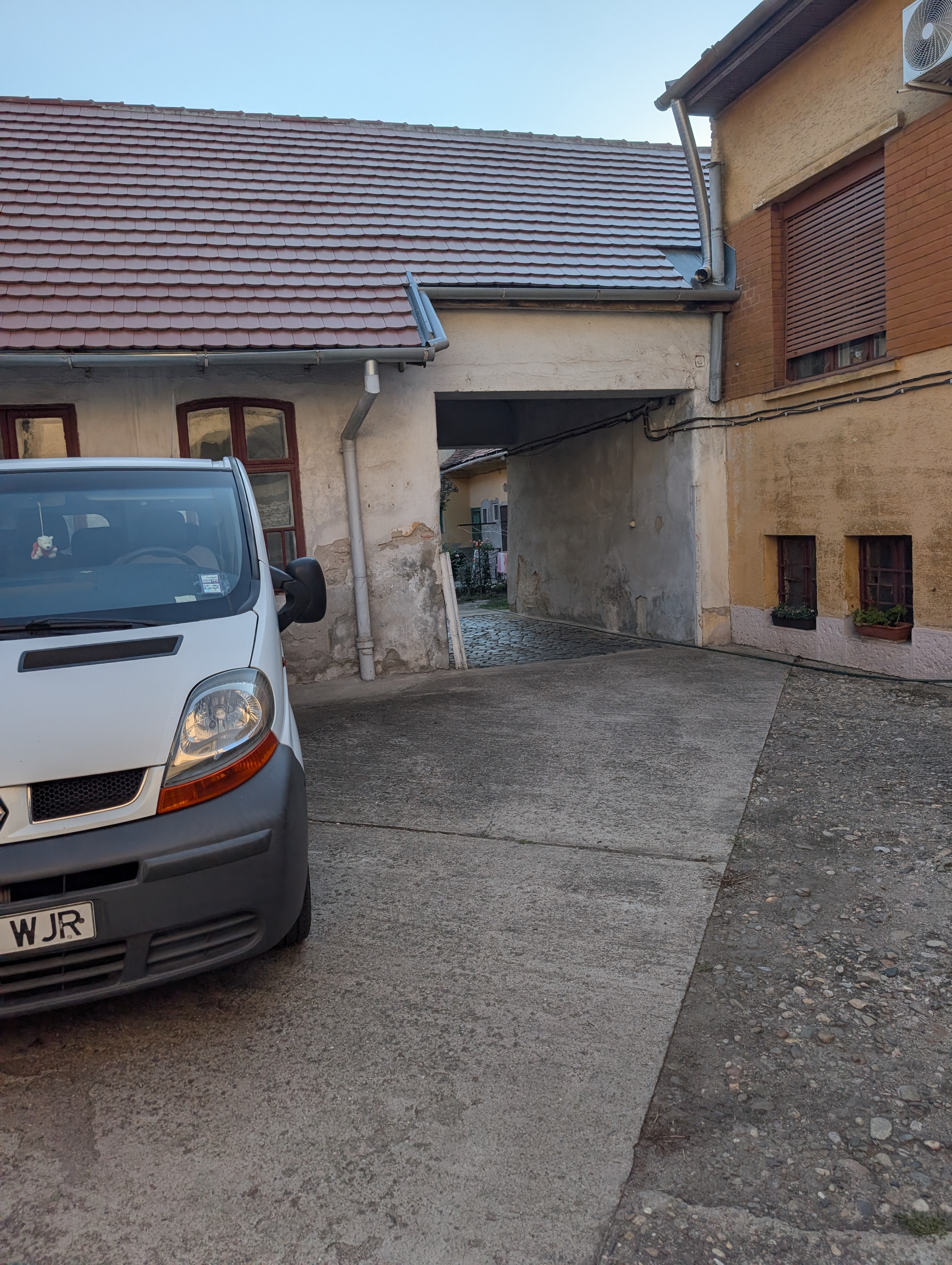
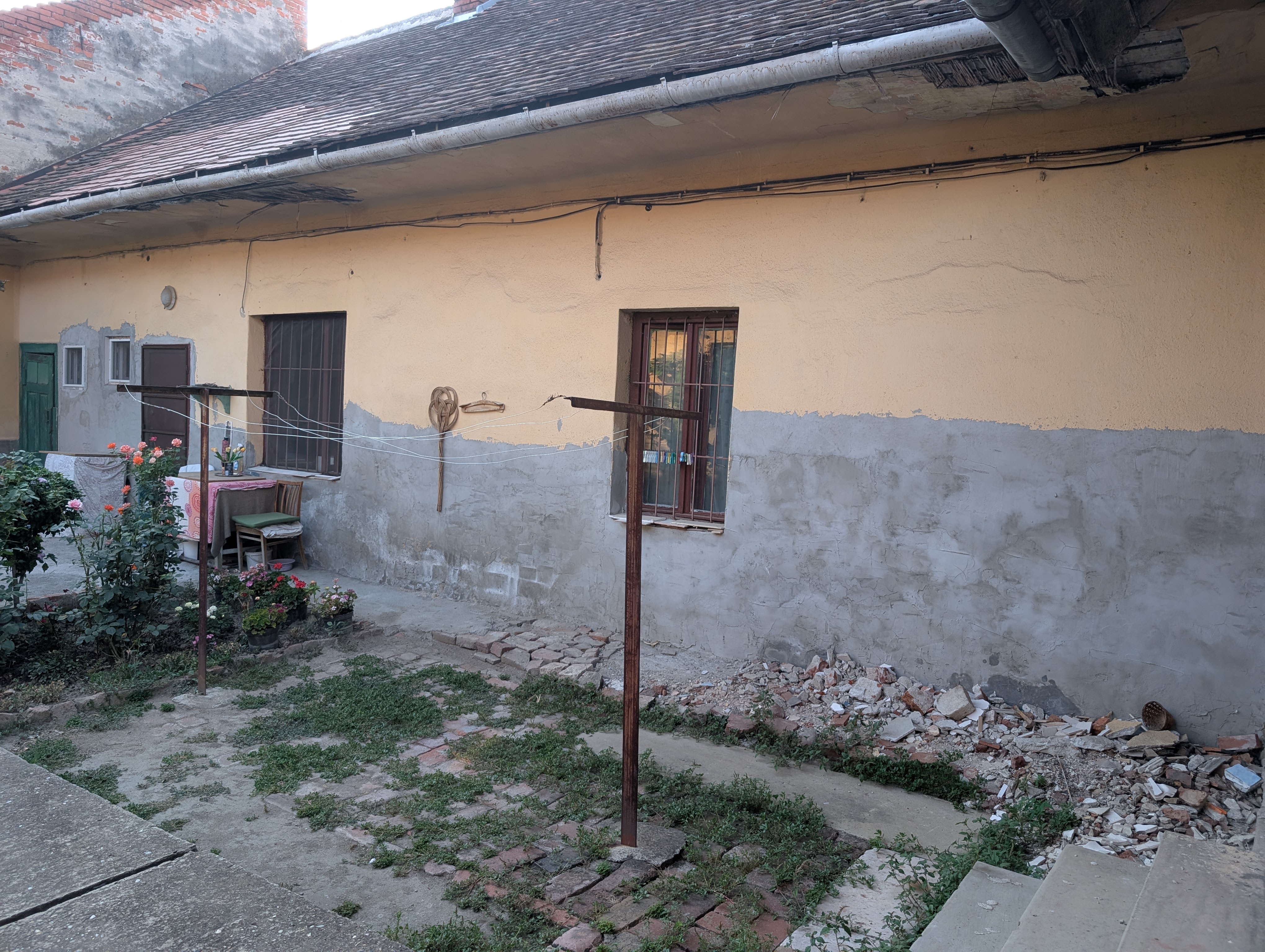
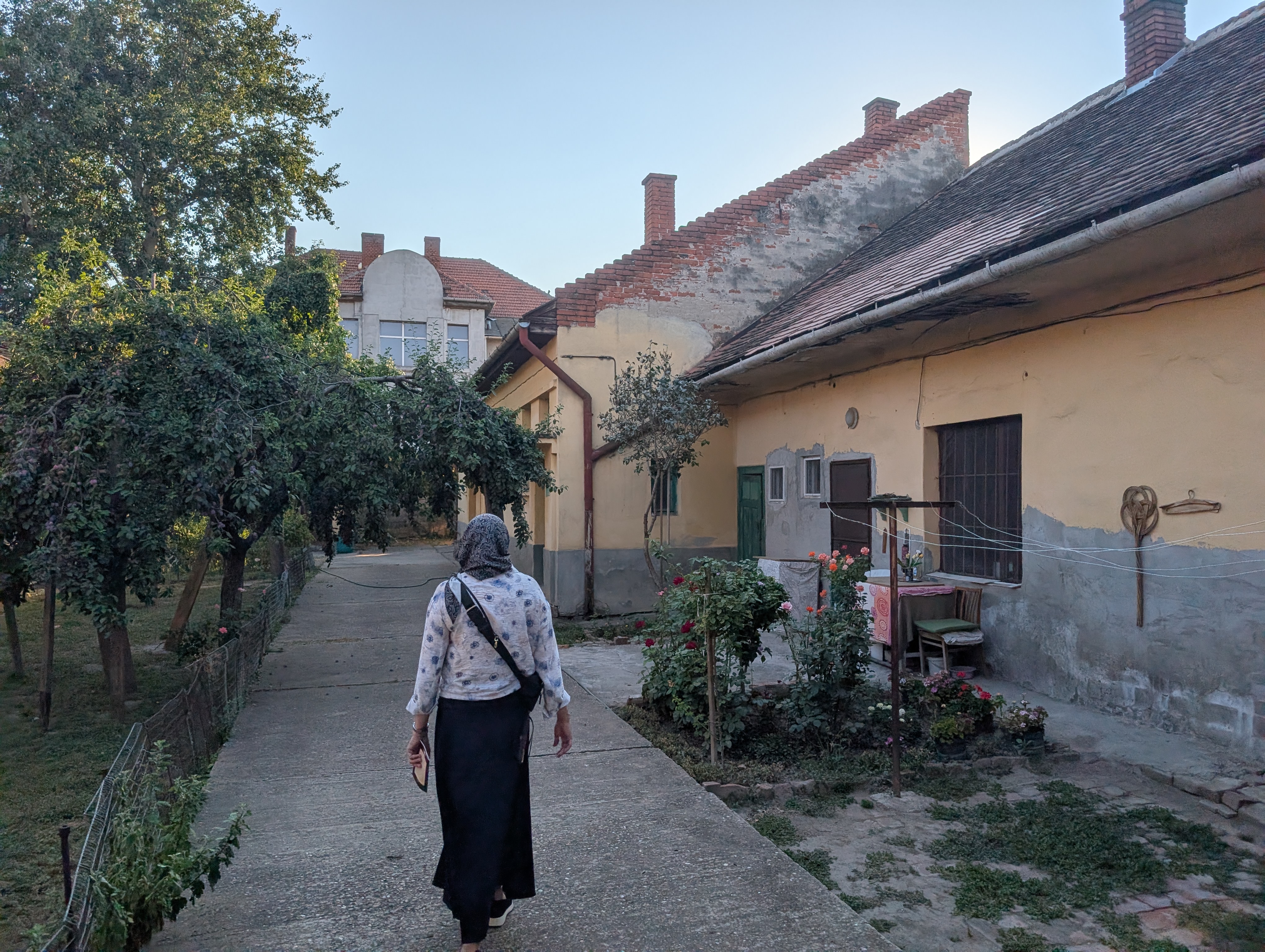
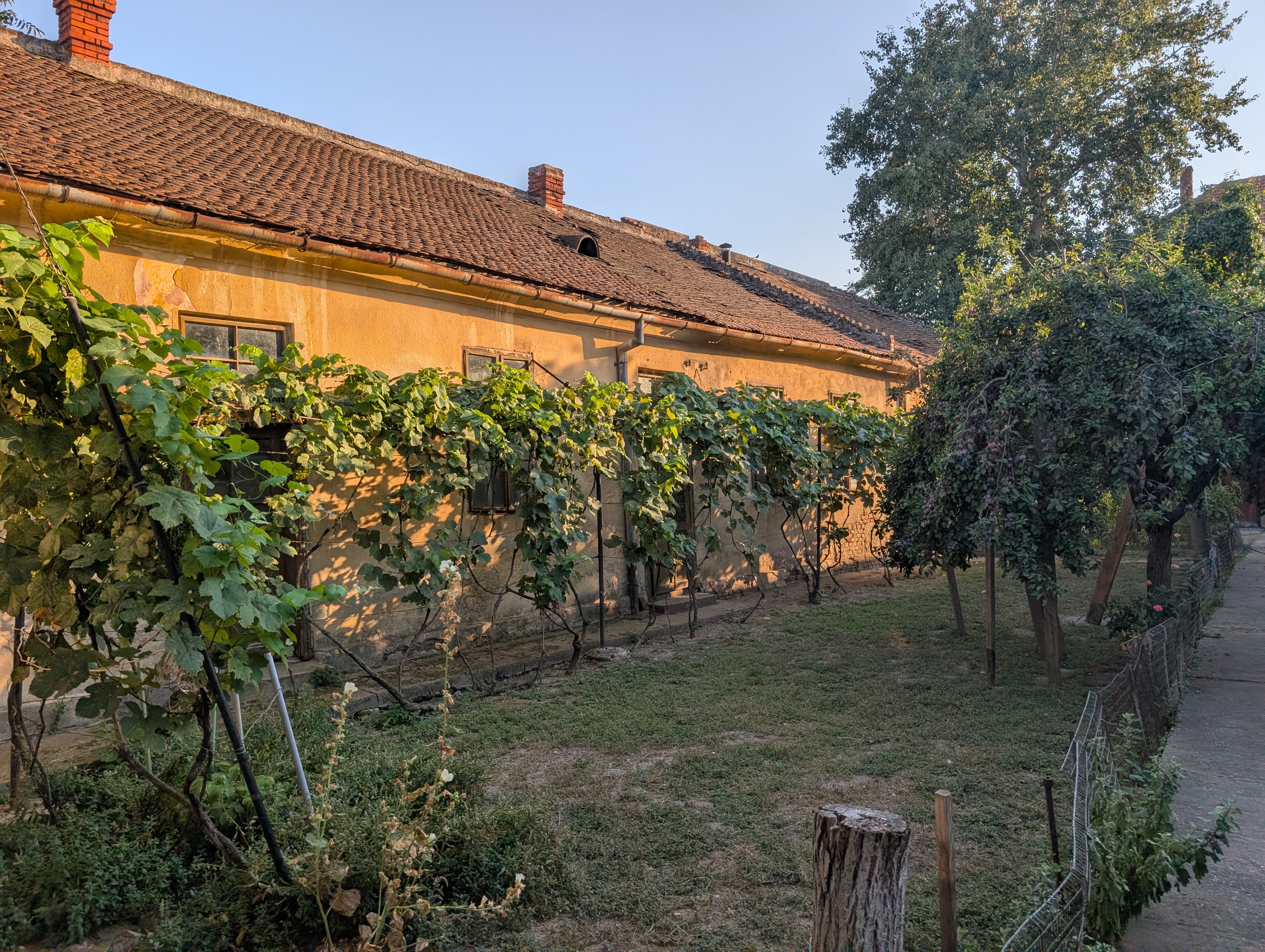
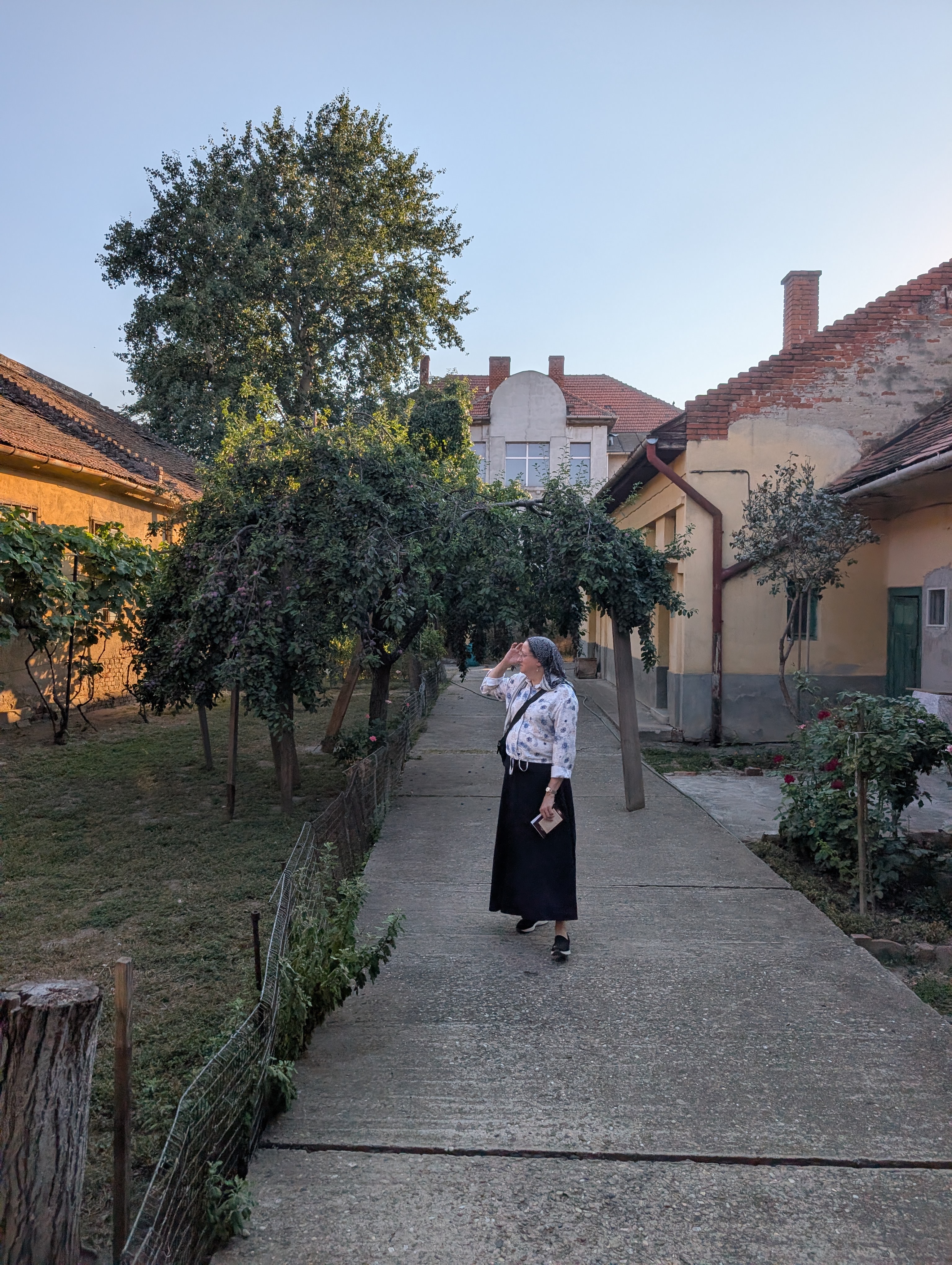

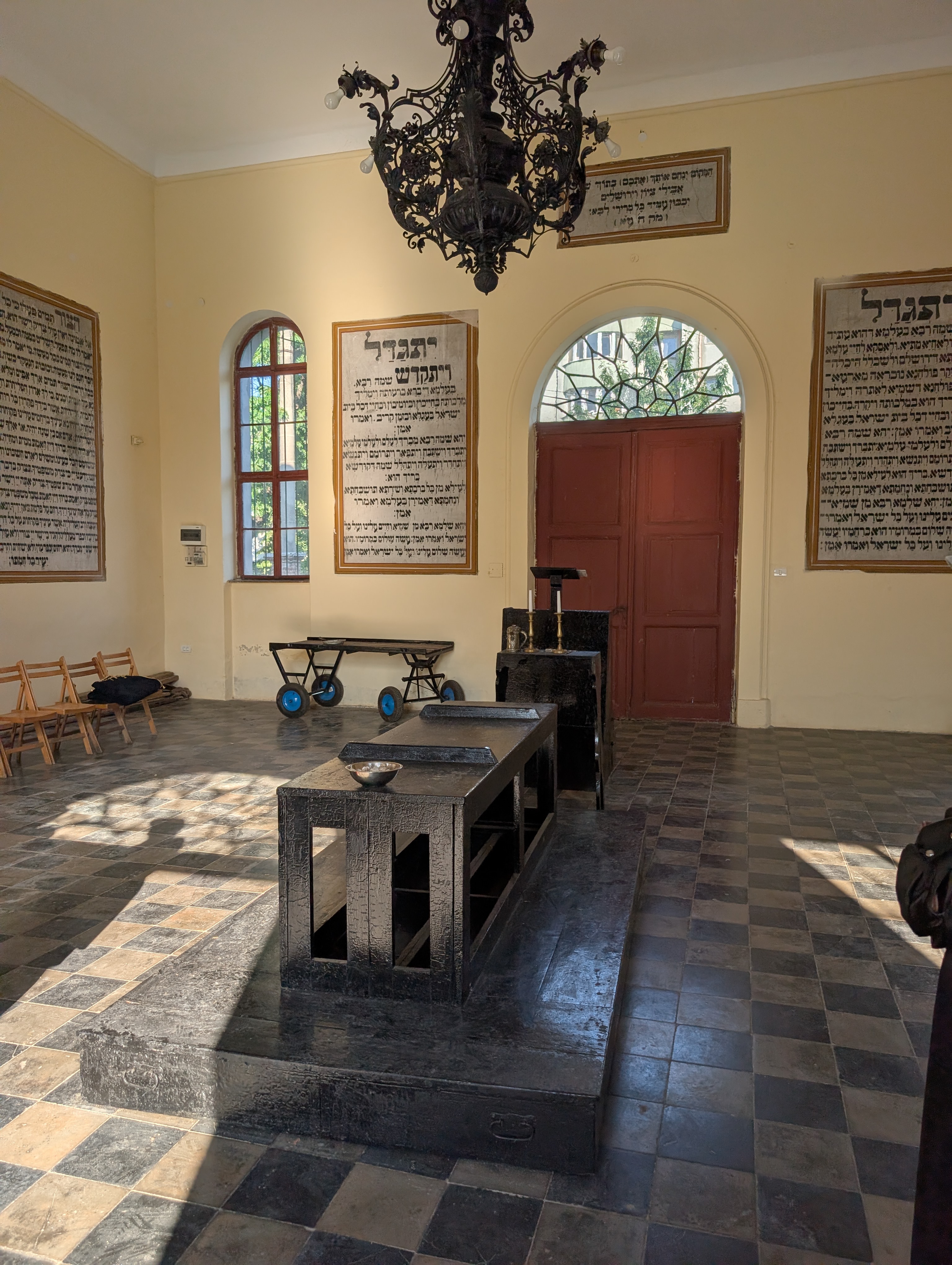
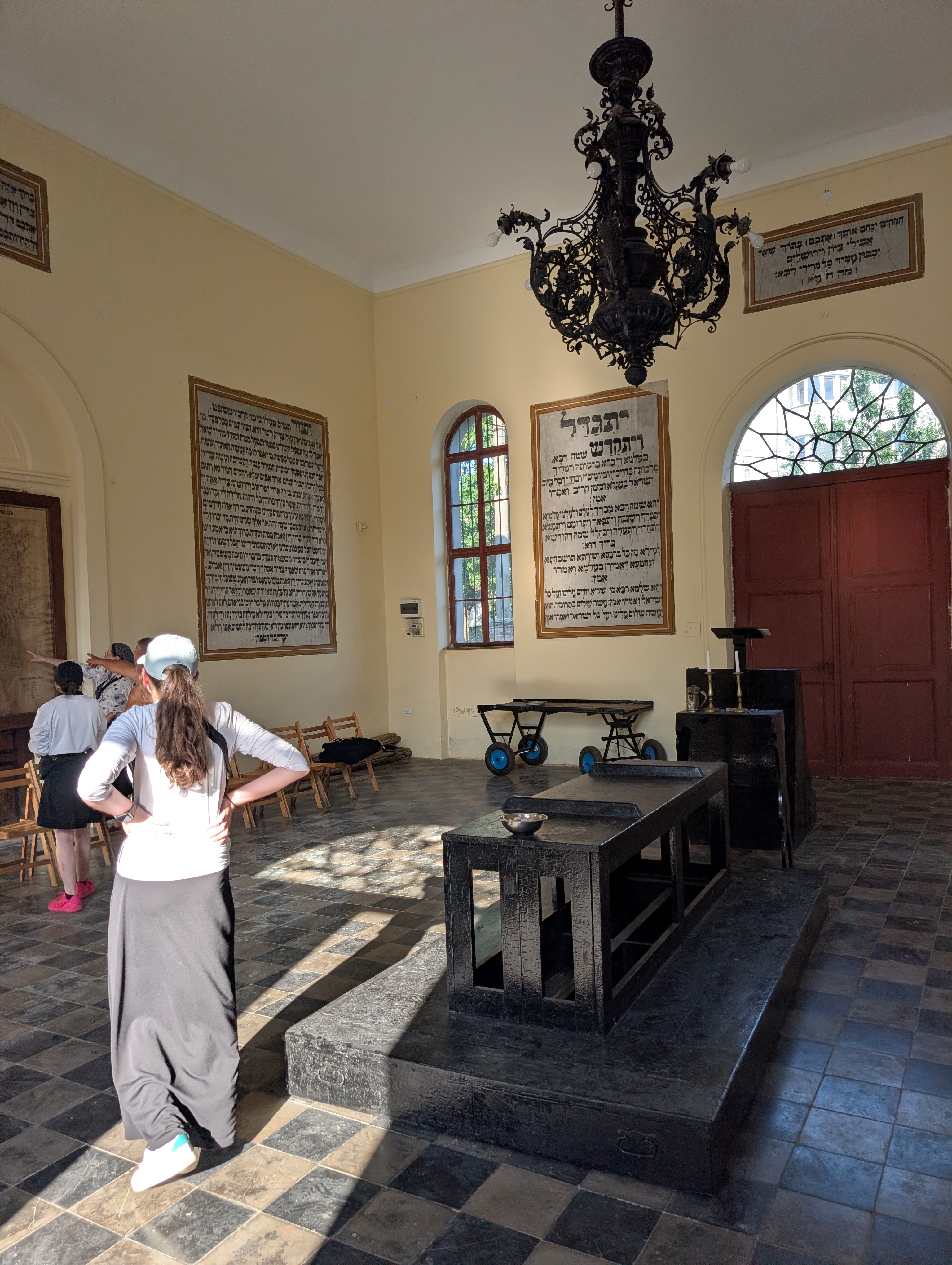
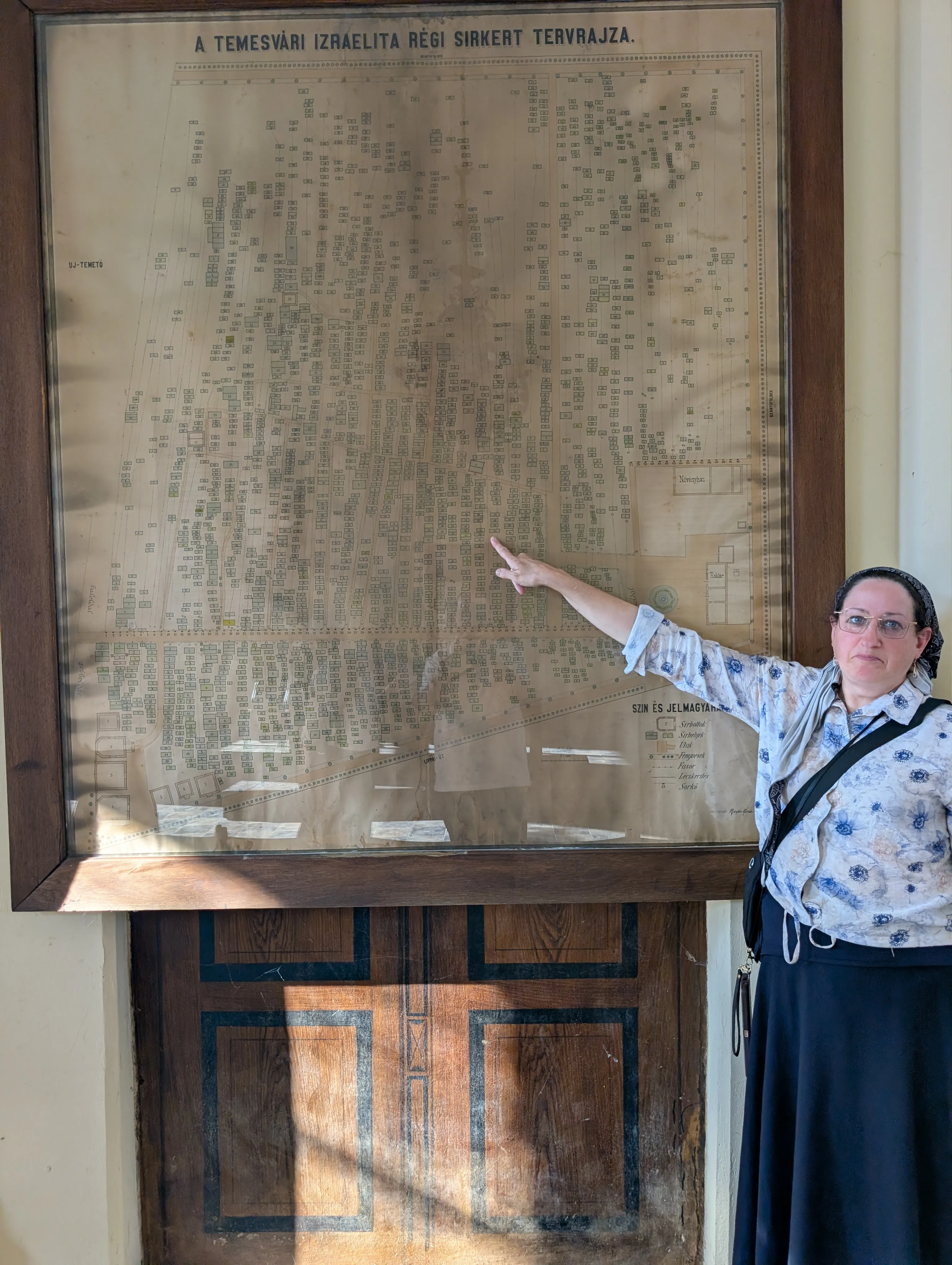
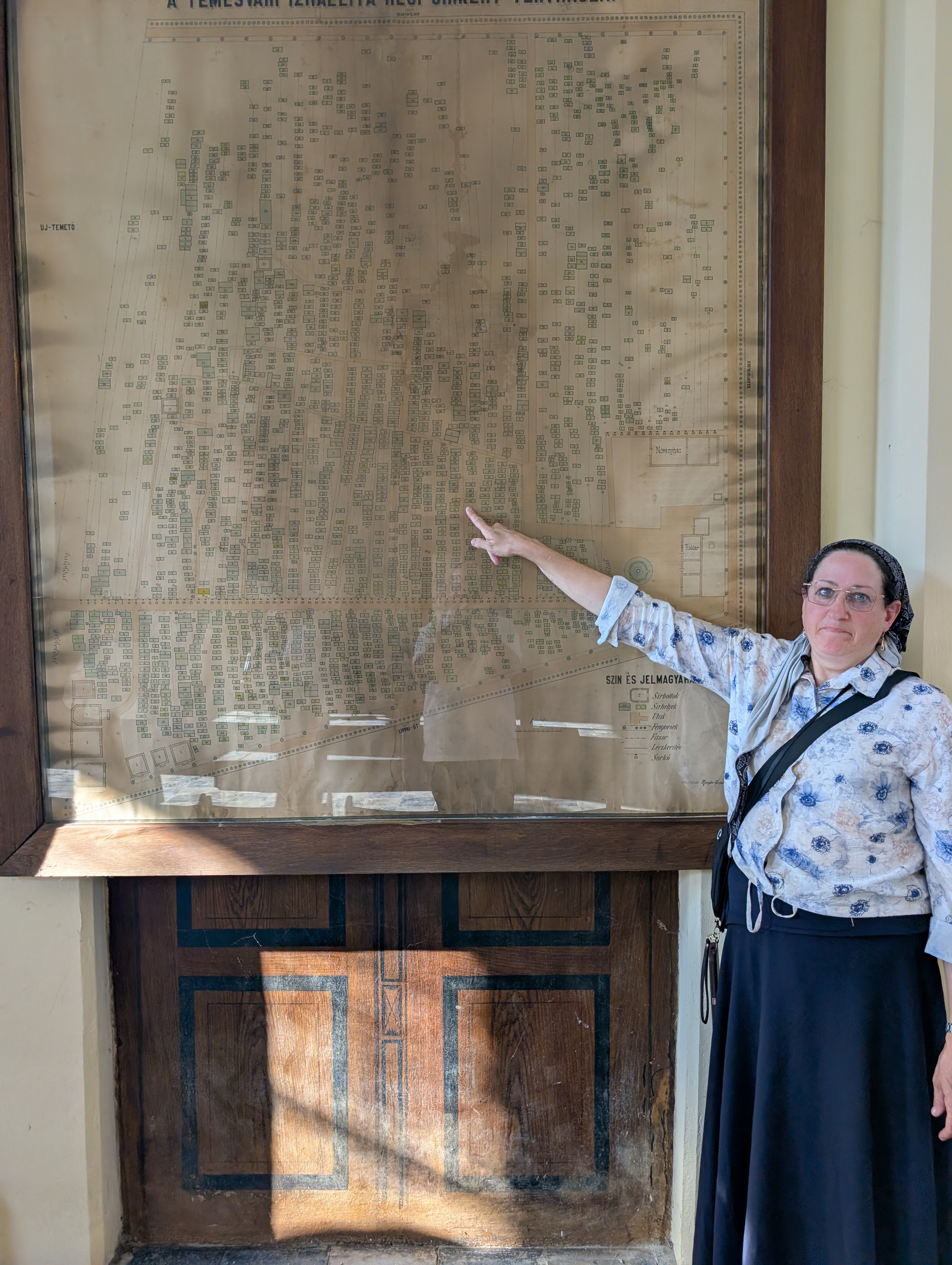
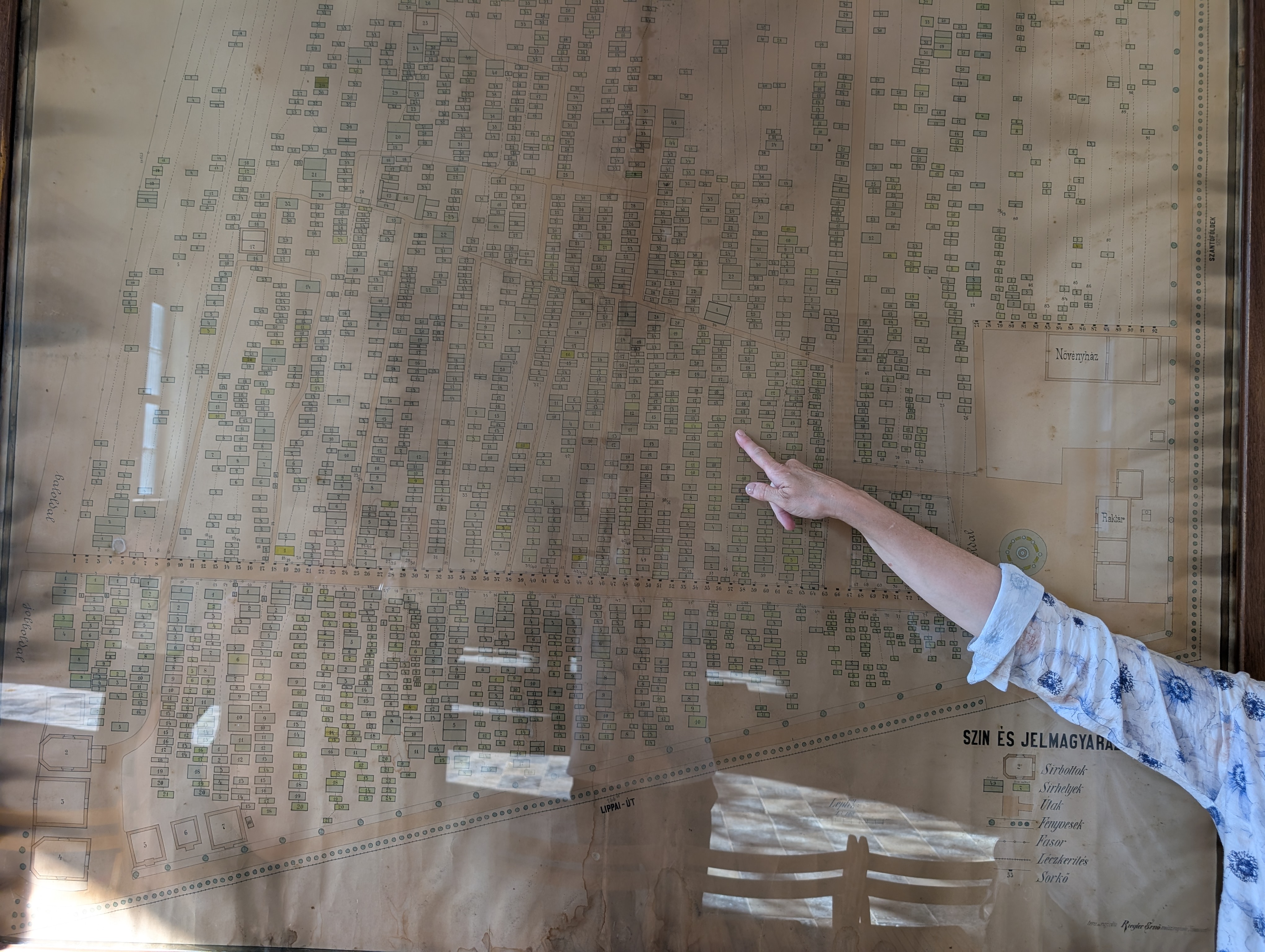
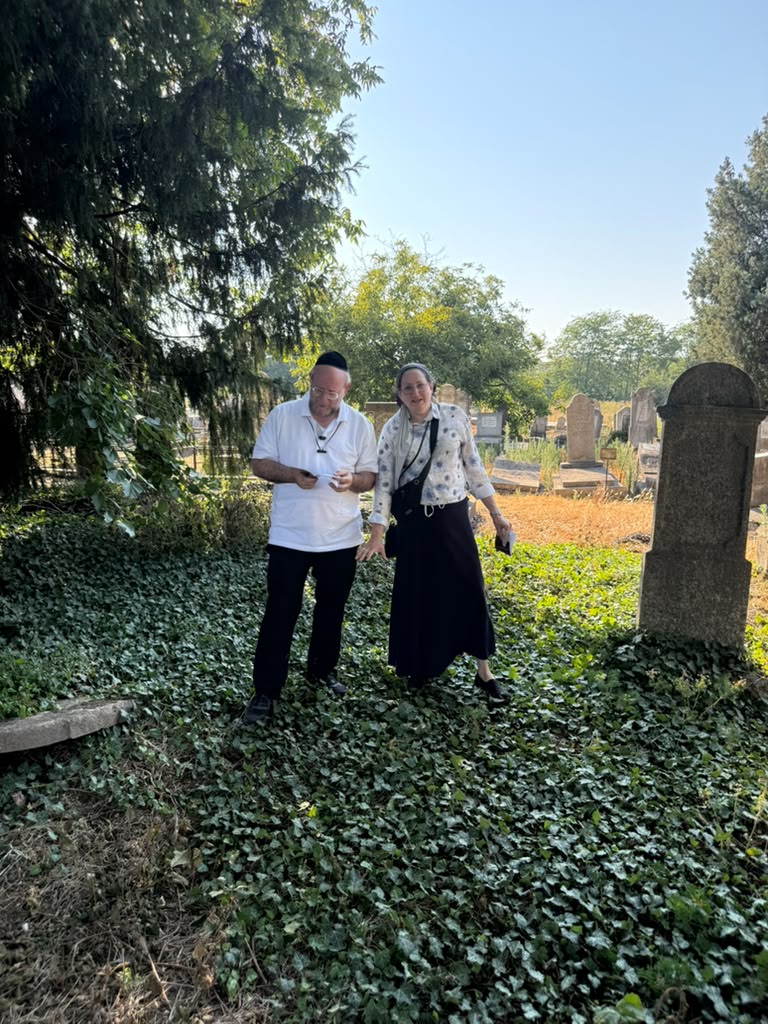
In 1912 a friend sent Rav Berachya Schück a printed attack on his father: the Levushei Mordechai of R’ Mordechai Leib Winkler, av beis din of Mád — a man who had been a welcome guest in the Schück home for years, and who had written to the Zaida repeatedly with halachic questions that Rav Berachya himself, as his father’s assistant, had often answered. More pamphlets followed from Szerencs, Mád and Galánta.
Rav Berachya Schück went to Karcag and began going through his father’s briefcase for Winkler’s own old letters. The Zaida walked in on him — “Where are you taking them?” — and forbade the whole thing: not with a single word, and not even with a single stroke of the pen. A man who will not understand cannot be reached, the Zaida said, and the wise know to keep silent.
Rav Berachya Schück answered that his father’s will had always been a holy command to him, and that this time he could not obey it. The warrant he leaned on was the Rambam’s own: the Rambam forgave insults to his honour, but his son would not accept it and could not bear it — and the Rambam ruled that the son was right. The father forgives; the son refuses; and the father’s own authority says the son may.
So it was printed here, in Temesvár — erev Rosh Chodesh Elul 5672, mid-August 1912 — under the title Lehatzdik HaTzaddik, a verse from Shlomo HaMelech’s dedication prayer. The father being defended was named Shlomo.
It runs eight pages and then stops, because Sefer Chassidim says to answer once and then say nothing further, neither small nor great. Rav Berachya Schück never argues the substance of the charges at all — only the manner of them. And it ends on Yoma 9b, on the second Beis HaMikdash falling in a generation of Torah and mitzvos and chesed because of sinas chinam, and then on a posuk from Malachi: that the hearts of sons be returned to their fathers.
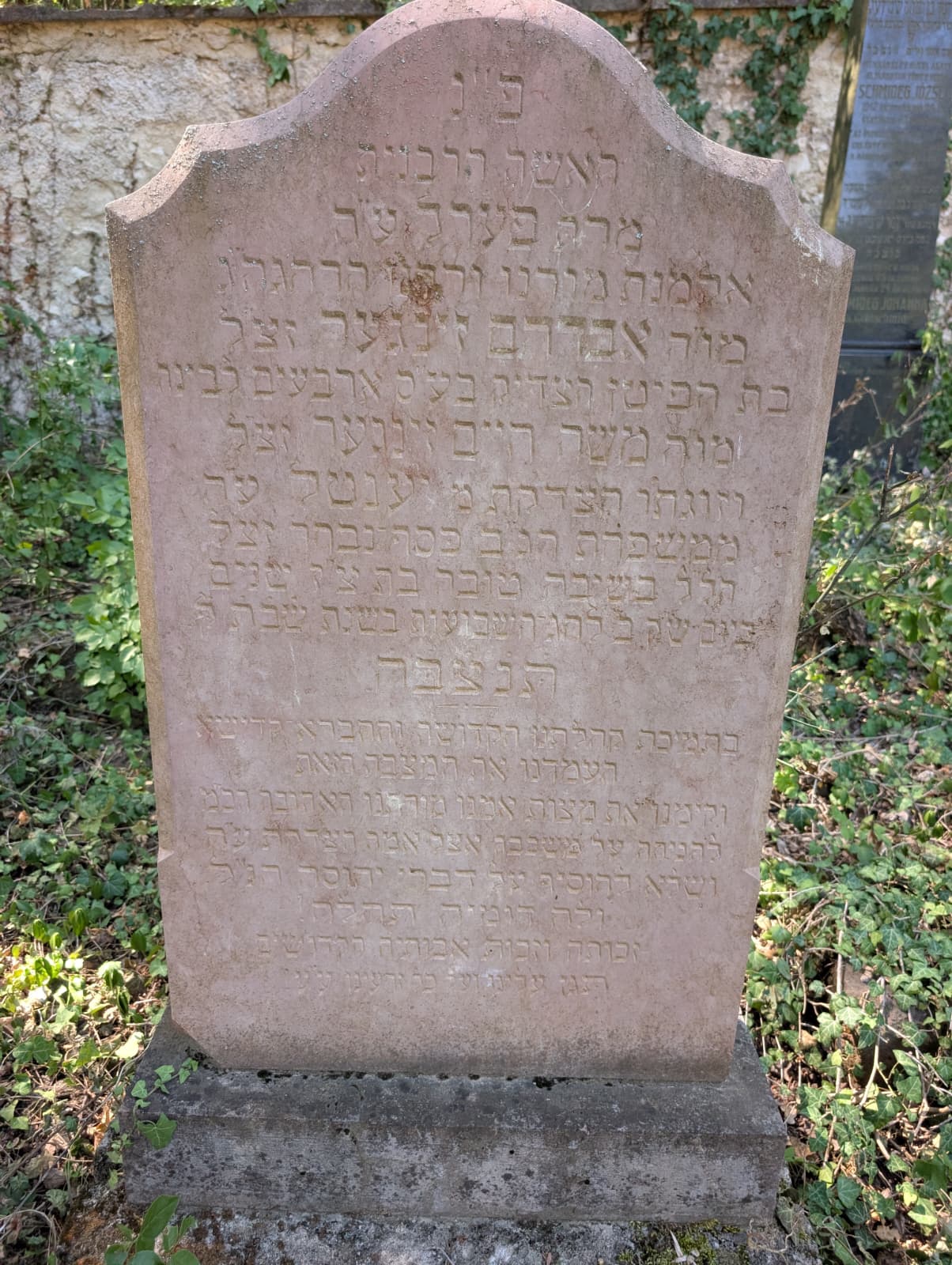
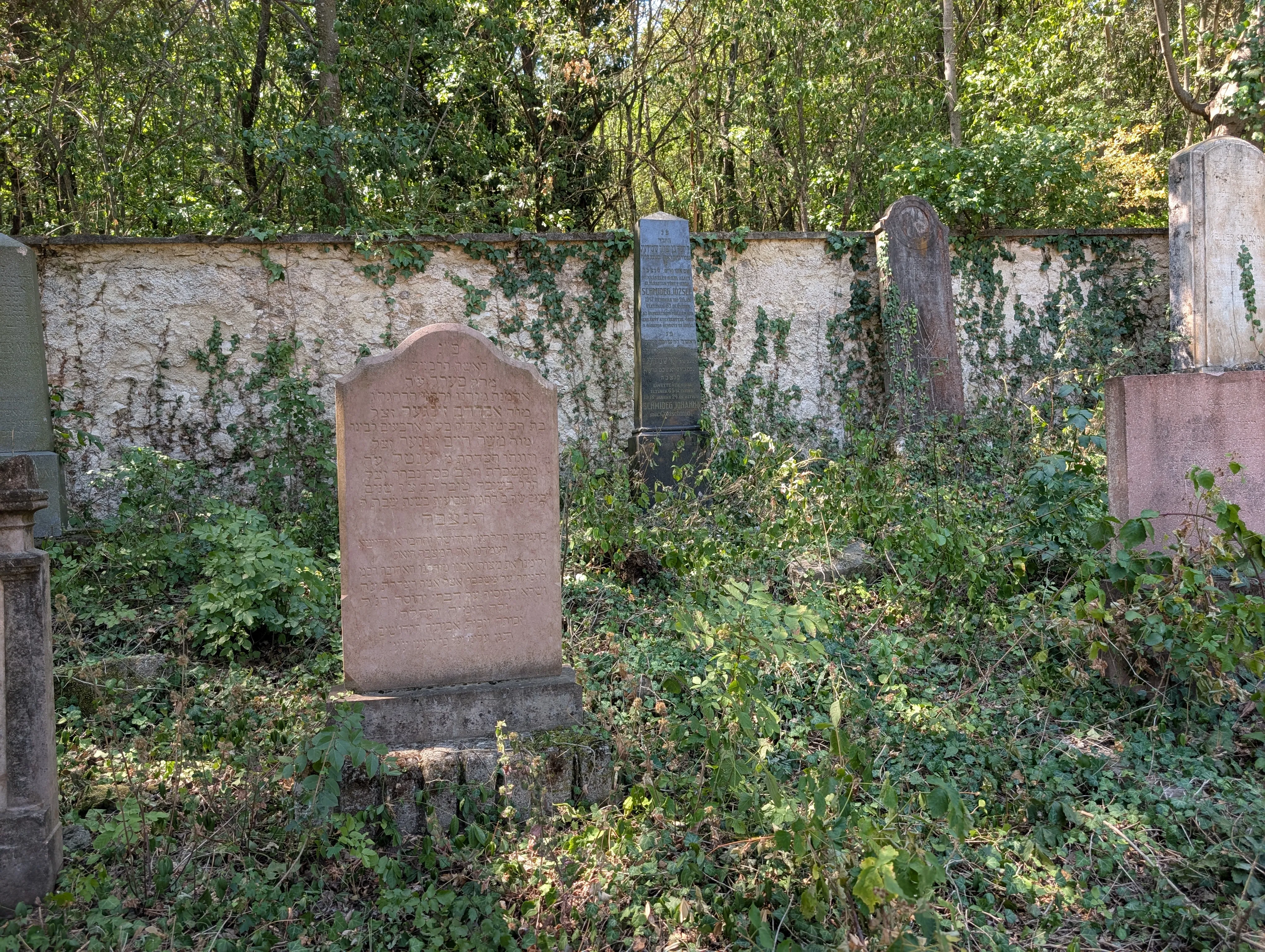
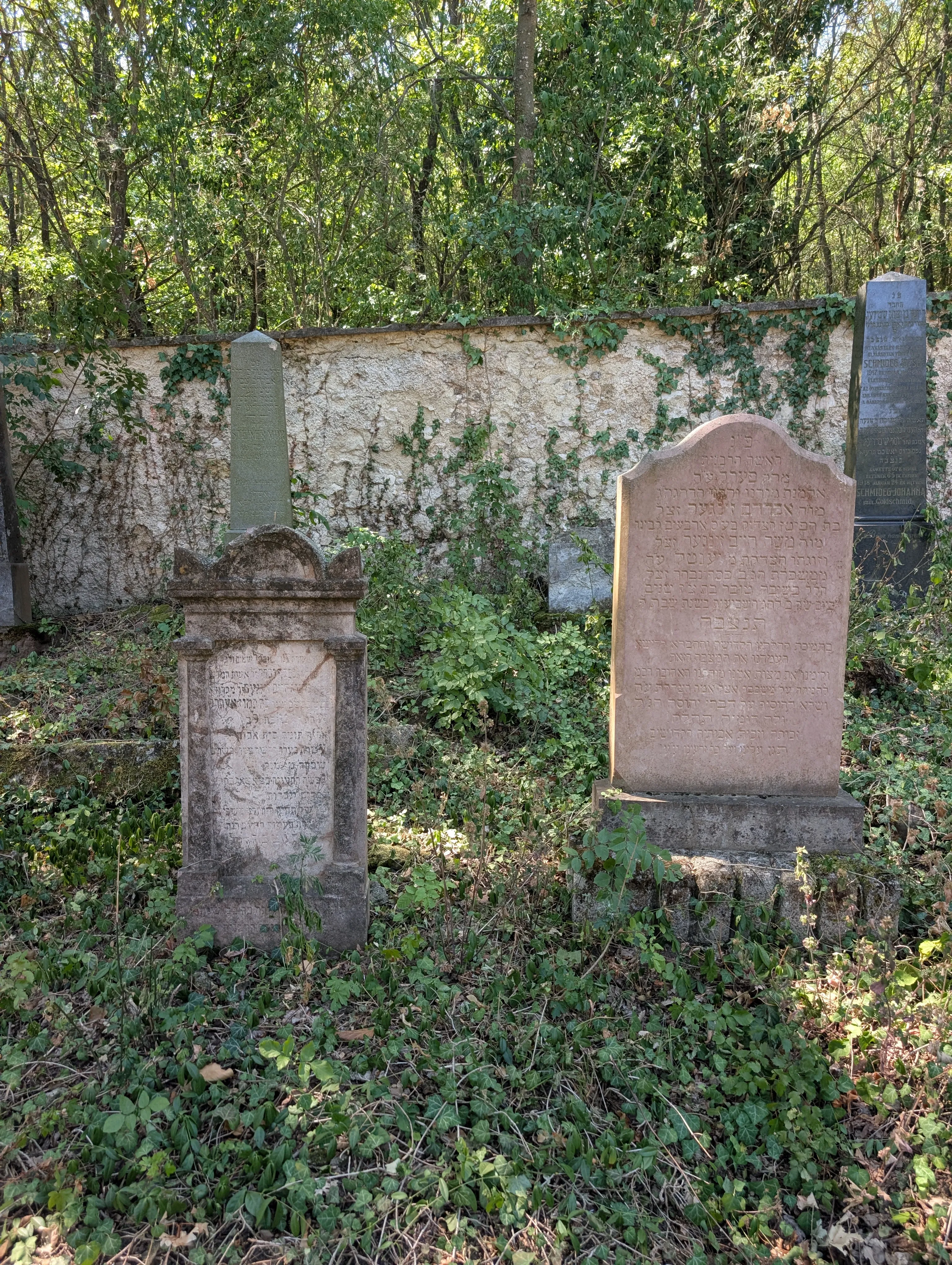
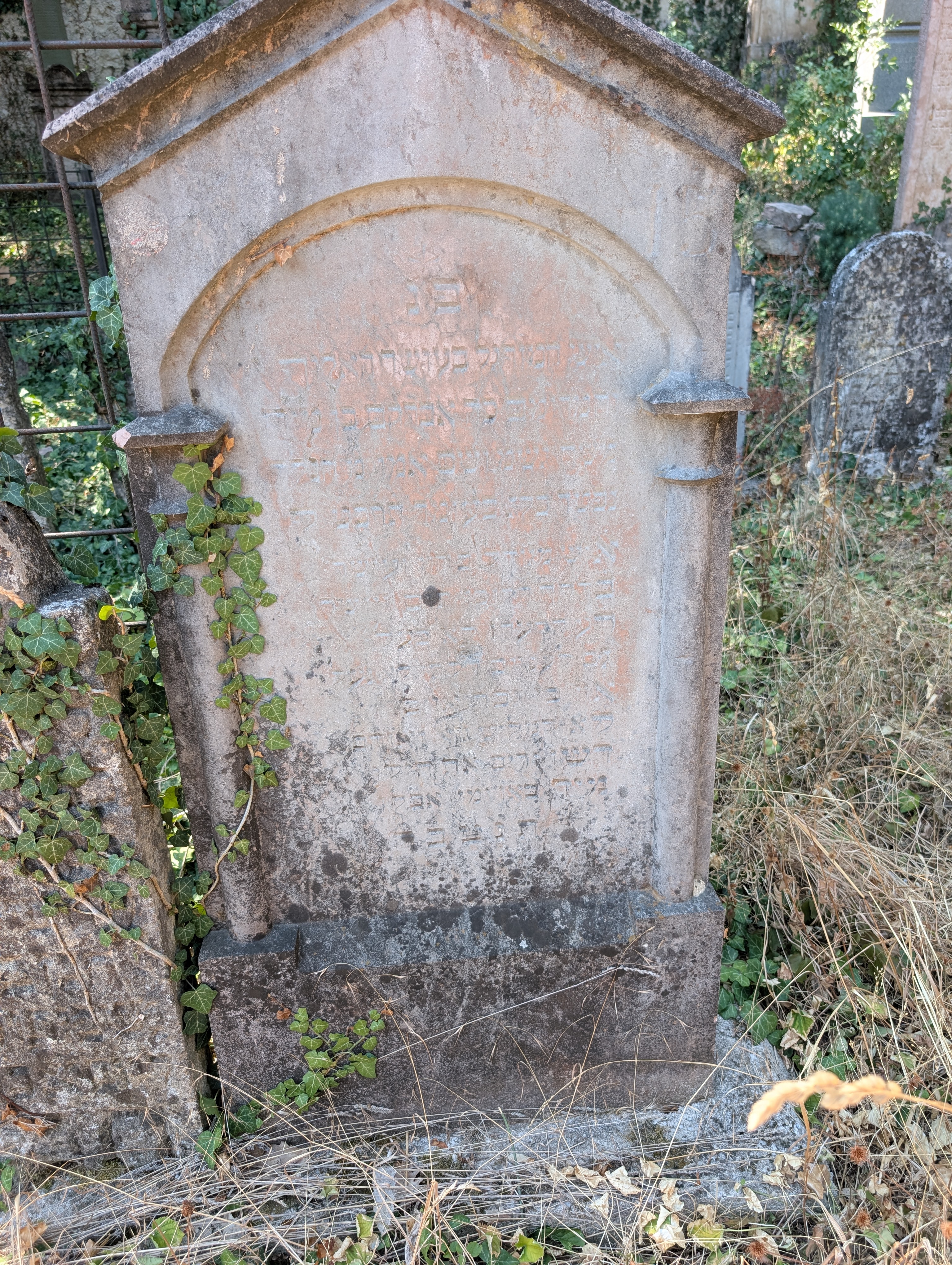
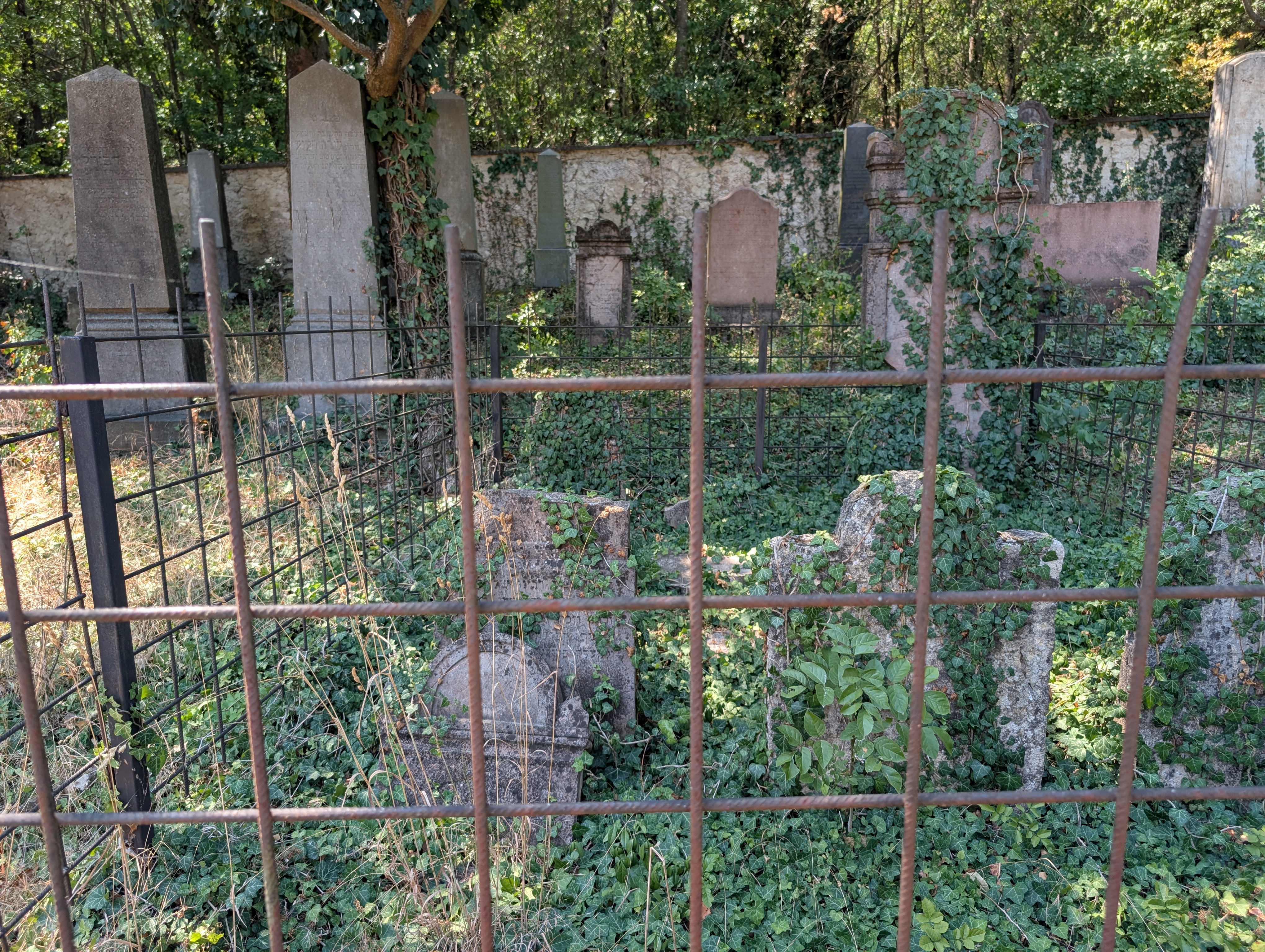
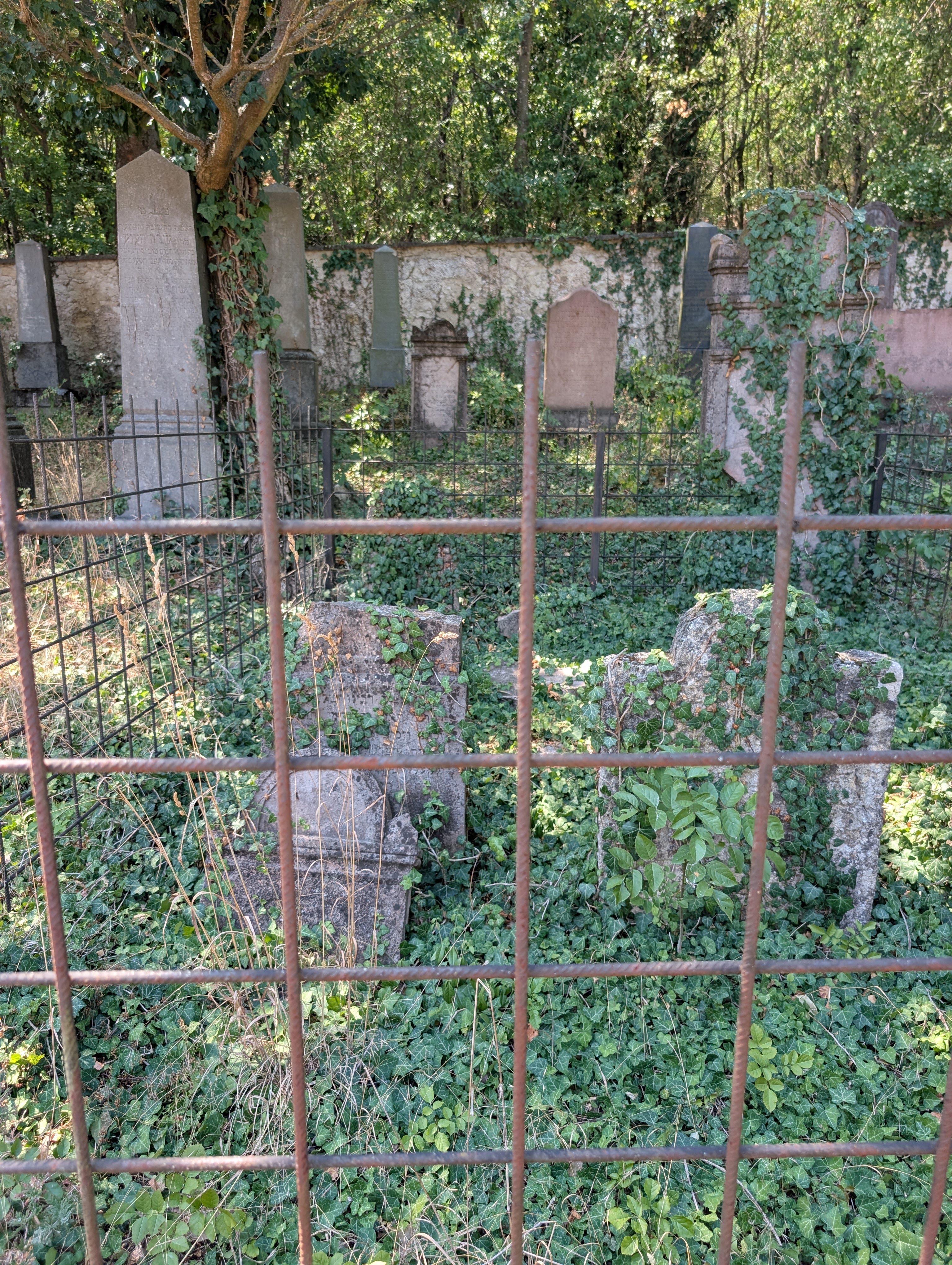
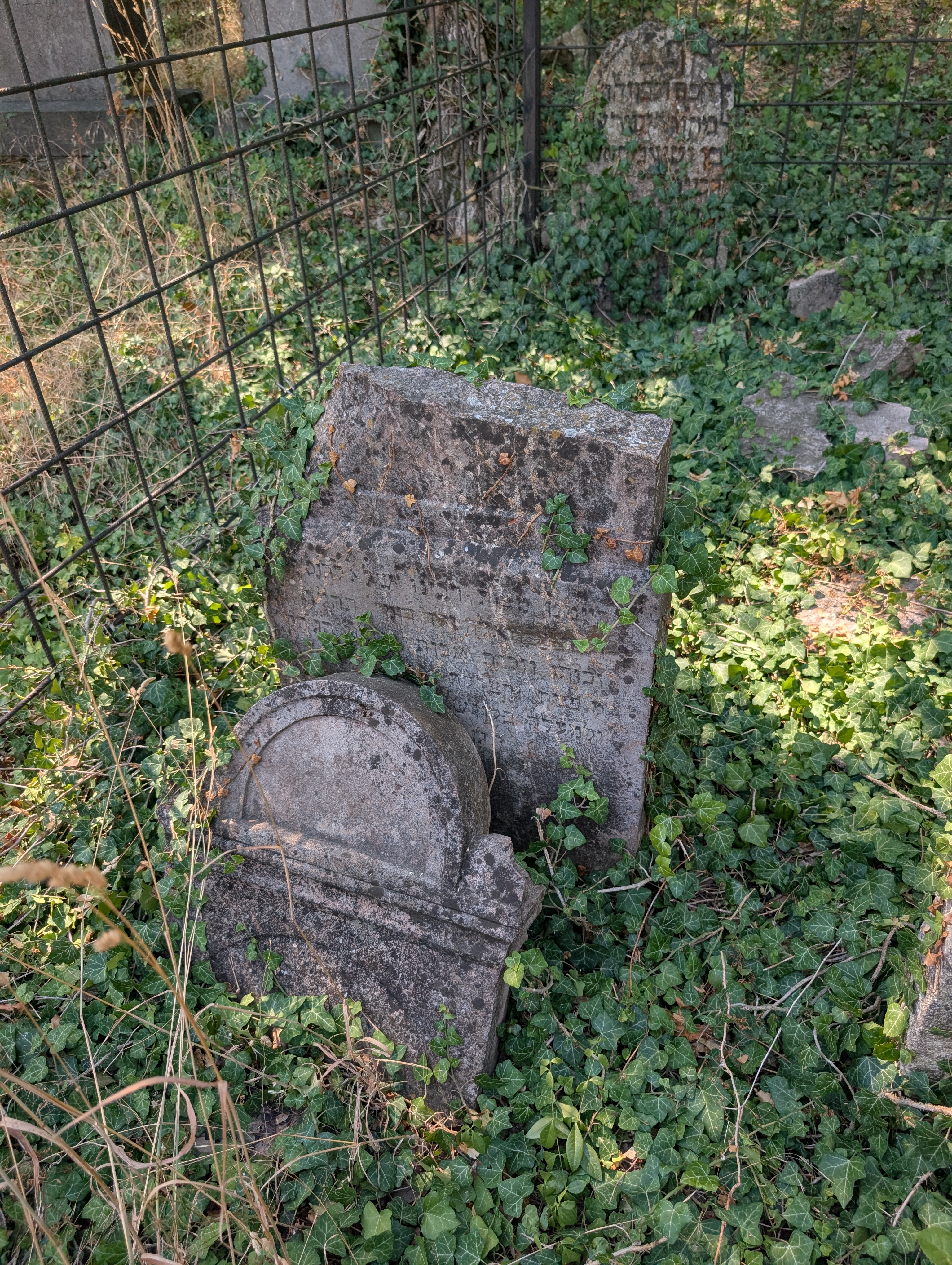
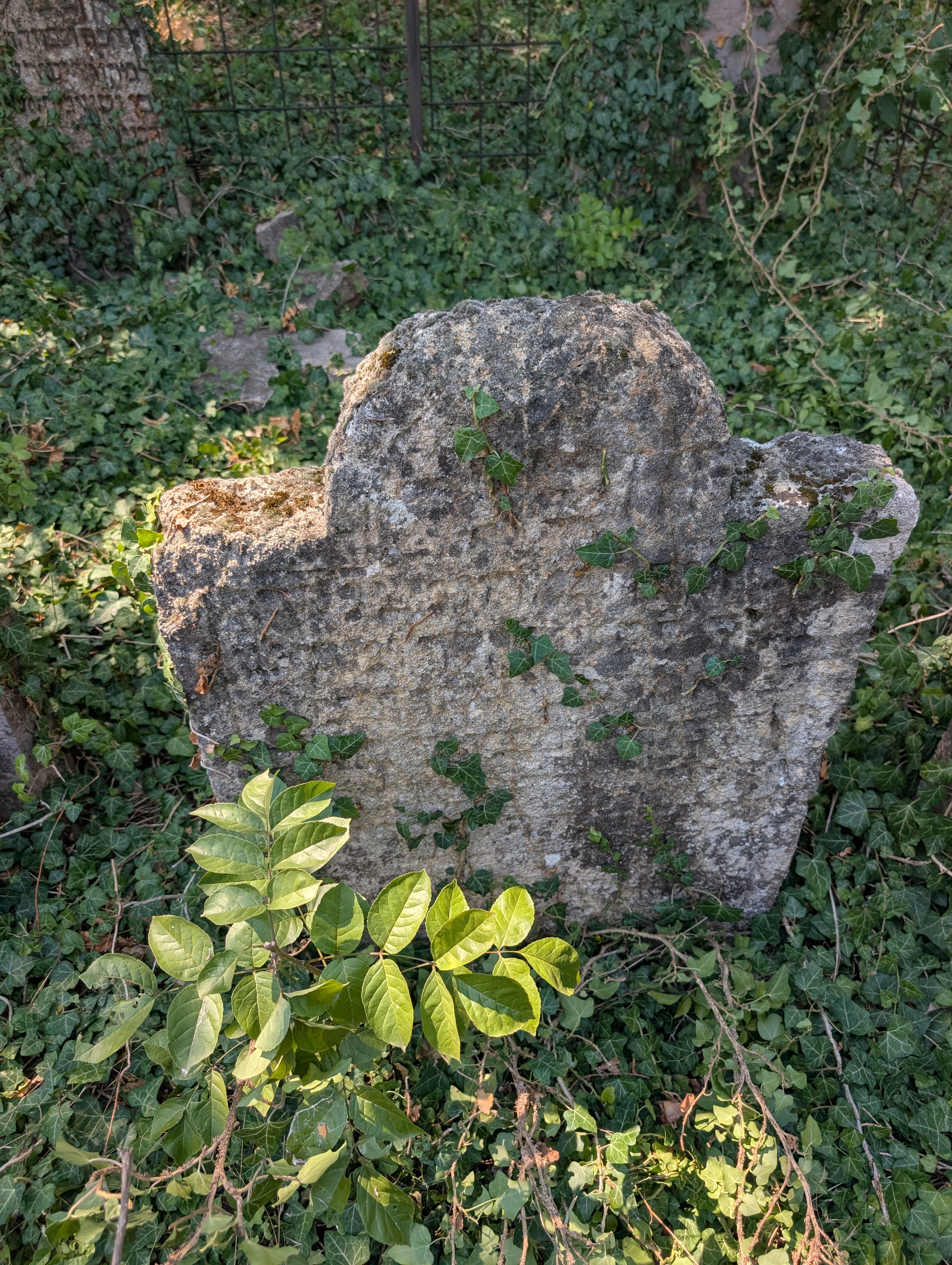
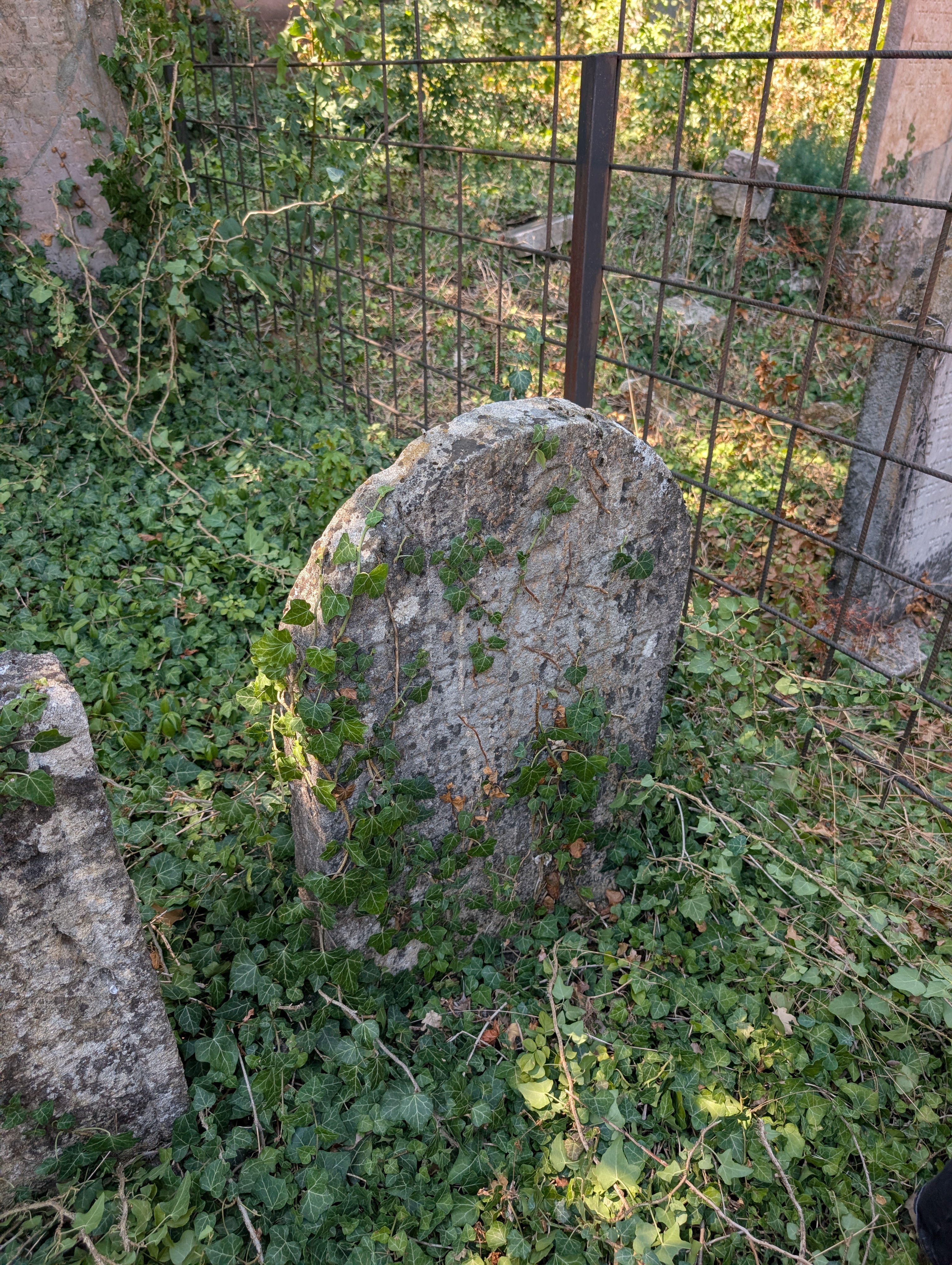
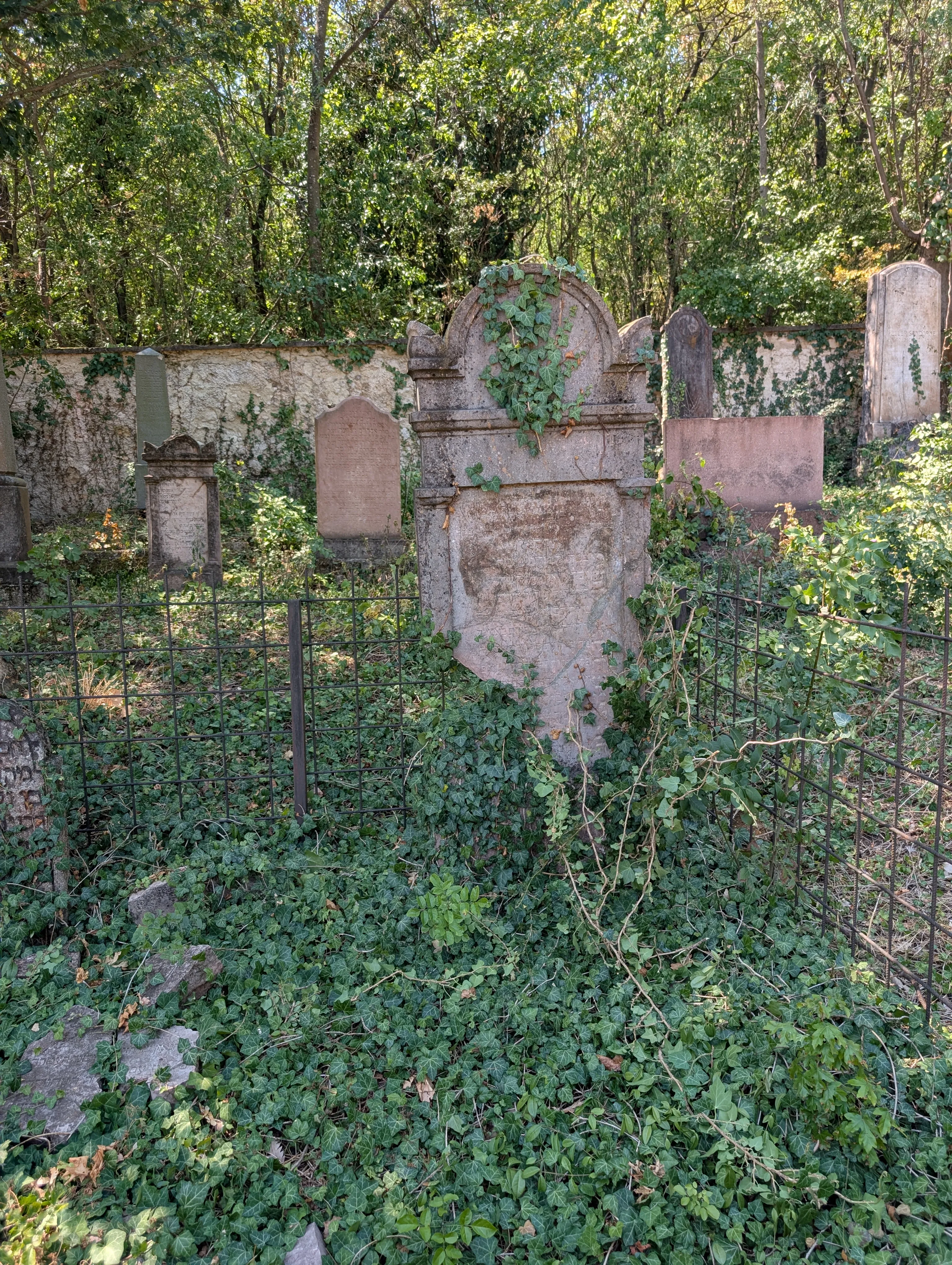
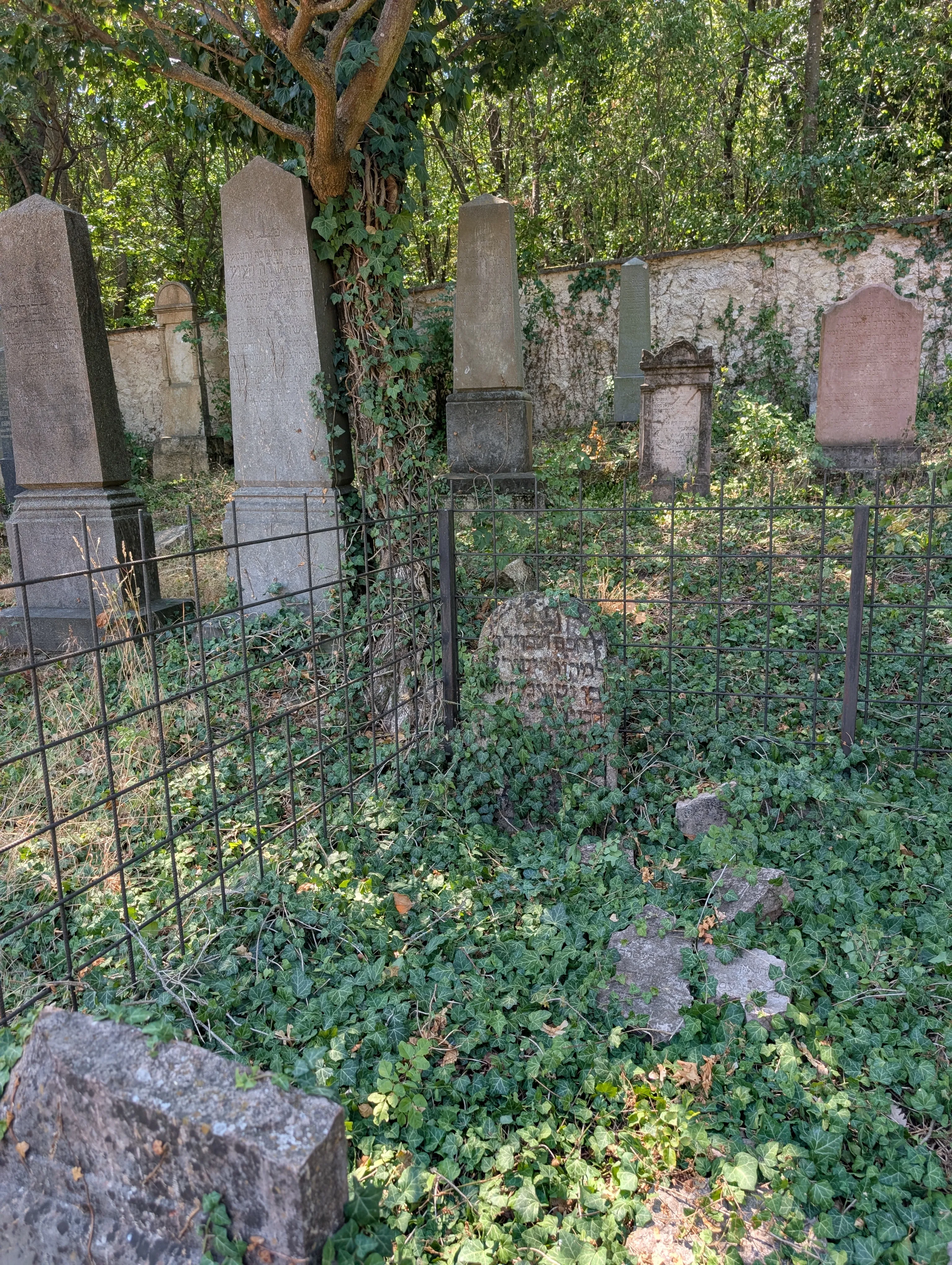
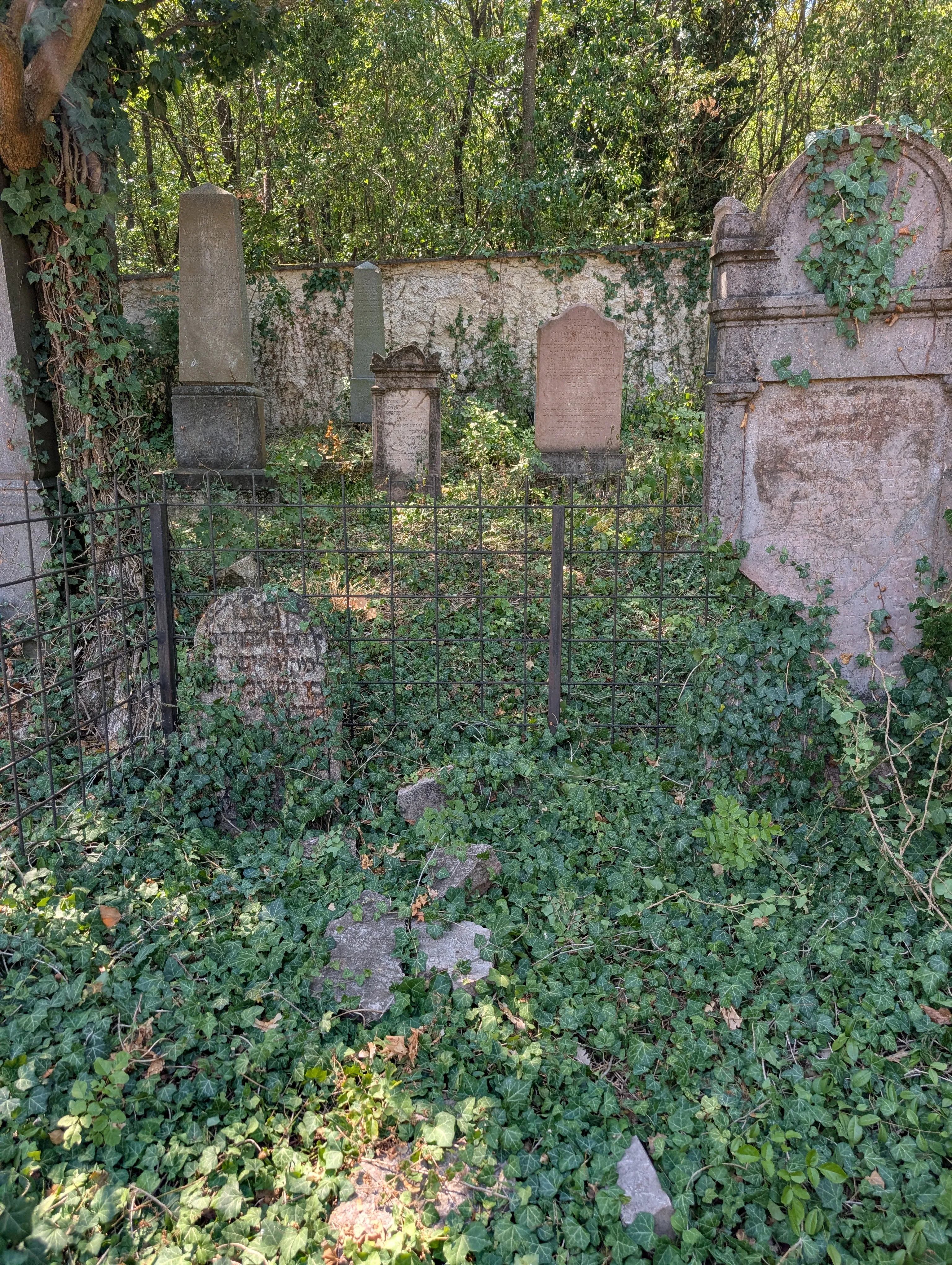
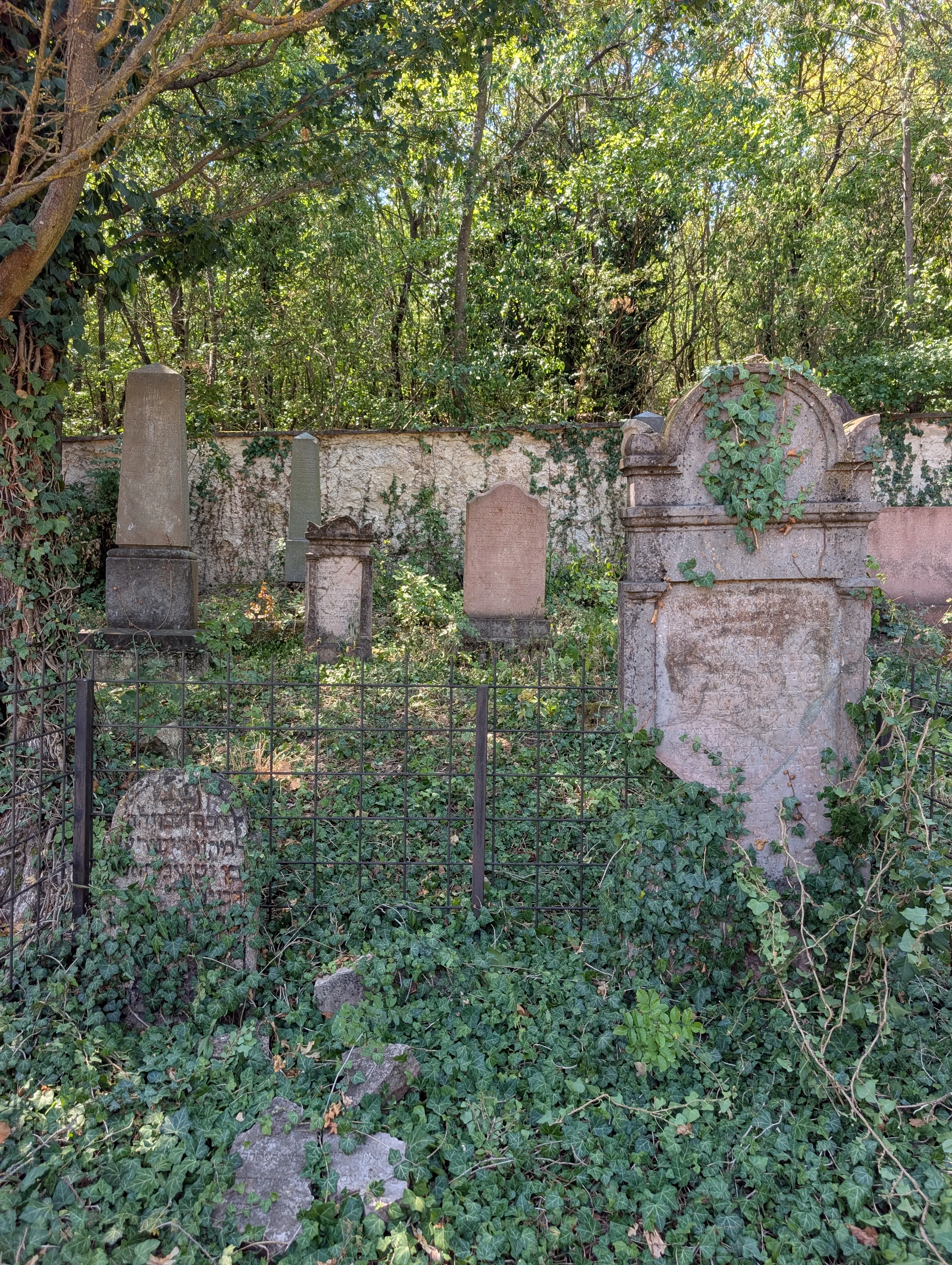
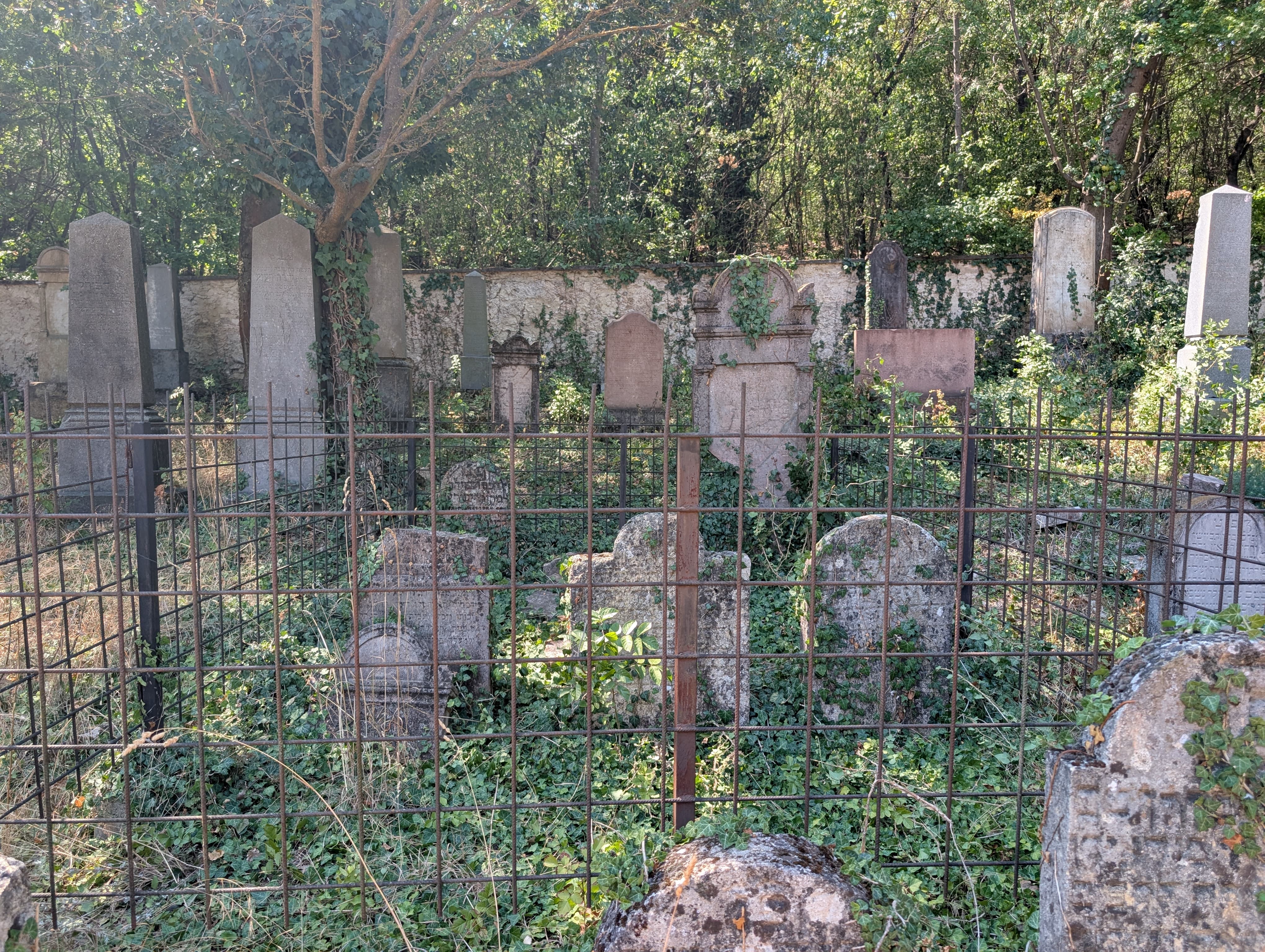
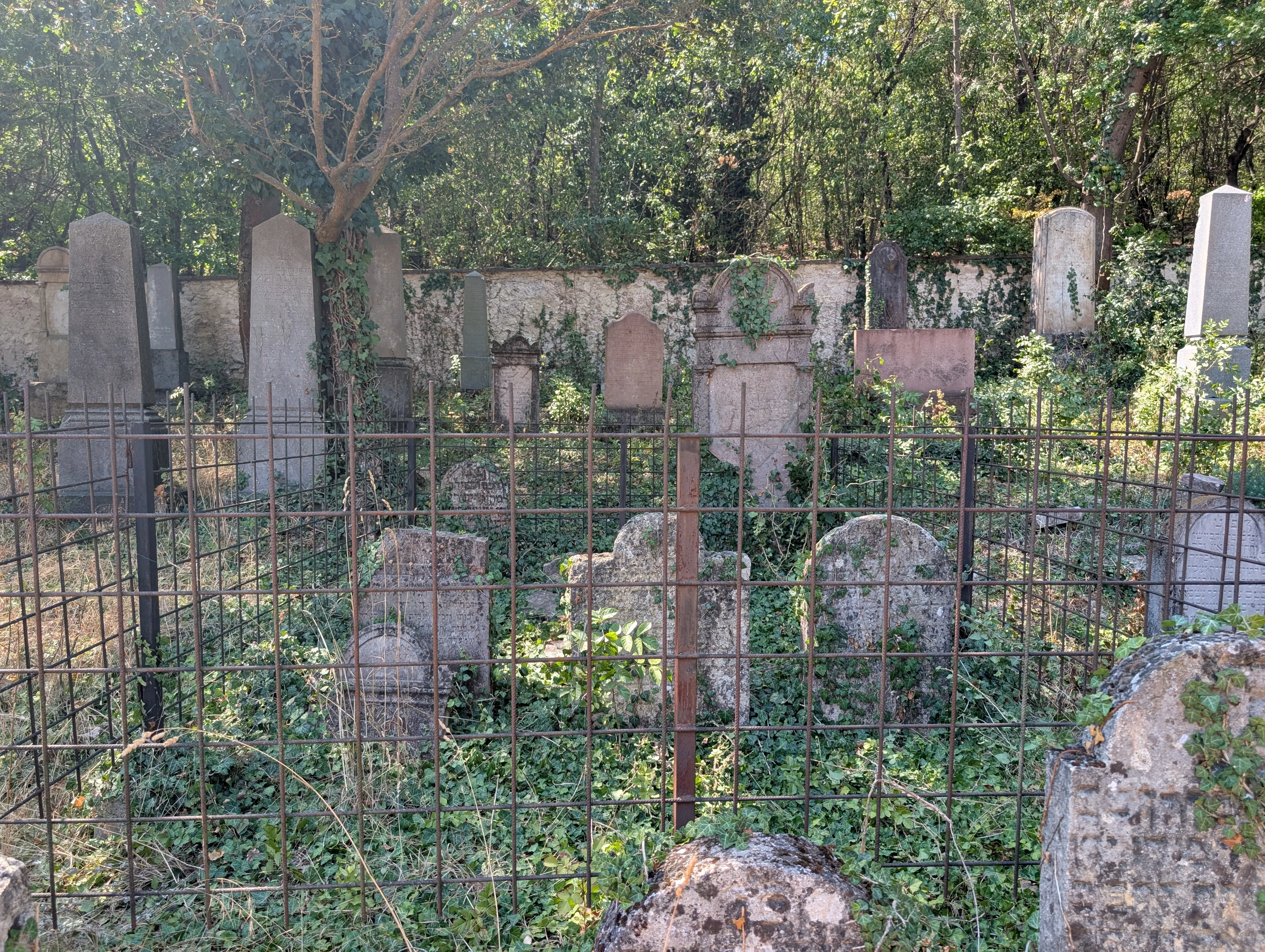
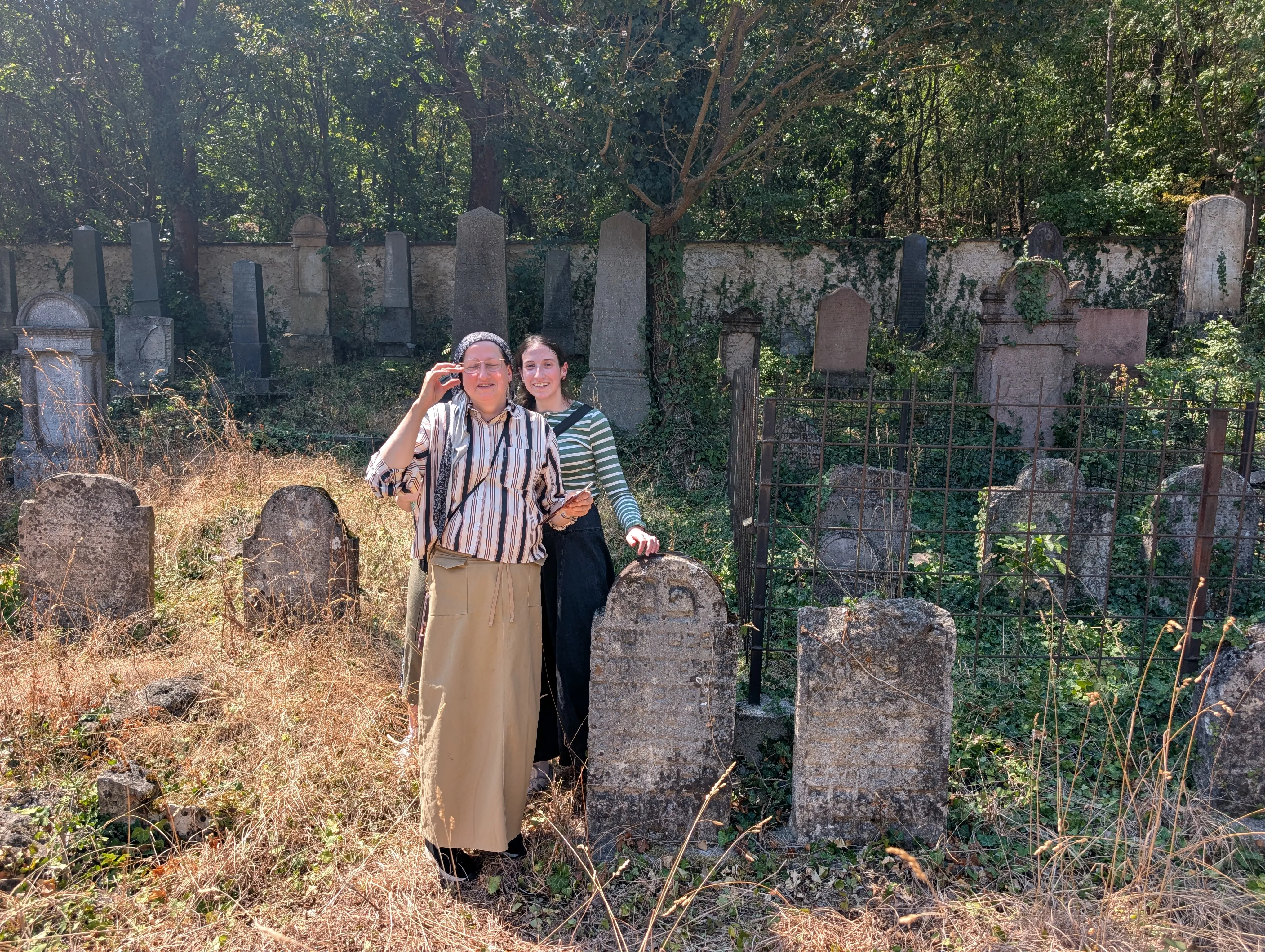
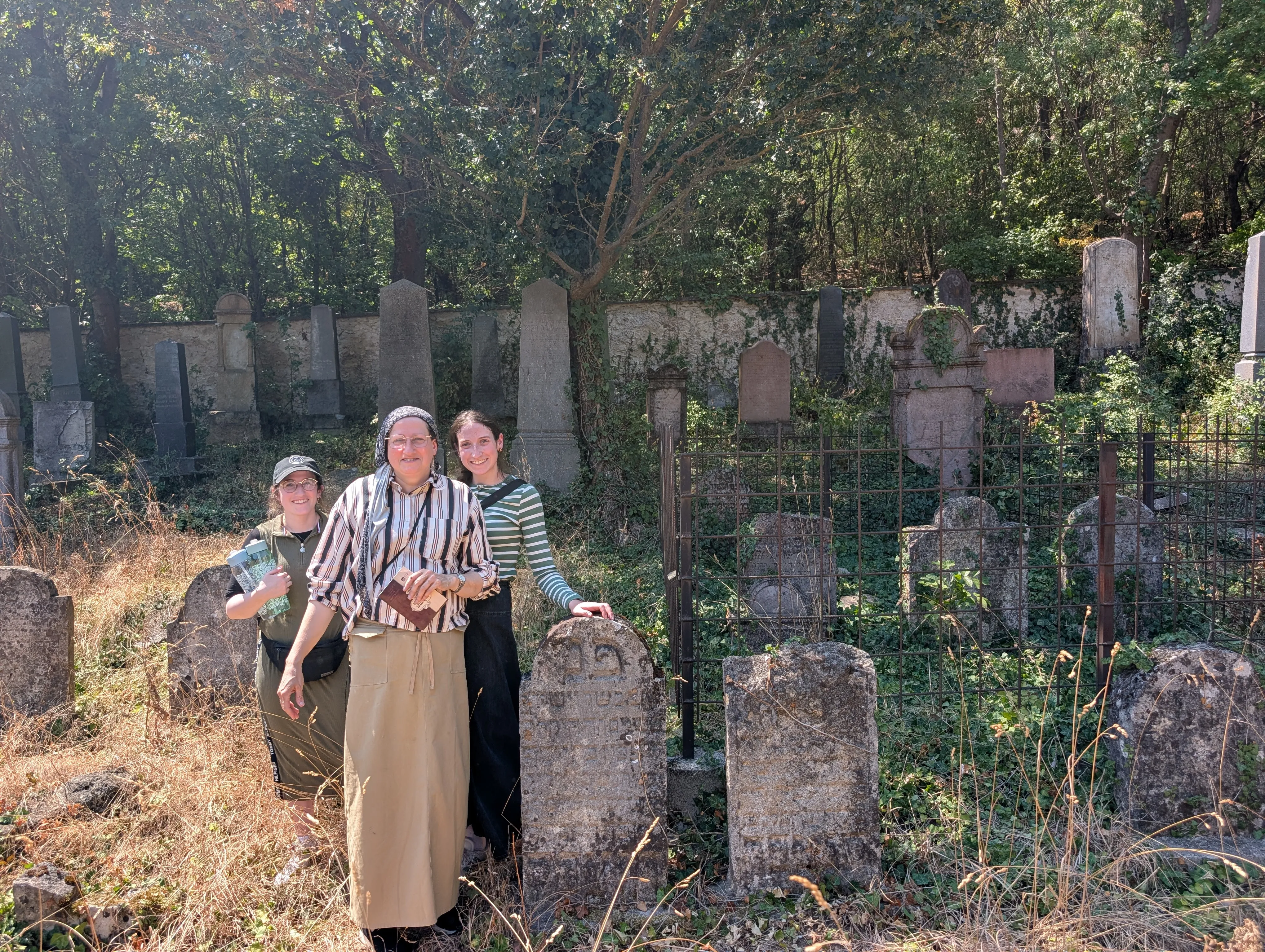
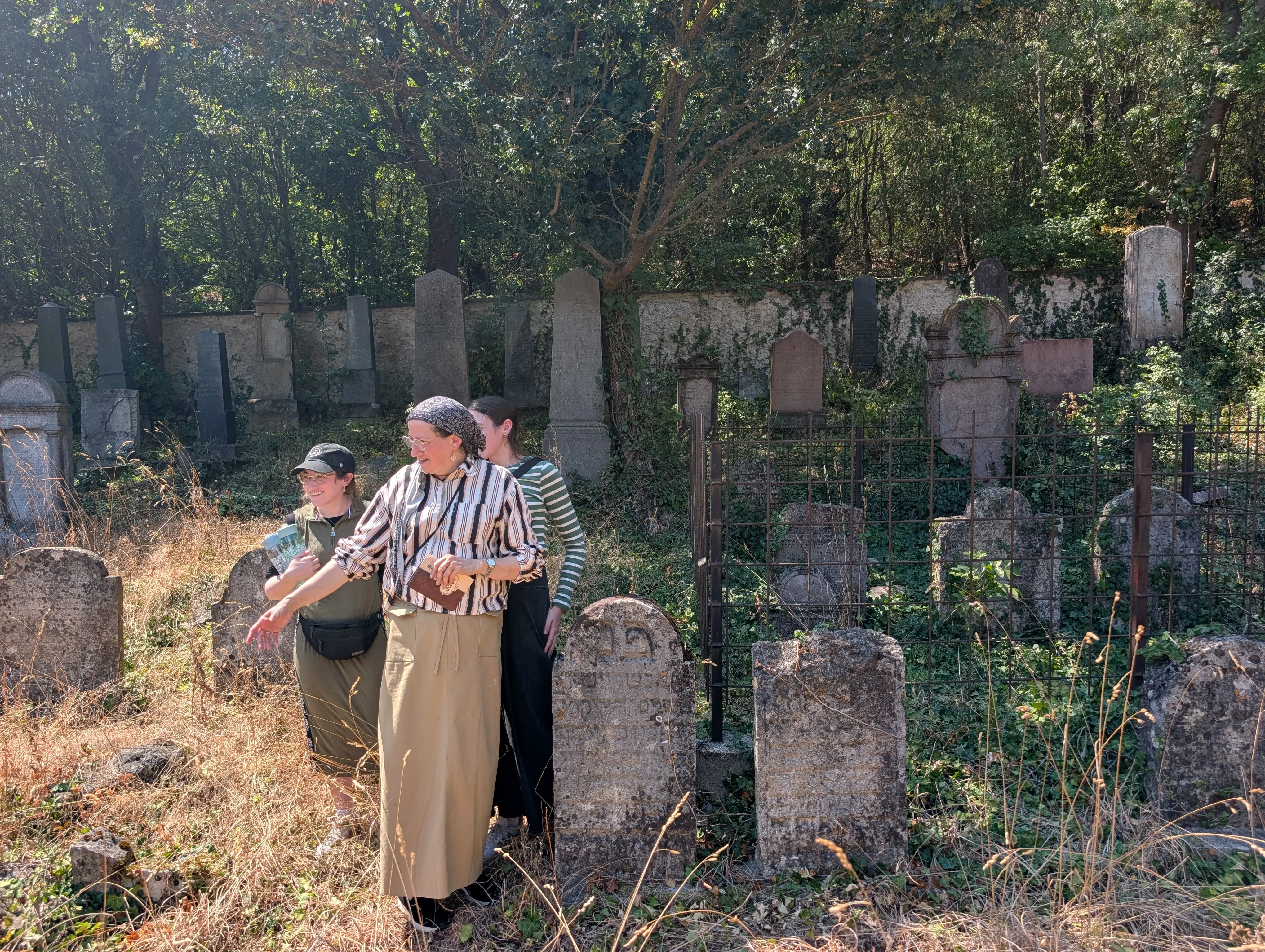
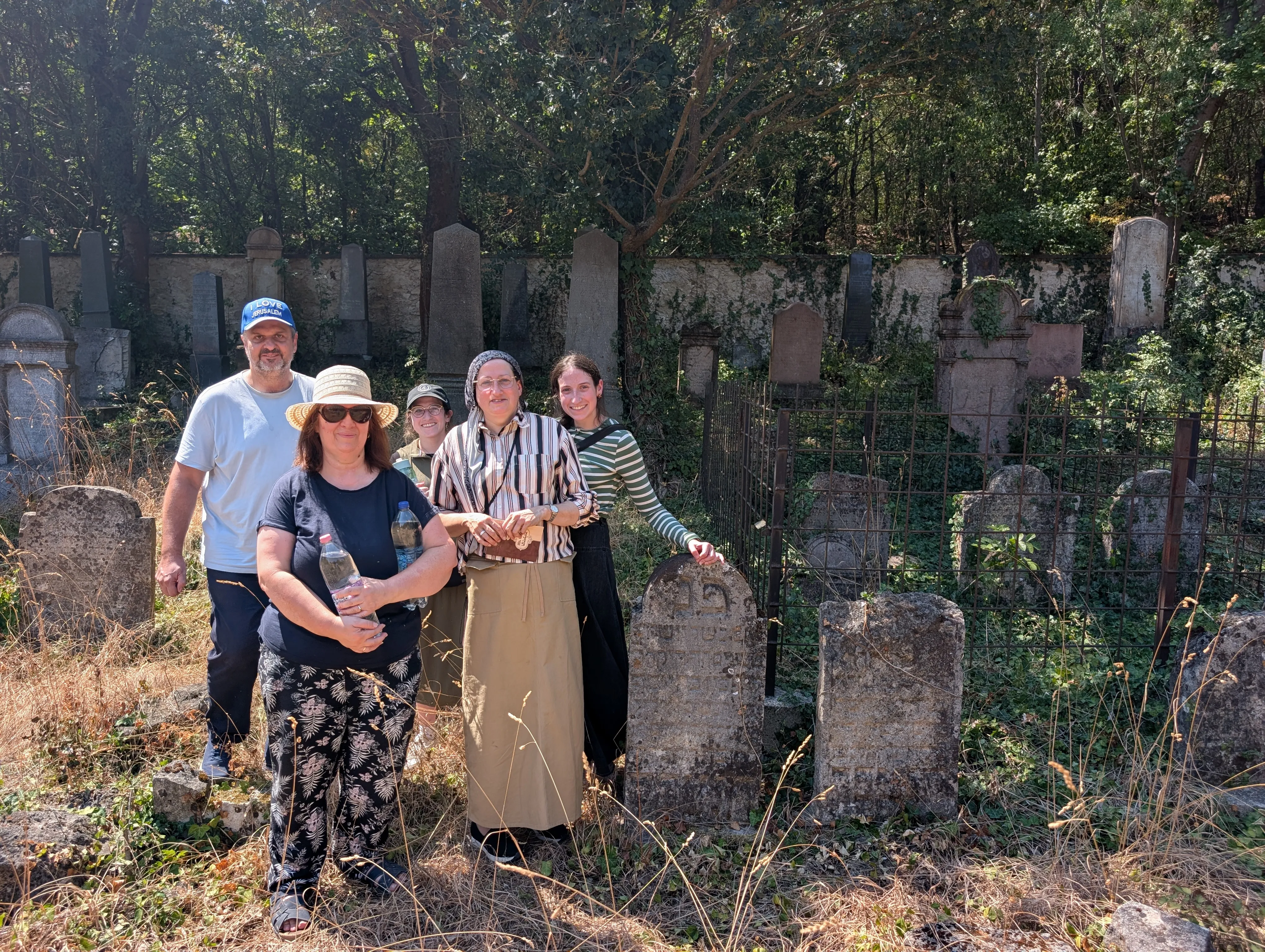
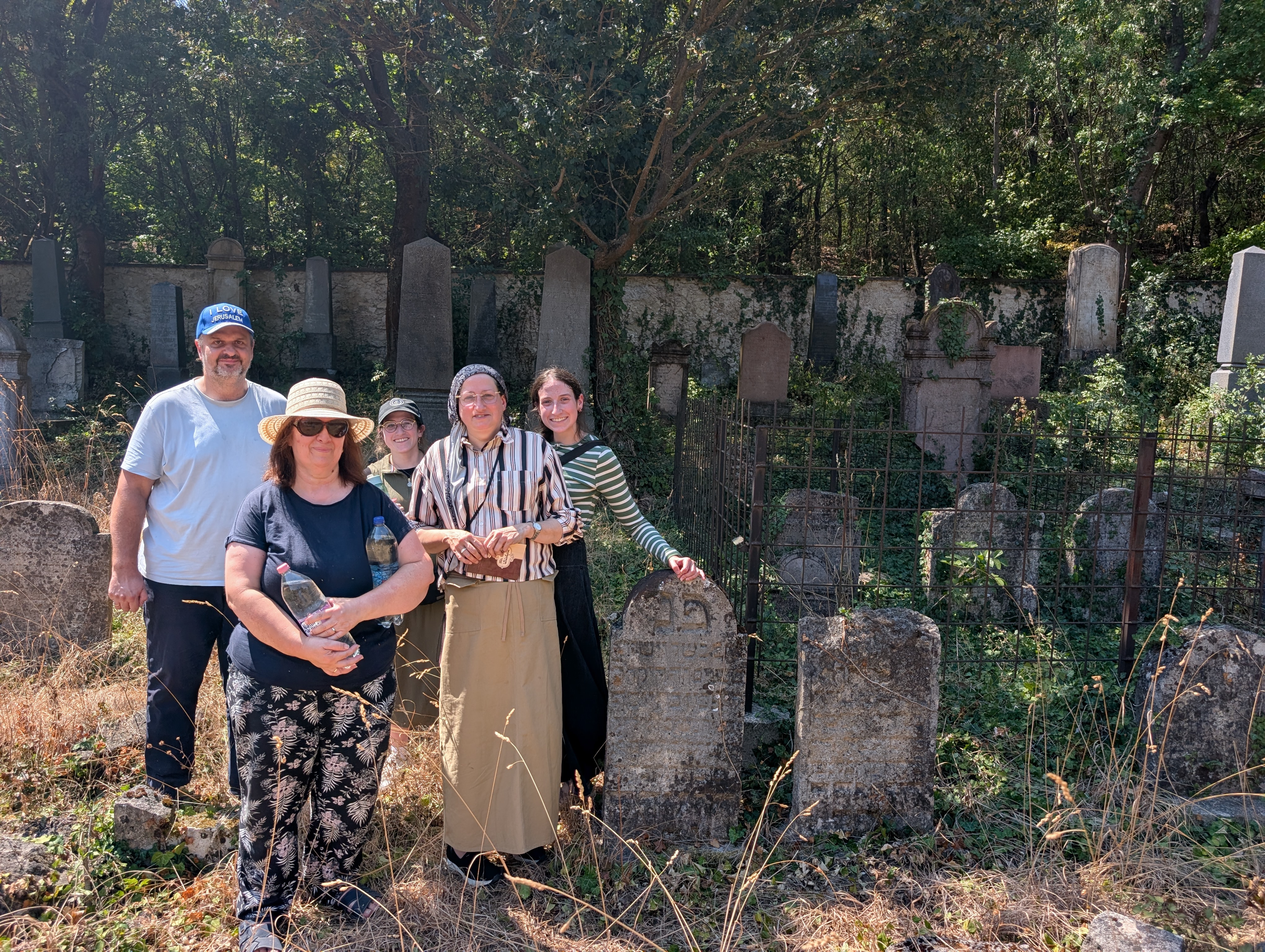
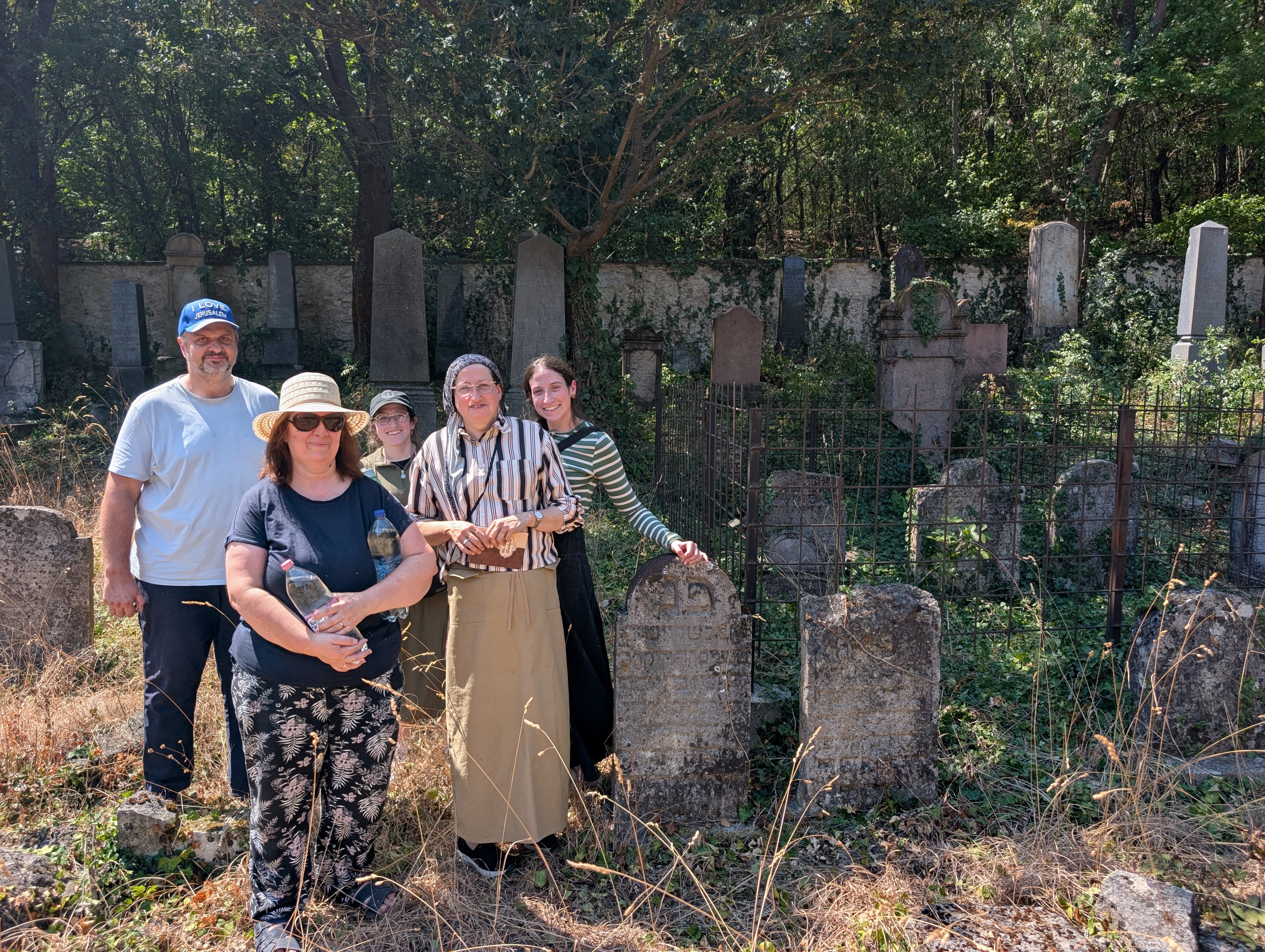
R’ Avrohom Singer, A.B.D. Verpelét, died at Várpalota on 4 January 1914 and is buried here. The tree has carried that for years and nothing about the visit changes it. But the stone was not found on the day.
This is not a neglected cemetery. It is walled, legally protected, kept in order, and the oldest stone in it dates to 1740. That makes the absence harder to explain, not easier — and it means the likeliest answer is that we did not look in the right place, rather than that the stone is gone.
Perl’s own matzevah records that the kehillah and the chevra kadisha put it up, and that it was set where she herself had asked to lie. A rov’s stone would not be far from his rebbetzin’s. The next person to go should start at Perl’s stone and work outward.
In the meantime the search does not have to wait for another trip. The stones standing around Perl’s were photographed, and they are in the grid above. They are published here for one reason: so that a reader who knows the lettering, or knows the family, can go through them and say here it is. If that is you, tell us which view number.
פ"נ · האשה הרבנית · מרת פערל ע"ה, widow of מוה’ אברהם זינגער זצ"ל.
Her own descent follows: daughter of מוה’ משה חיים זינגער and מרת יענטל ע"ה. So Perl was a Singer by birth as well as by marriage — the two of them were cousins who married.
She died ביום עש"ק בחג השבועות בשנת שב"ת — on erev Shabbos, on Shavuos itself, 6 Sivan 5702 = Friday 22 May 1942, aged 97. The weekday, the yom tov and the chronogram all agree, which is what fixes the reading.
The cemetery is at the end of Mátyás király utca and it is locked. The way in came from the town hall: the mayor of Várpalota, Campanari-Talabér Márta, answered an email with the location and a name.
That name is Újvári Gábor, president of the Hungarian–Israeli Friendship Society, who lives in the town. Called from the gate, he came straight over with his wife and let the family in.
When they were offered something for their trouble, they refused it, saying they are already paid from upstairs.
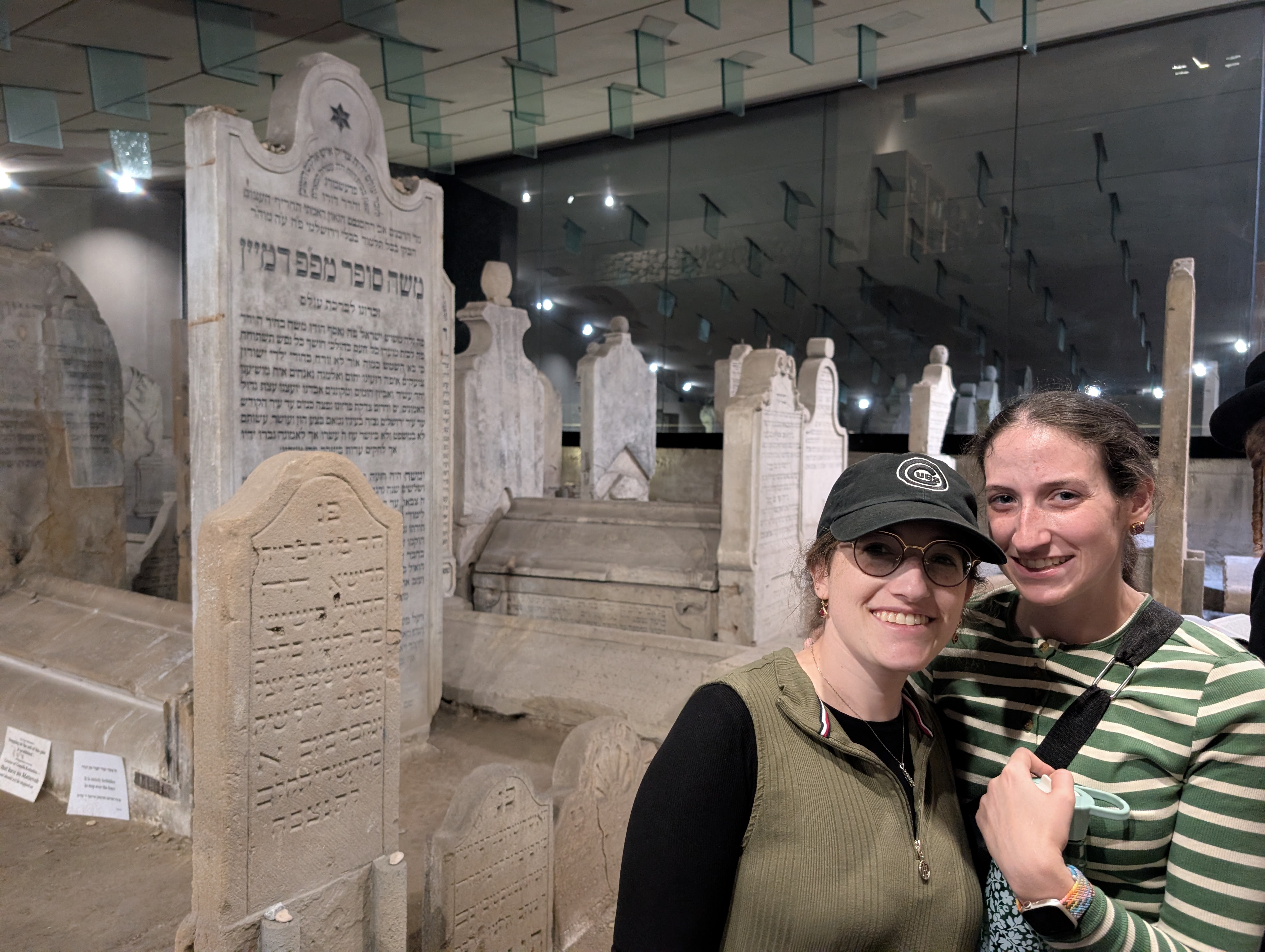
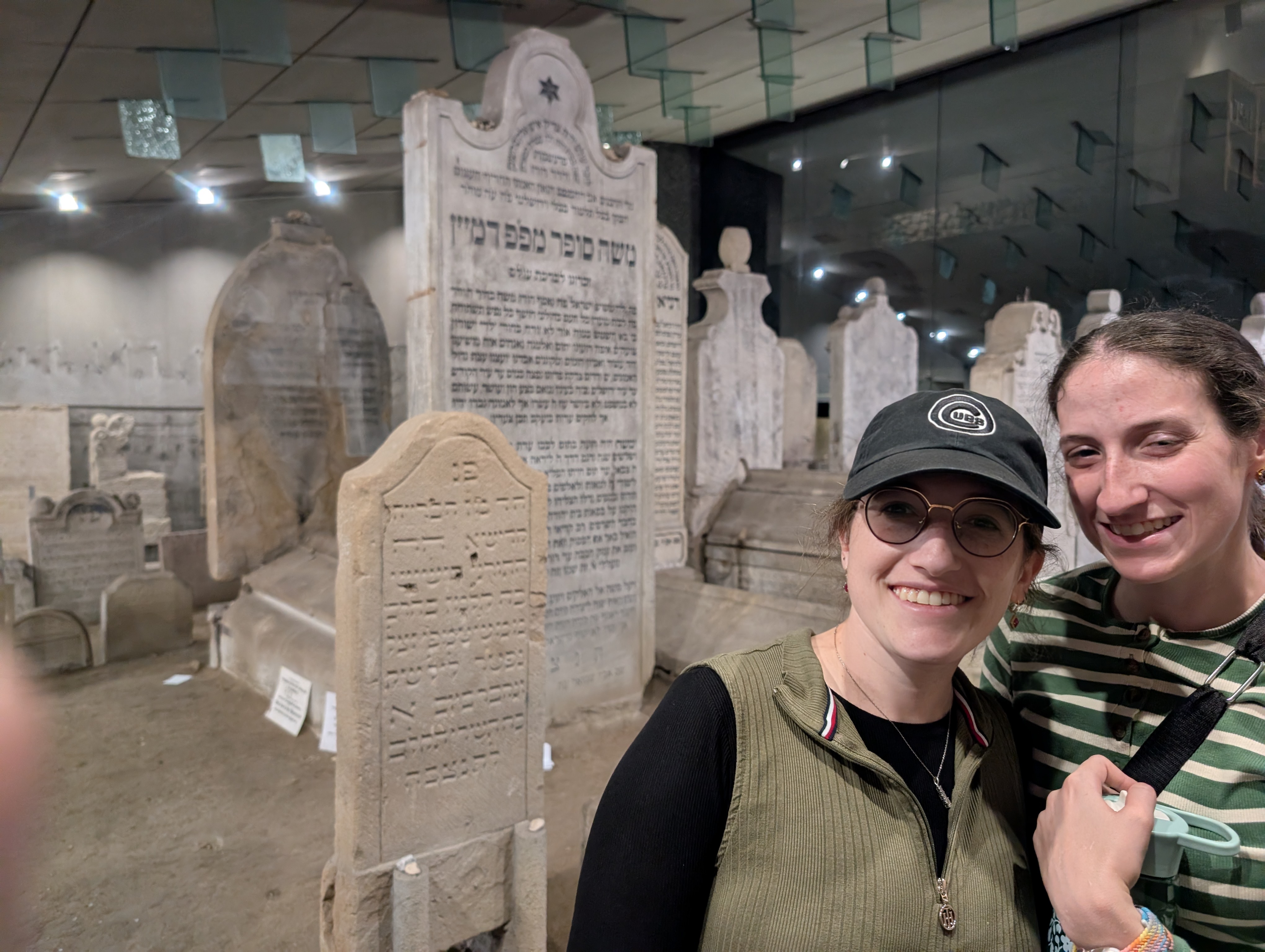
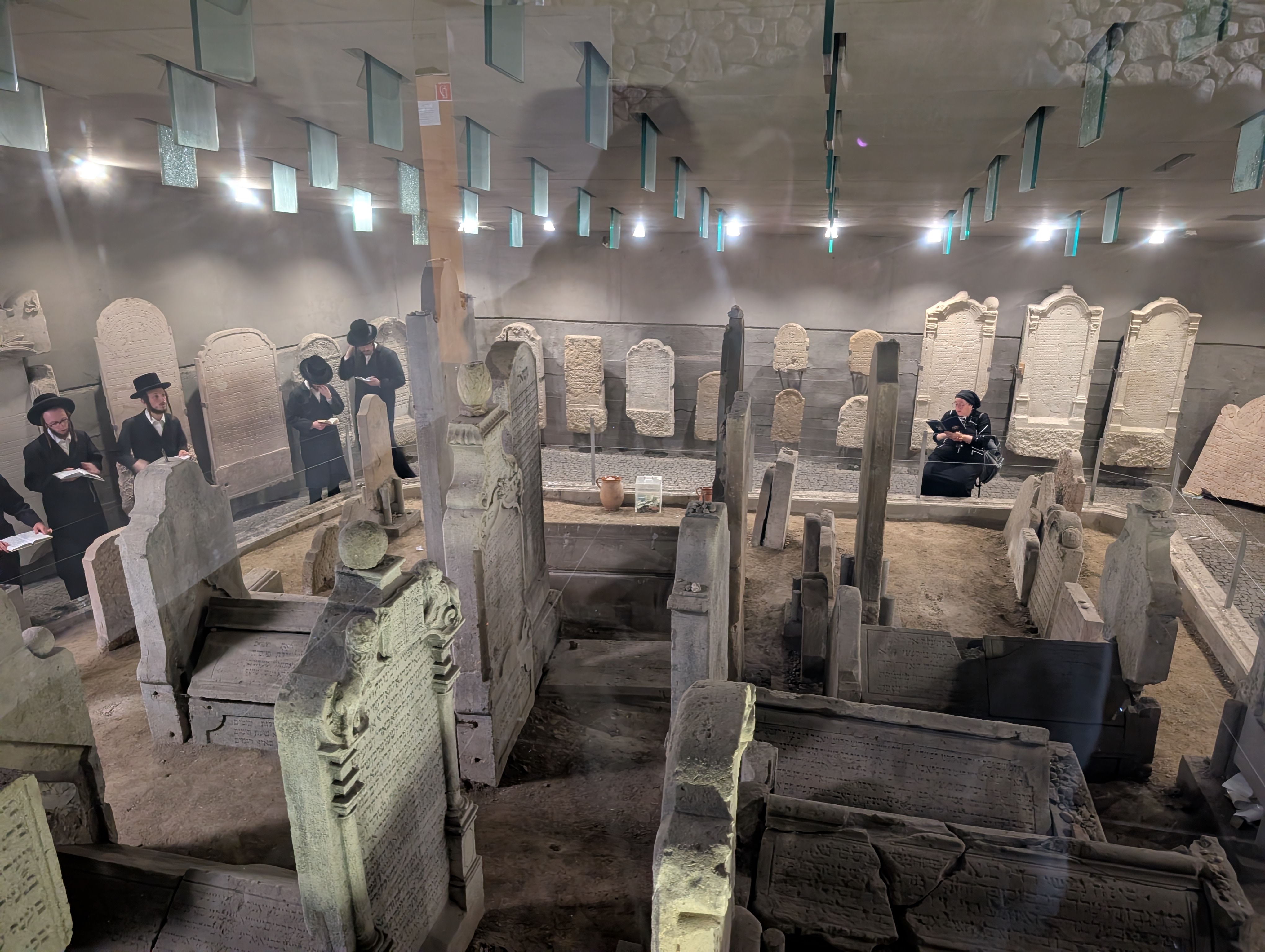
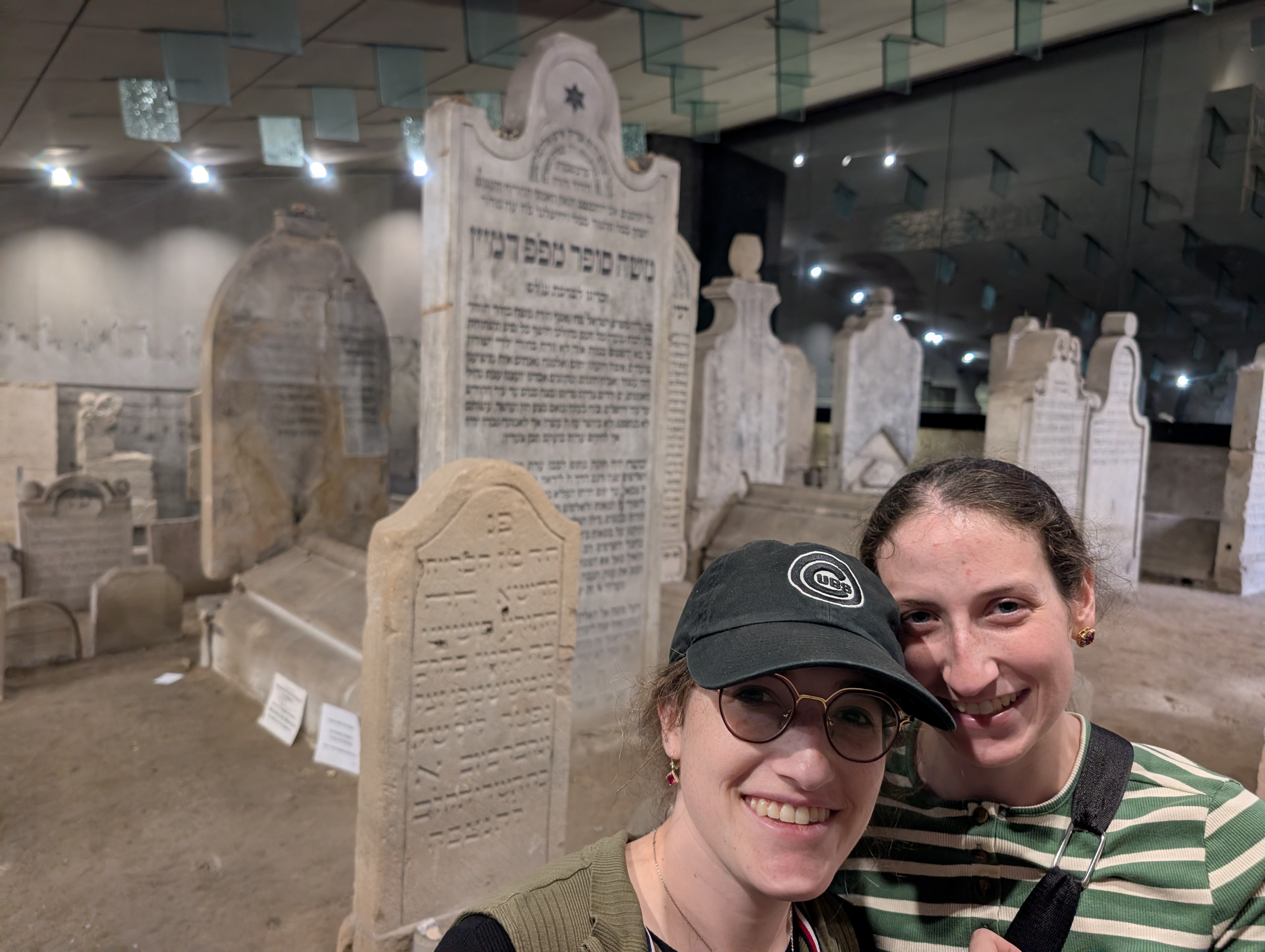
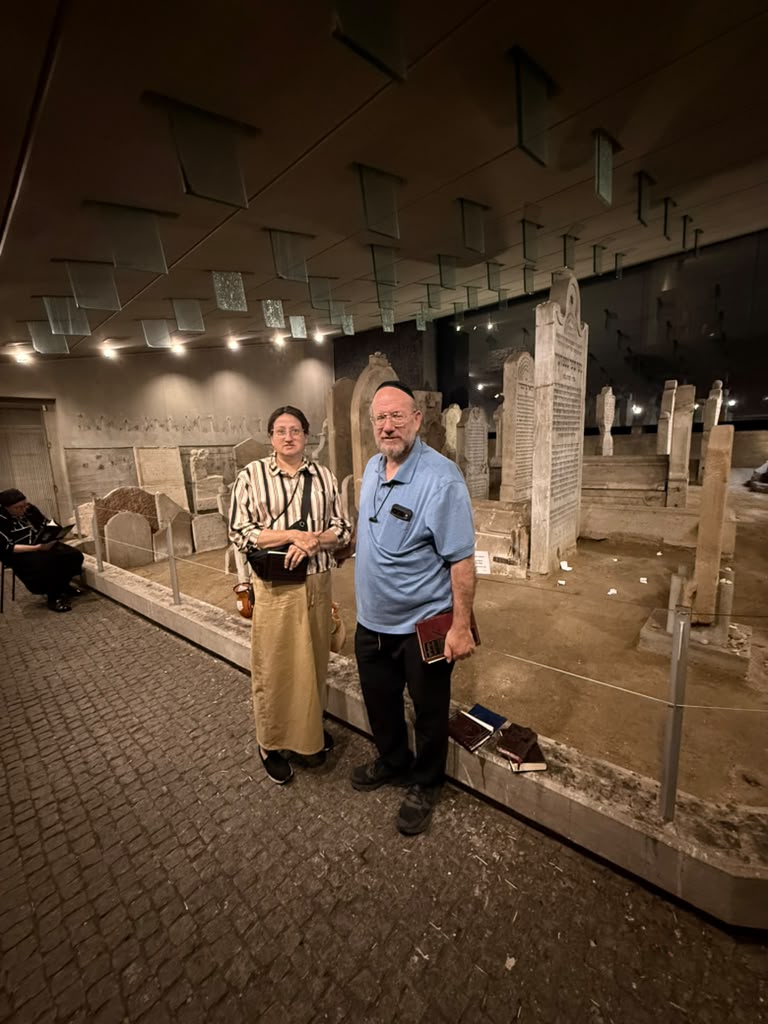
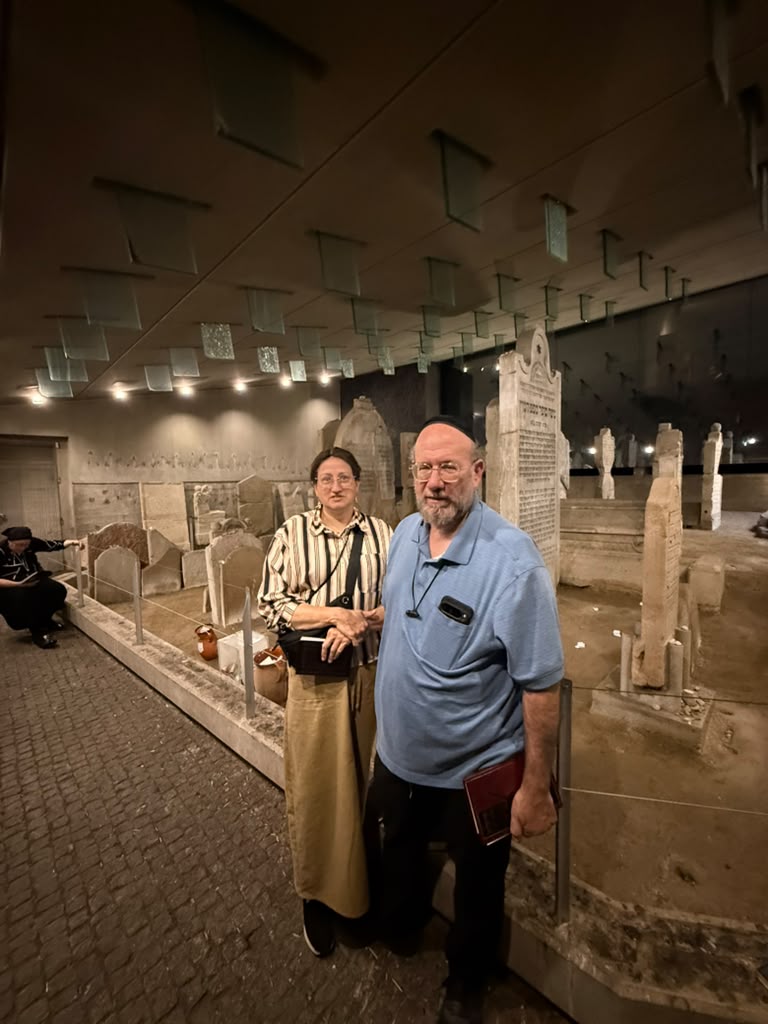
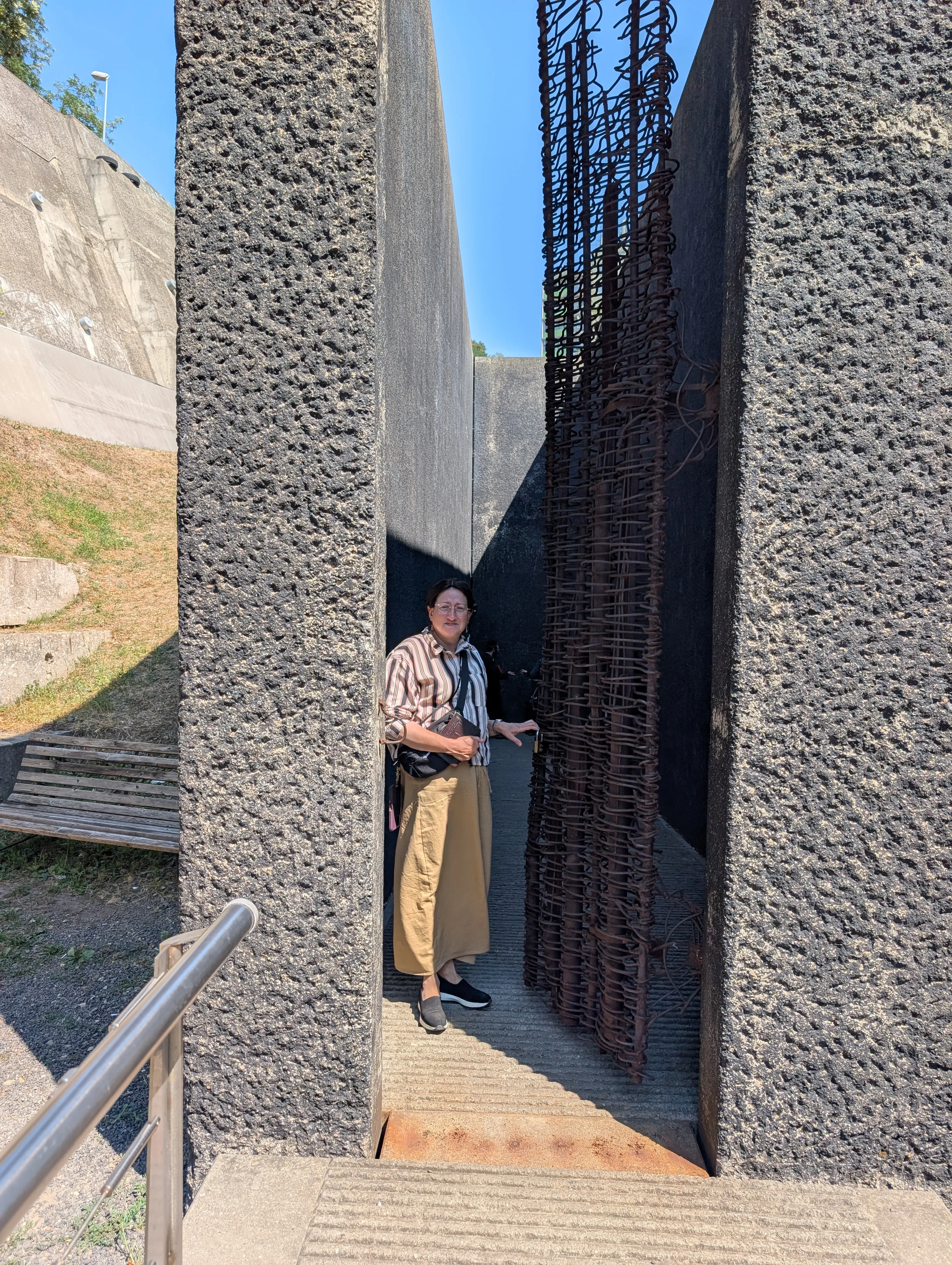
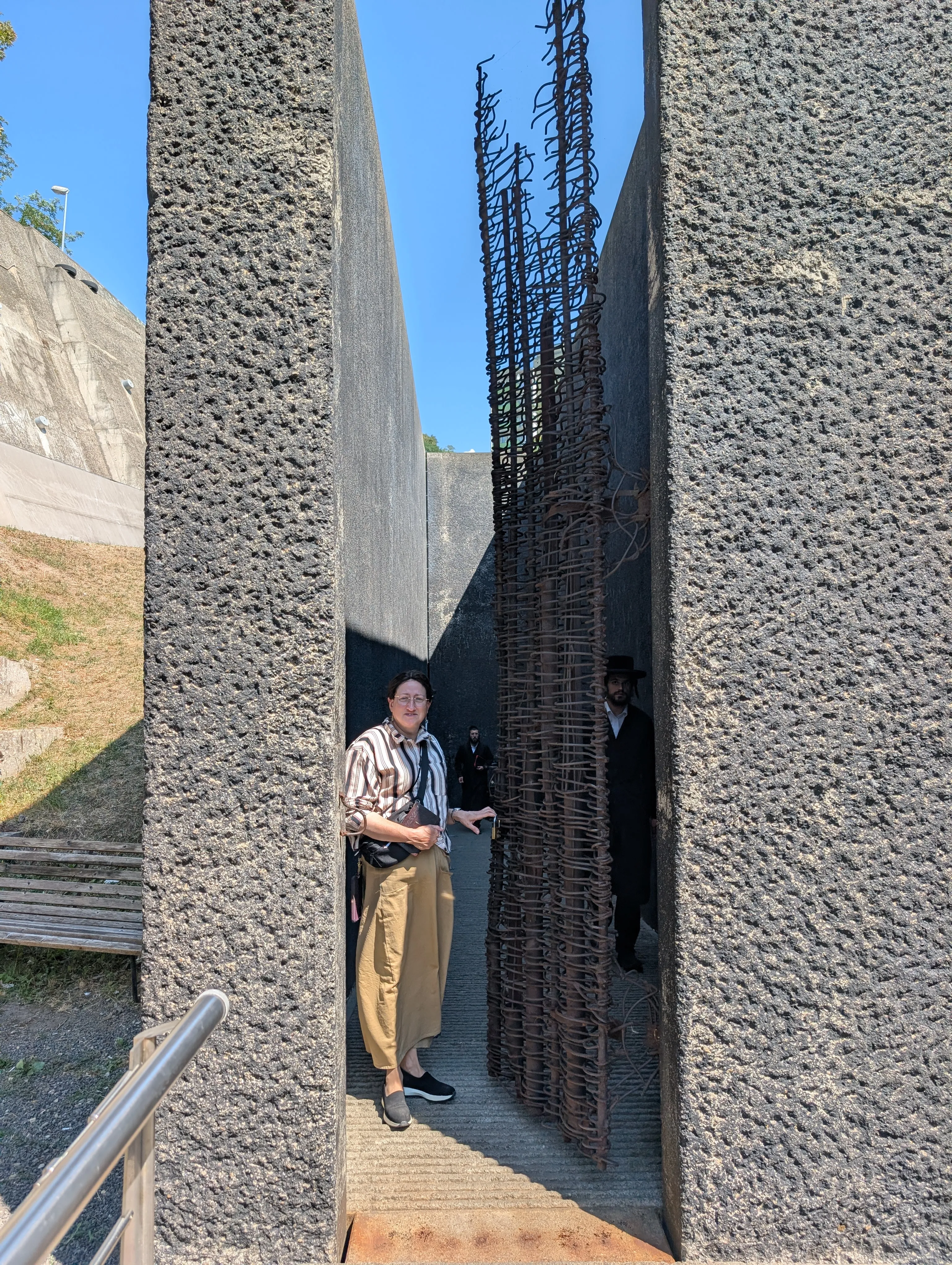
The link is a marriage. The Chasam Sofer’s daughter Hindel married R’ David Tzvi Ehrenfeld, and from that marriage the Ehrenfelds held the rabbanus of Mattersdorf for about a hundred and forty years. Hindel was born in Pressburg in 1813 and died at Szikszó in 1879. Akiva Ehrenfeld, six generations down, was murdered at Auschwitz — see the Auschwitz card.
Two more were born in this city: Hindel, the Chasam Sofer’s daughter, in 1813, and her son R’ Shmuel Ehrenfeld, the Chasan Sofer, in 1835. Neither is buried here.
+421 948 554 442 · memorial@znoba.sk
★ WhatsApp is what answered. That is how the family’s booking was confirmed — not by email and not by a voice call.

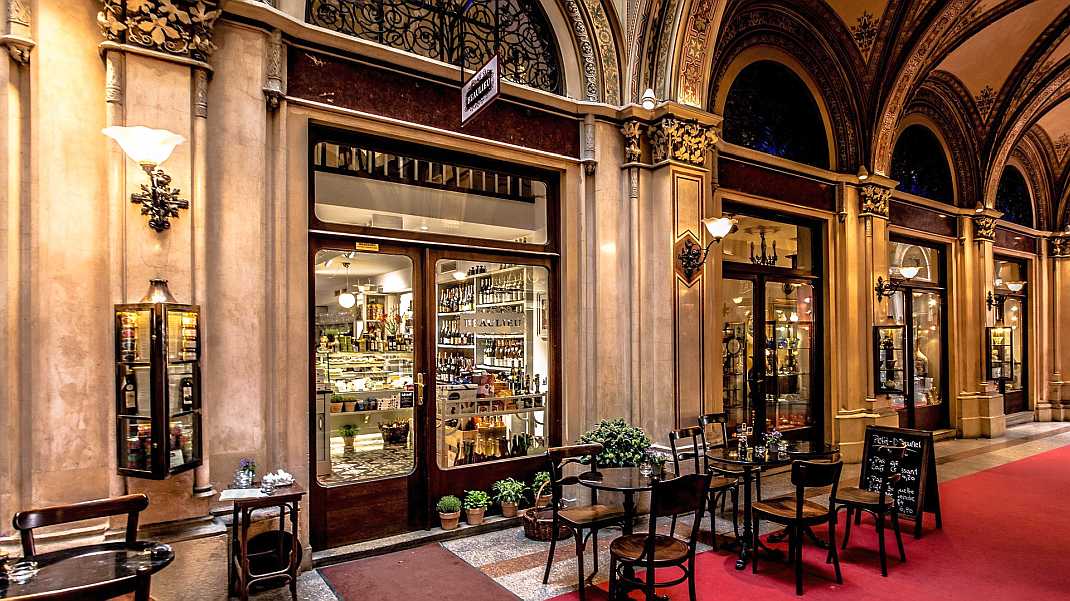
Three generations, father to son to son, all of them in Vienna, and the last of them dying twenty-one years before the expulsion. The line then runs down through Moravia and Slovakia to Brezová, and from there to Karcag and the Zaida.
R’ Shmuel Ehrenfeld died in Vienna but is buried at Mattersdorf, where R’ Shmuel Ehrenfeld served. The yeshiva R’ Shmuel Ehrenfeld’s family later rebuilt in New York carries the name Chasan Sofer, and Zaidy a”h attended it.
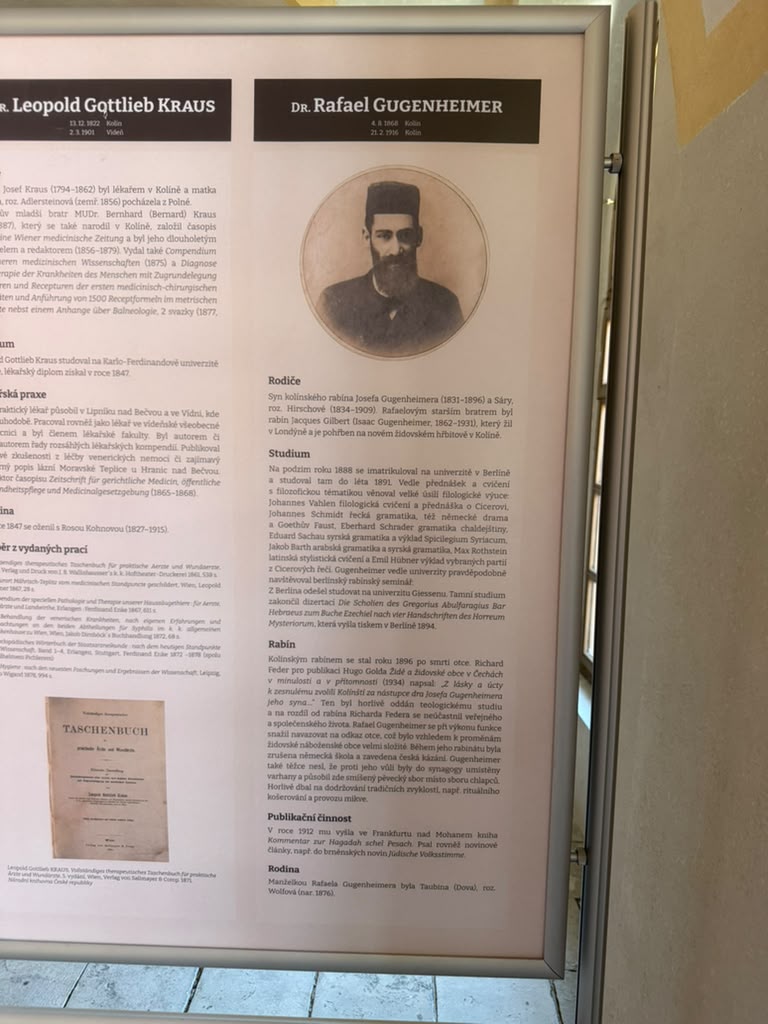
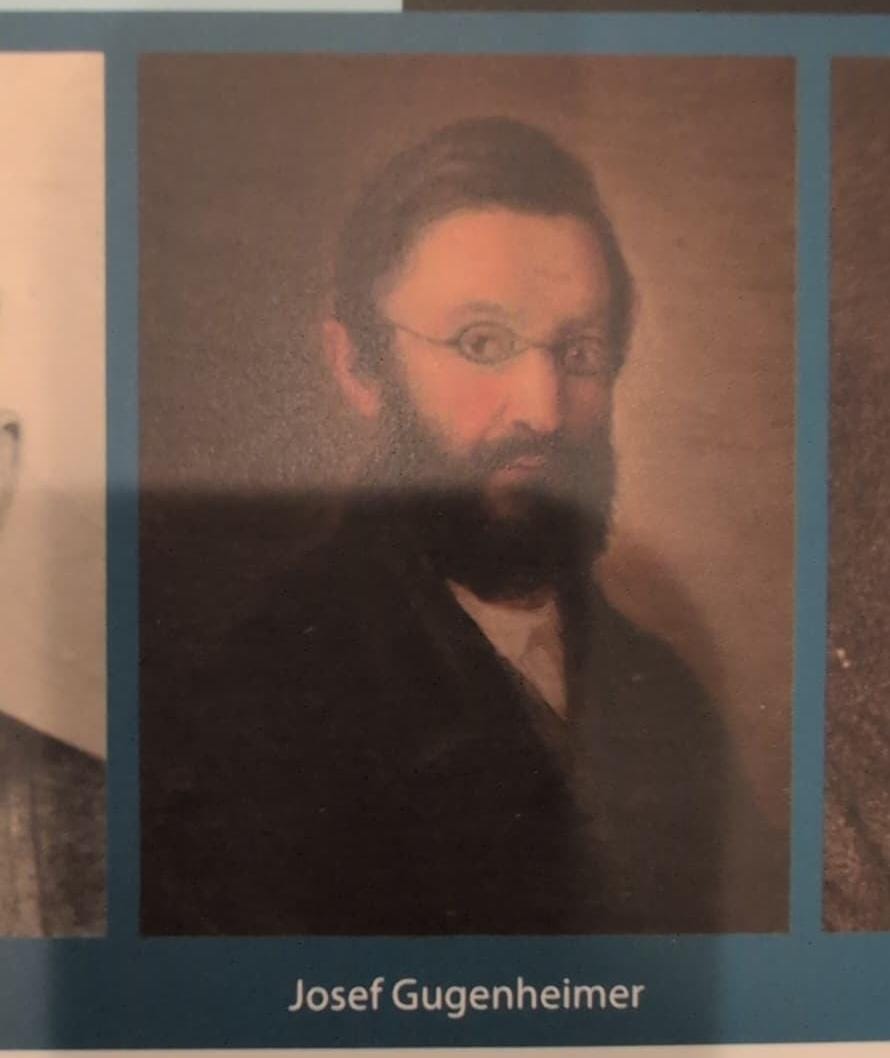
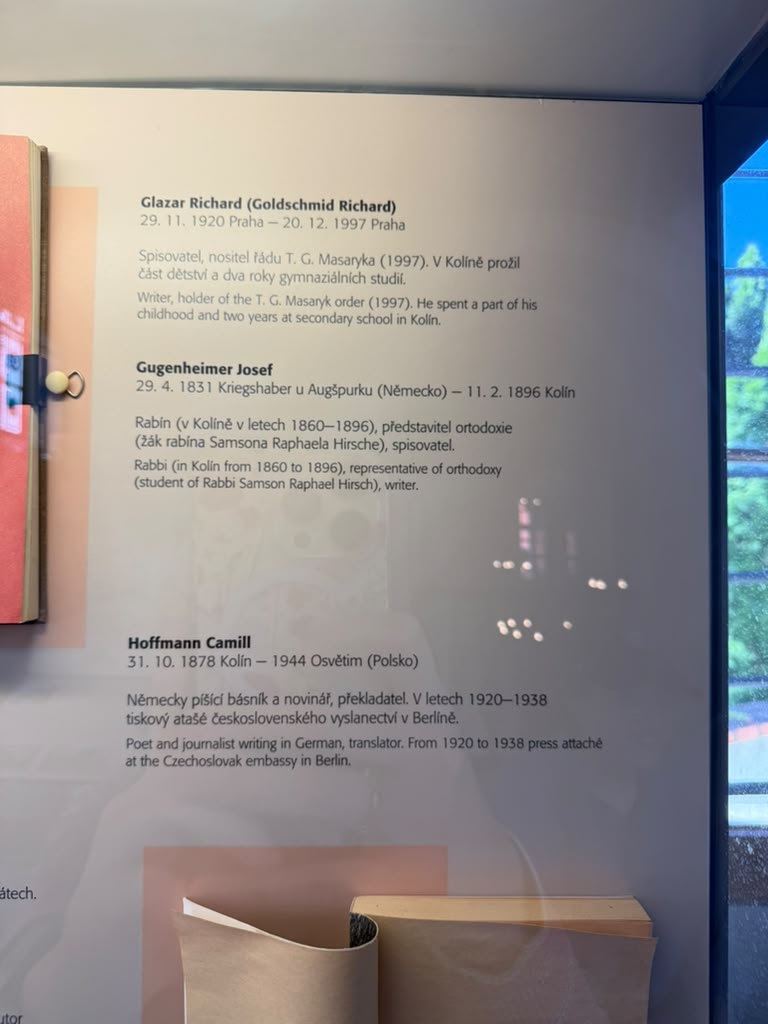
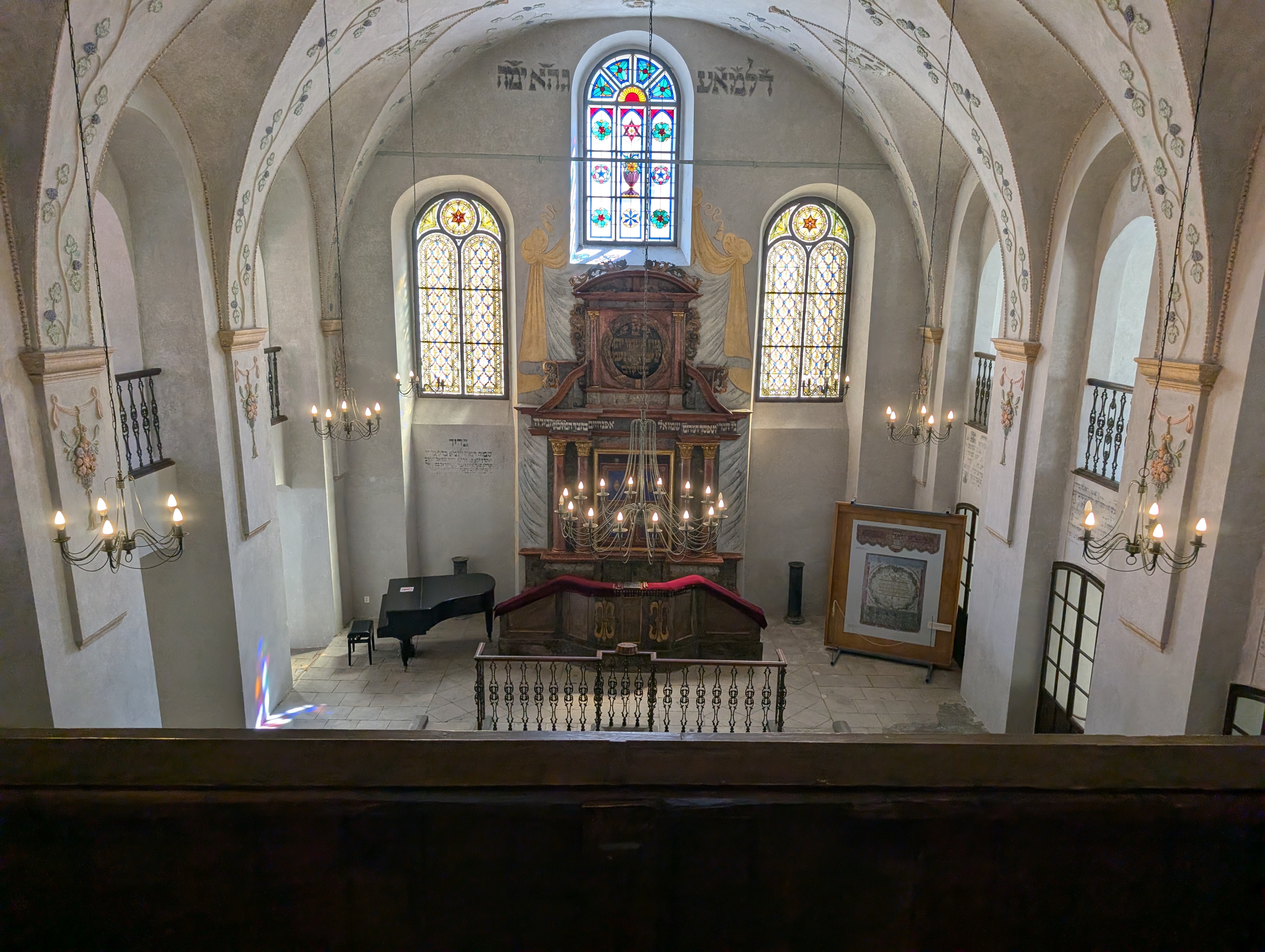
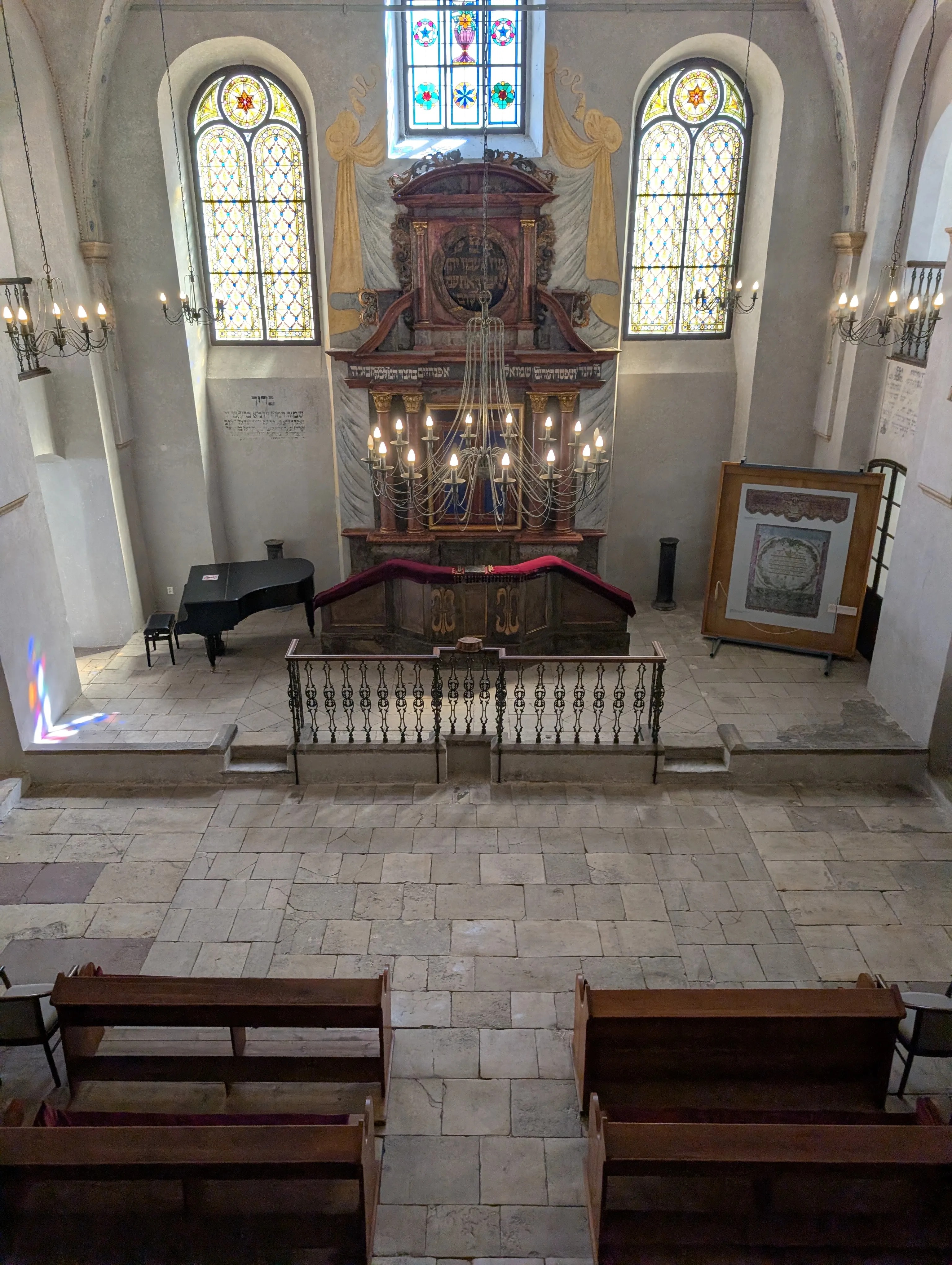
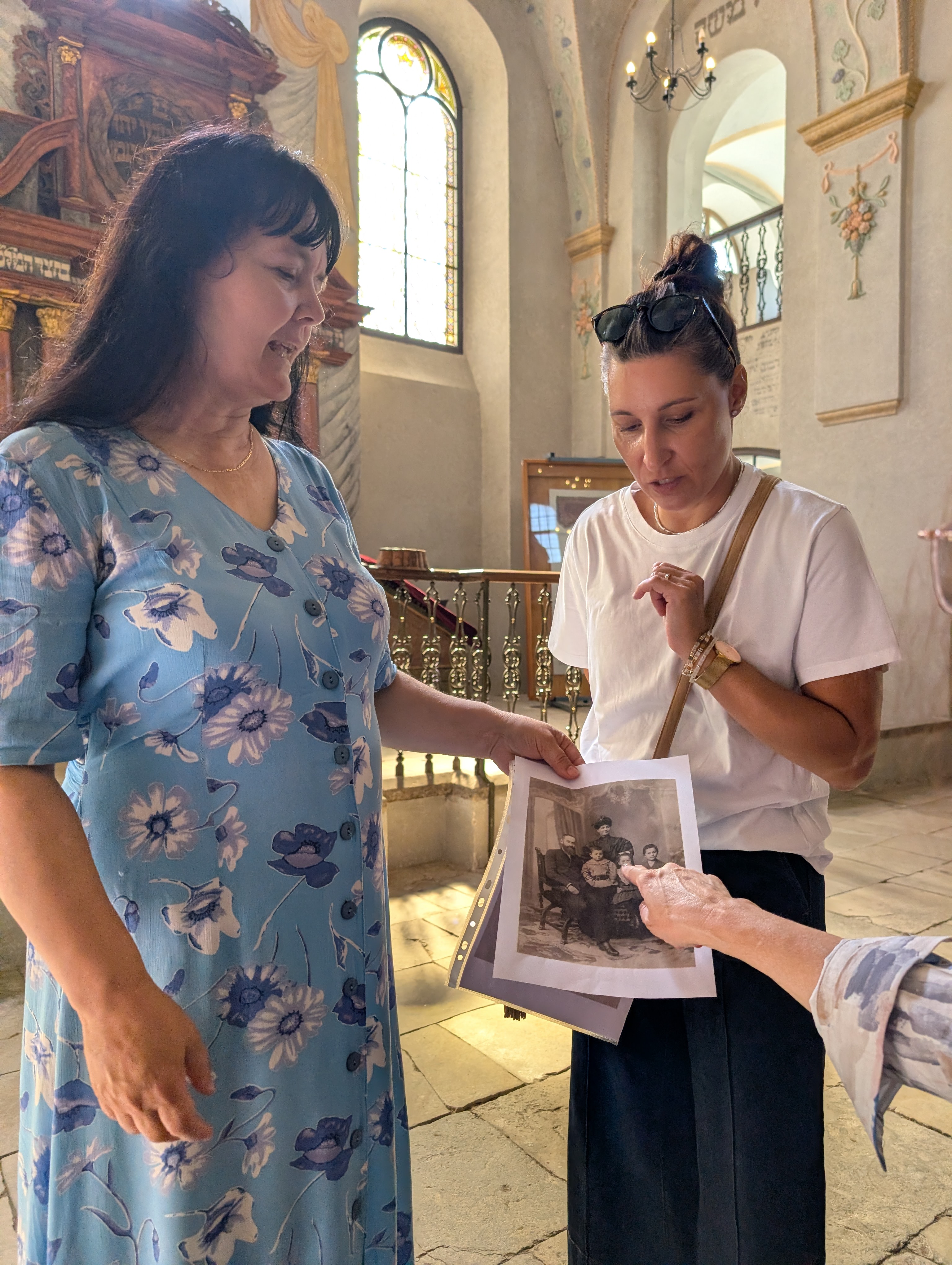
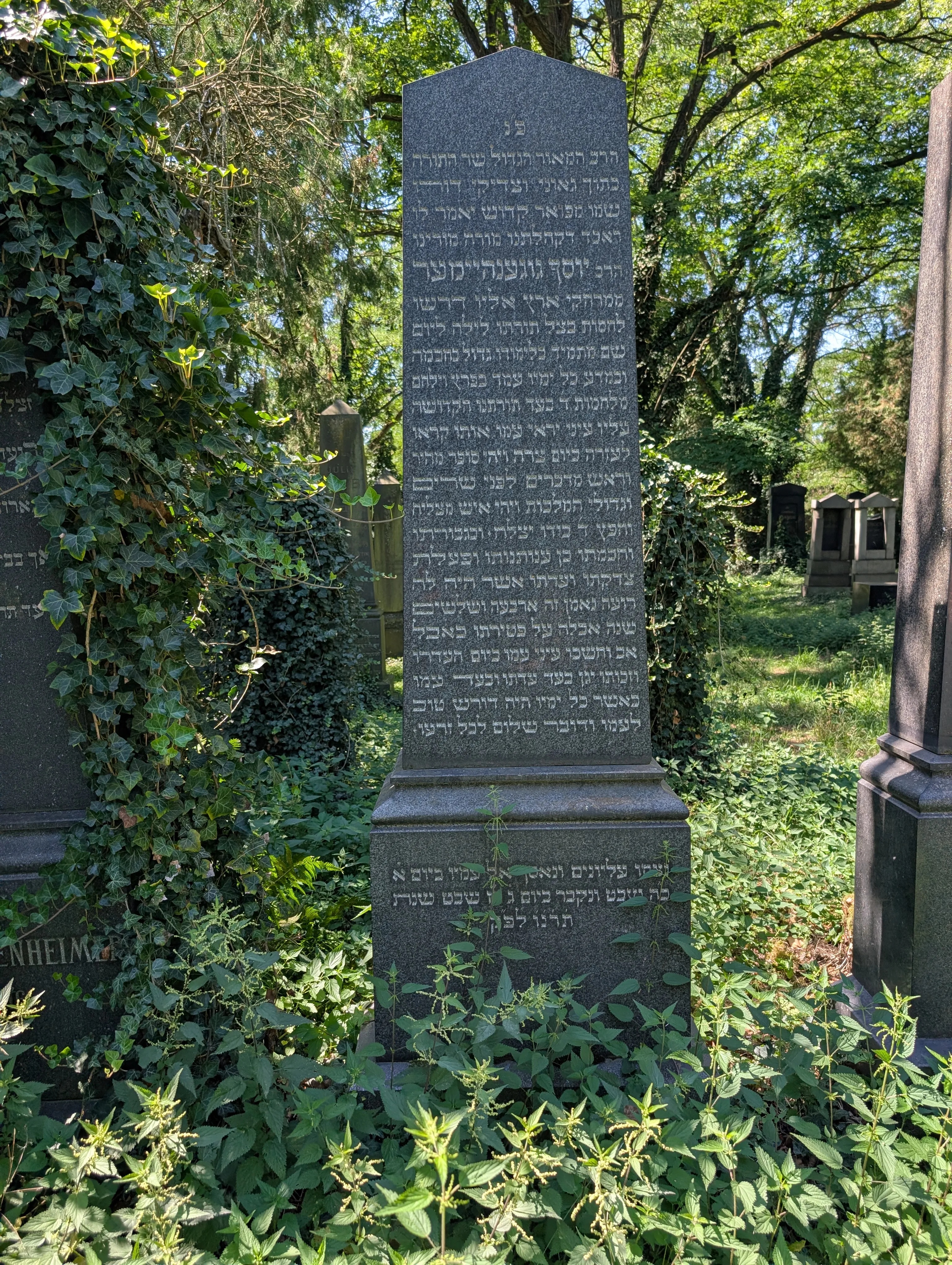
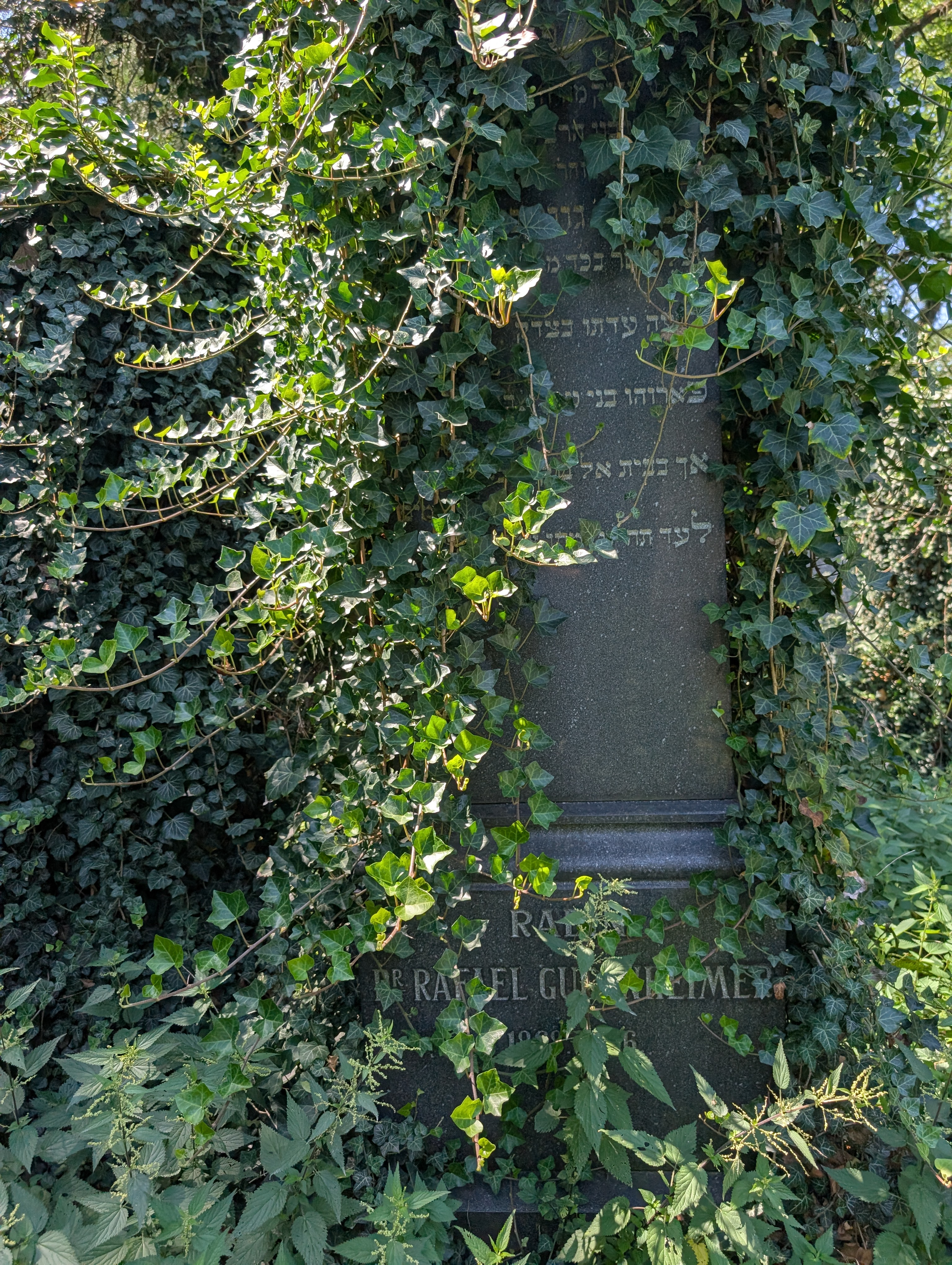
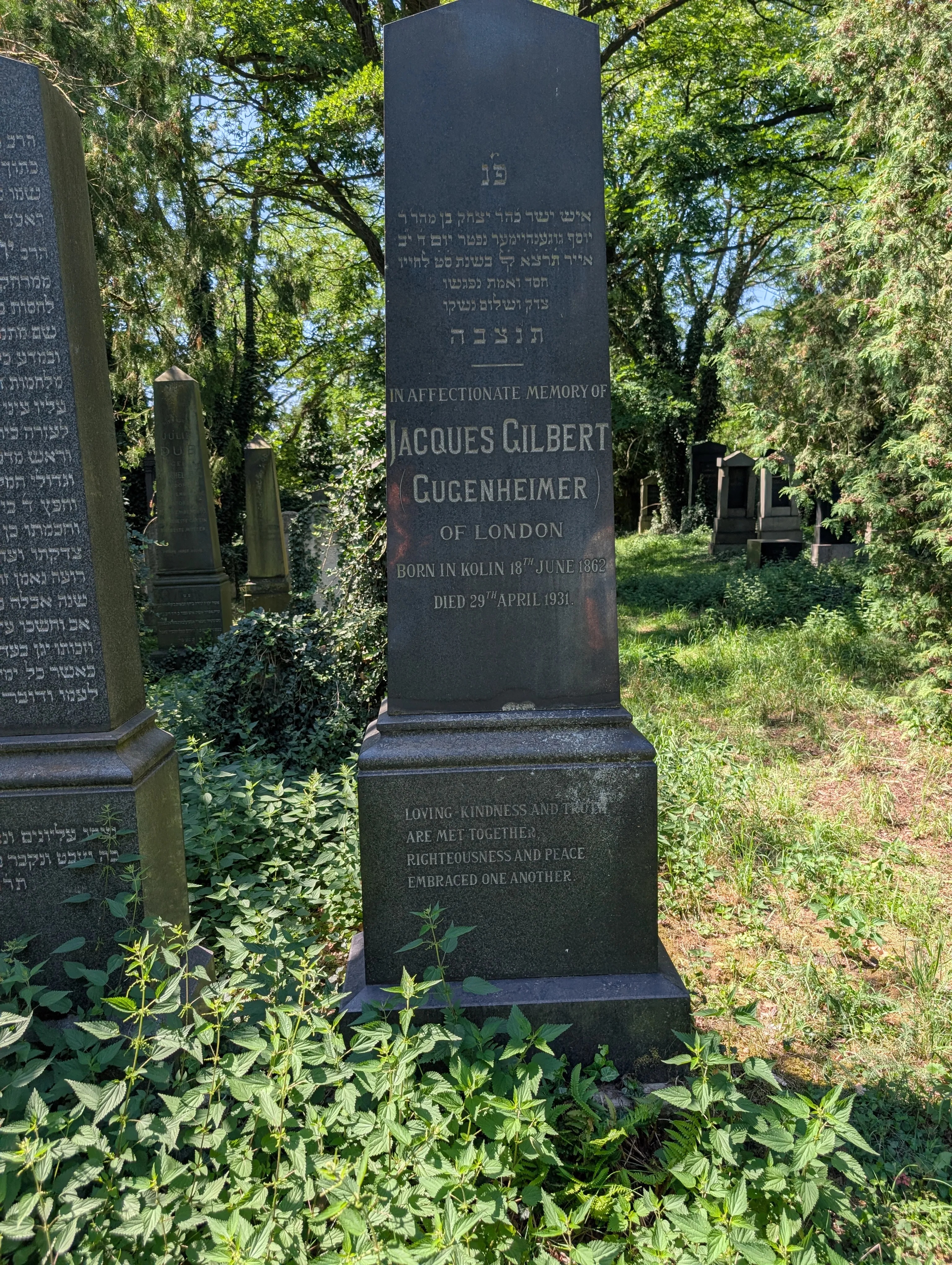
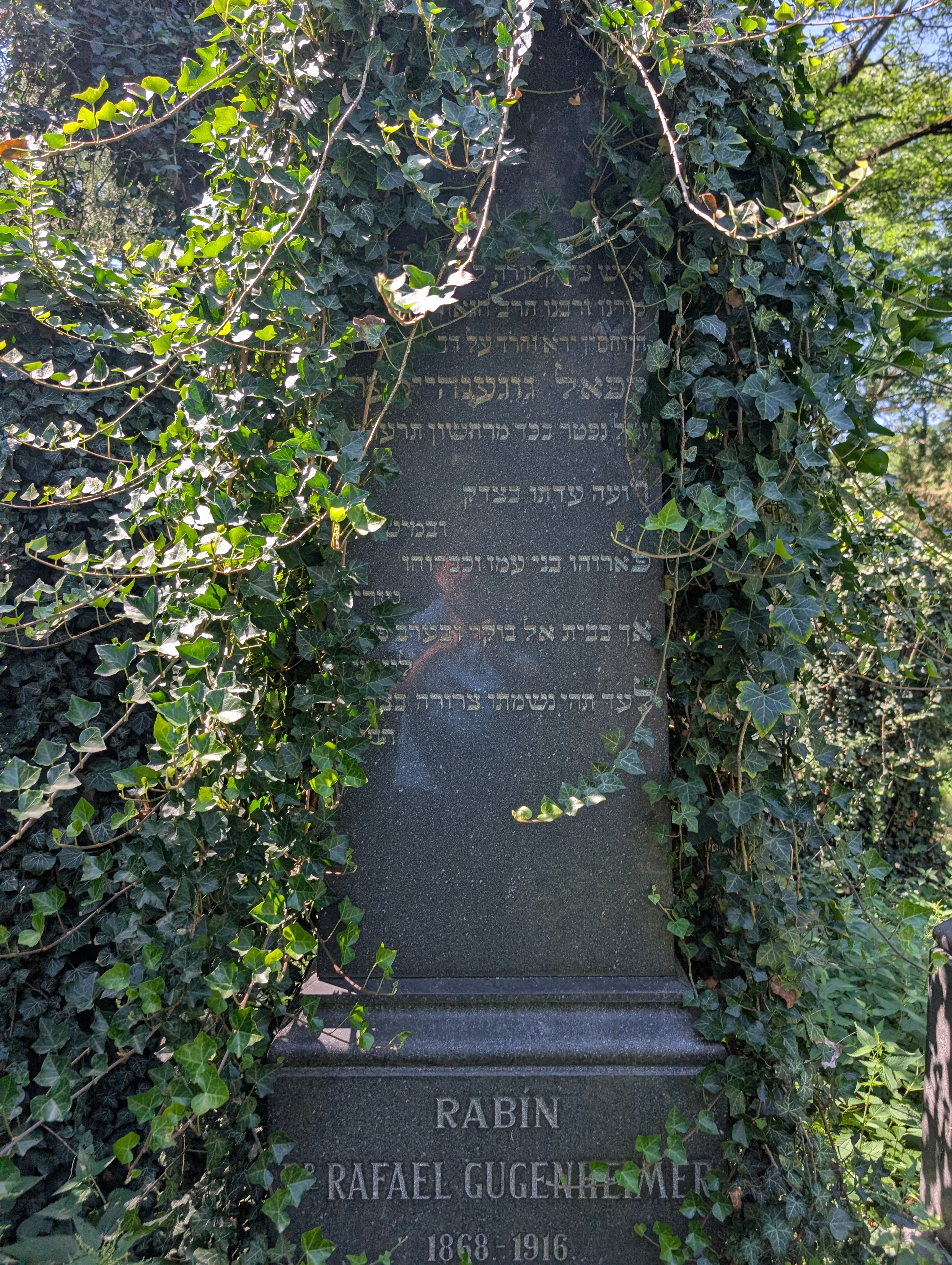
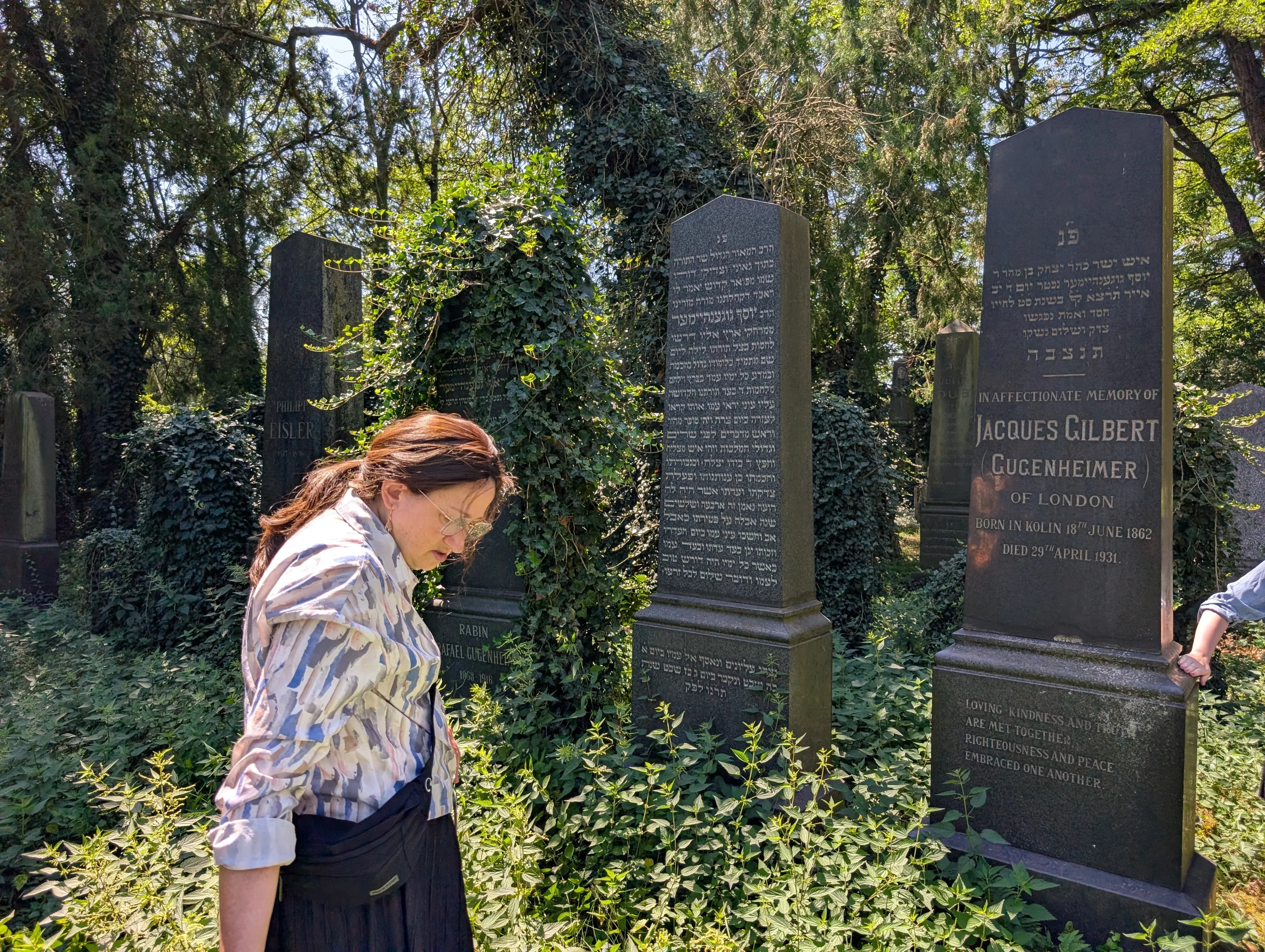
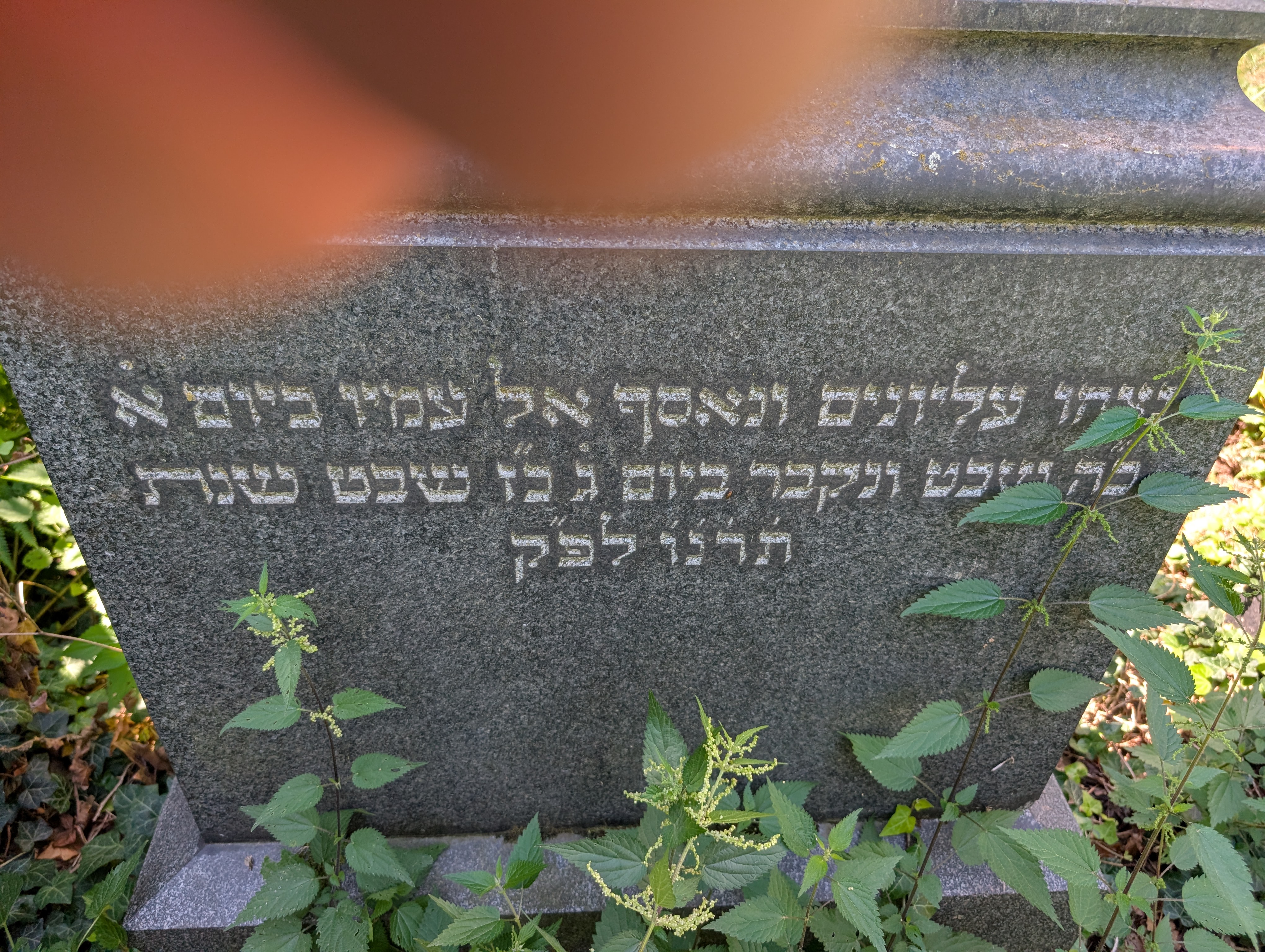
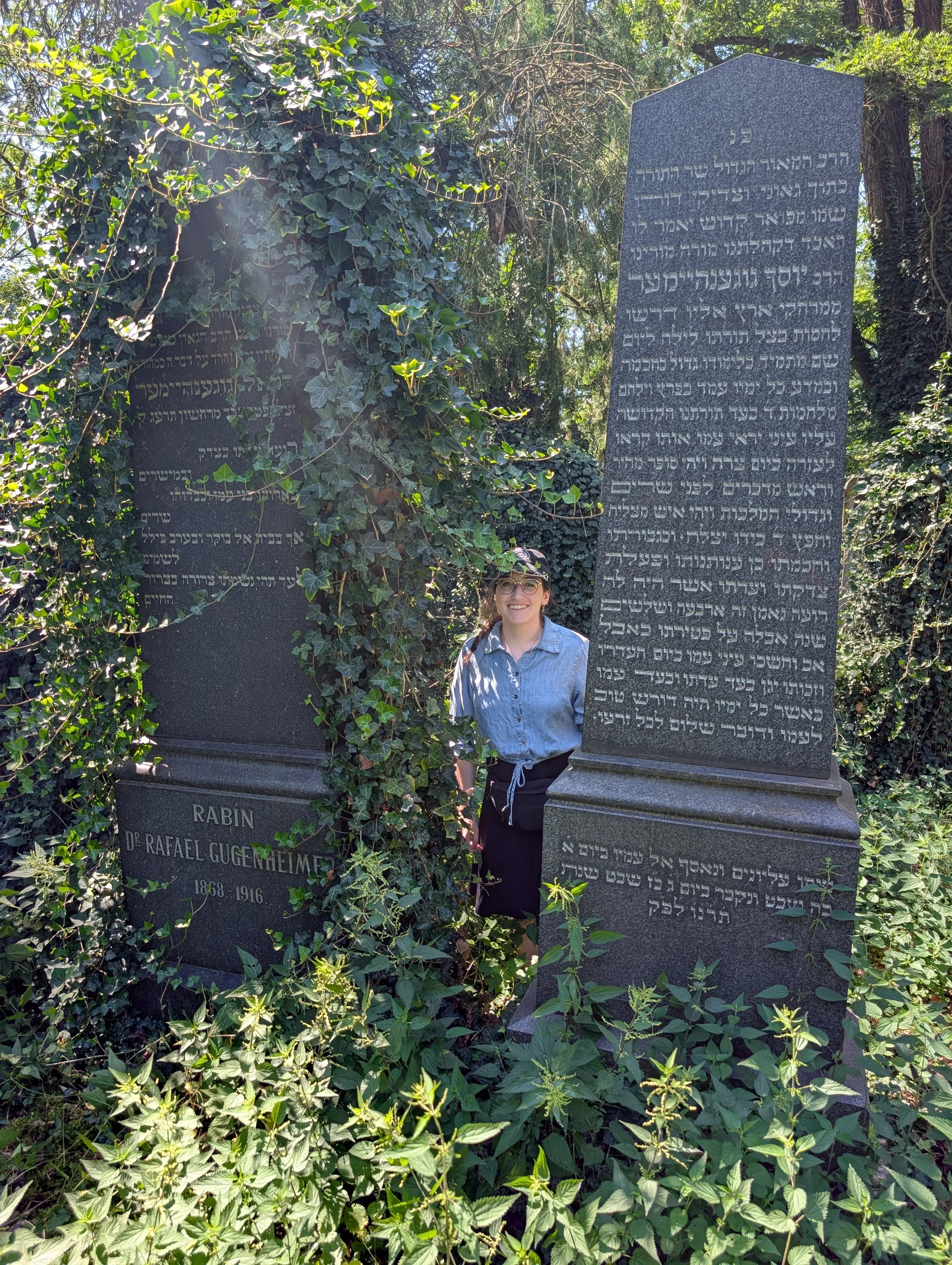
This is Mommy’s mother’s side, and it is a rabbinic line four generations deep before it reaches Kolín at all. Aron Guggenheimer was district rabbi of Kriegshaber, near Augsburg, for over forty years, and Aron Guggenheimer’s own father and grandfather were rabbonim before that in Dittenheim in Bavaria. R’ Yosef Gugenheimer was born in Kriegshaber and came east to Kolín. After R’ Dr. Rafael Gugenheimer died in 1916 the family left for Prague, and from Prague, in 1939 or 1940, out altogether.
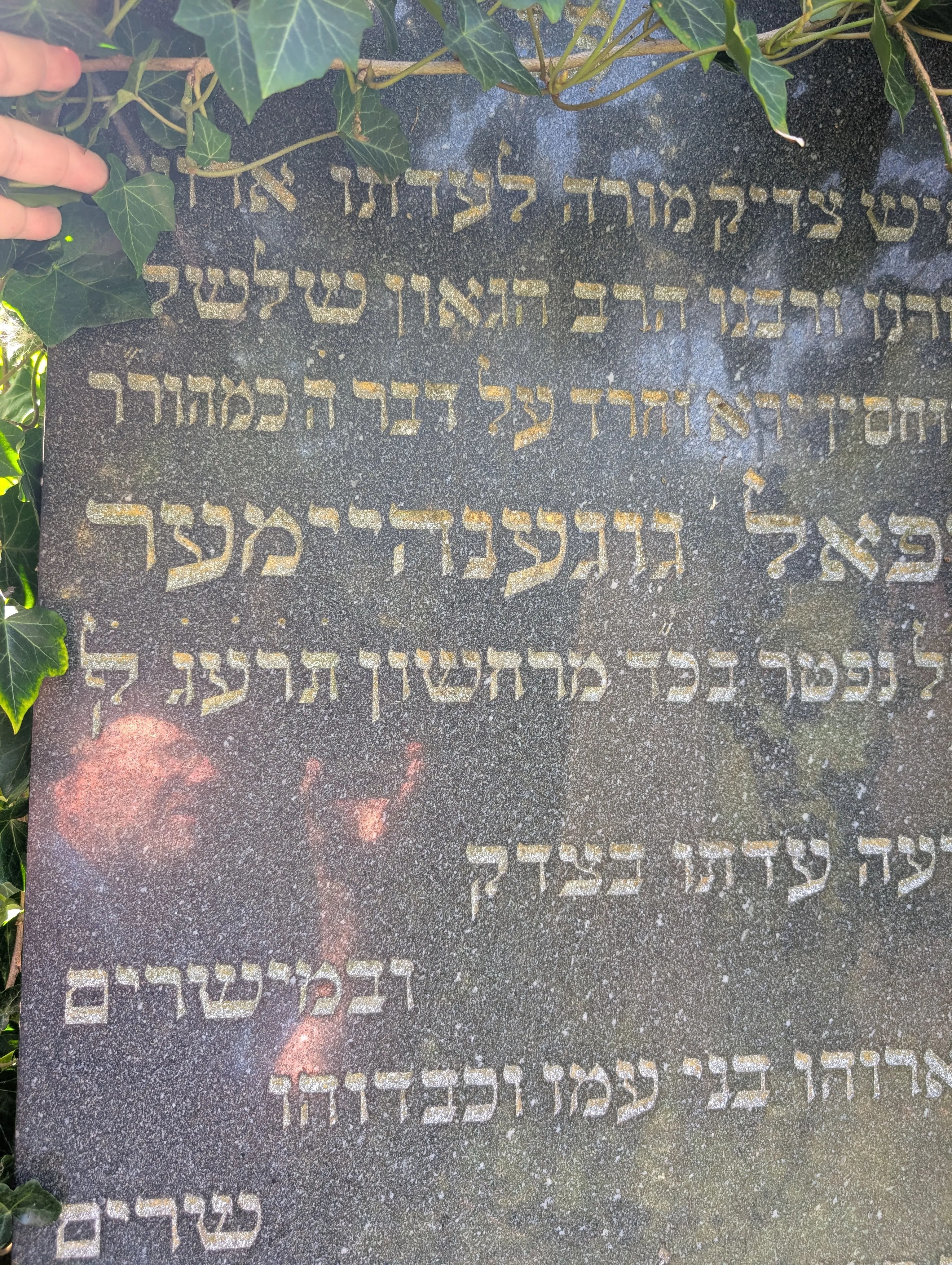
The matzevah says what the town thought of the man: the great light, a prince of Torah, among the gaonim and tzaddikim of our generation — and then, plainly, a faithful shepherd these thirty-four years. Two lines matter beyond the usual praise. One says R’ Yosef Gugenheimer stood in the breach and fought the wars of Hashem on behalf of our holy Torah, which is the standard language for a rav who fought the reform party — and the Kolín historian says the same thing in plain Czech, that R’ Yosef Gugenheimer was the last to insist on Orthodoxy in the town, in the shul and in the school alike. The other calls R’ Yosef Gugenheimer foremost spokesman before ministers and the great men of the kingdom. The stone also notes what the town panel notes: great in wisdom and in secular knowledge both. The doctorate was earned at Munich in 1850, on the religious philosophy of R’ Avraham ben David ha-Levi.
Sarah (Hirsch) Gugenheimer was a writer, and published fiction under a man’s pen name — Friedrich Rott — in Jeschurun, the journal Sarah (Hirsch) Gugenheimer’s own father edited, and in Der Israelit. R’ Yosef Gugenheimer was publishing in Jeschurun himself by 1858, which is very likely how the shidduch came about. Sarah (Hirsch) Gugenheimer was widowed in 1896 and died in London thirteen years later, where one son was living.
Born in the town, and took the pulpit on a father’s death. R’ Dr. Rafael Gugenheimer studied at Berlin from 1888 and took the doctorate at Giessen, on a Syriac commentary of Gregorius Bar Hebraeus, printed in Berlin in 1894; a commentary on the Haggadah shel Pesach followed at Frankfurt in 1912, of which libraries worldwide hold only nine copies. The Kolín historian says the kehillah pressed R’ Dr. Rafael Gugenheimer towards a gradual assimilation after 1896, and that the pressure was real. The matzevah answers back: חרד על דבר ה’ — one who trembles at the word of Hashem — and שלשלת היוחסין, the chain of lineage, carved into the stone. Kolín’s last rav, Richard Feder, followed in 1917.
The third obelisk belongs to R’ Dr. Rafael Gugenheimer’s older brother. The English face reads Jacques Gilbert (Gugenheimer) of London, born in Kolin 18th June 1862, died 29th April 1931, and the Hebrew above it gives the name the family used: יצחק בן מוהר"ר יוסף גוגענהיימער — Yitzchak son of R’ Yosef Gugenheimer. Two things fall out of that stone. It documents “Gilbert” as the family’s anglicisation of Gugenheimer, in both alphabets on one monument; and the 1862 birth in Kolín dates the family’s arrival in the town. Jacques Gilbert went to Bohemia for a cure at the spa at Carlsbad in 1931, with a daughter along, and died there. It was the daughter who arranged the burial here in the family plot rather than a return to London.
Five stories, all of them collected on the day of the visit — most of them from Mrs. Jouzová, the town’s own historian, and so from Kolín’s records rather than from family transmission.
A year later the same man came to R’ Yosef Gugenheimer and said: I have been married a year and we still have no children. R’ Yosef Gugenheimer looked at him and said — of course you have no children. On your wedding day you chose the fire over your kallah.
Recorded in the chronicles of the Kolín fire brigade, some time in the 1800s. Told by Mrs. Jouzová.
One Shabbos the church man came to R’ Yosef Gugenheimer and reported having just seen Fischer smoking in the marketplace. R’ Yosef Gugenheimer, agitated, sent the church man straight back to warn Fischer in the rov’s name to stop at once.
The church man delivered the warning. Fischer turned on the church man and said: if you tell the rov you saw me smoking, you will go blind in both eyes.
Some time later R’ Yosef Gugenheimer met the church man and asked whether the warning had been delivered, and whether Fischer had been seen smoking again. The church man, valuing his eyesight, answered that Fischer had not been seen smoking again.
Told by Mrs. Jouzová, through the interpreter.
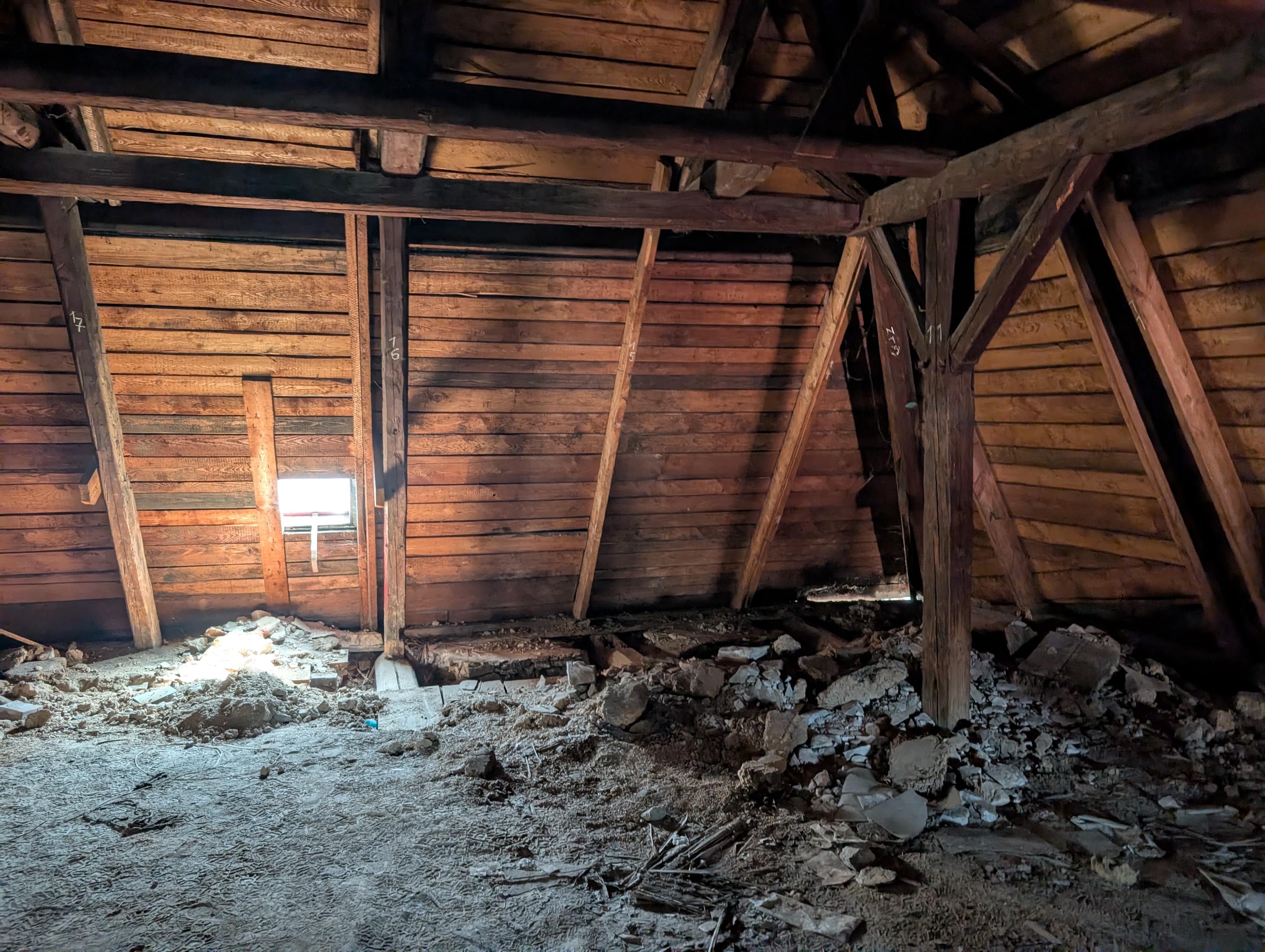
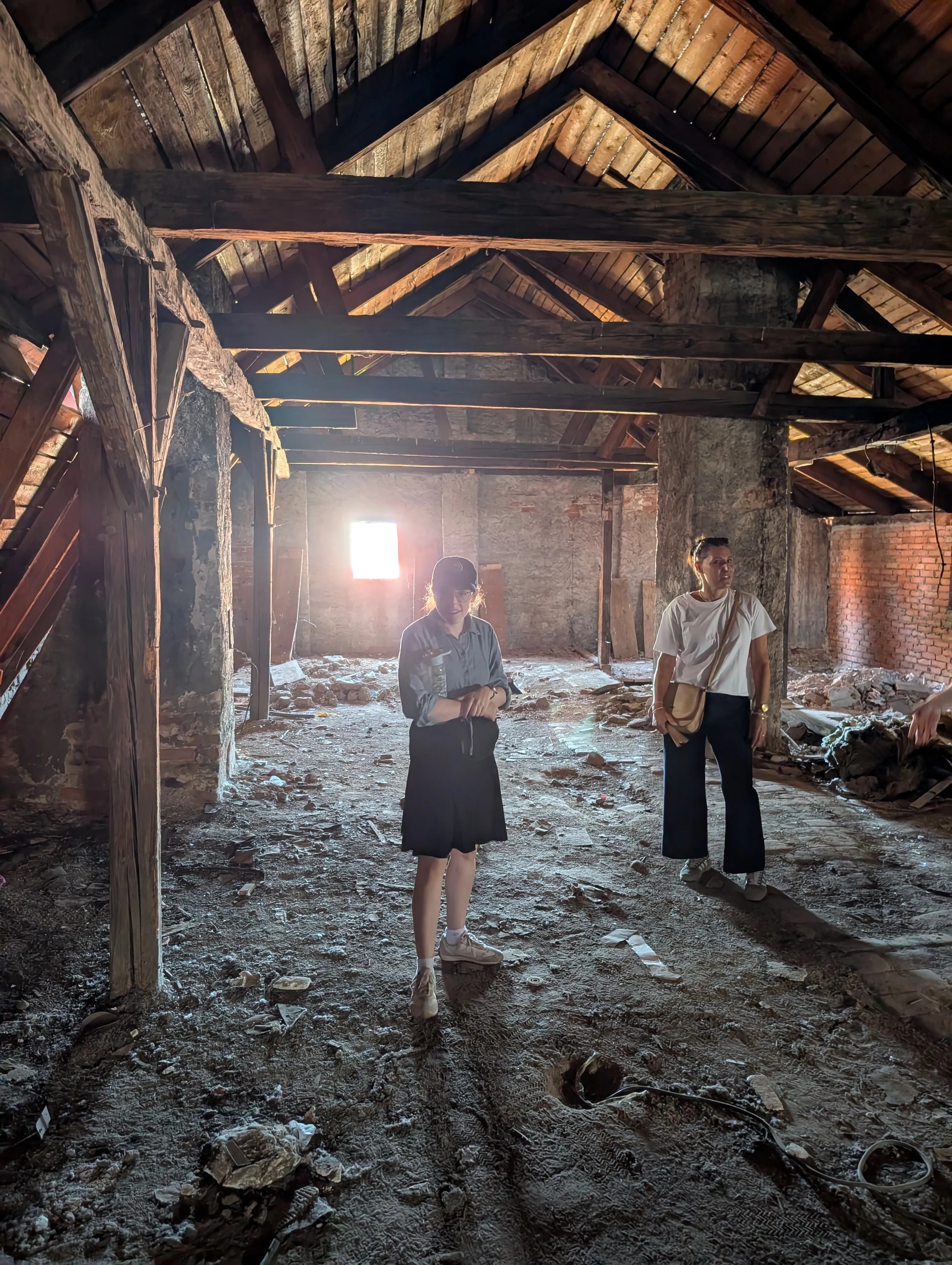
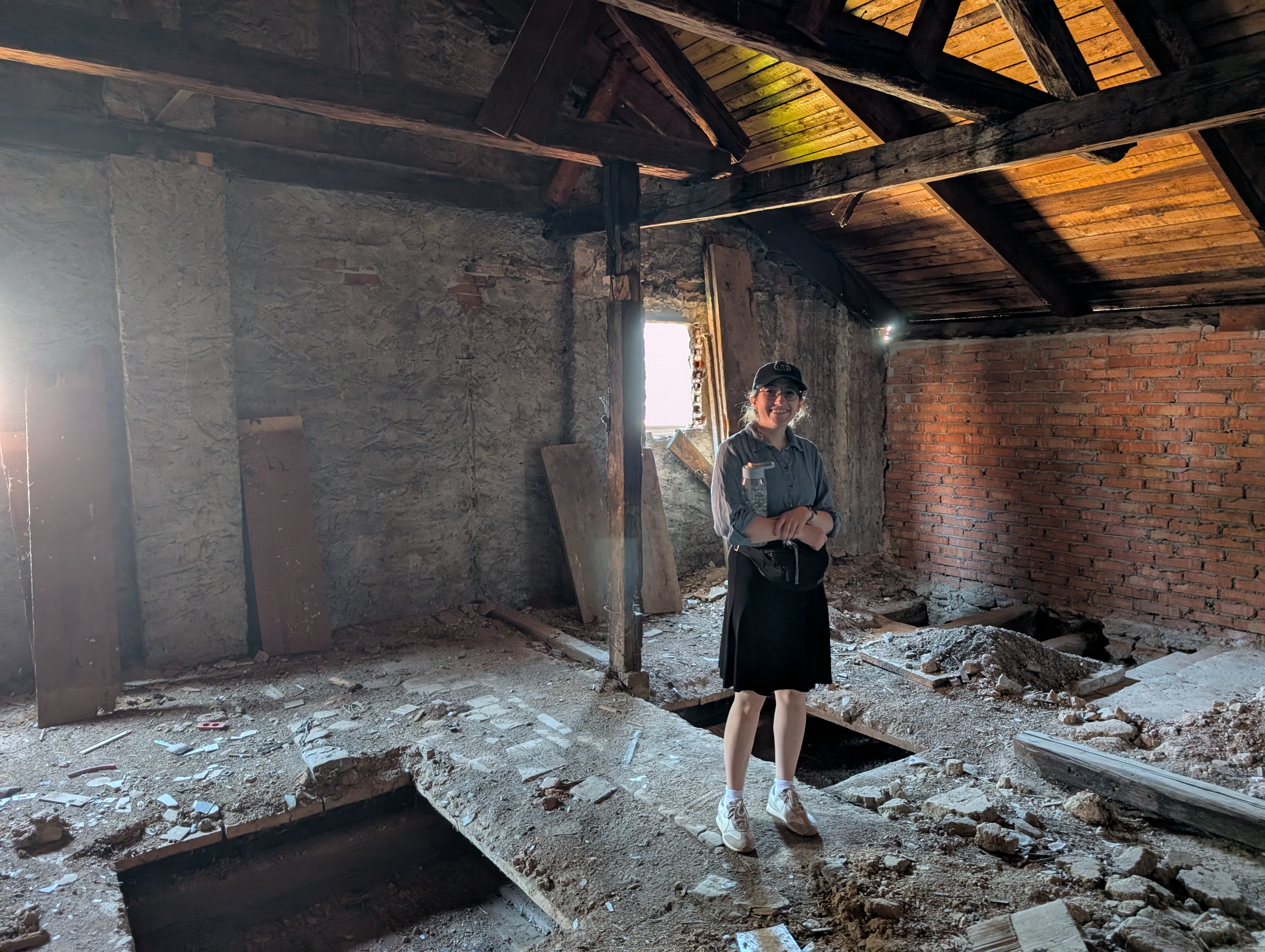
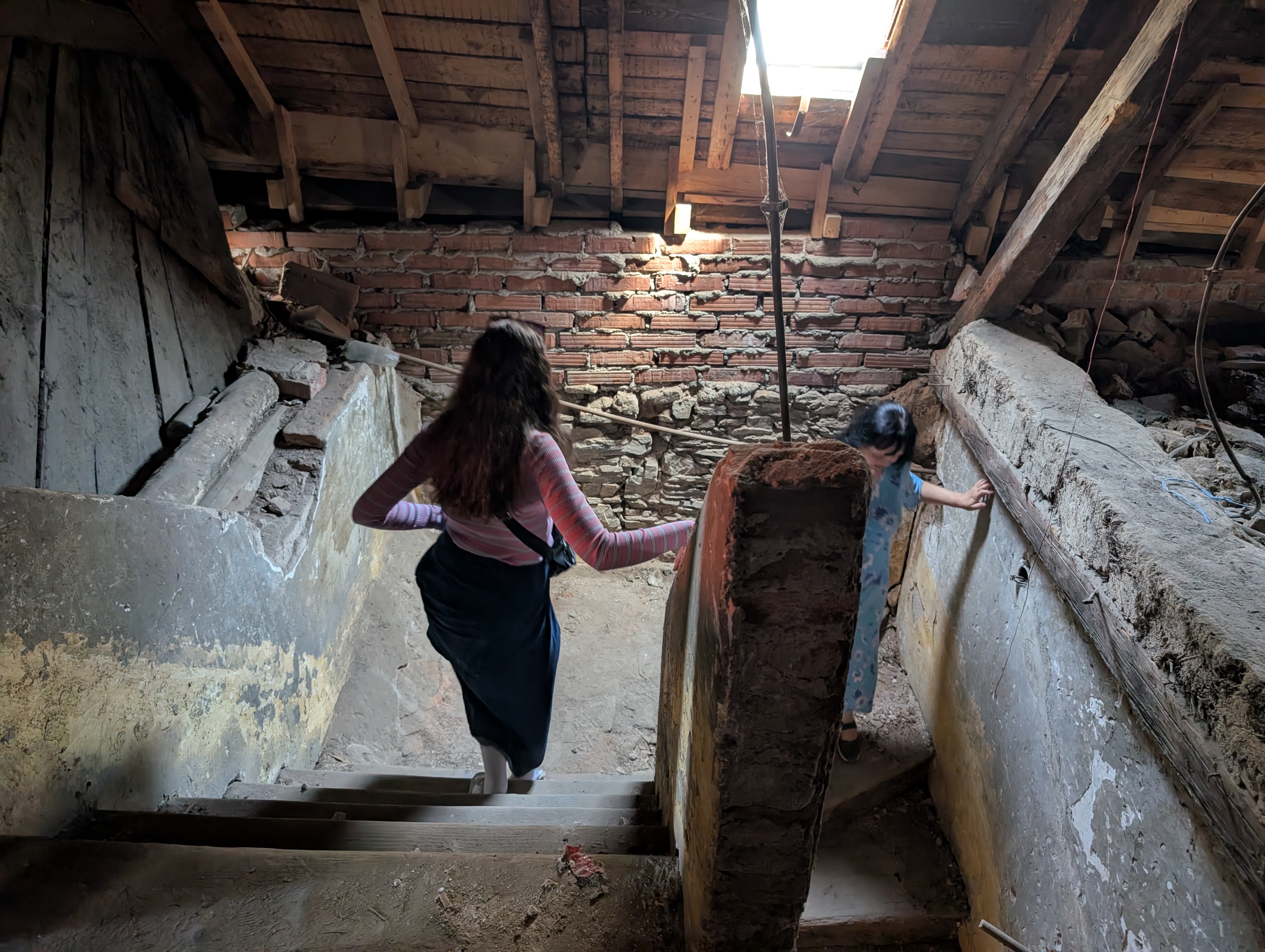
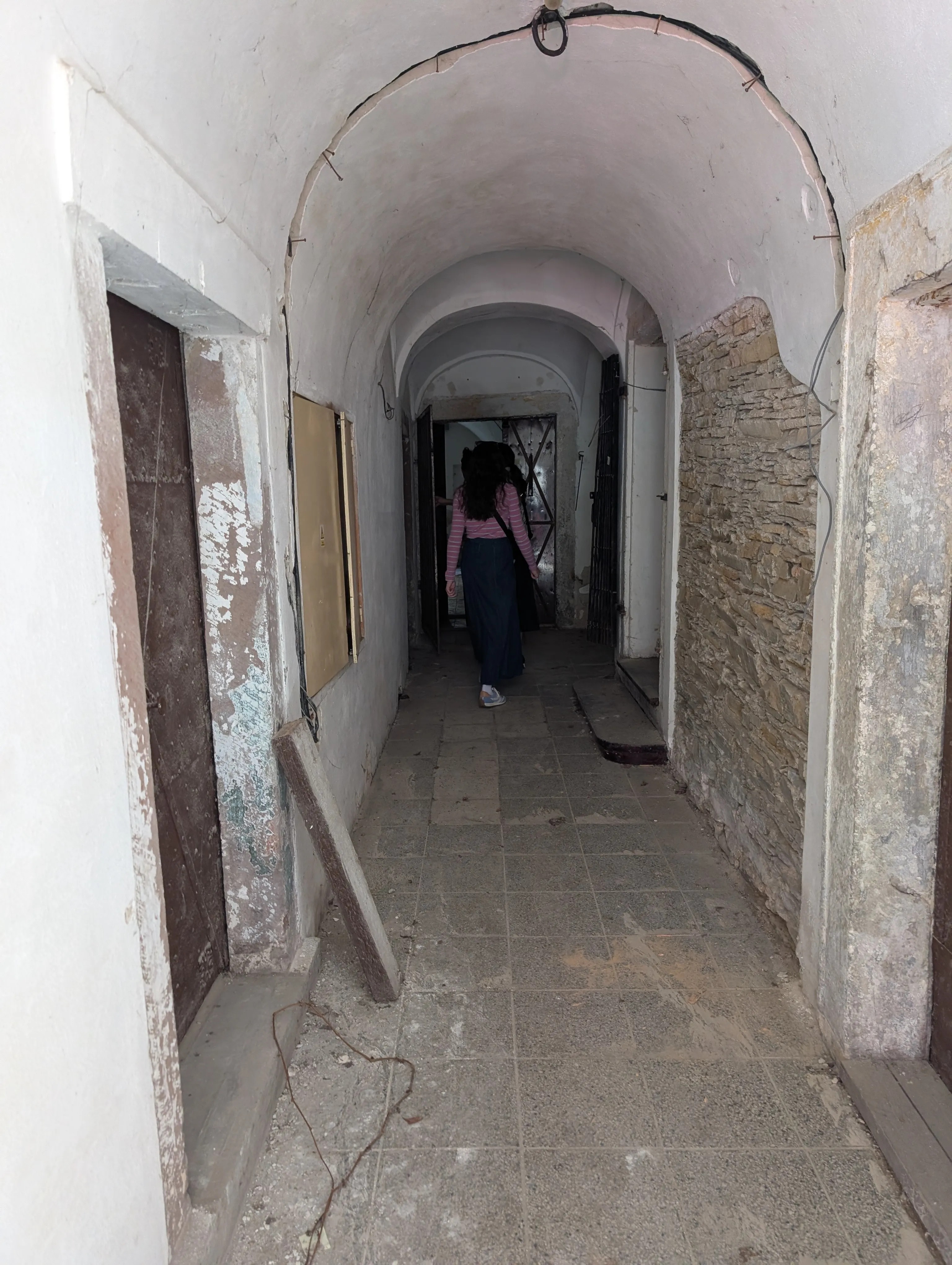
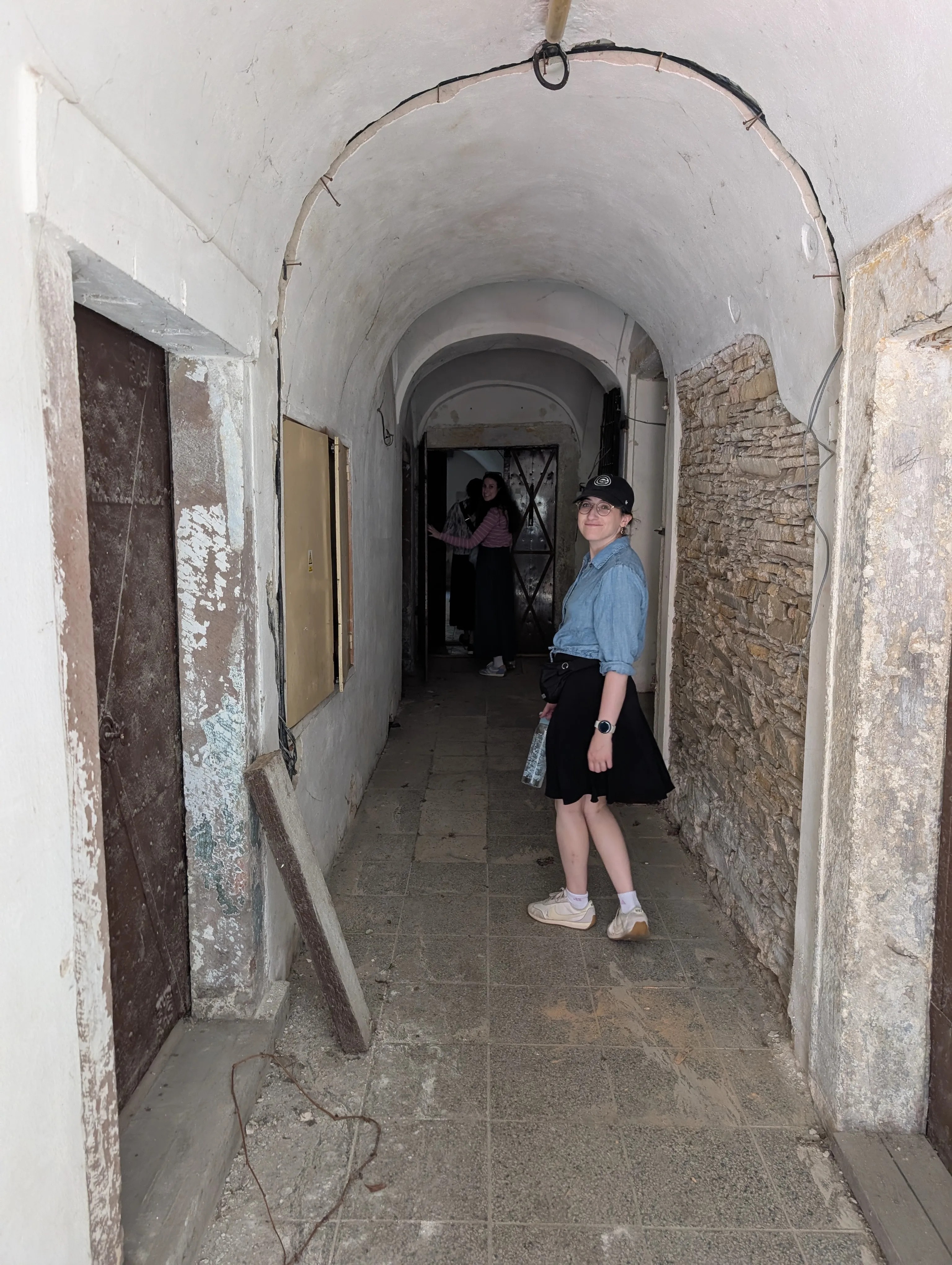
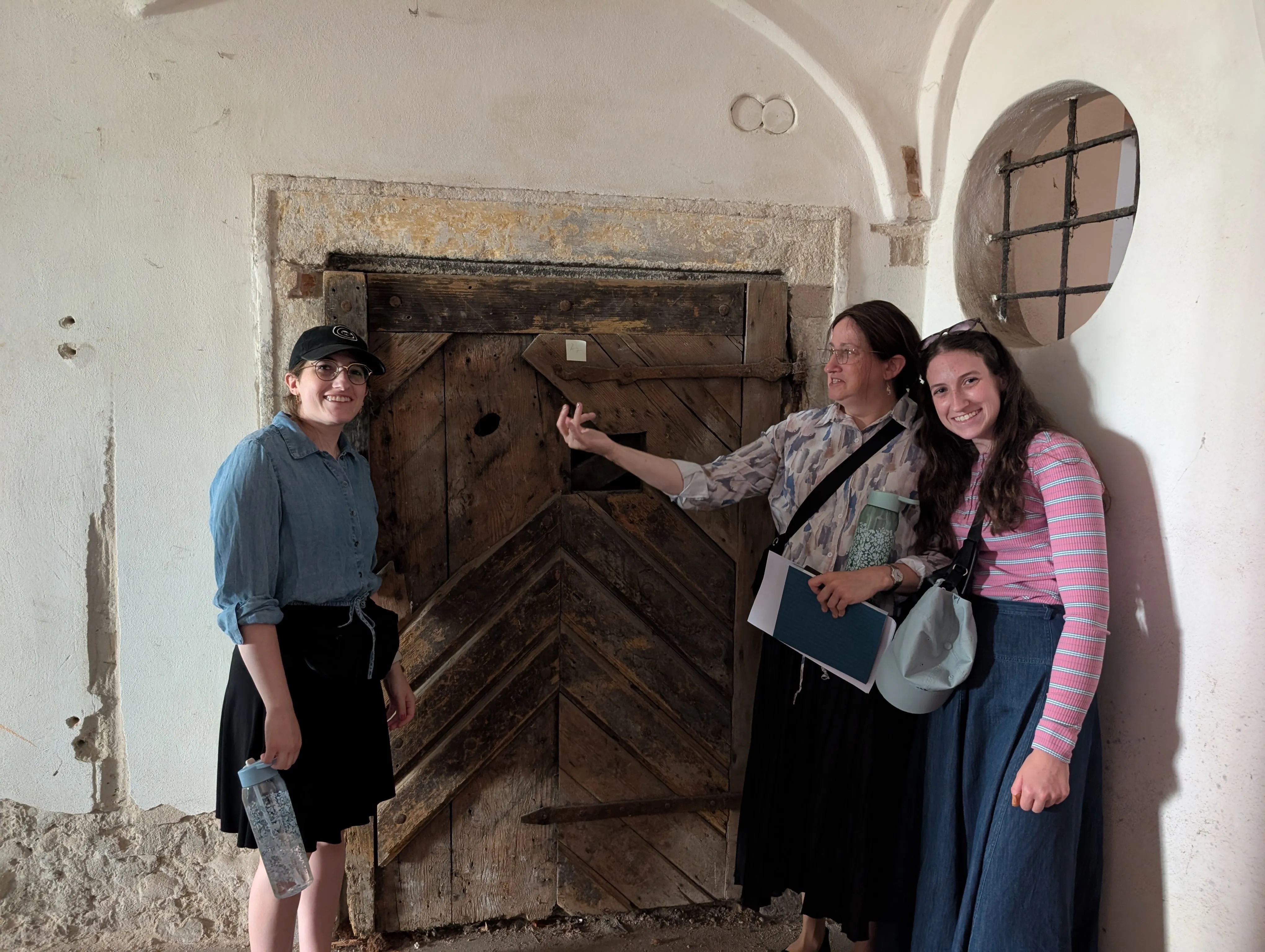
And Zaidy Rafael was a twin. So the child who played hide and seek up in that attic was Zaidy Rafael, growing up in a father’s house — with a twin sister nobody in the family has ever accounted for.
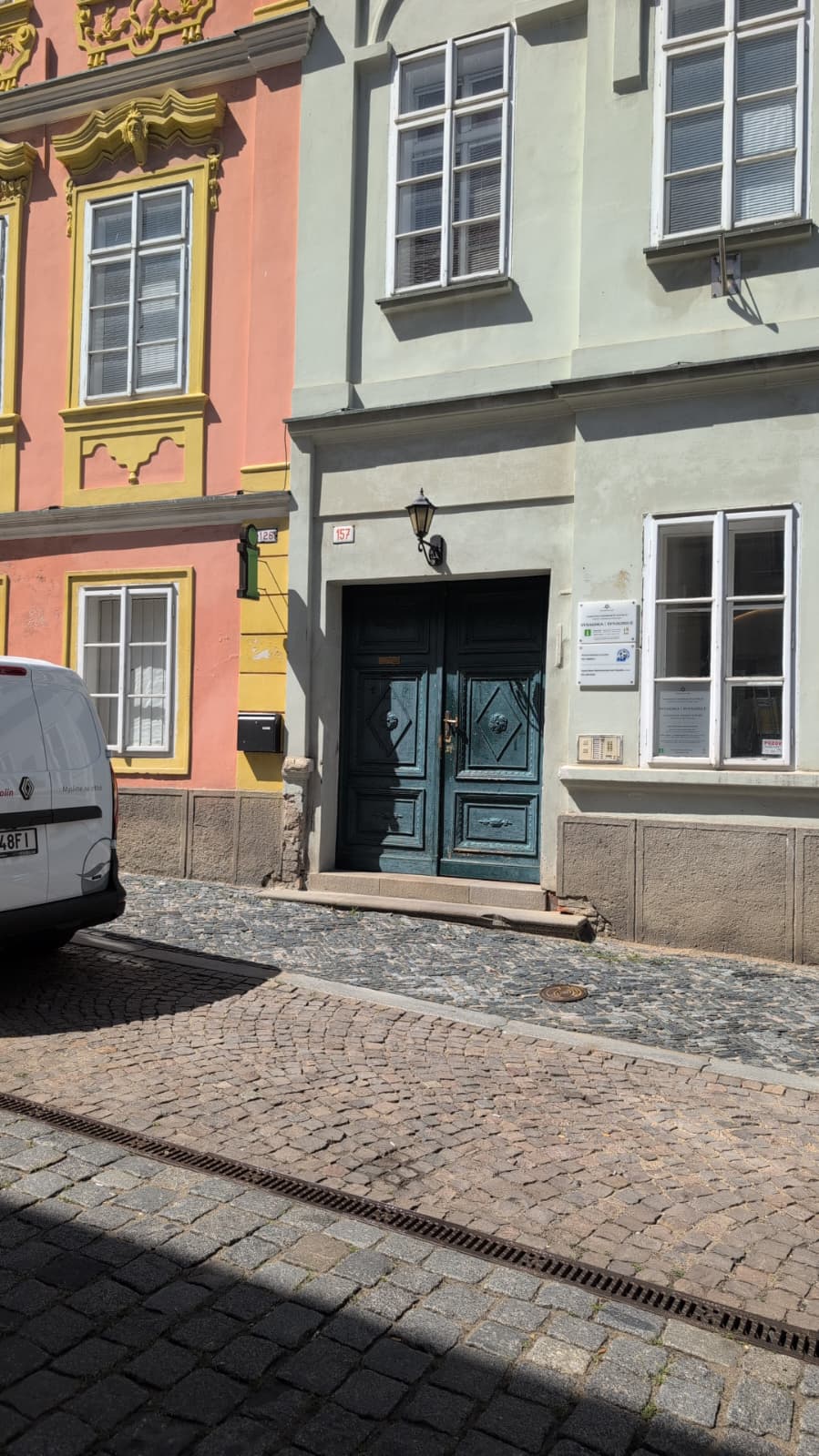
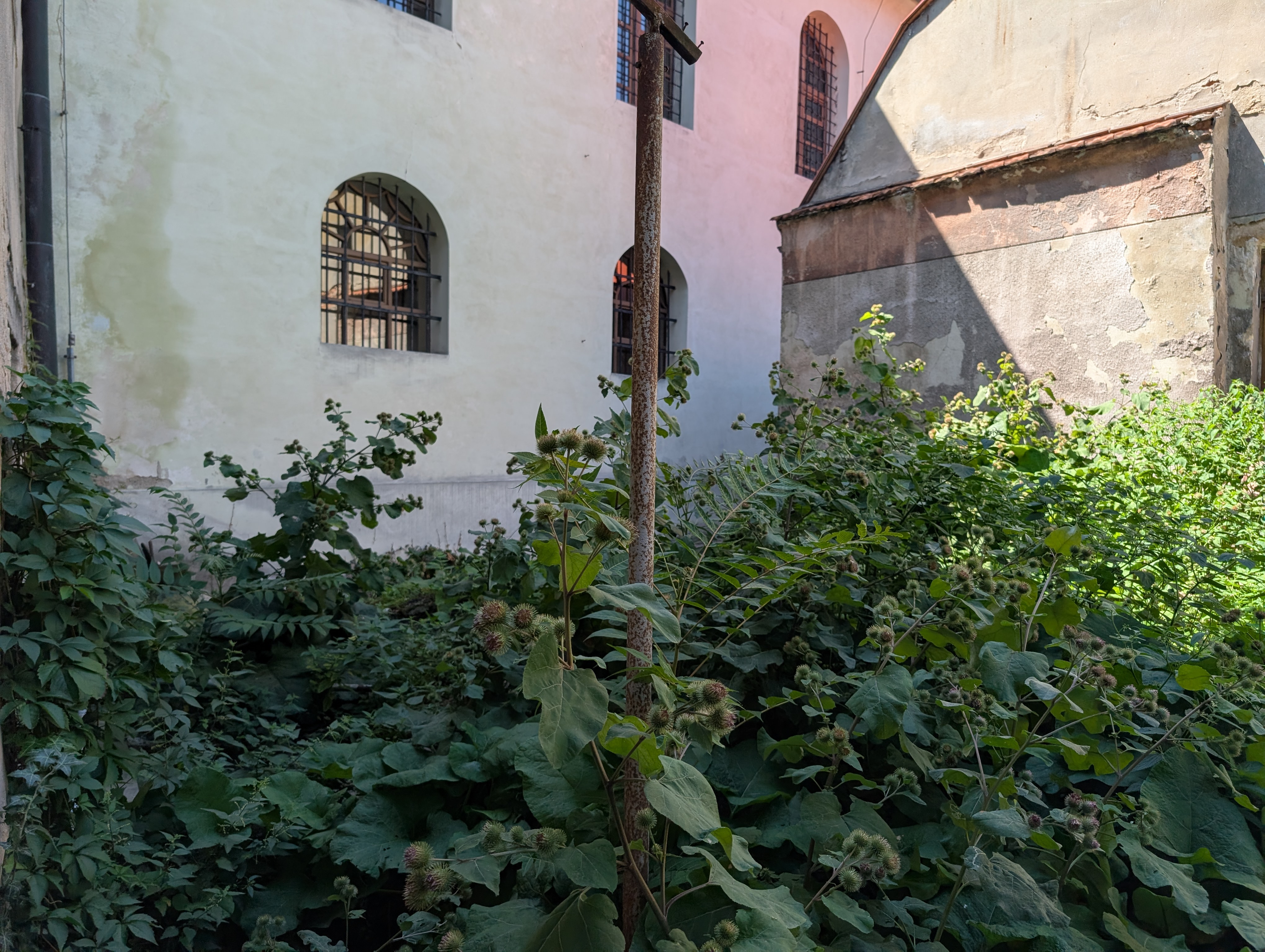
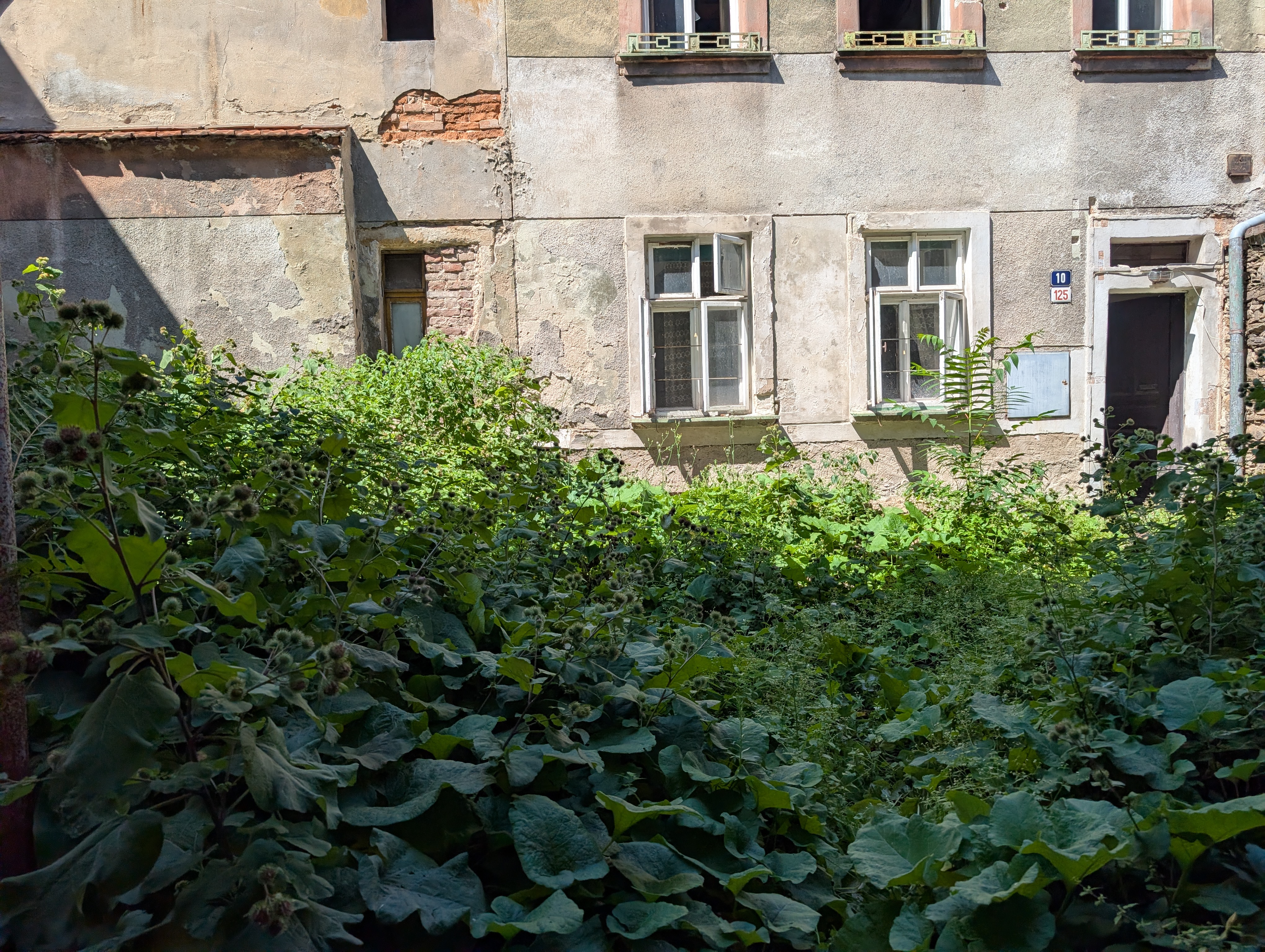
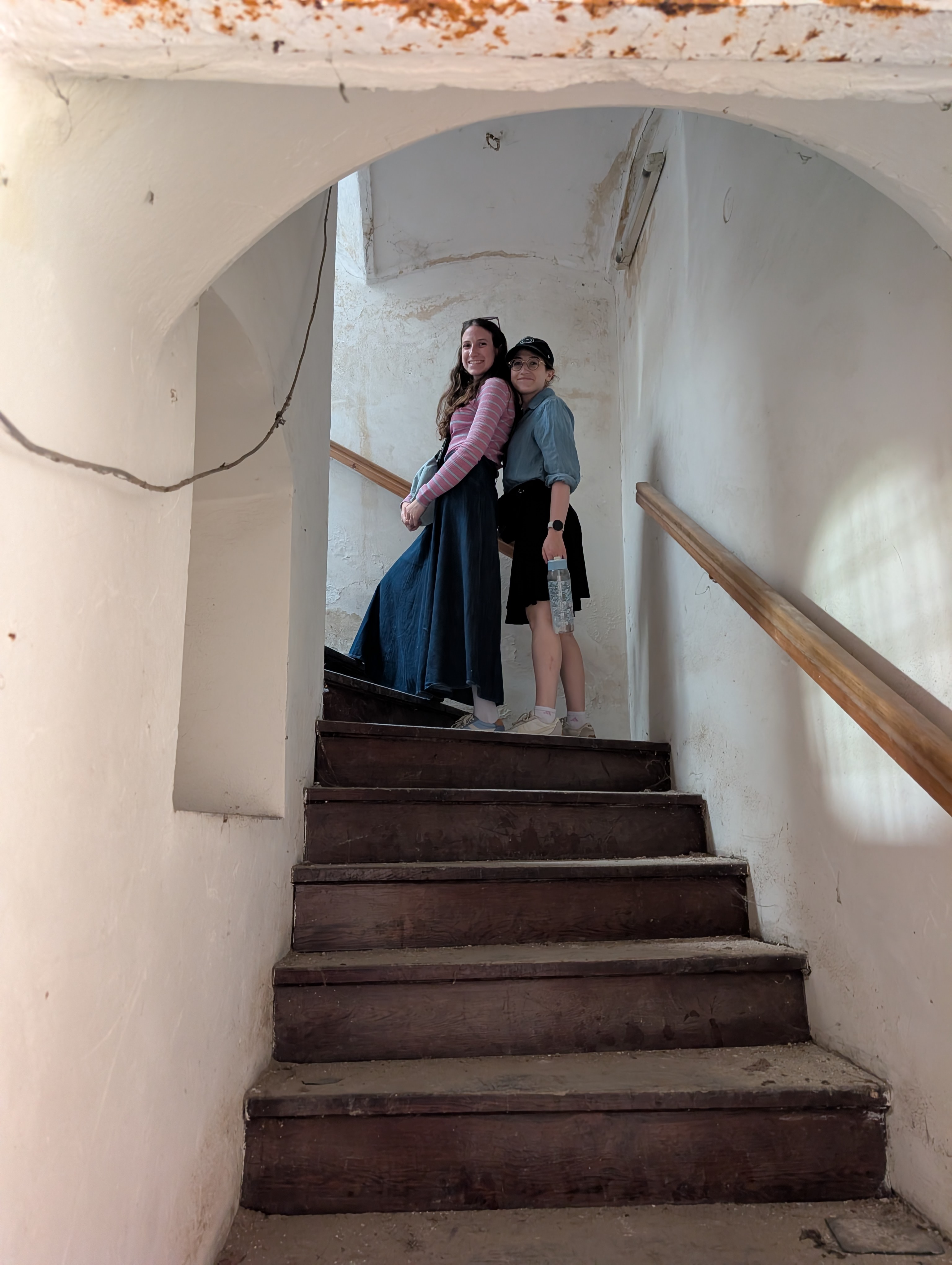
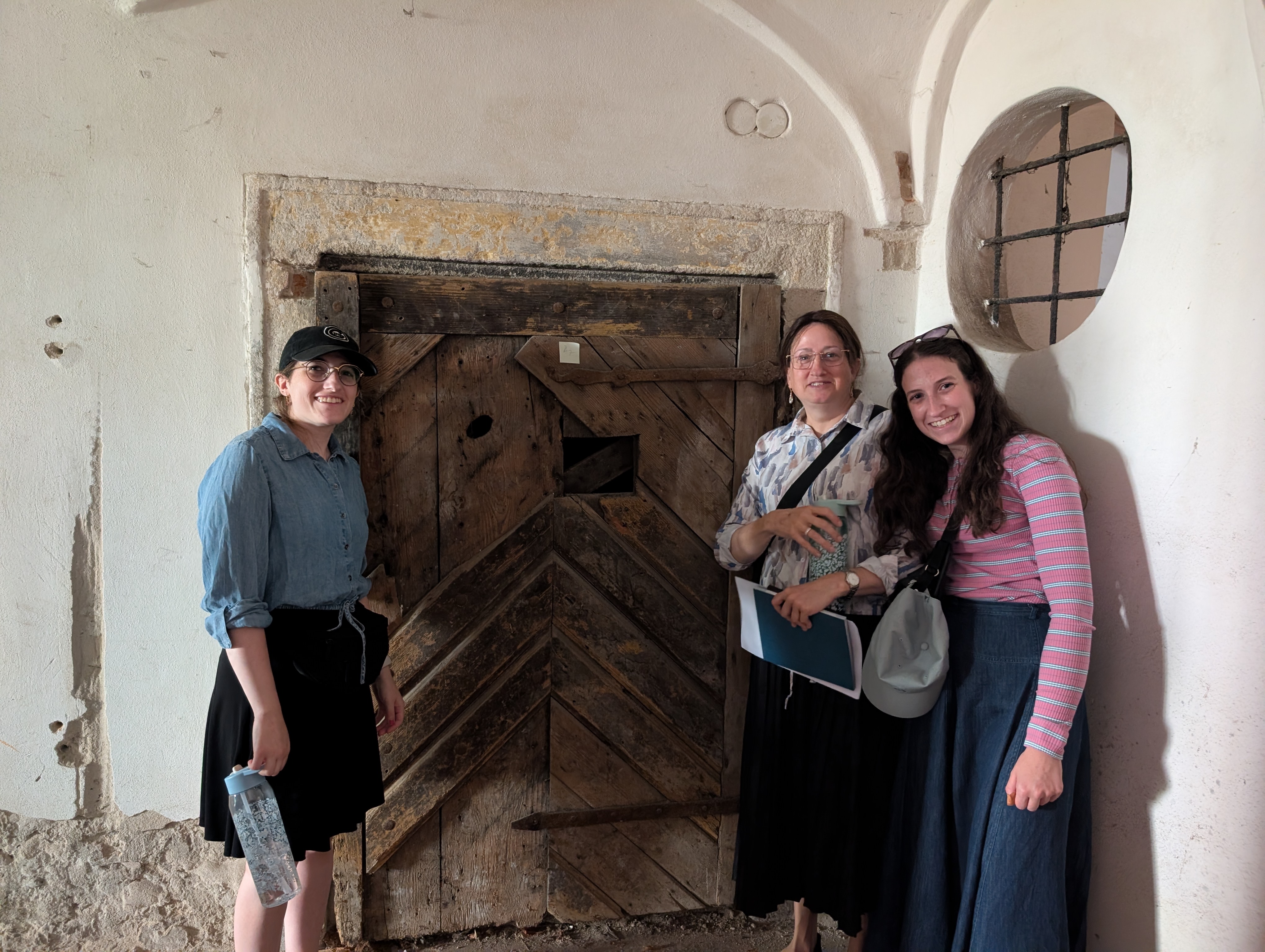
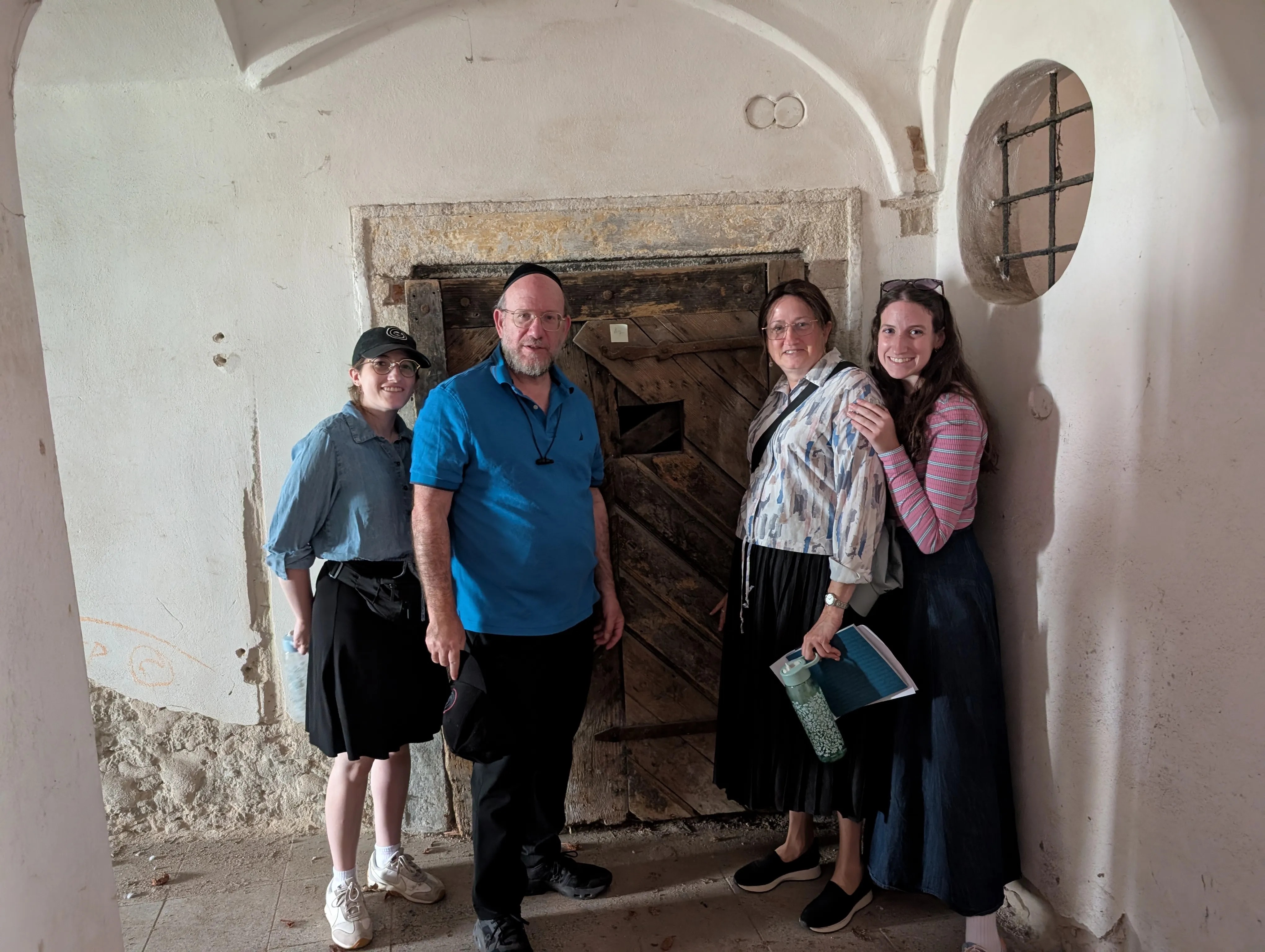
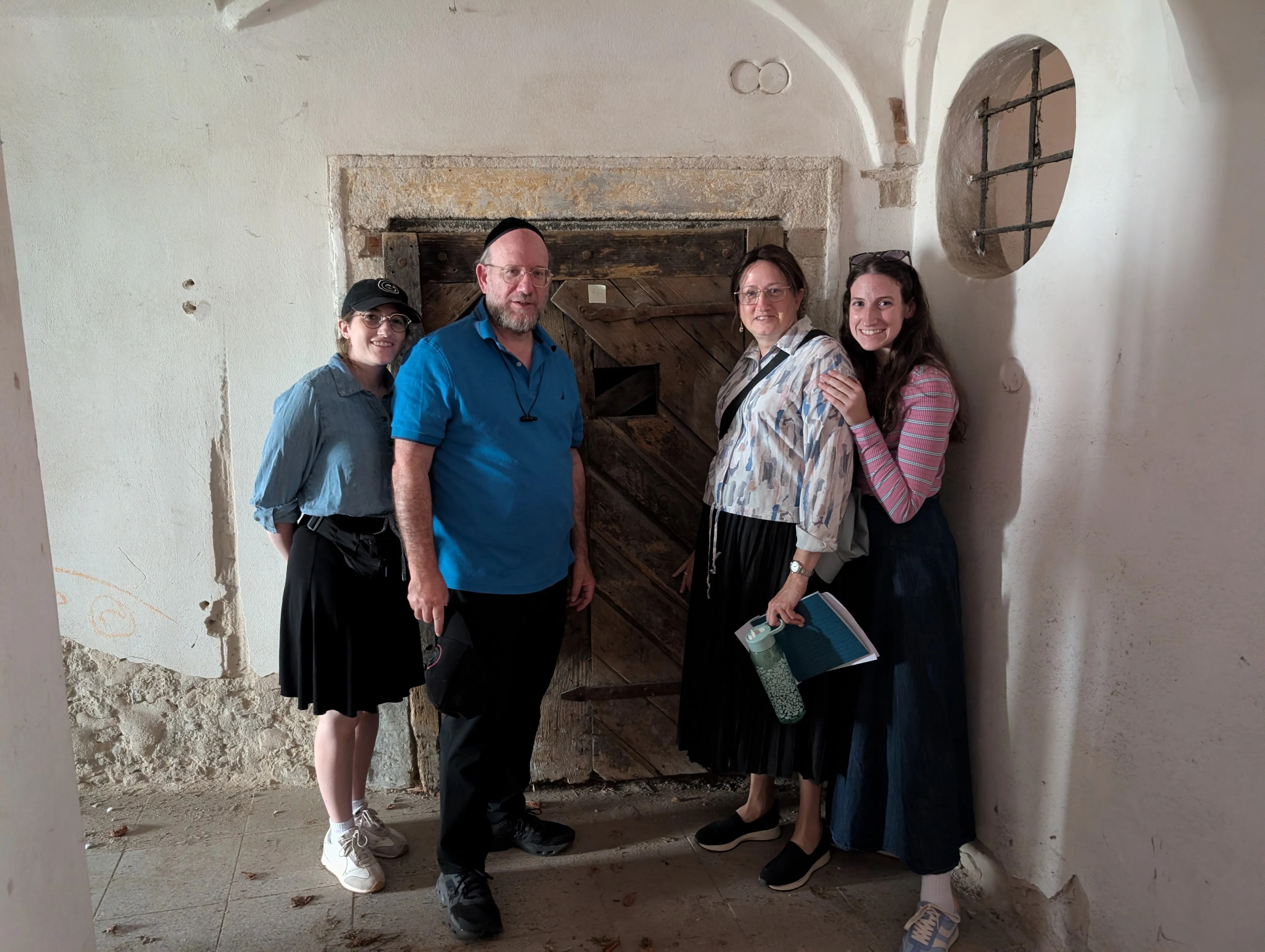
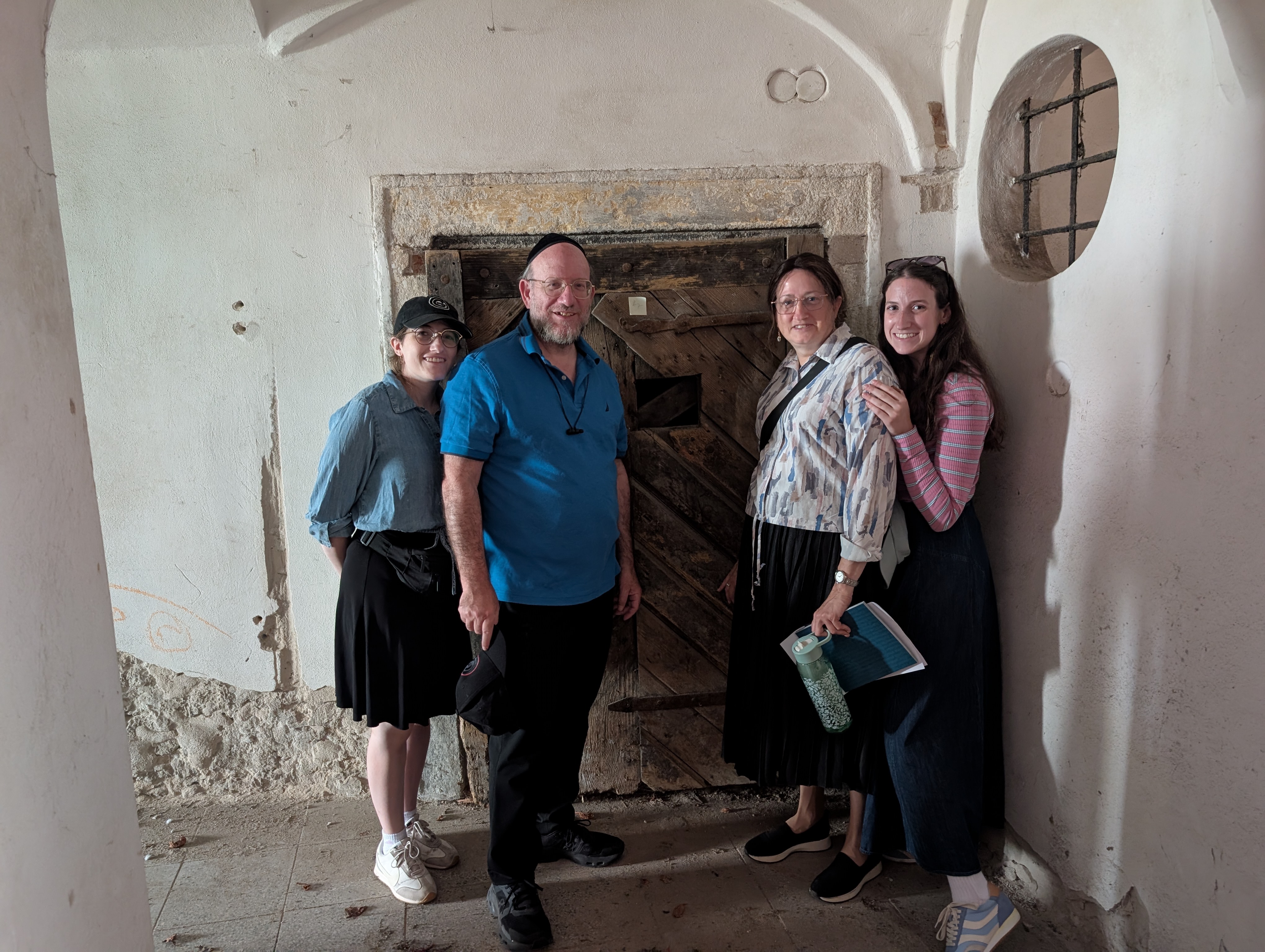
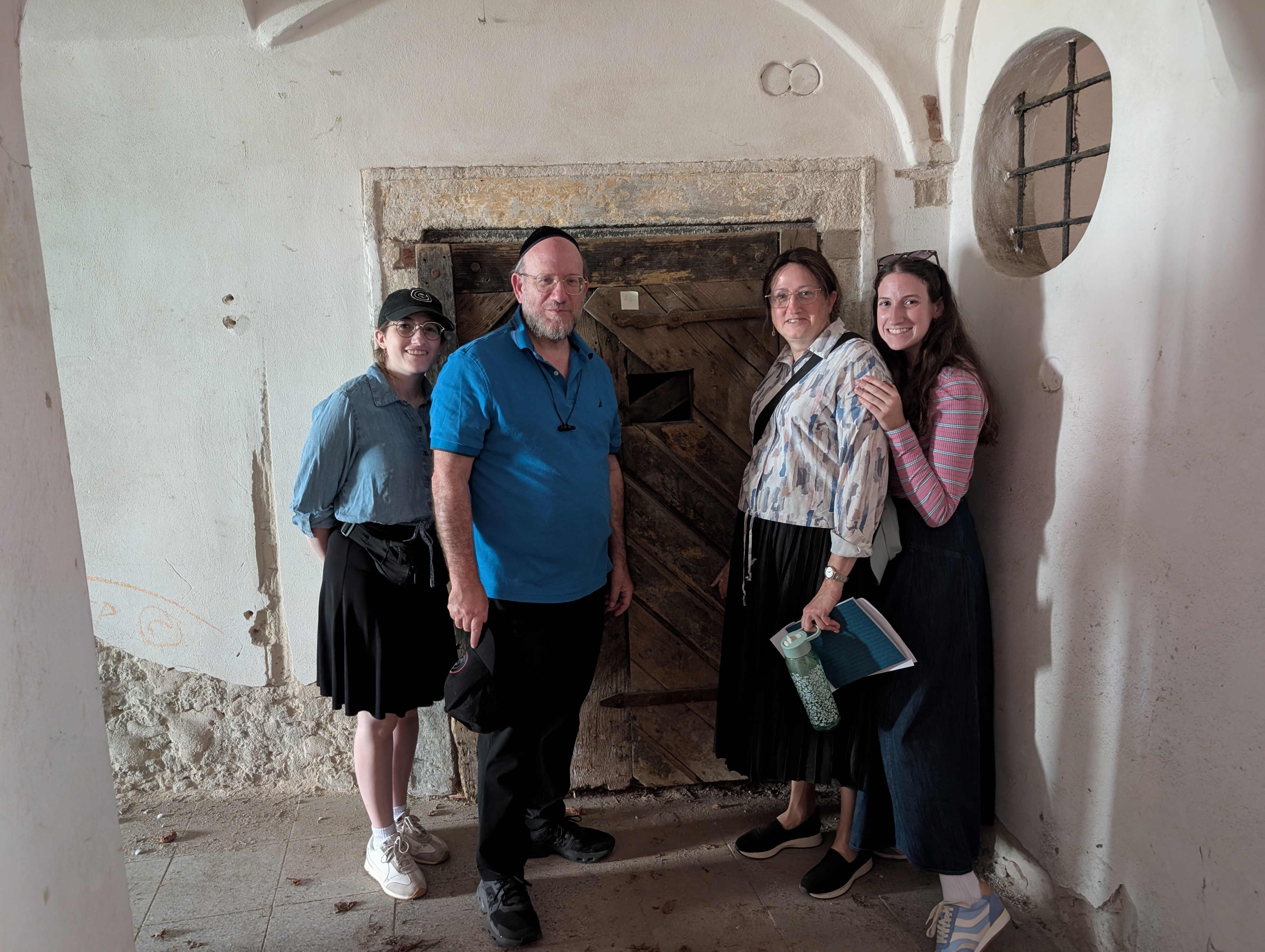
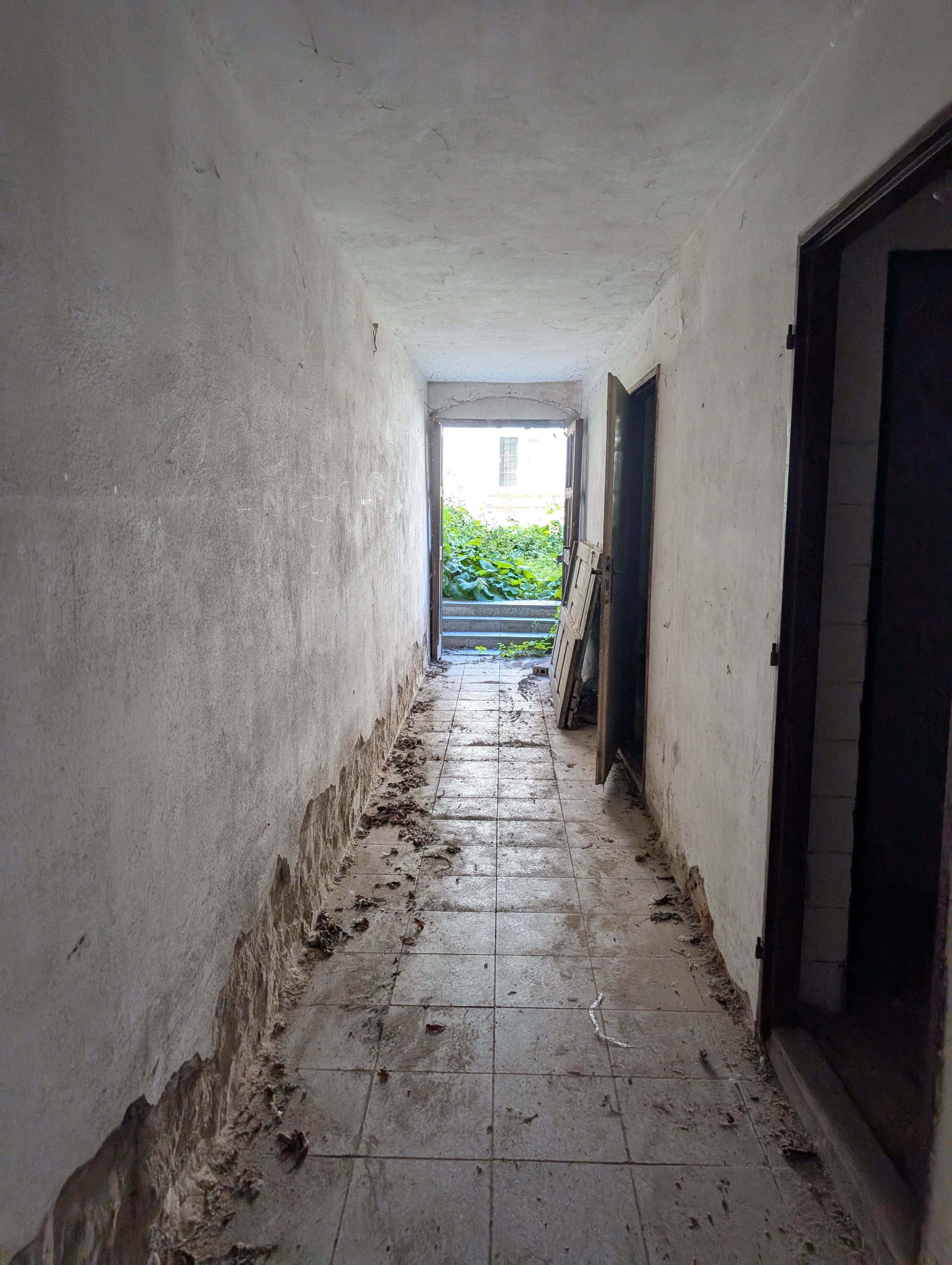
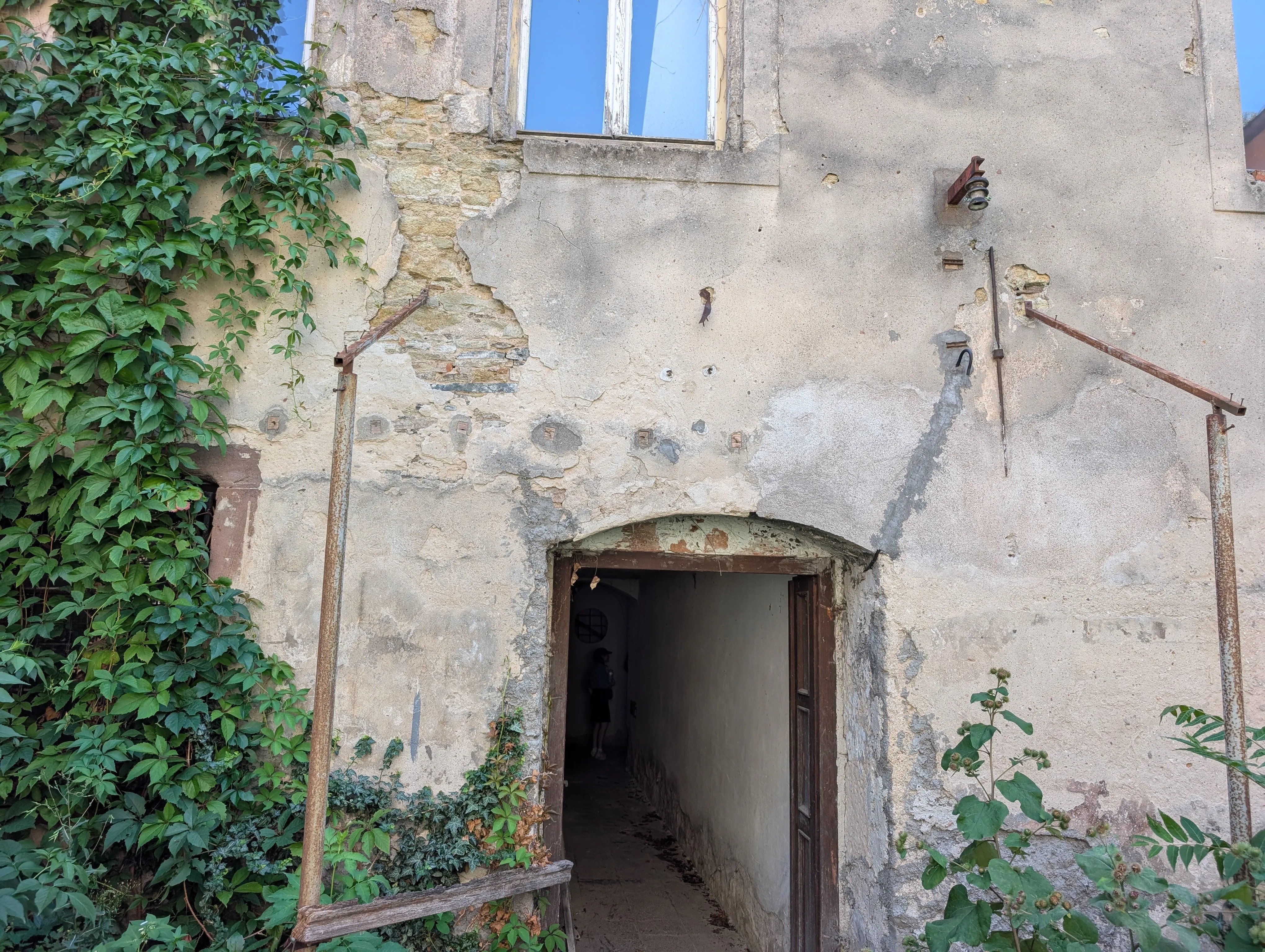
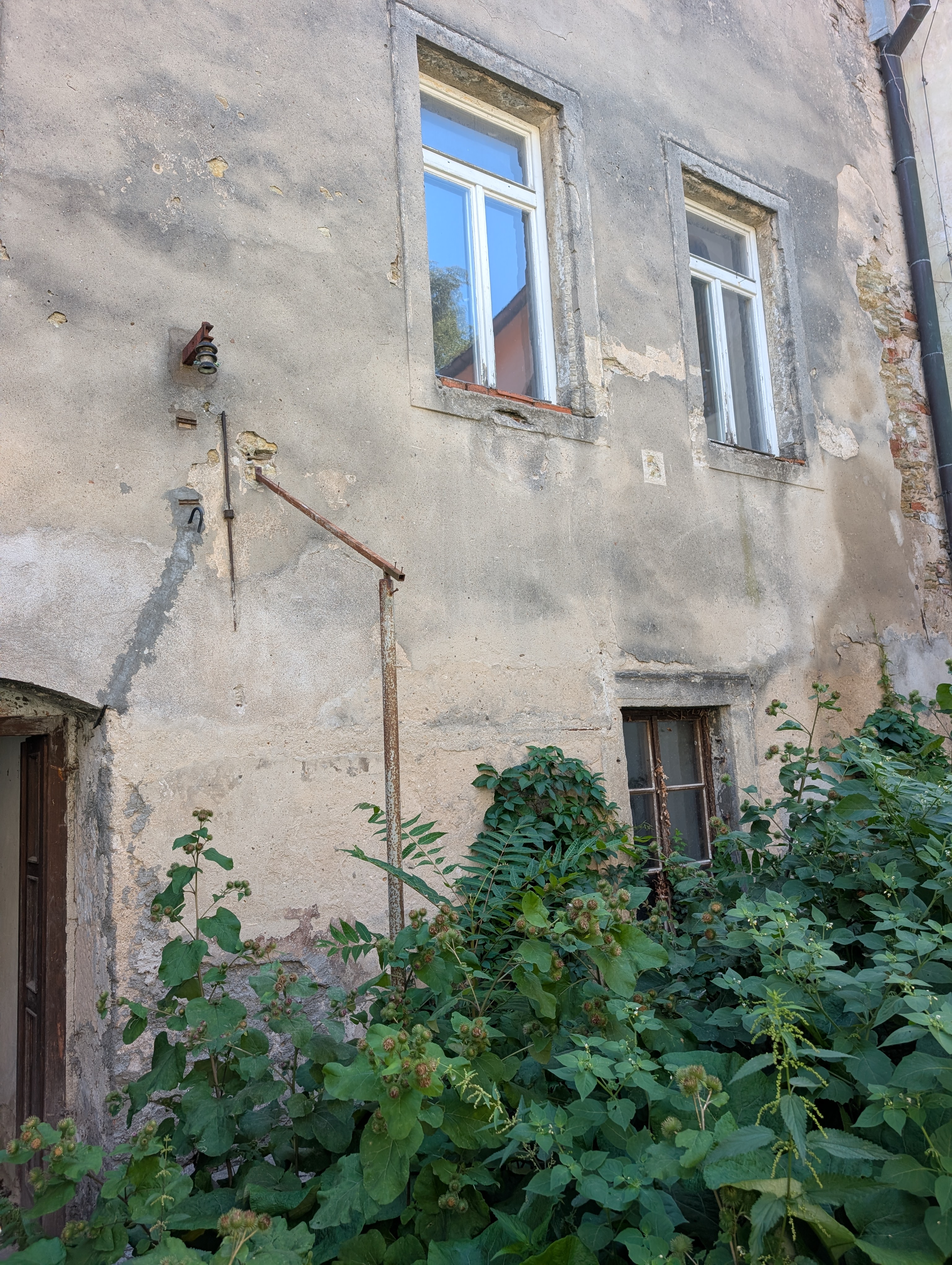
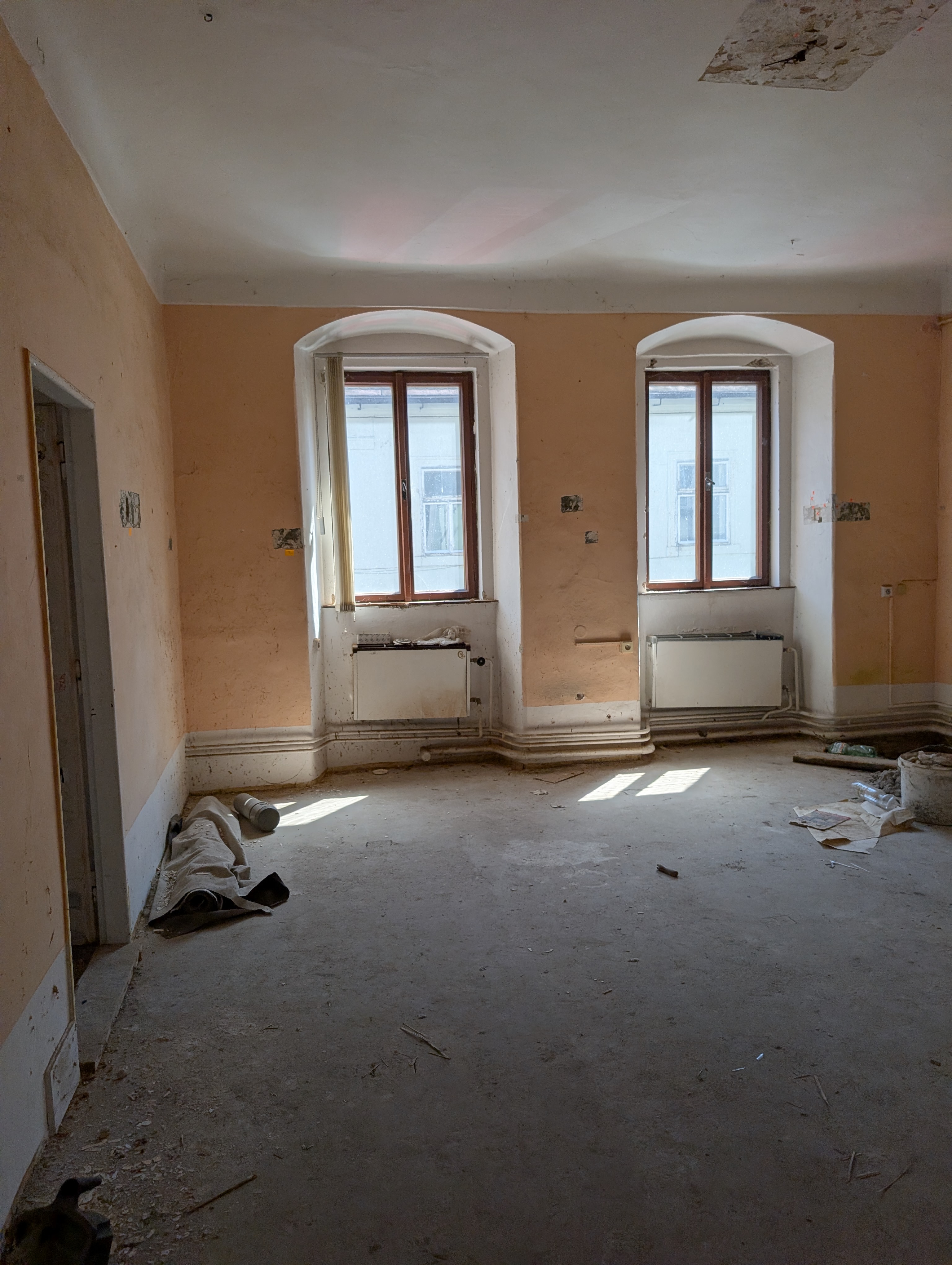
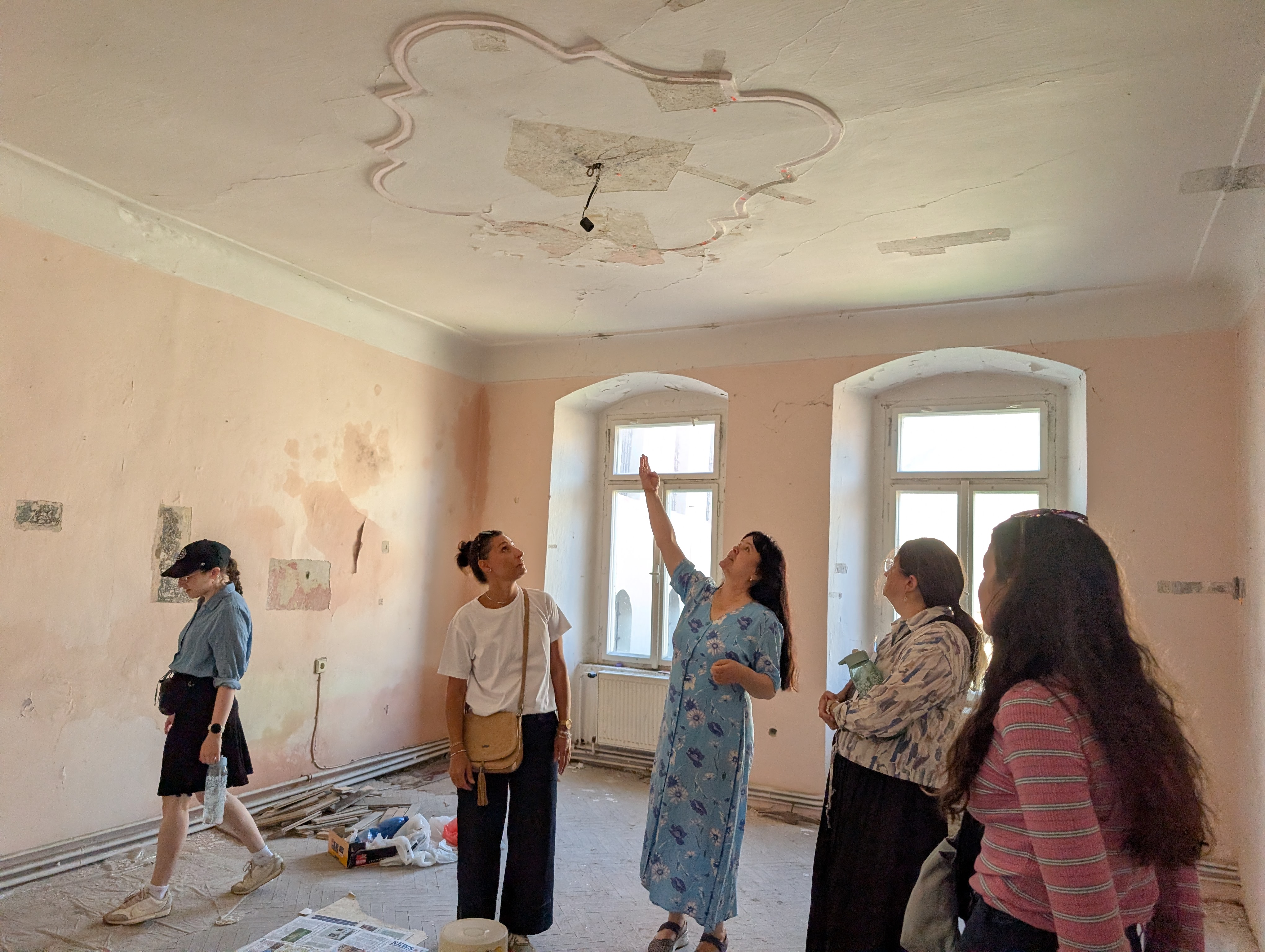
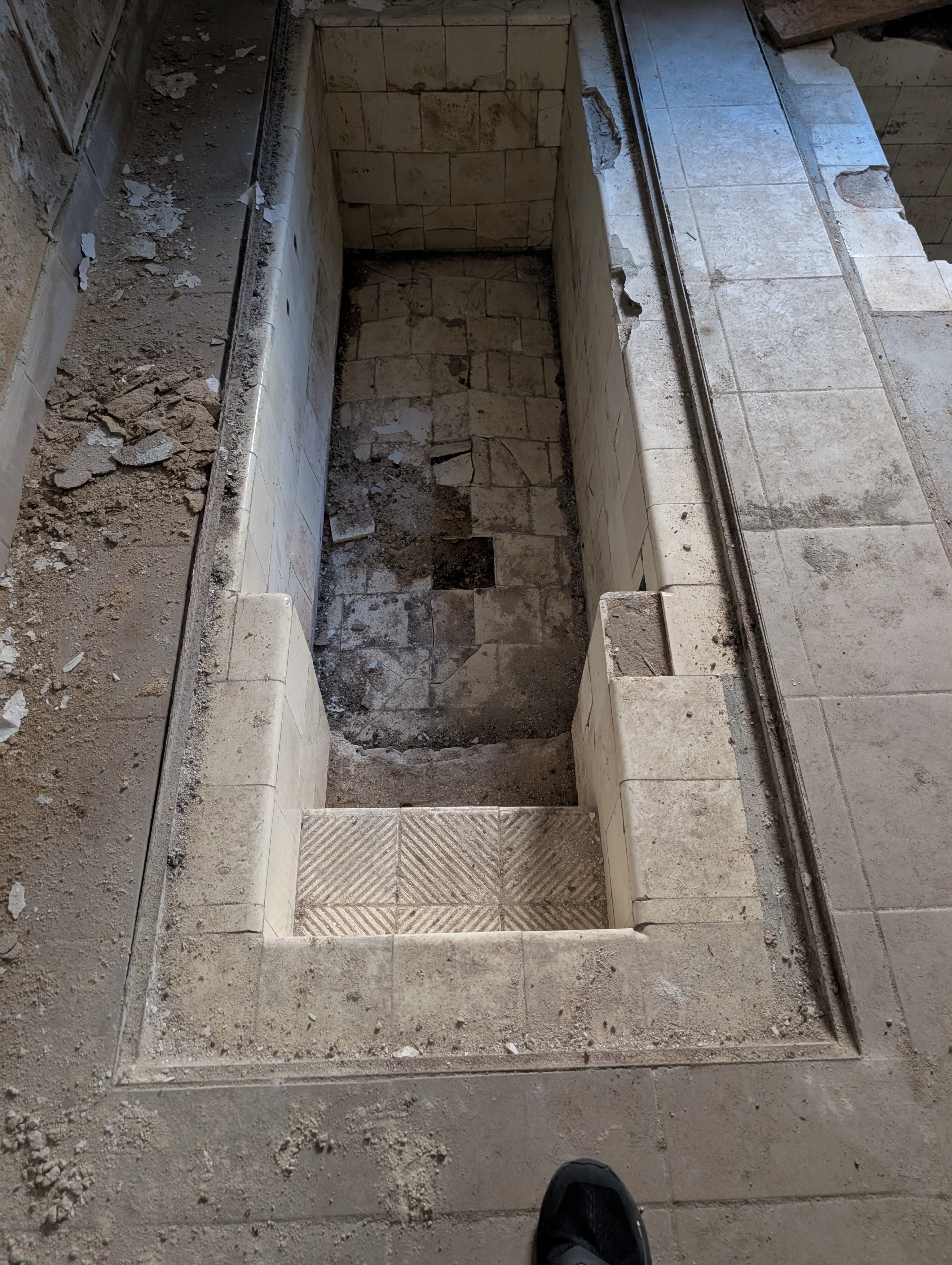
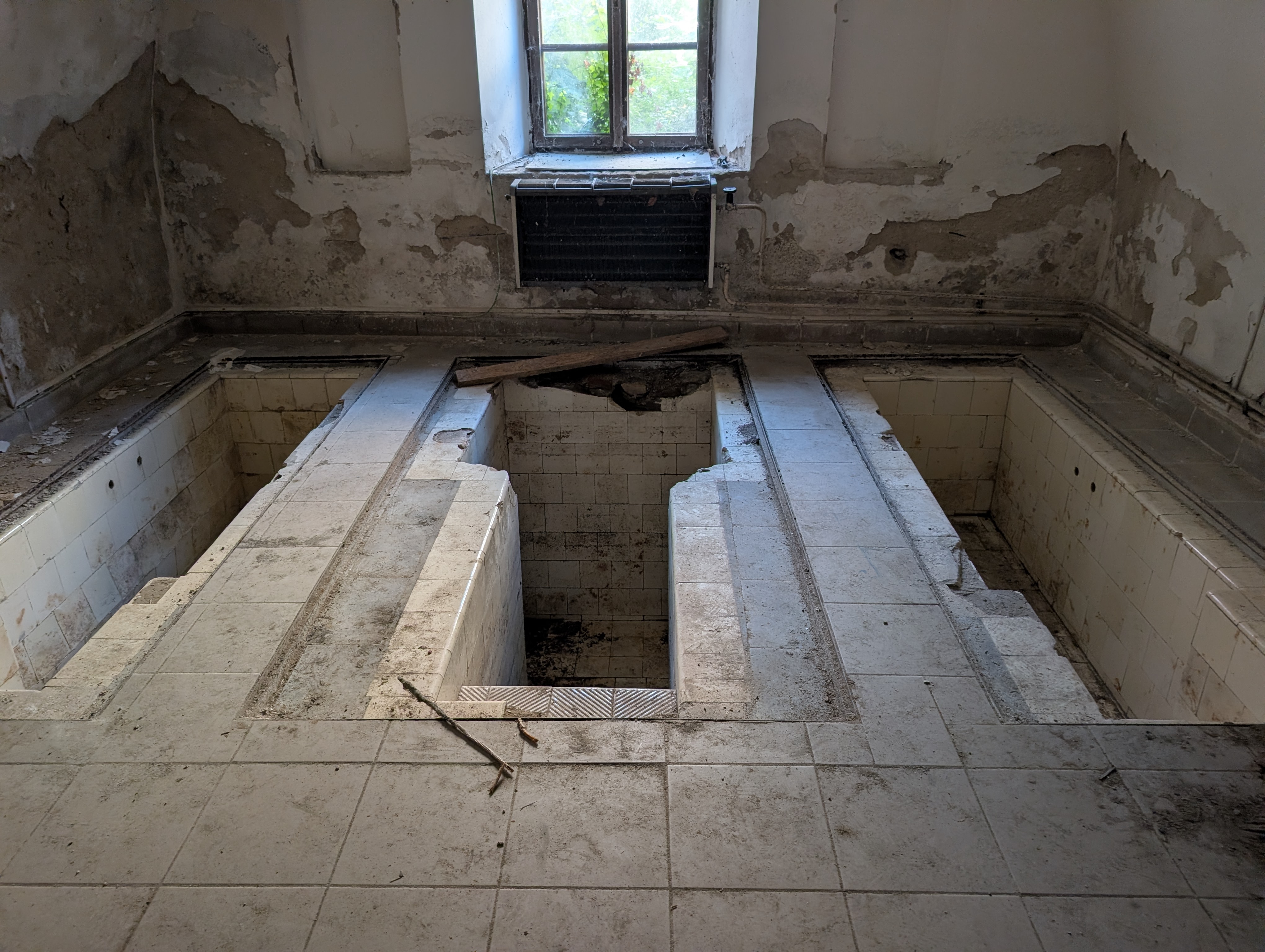
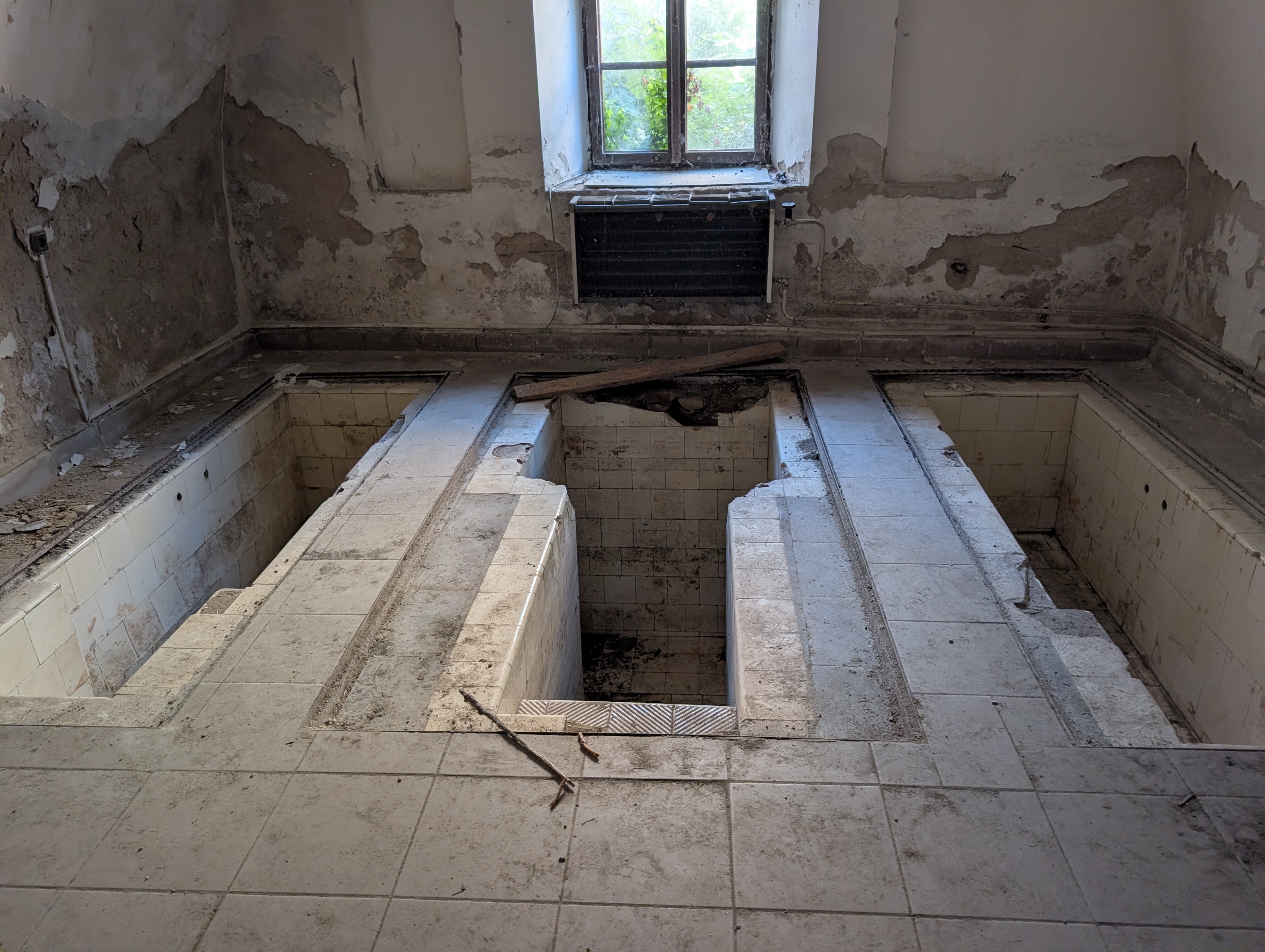
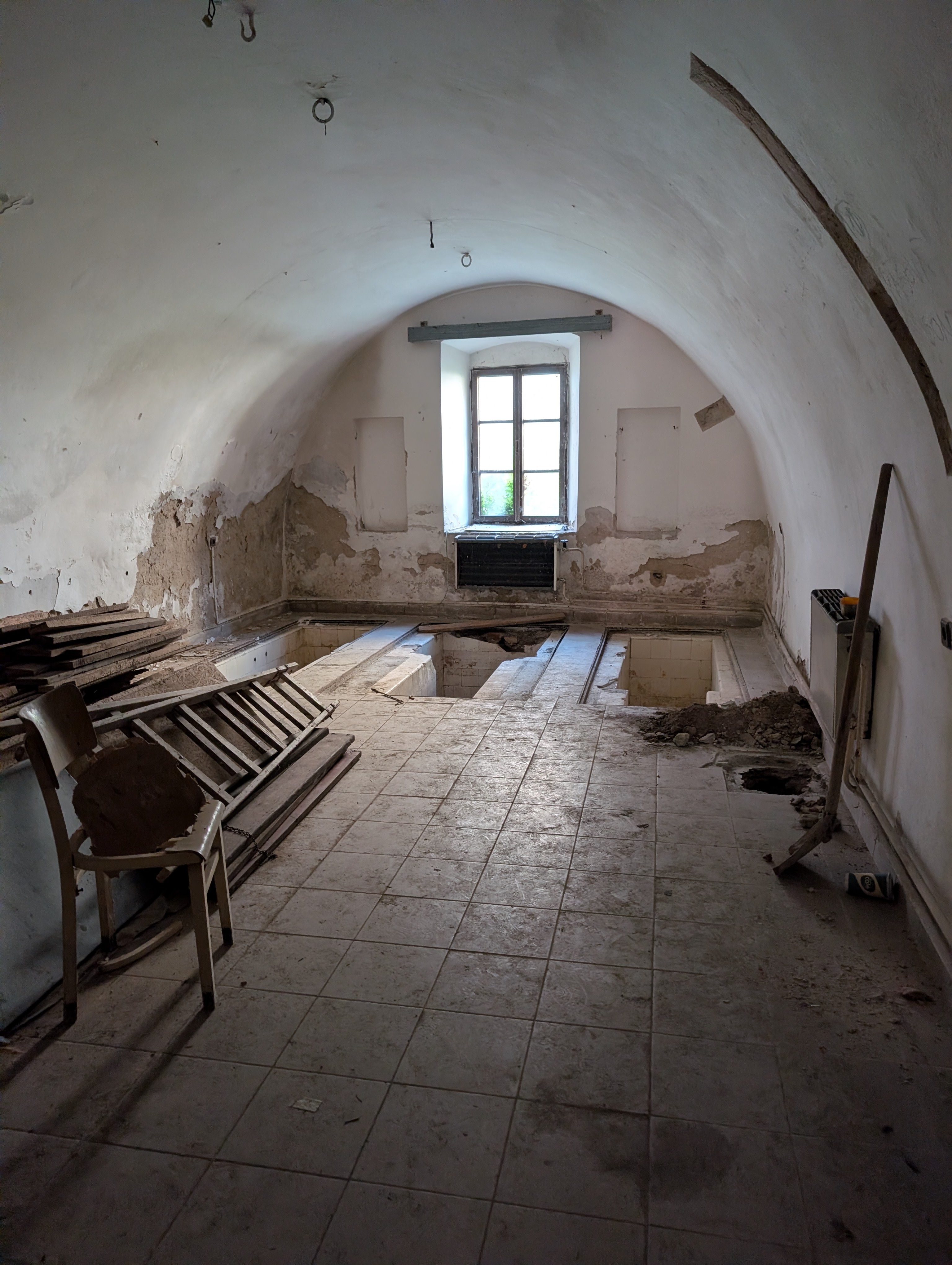
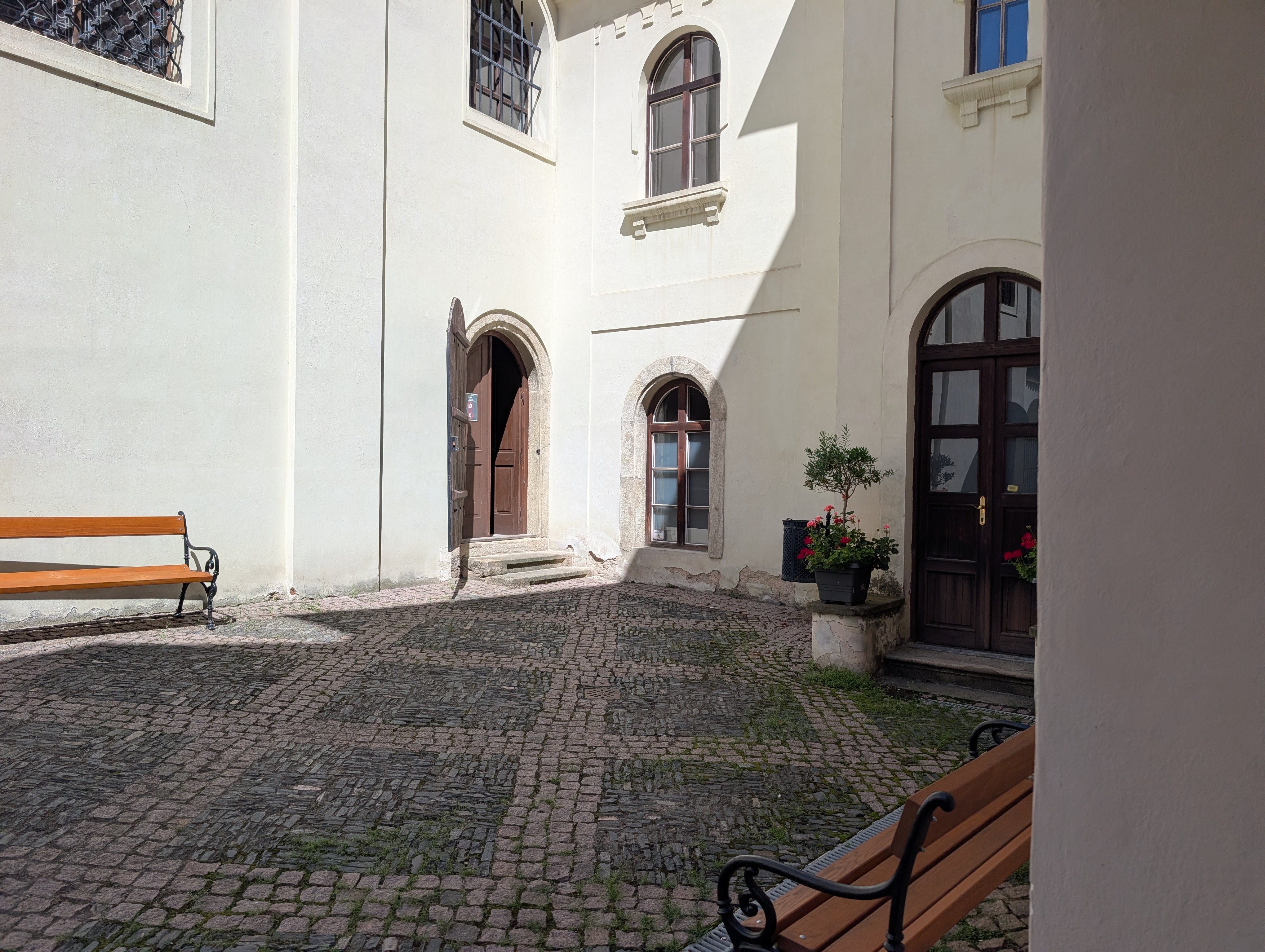
The house. Empty and part-way through a renovation, and the family were taken through it. The vaulted entry passage, the studded old door, the stairs, the rooms with their plaster coming off. Up in the attic the timber frame still carries the carpenter’s numbers cut into the beams, and nothing up there has been touched since the family lived in the house — over a hundred years.
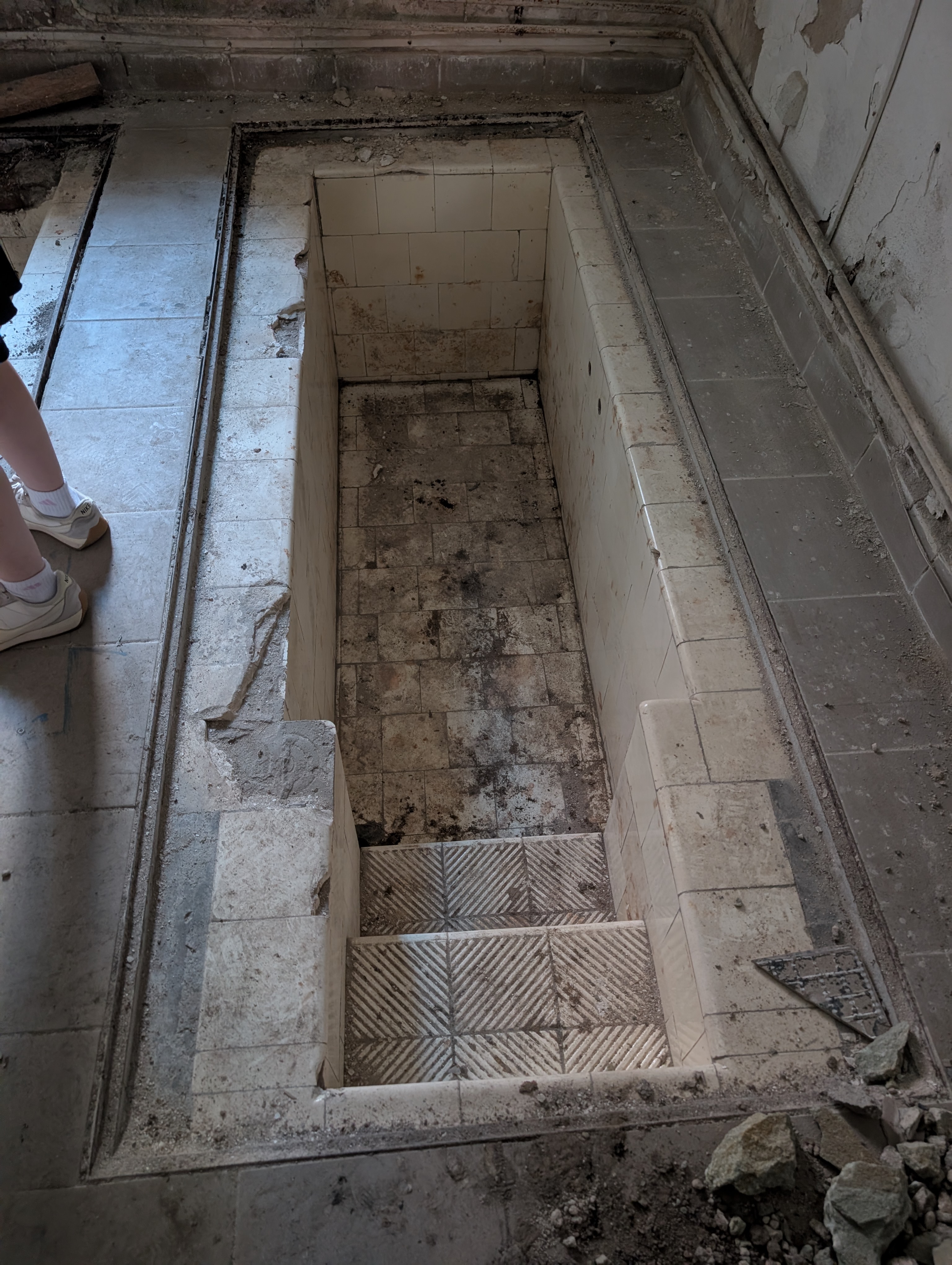
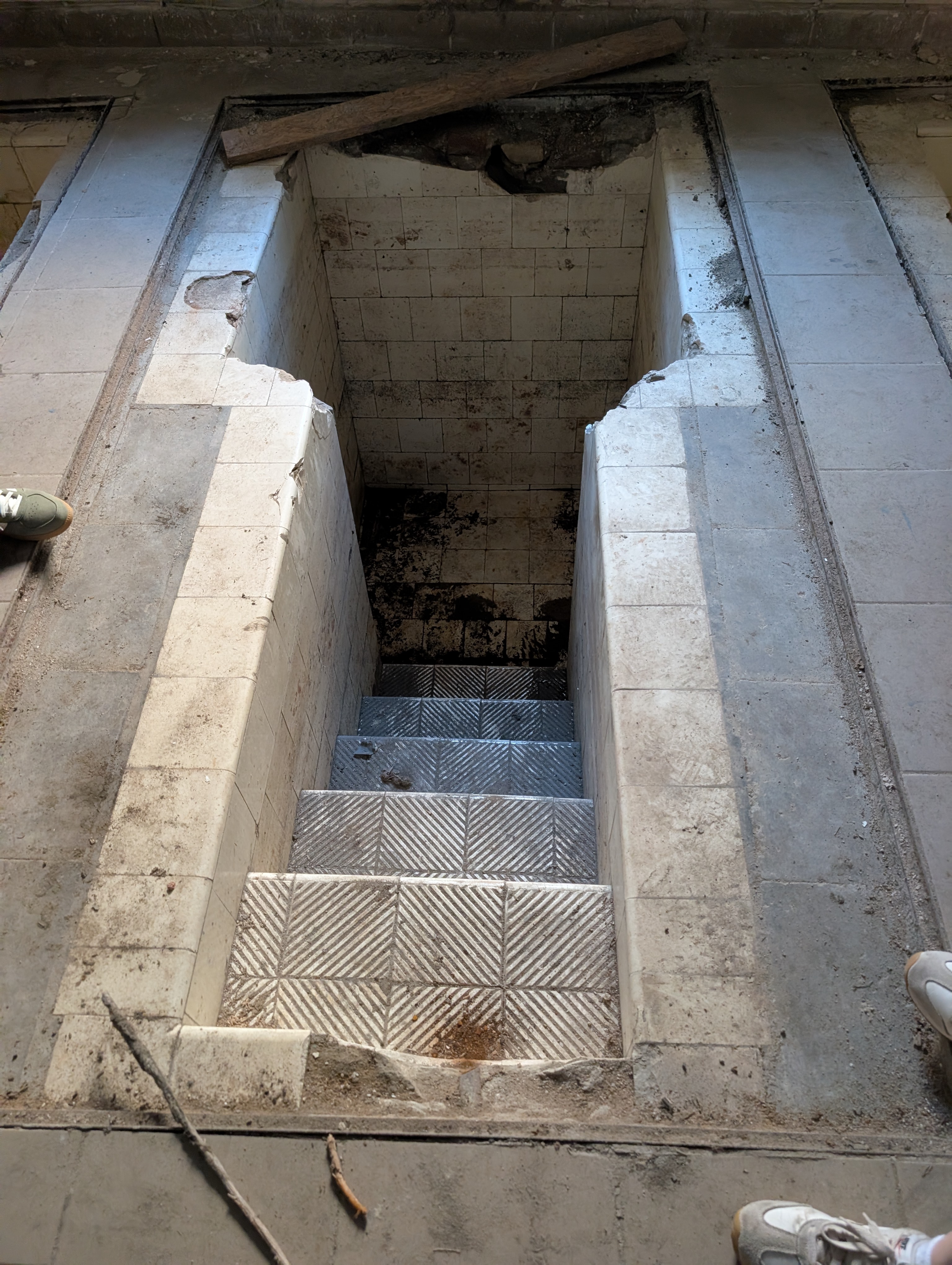
The mikvaos. In the house, under a barrel-vaulted room: tiled, stepped, more than one of them, with the floor opened up around them.
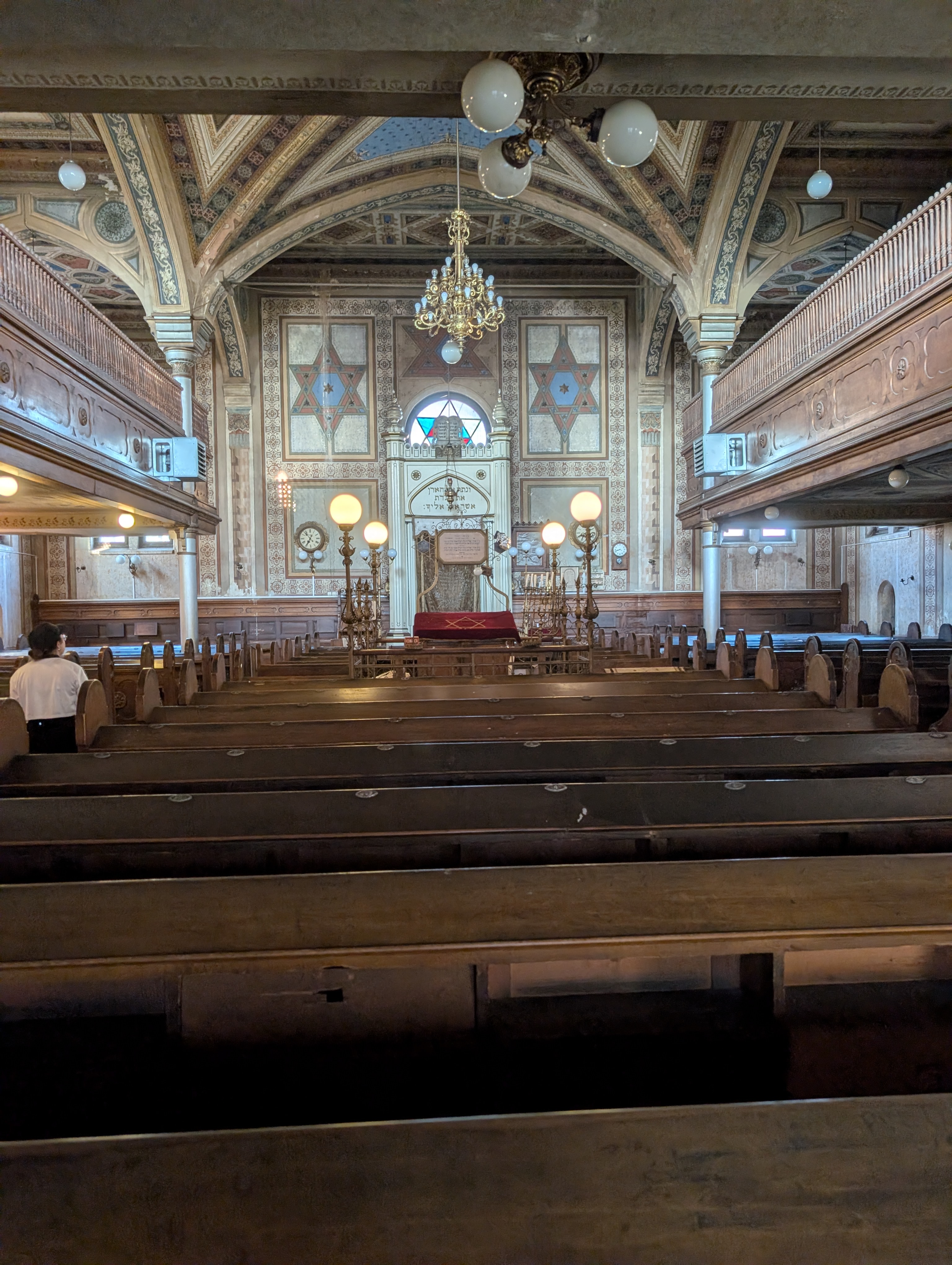
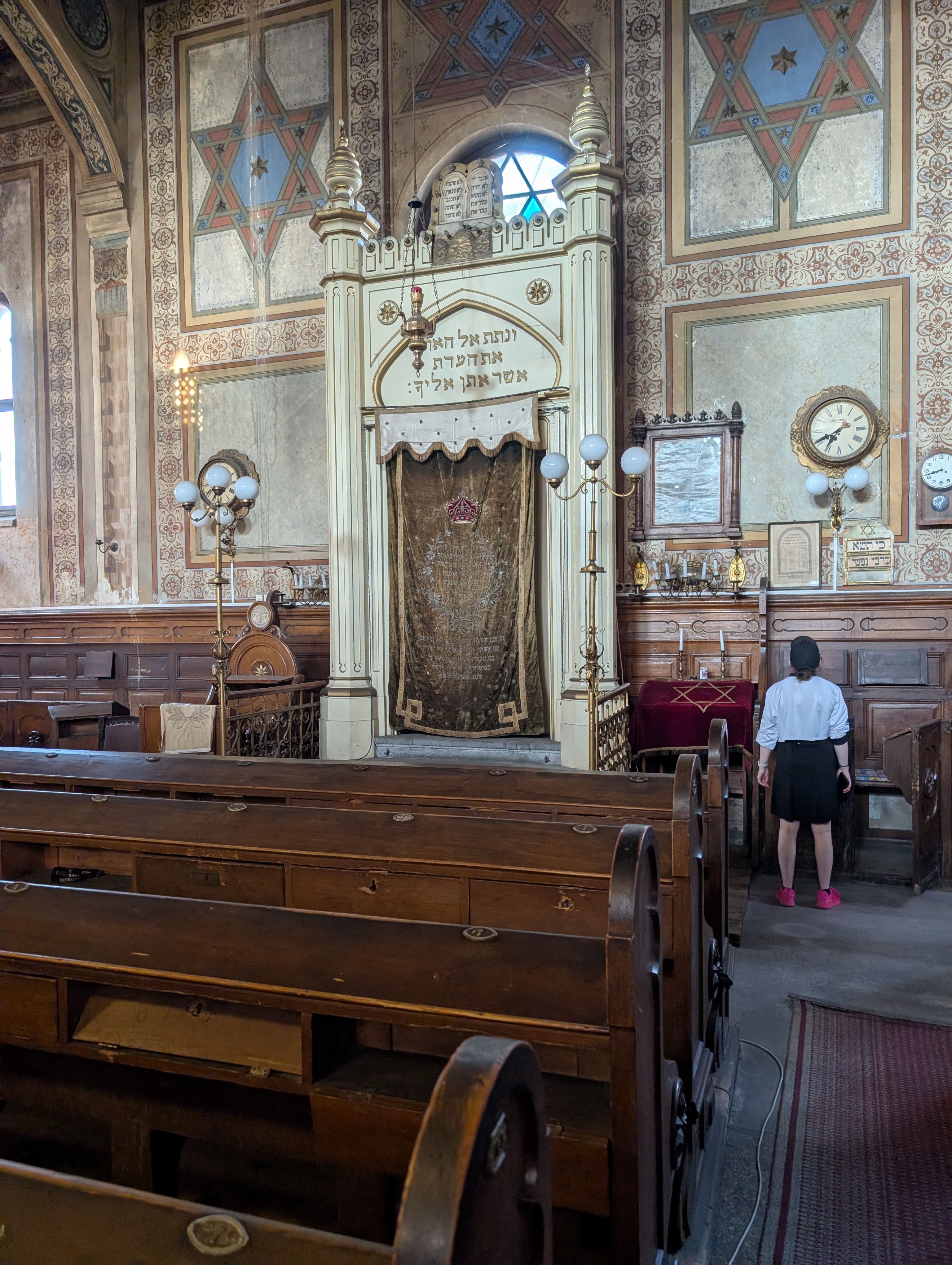
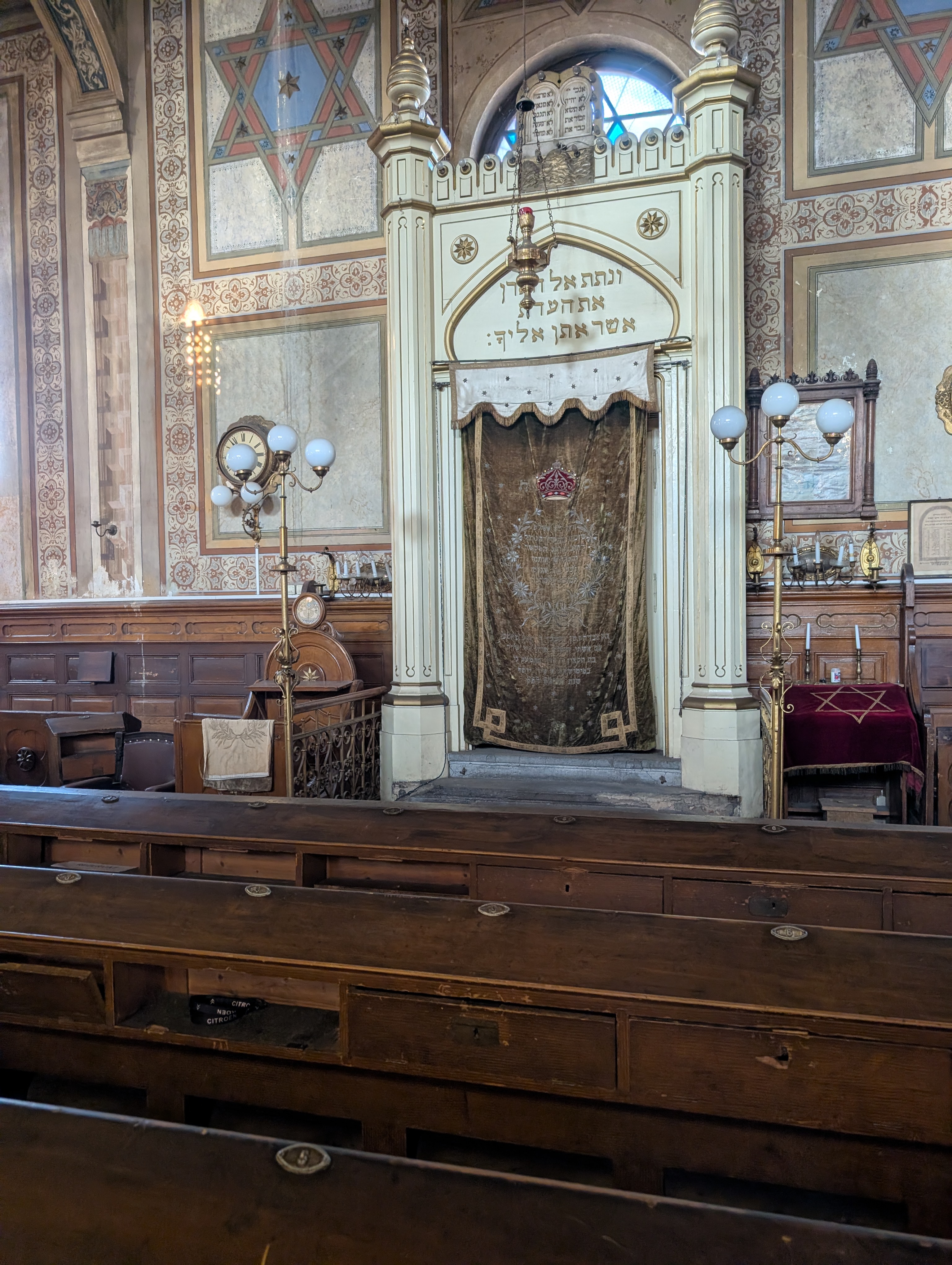
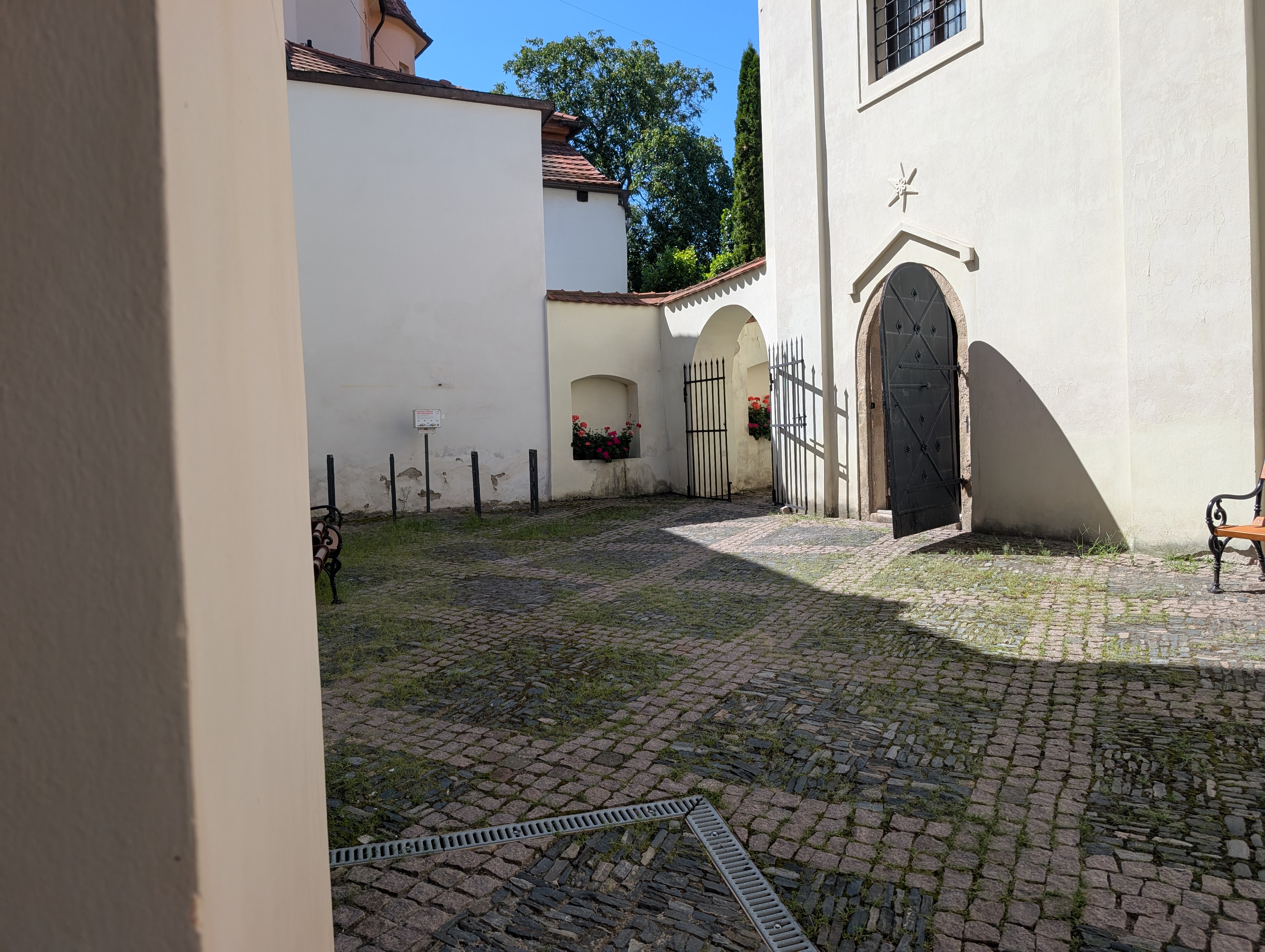
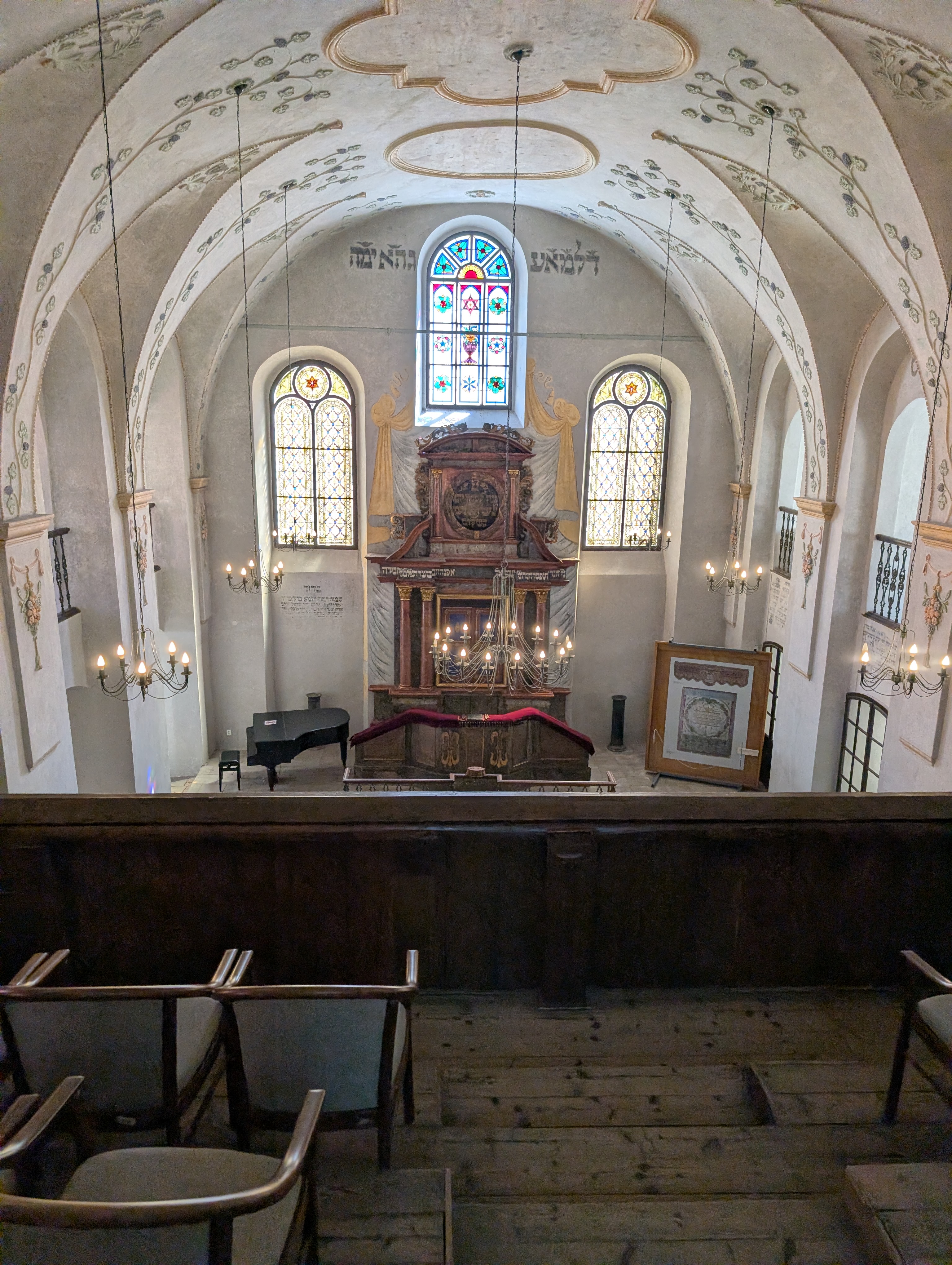
The shul. Standing, cared for, and open — the aron kodesh and bimah in place under a painted vault, the walls carrying Hebrew dedication panels. This is where the family davened.
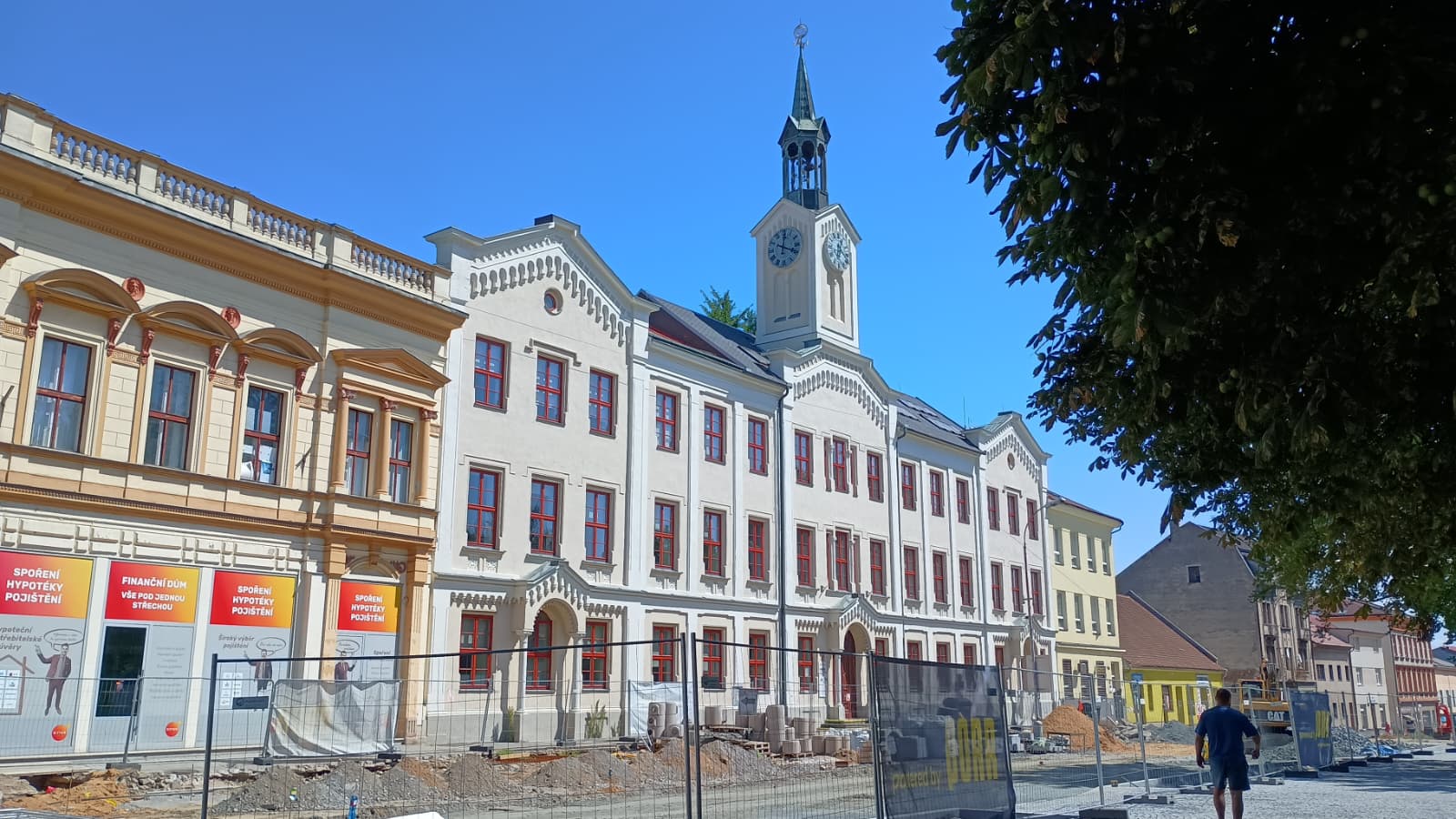
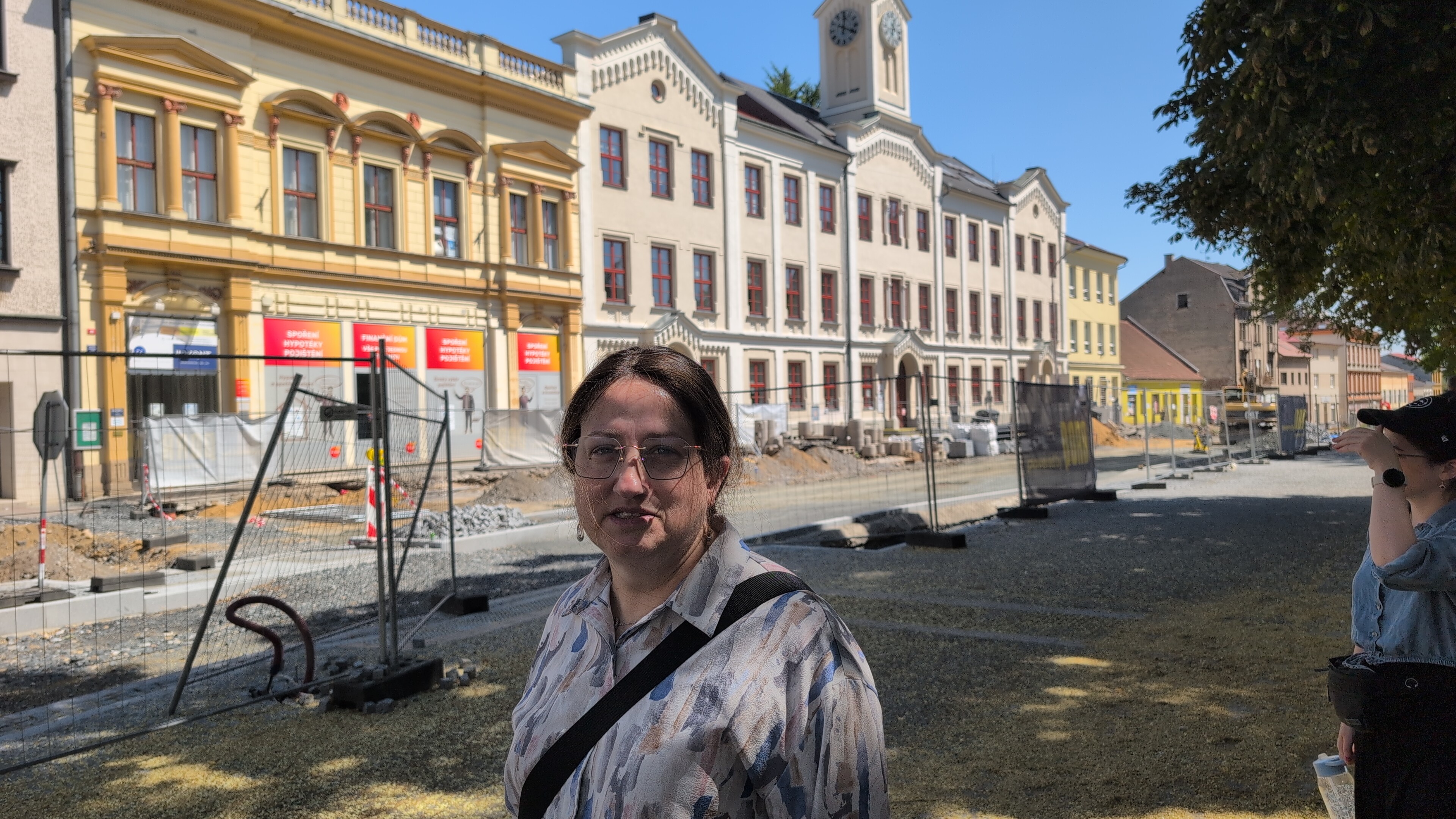
The school. The large building on the square, with the clock tower. R’ Yosef Gugenheimer taught in the town’s Hauptschule and Realschule and appears in a photograph of the teaching staff, and pressed the kehillah hard on Jewish education — in 1877 a school inspector revoked a privilege R’ Yosef Gugenheimer had defended, and the Jewish school was closed.
Kolín’s kehillah went back to the fourteenth century and was second in Bohemia only to Prague. It was already shrinking through the Gugenheimer years — about 1,700 Jews in 1854, a quarter of the town; 806 by 1900; 430 by 1930. In three transports in June 1942, 2,232 people were deported through Kolín to Terezín. About 140 came back.
The stones were not smashed; the community was destroyed instead. What damage the new cemetery carries came from the Allied bombing of Kolín on 15 March 1945, and from 1989, when part of the ground was taken for housing and the original gate and ceremonial hall were pulled down. The aron kodesh out of that hall went to Northwood, near London, in 1982, and is still in use there. A memorial naming 487 of the murdered was put up in 1950 on Richard Feder’s initiative.
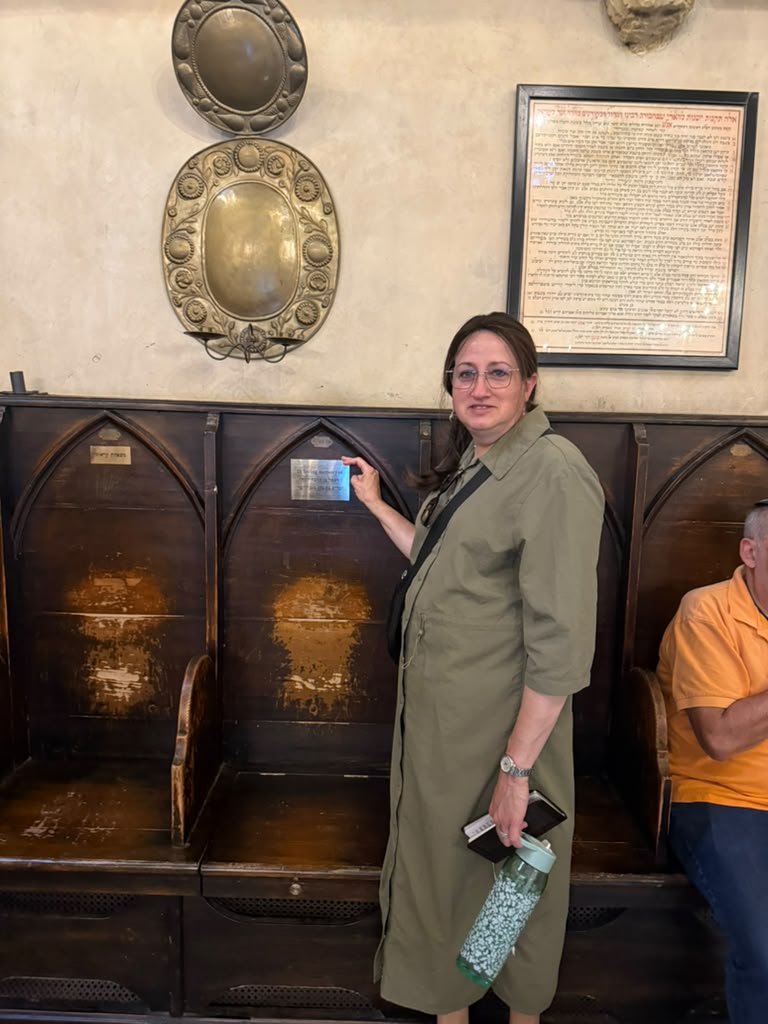
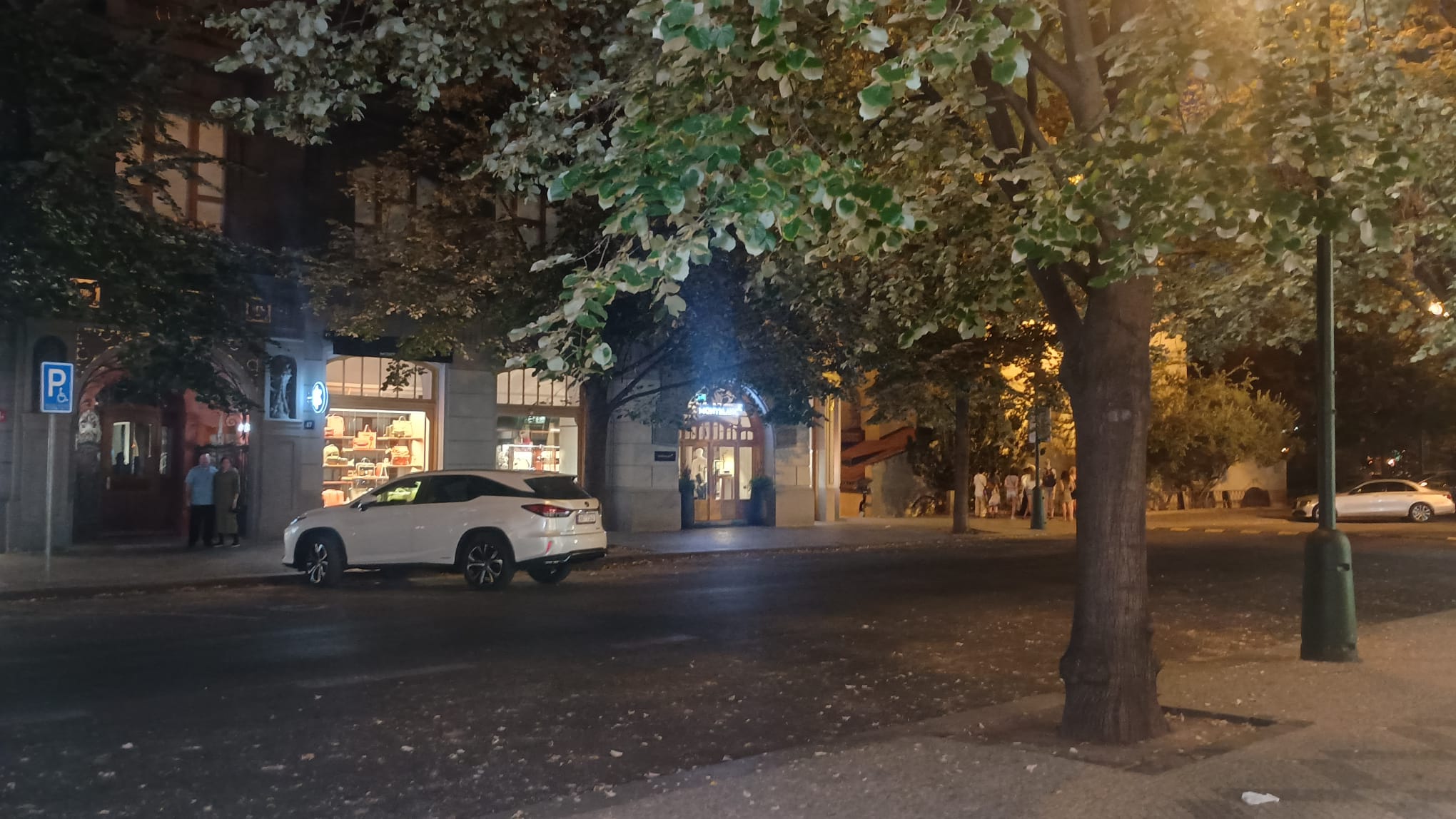
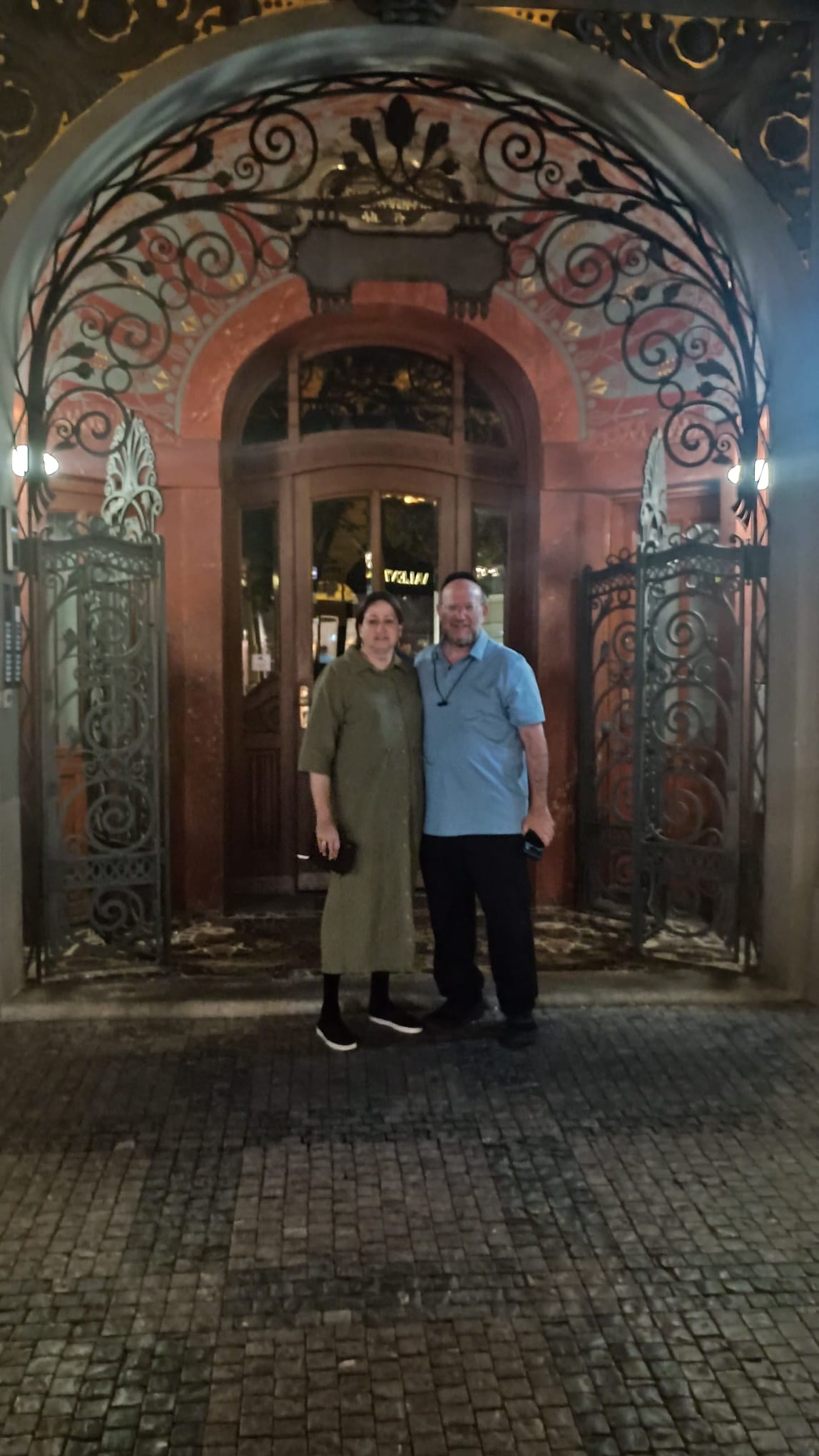
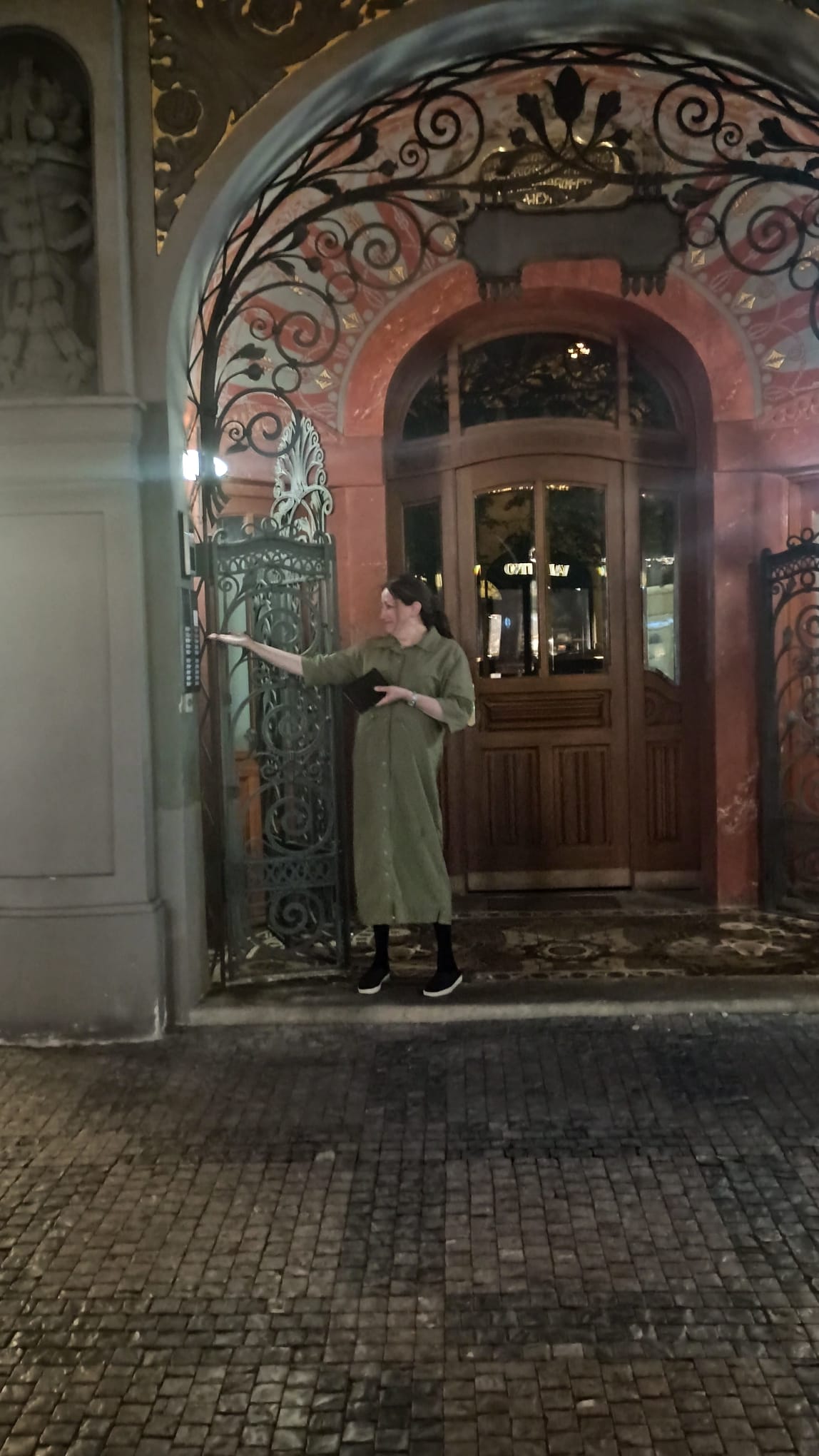
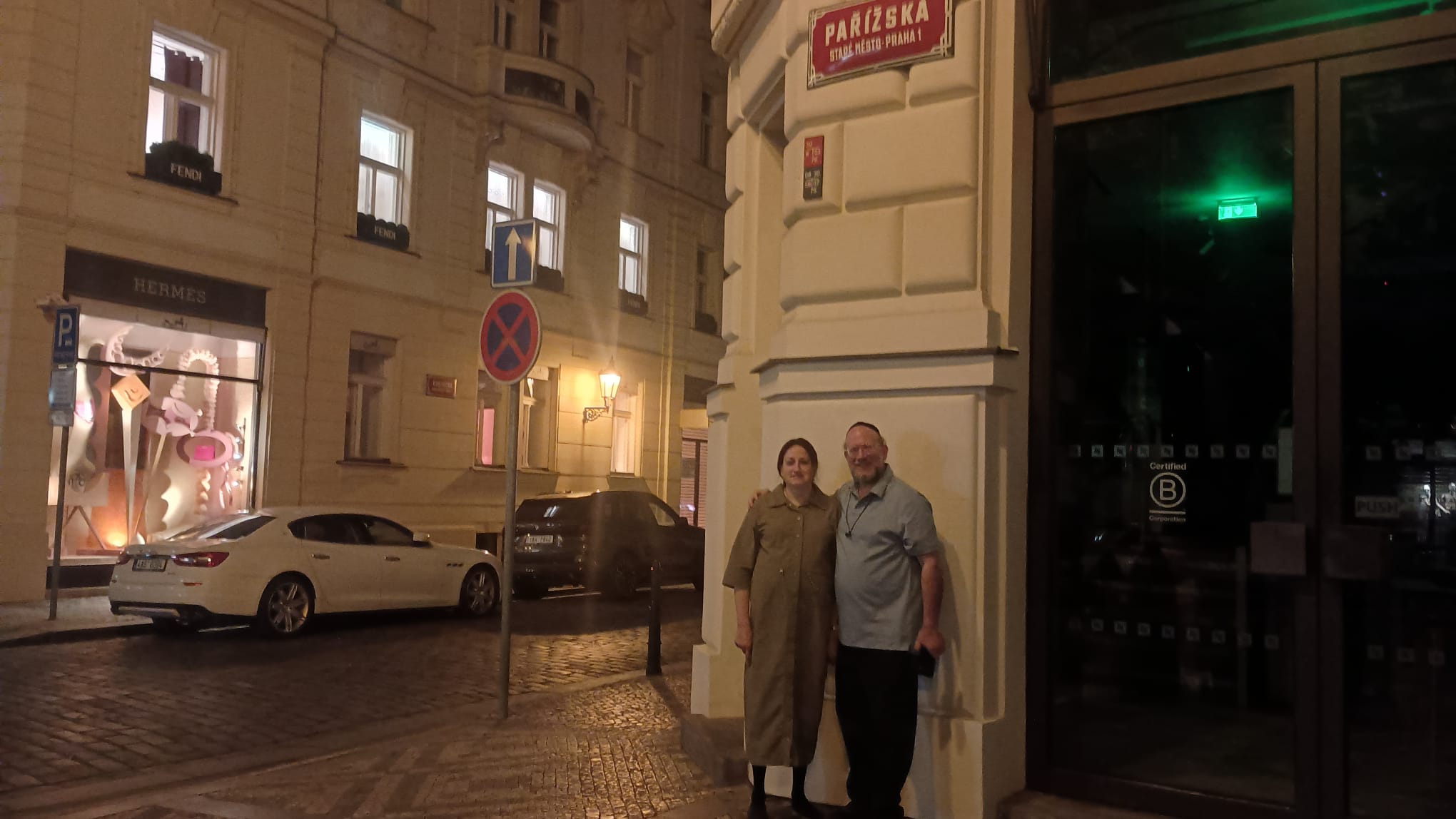
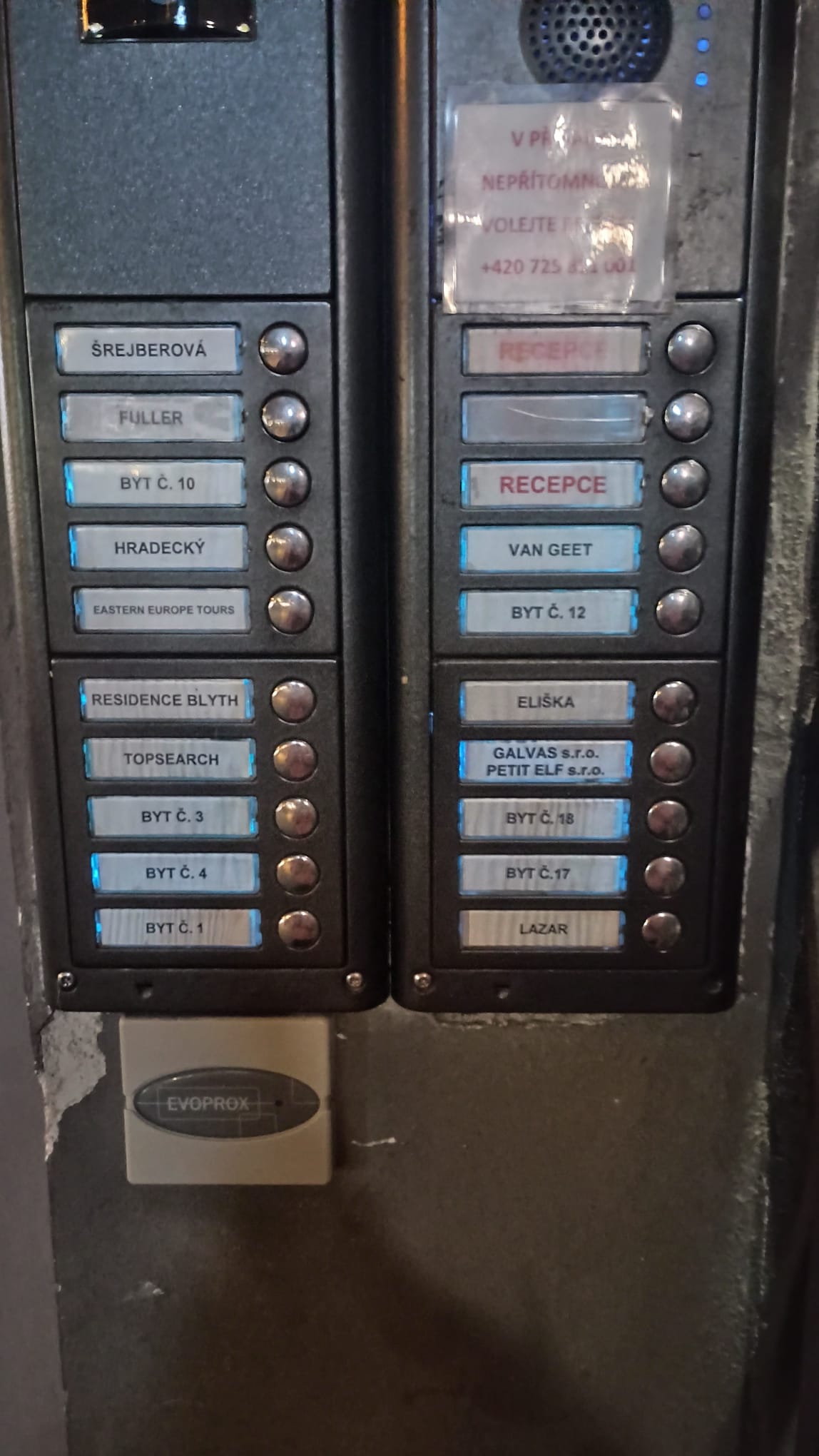
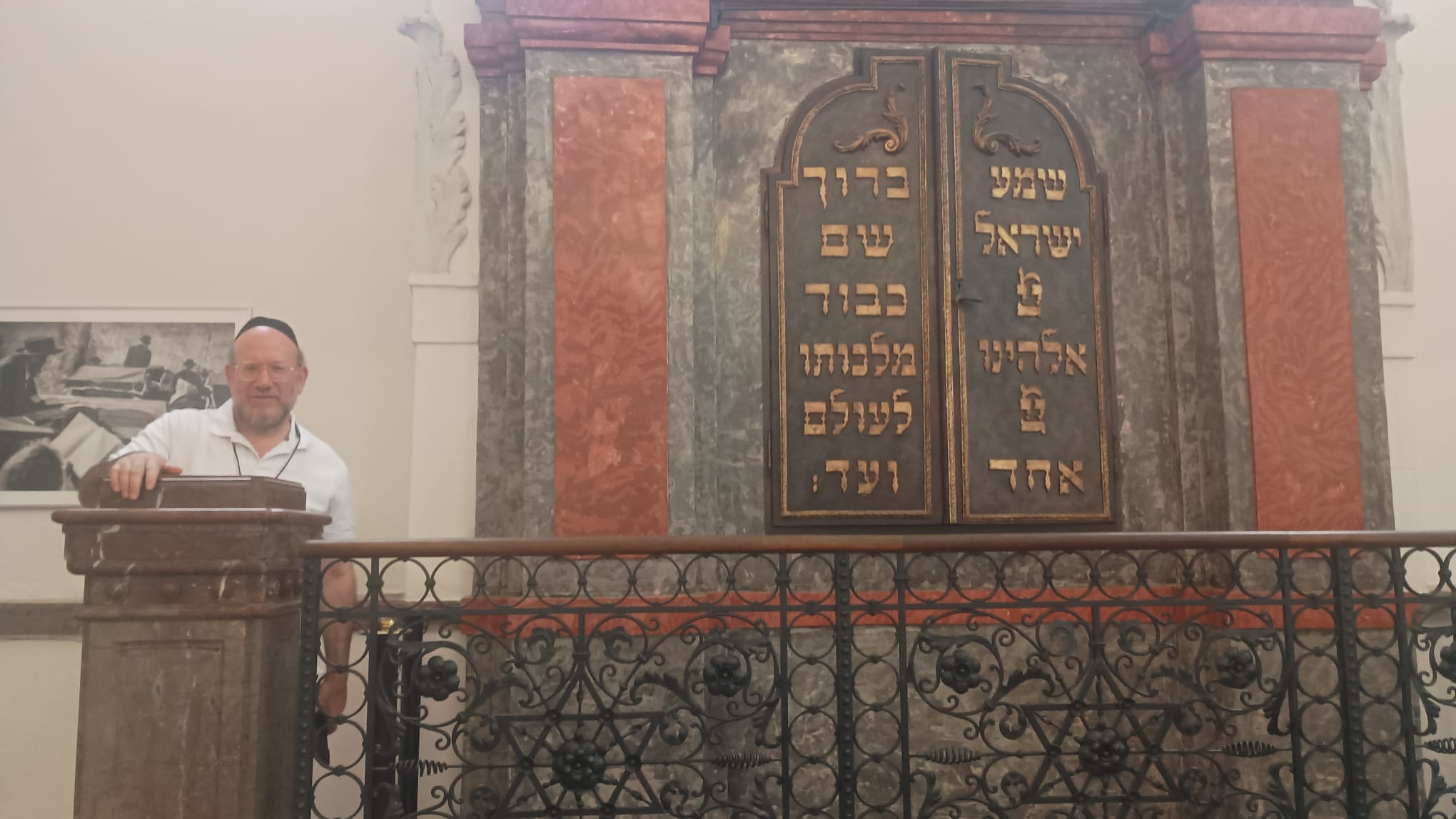
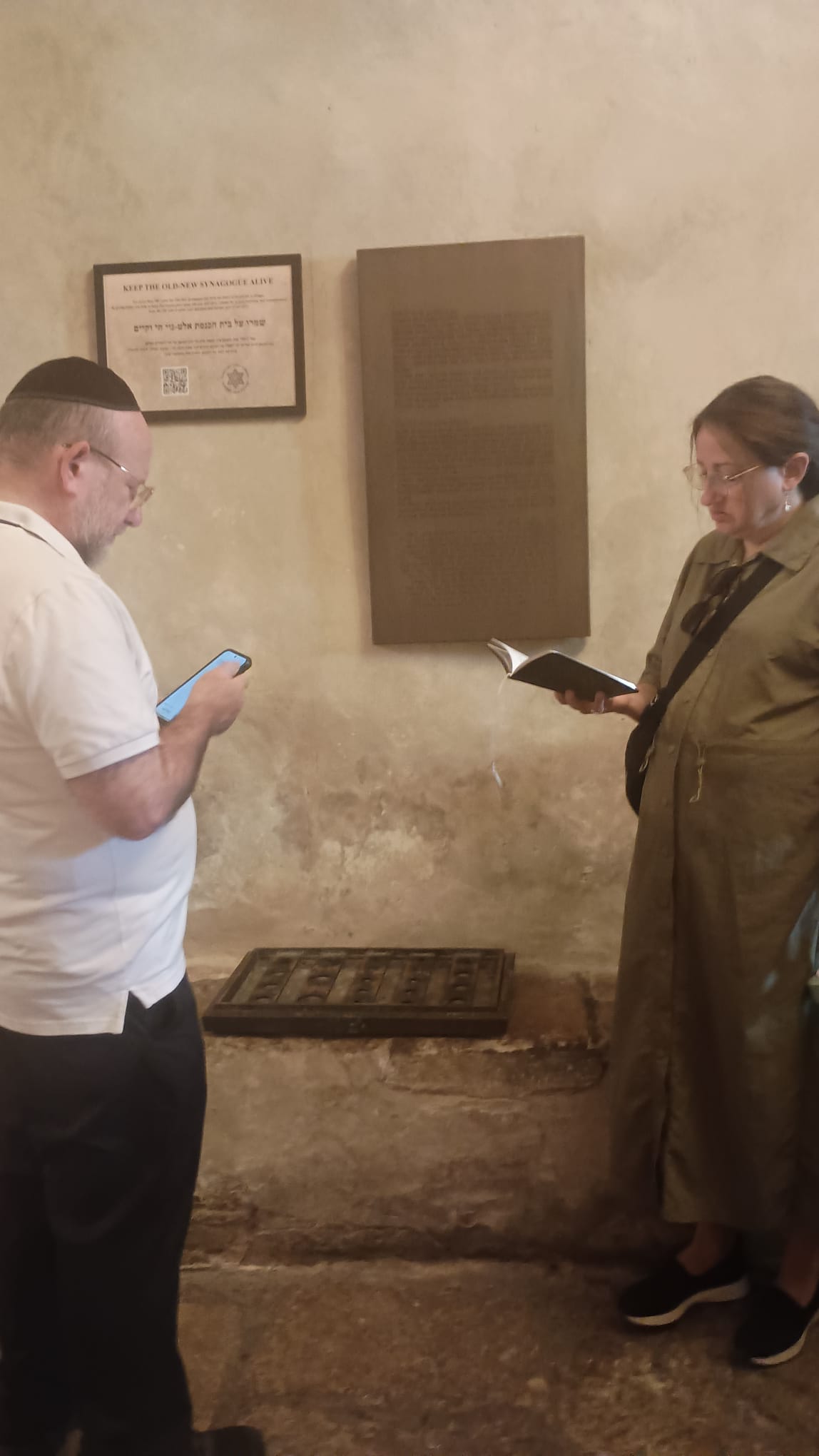
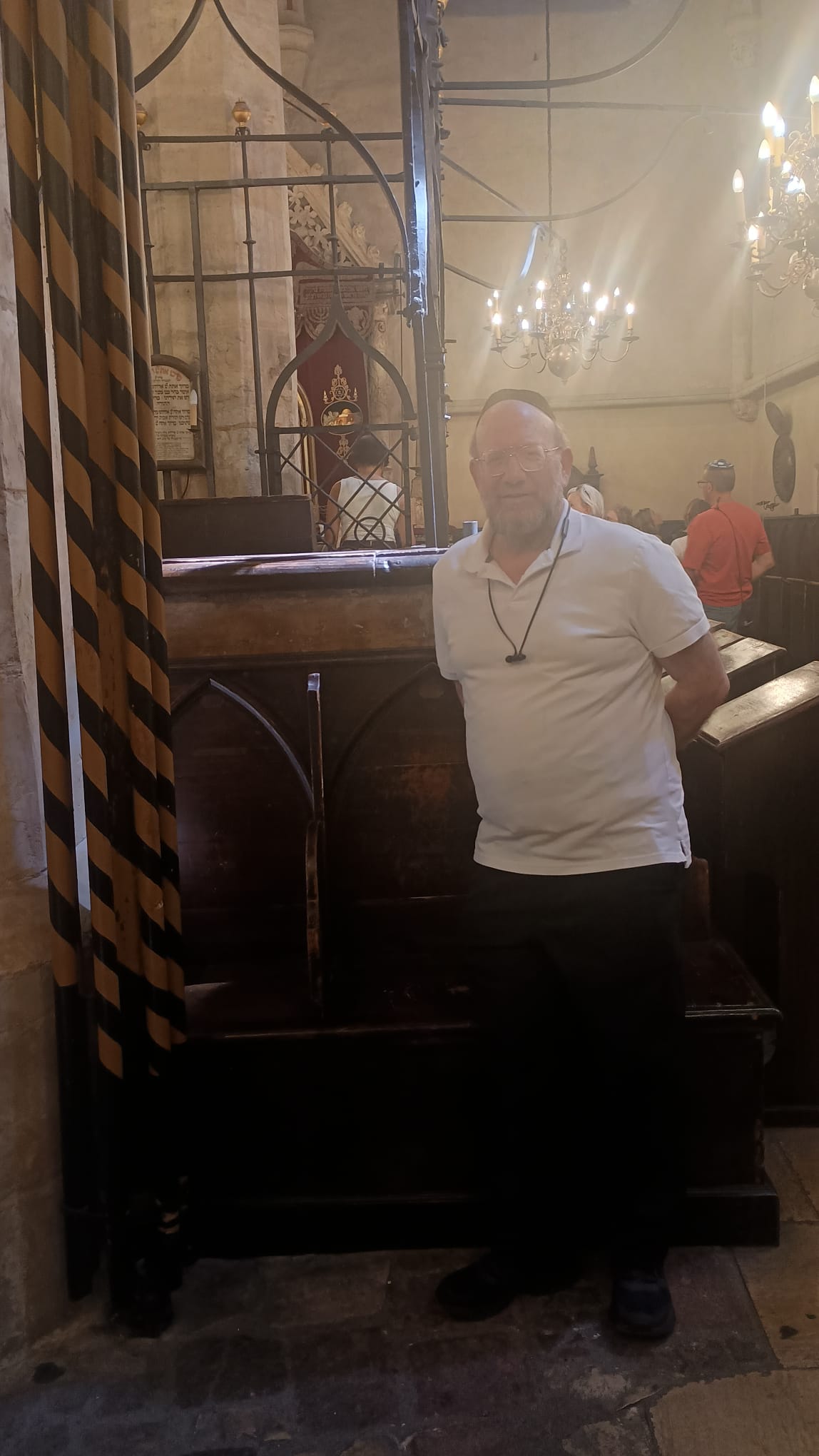
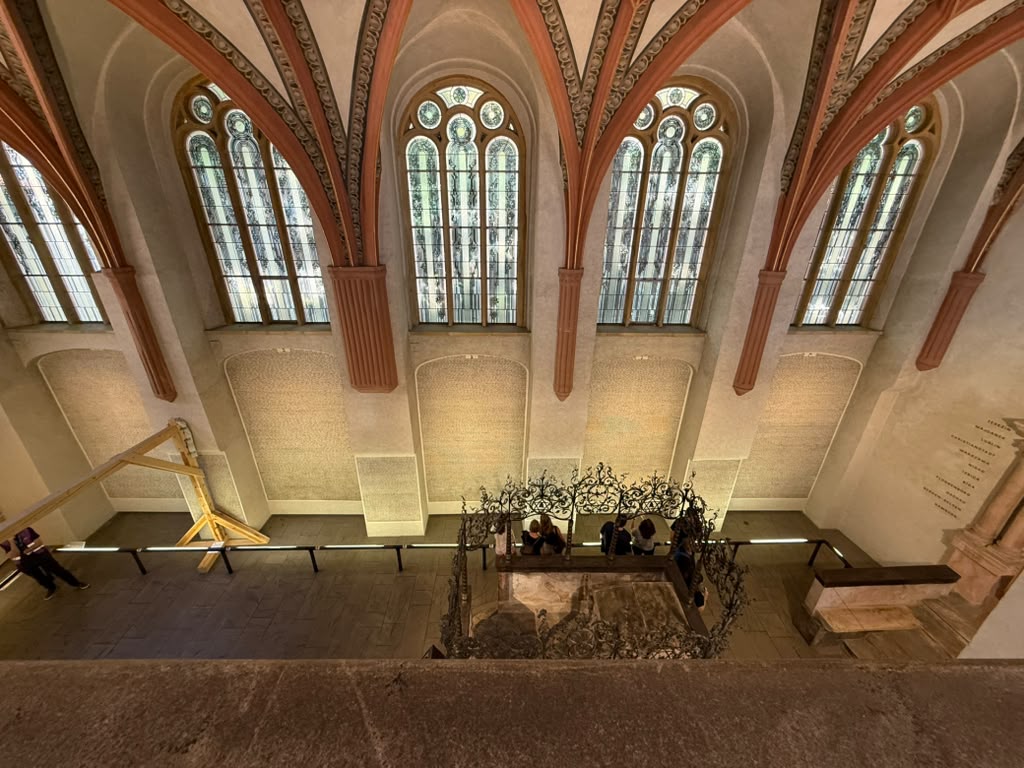
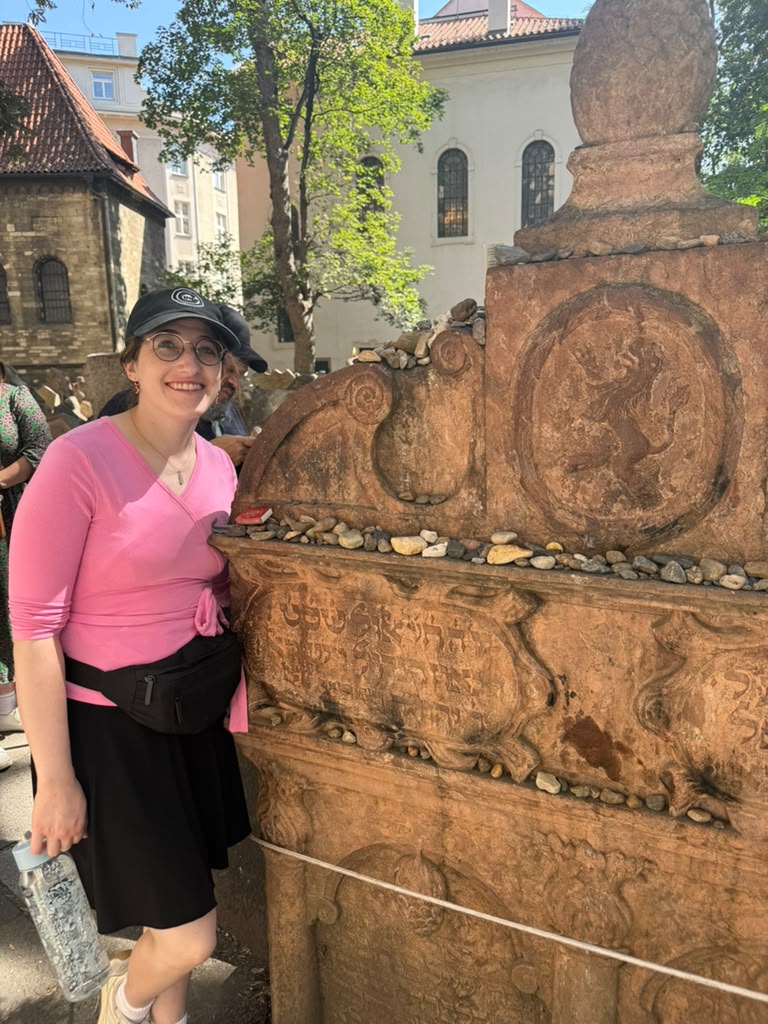
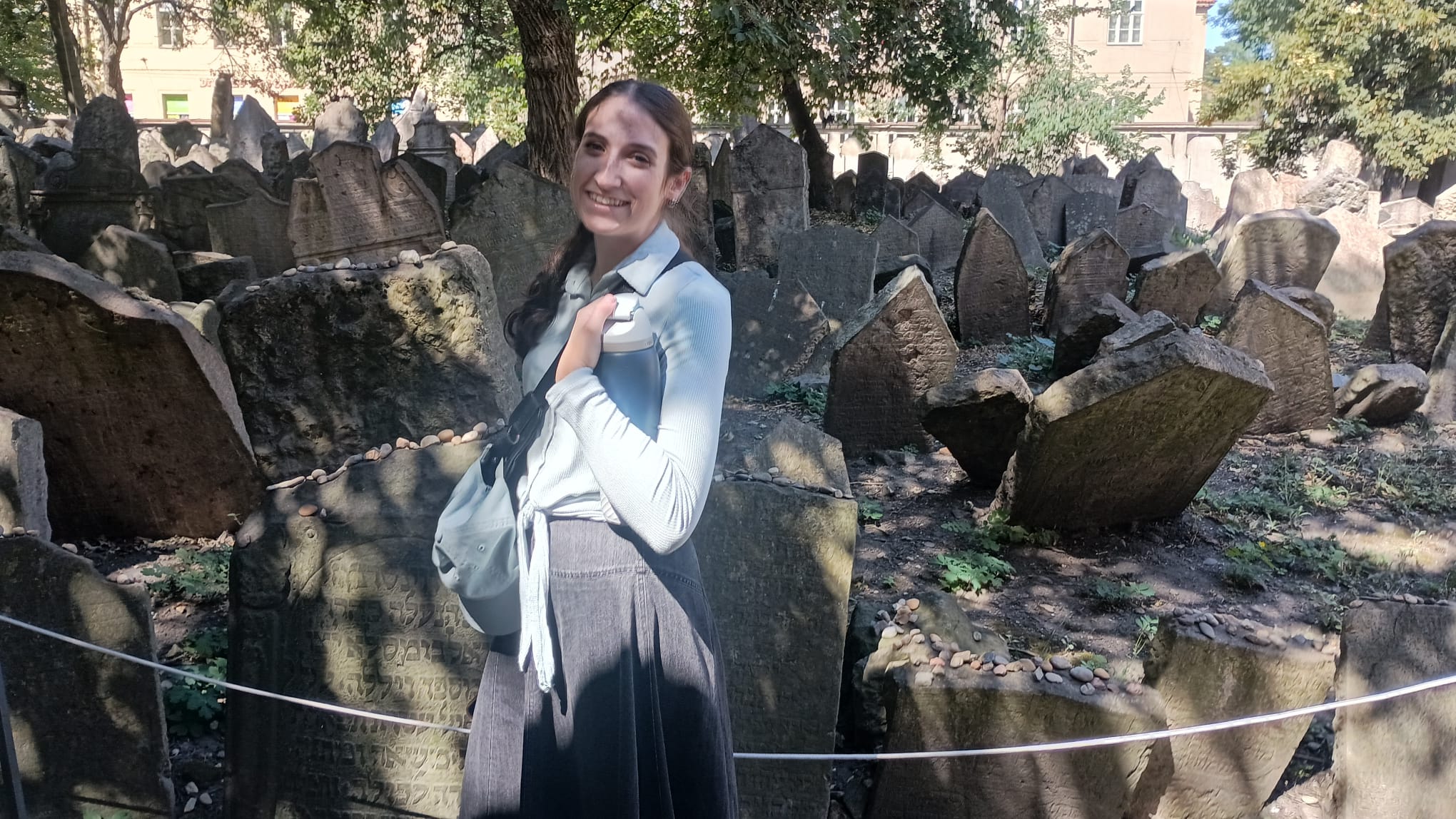
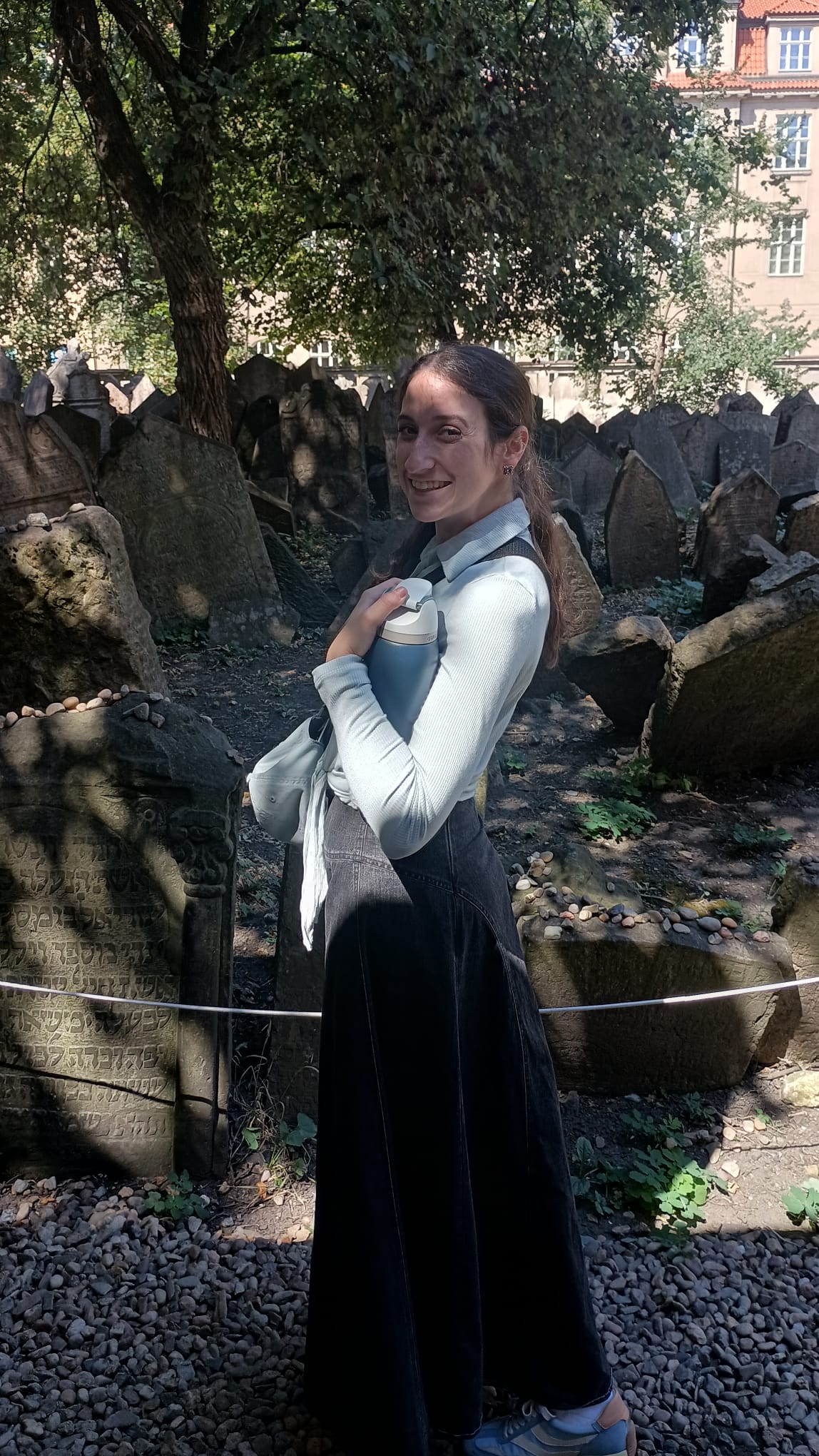
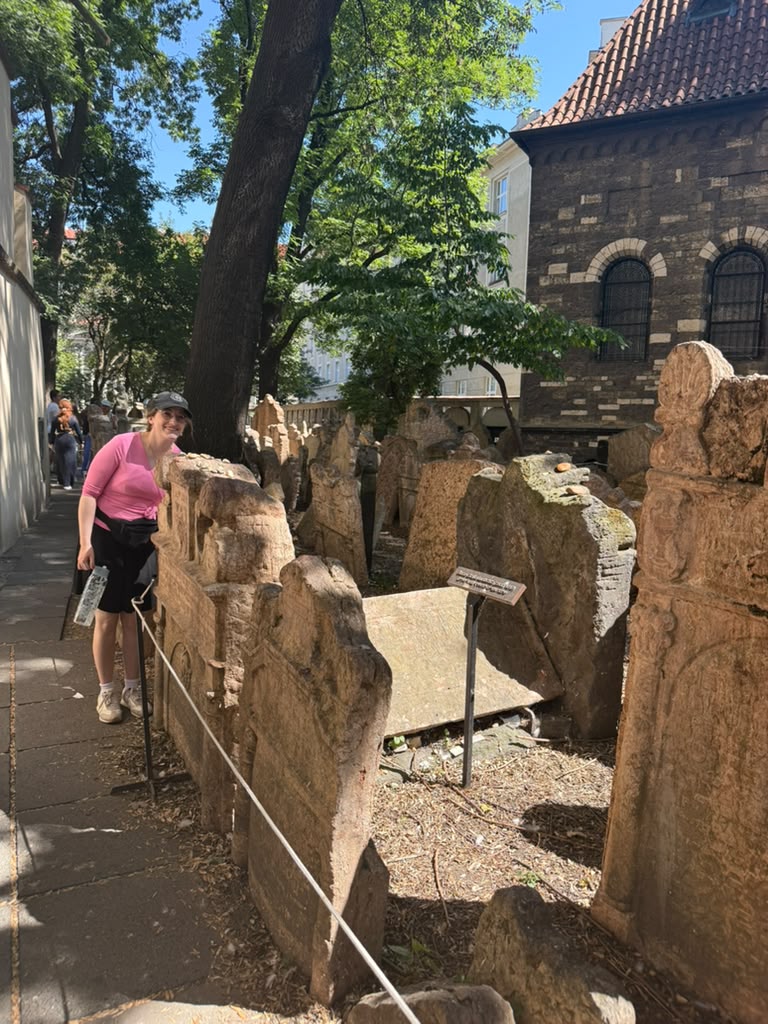
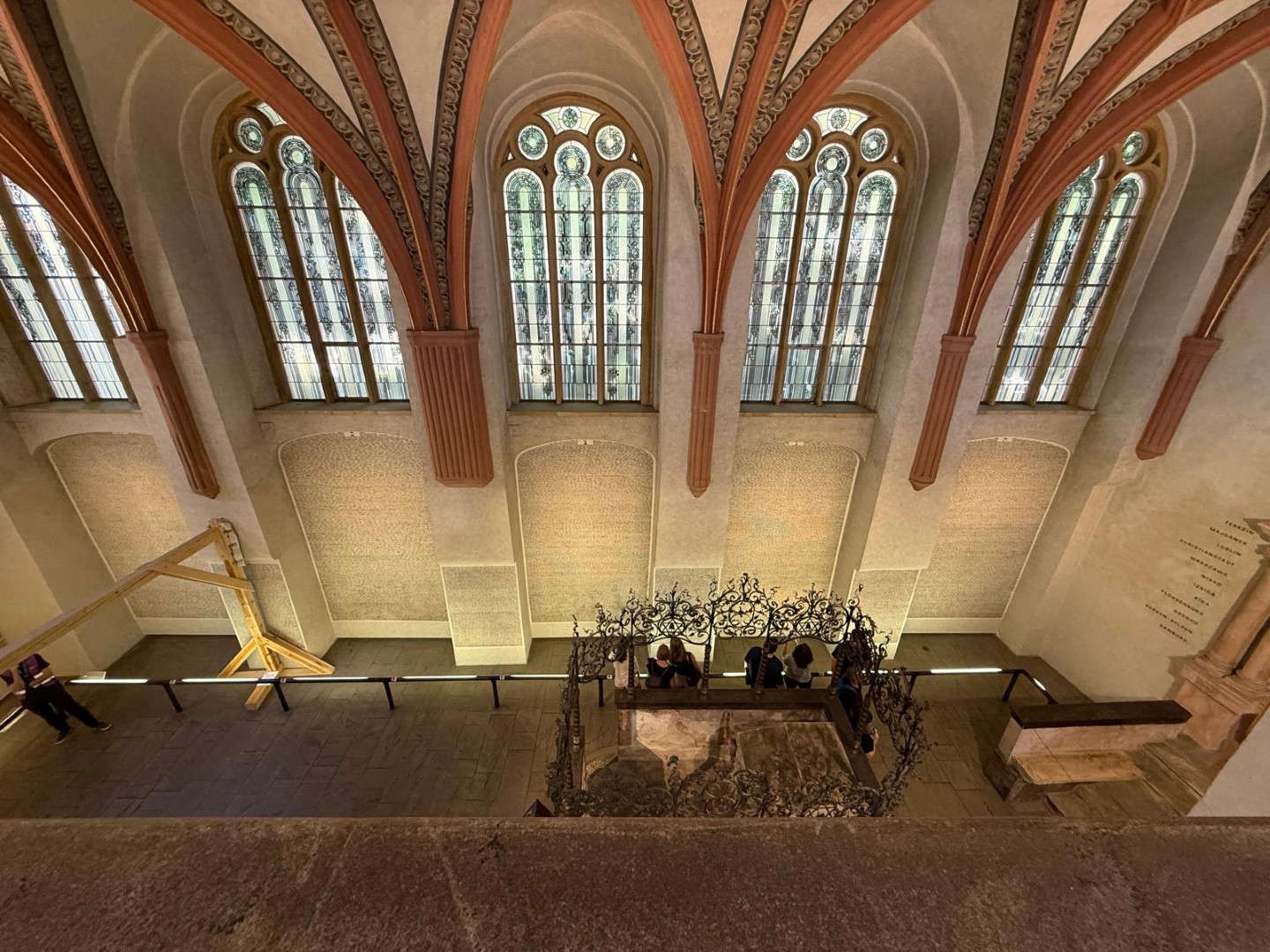
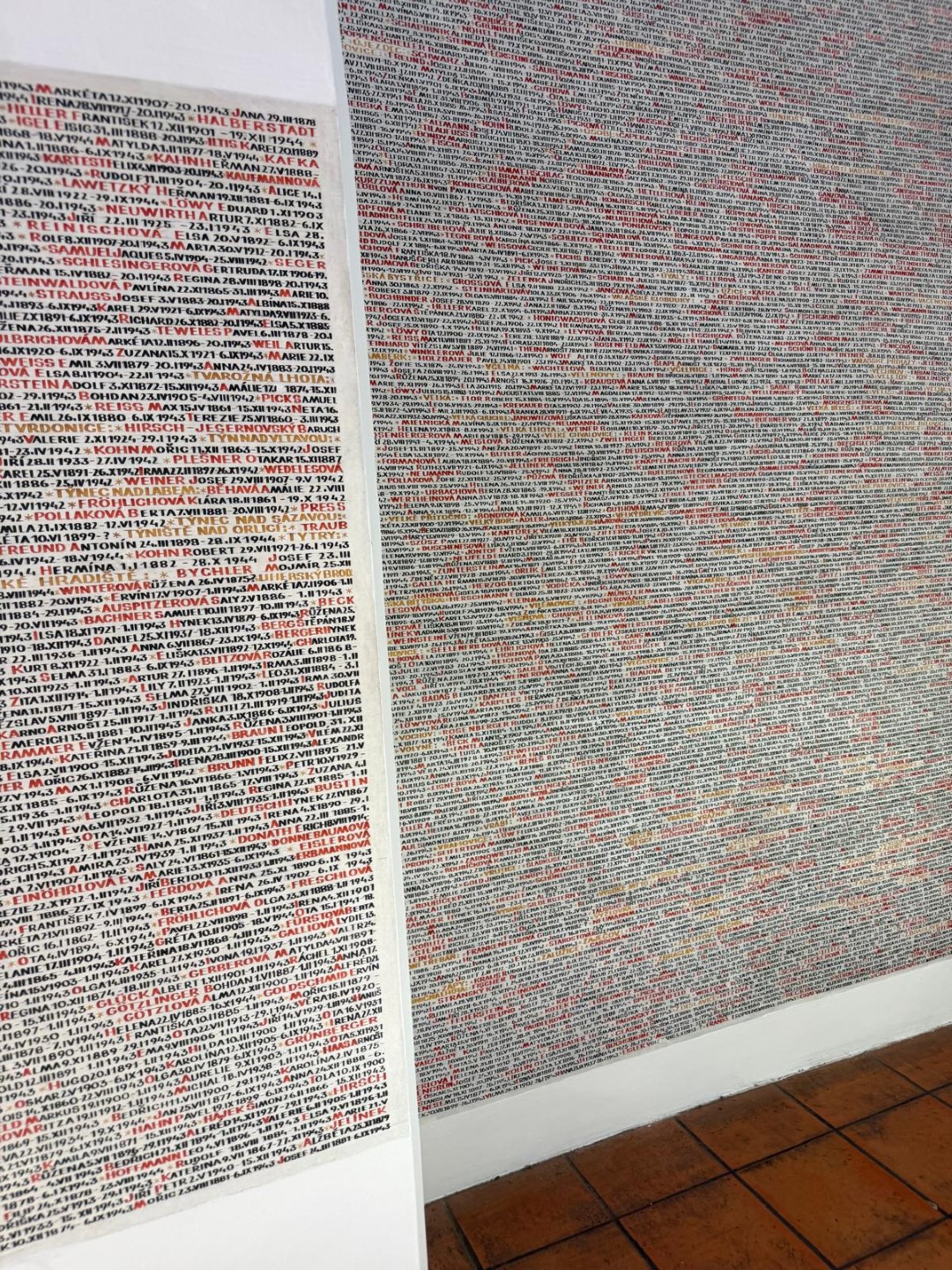
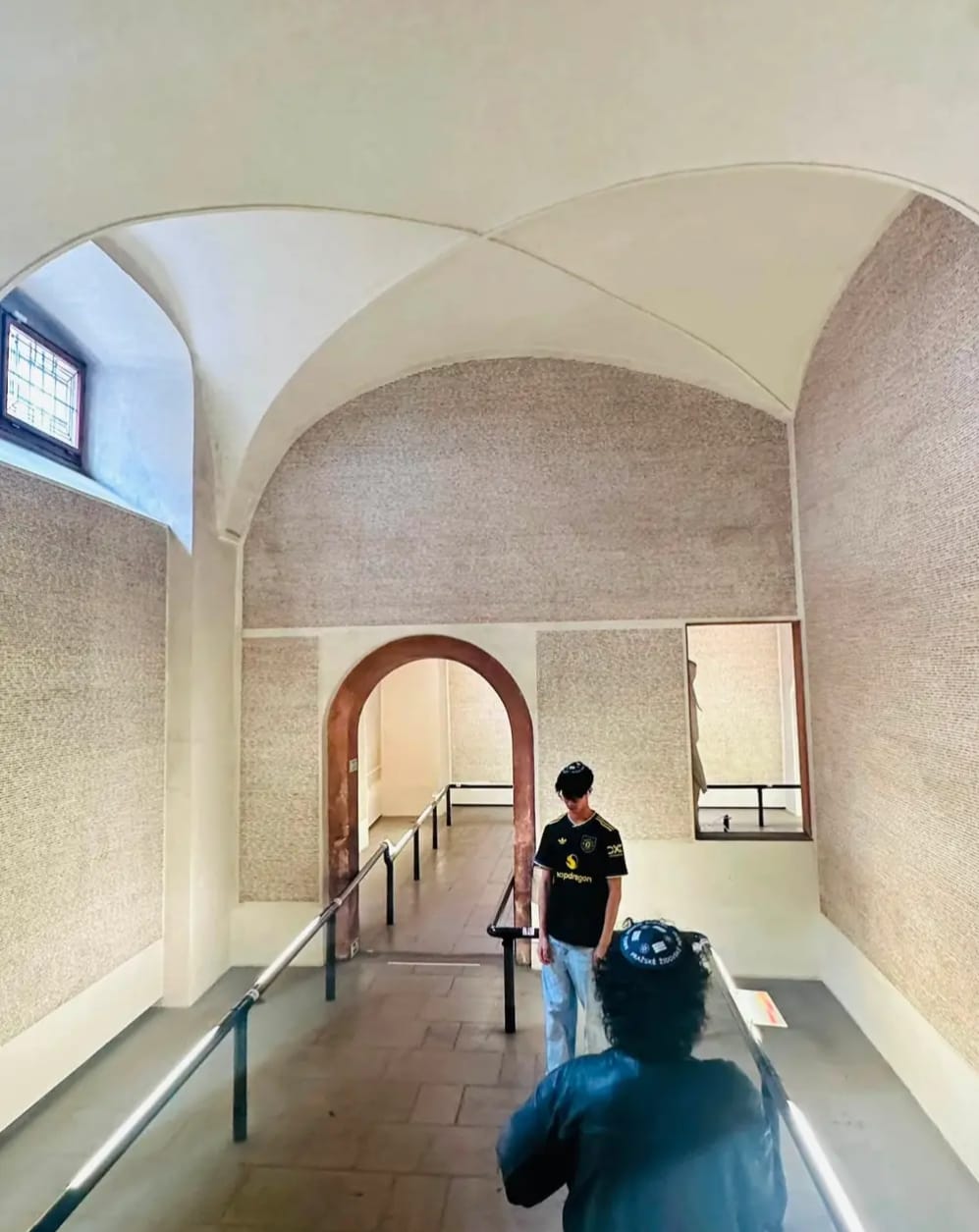

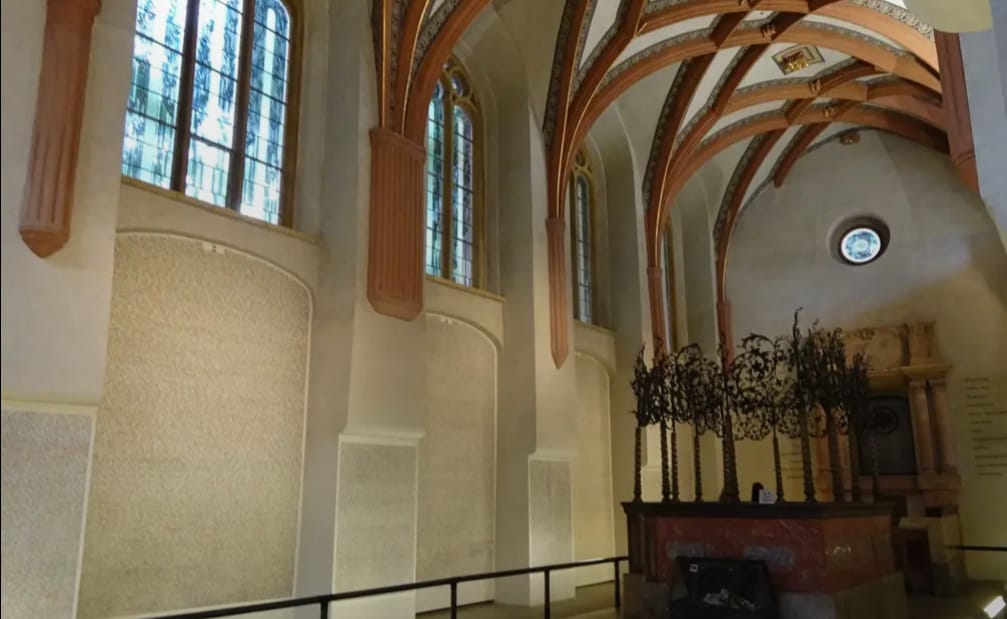
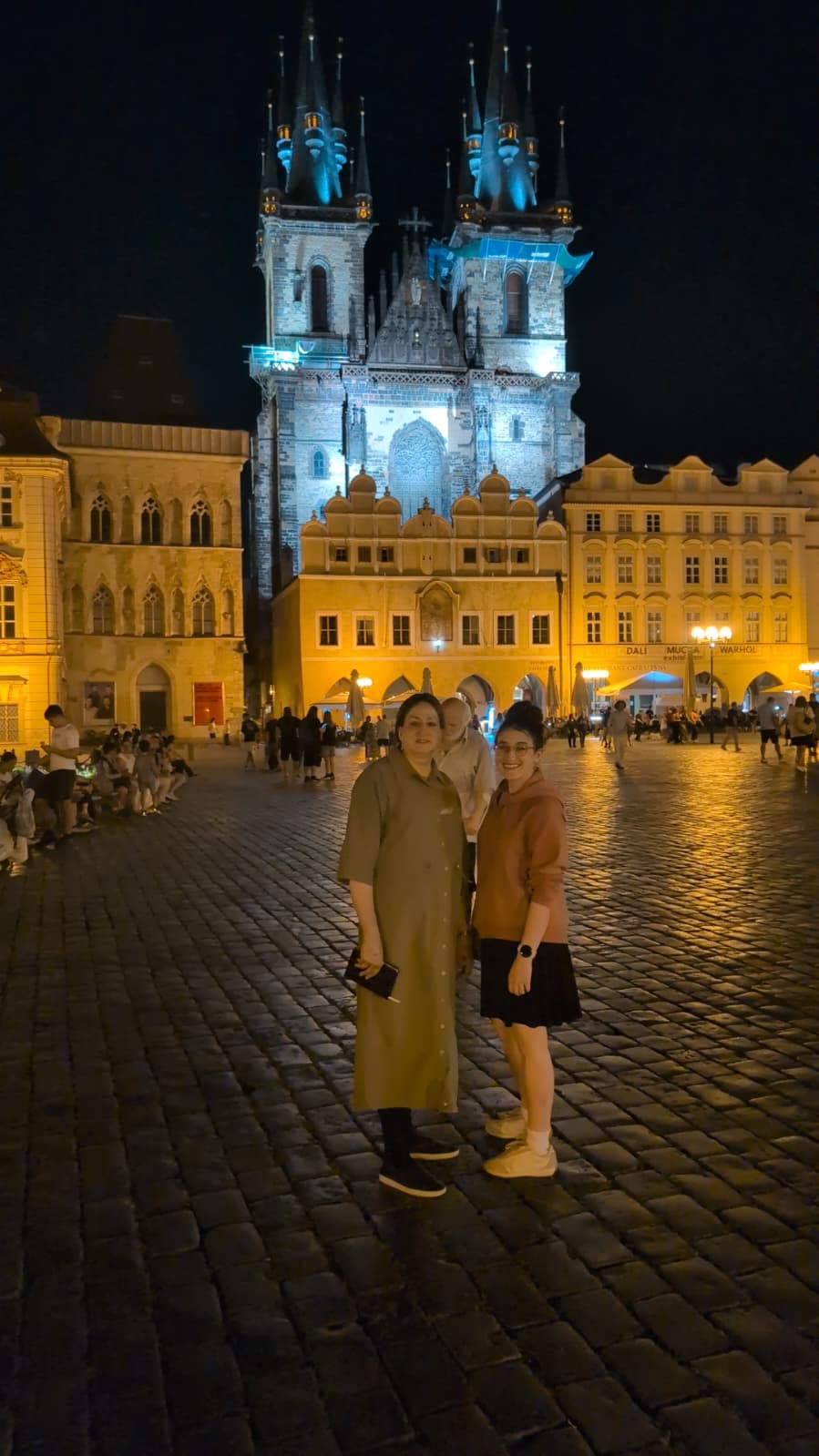
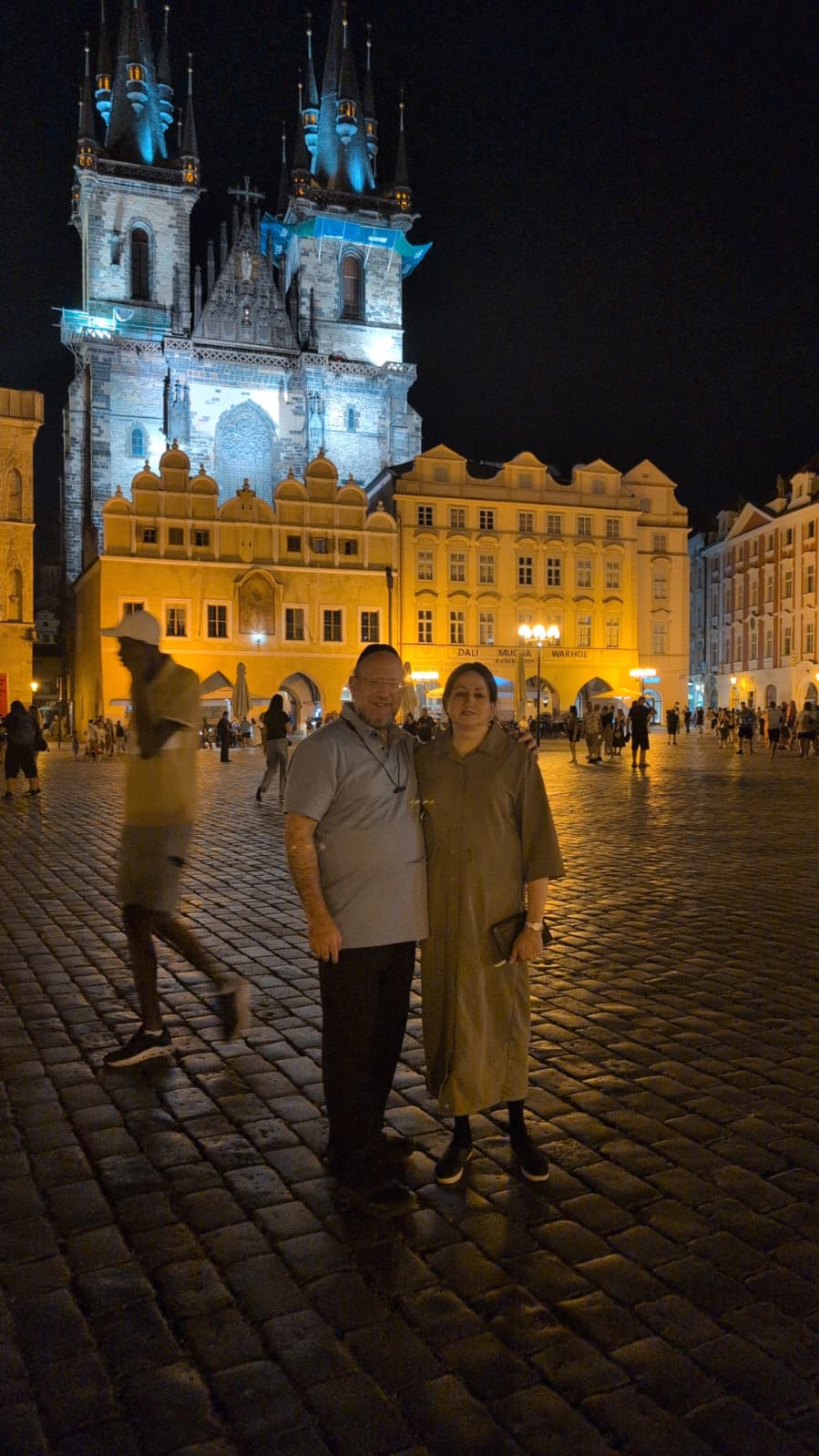
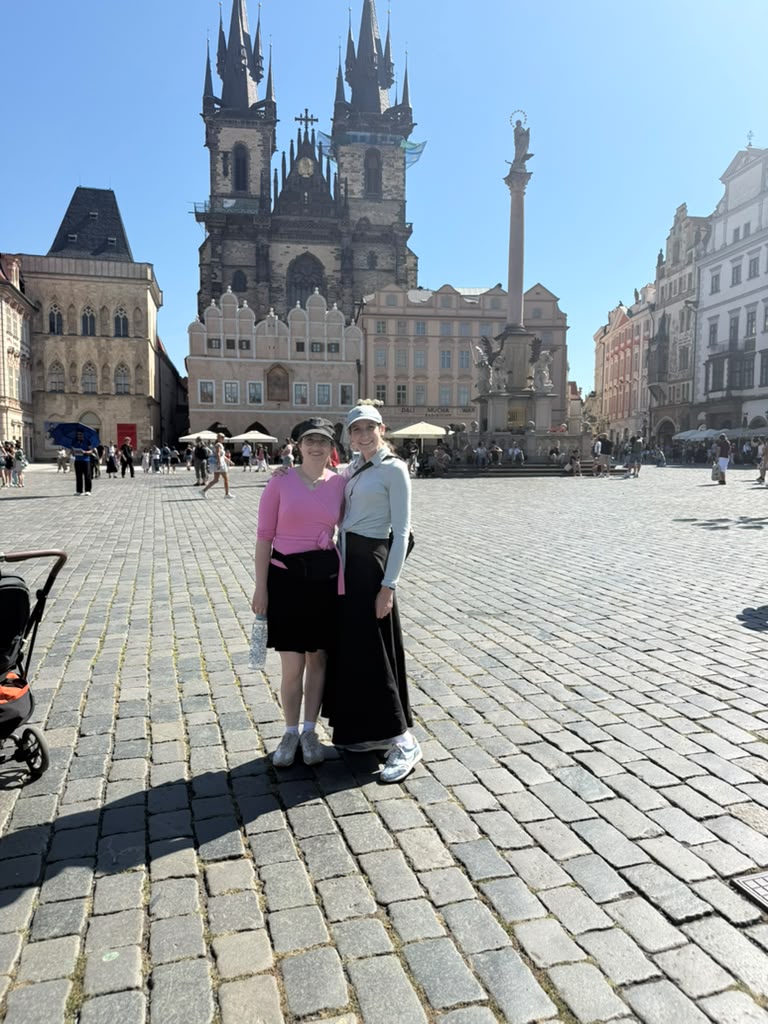
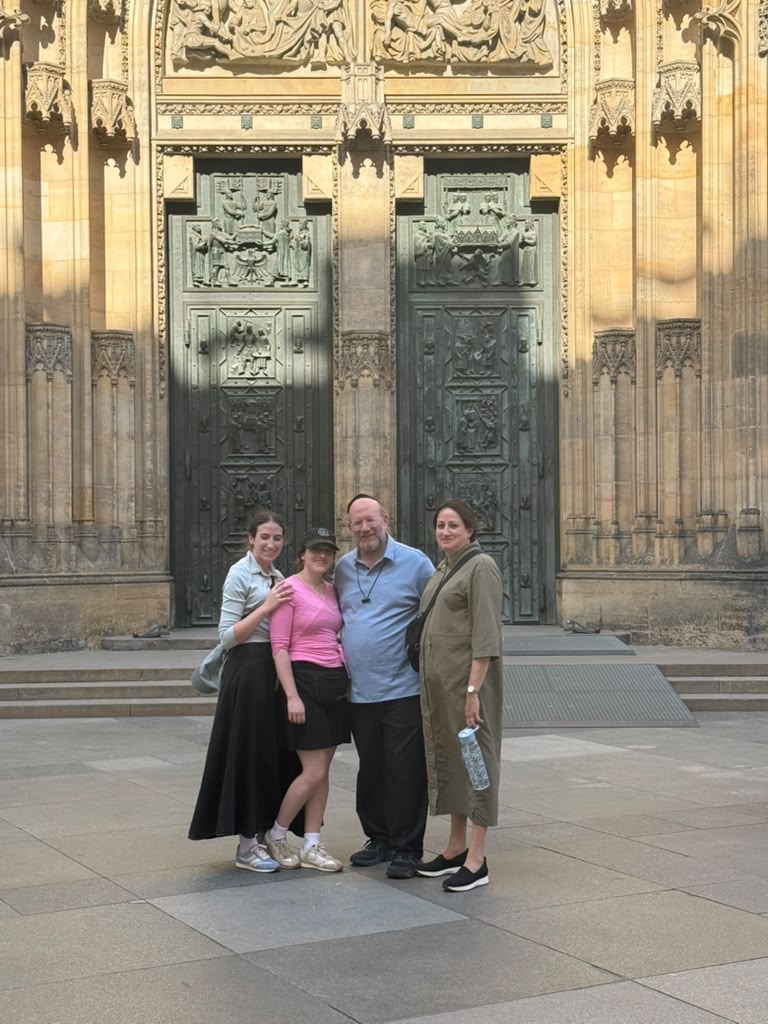
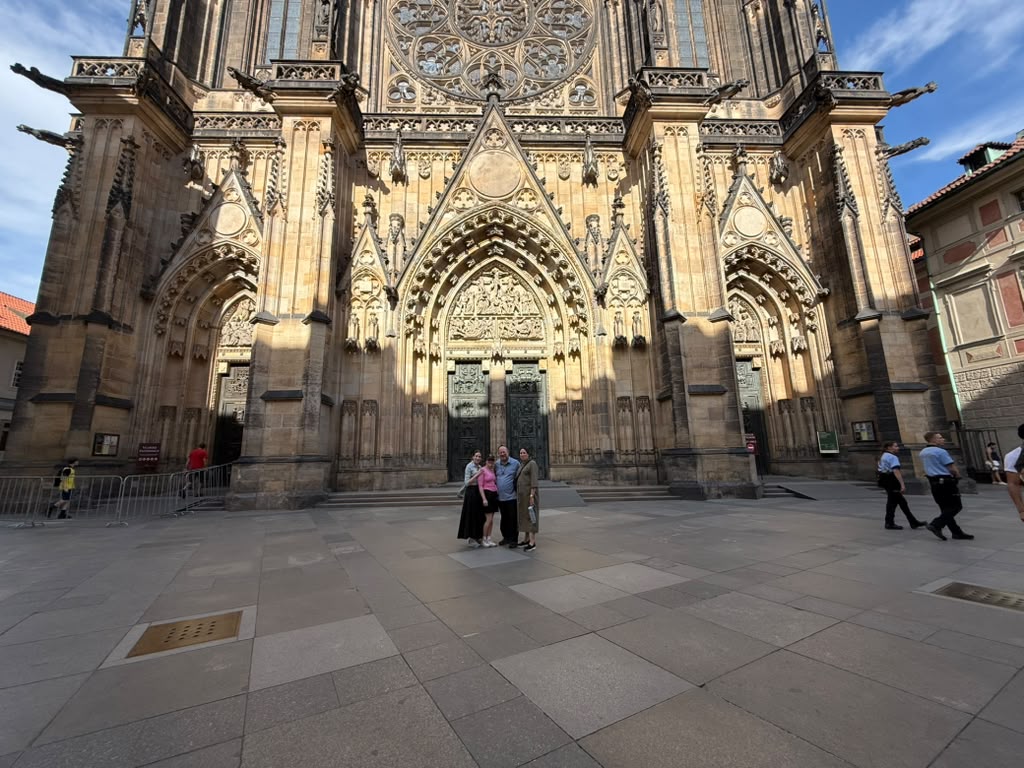
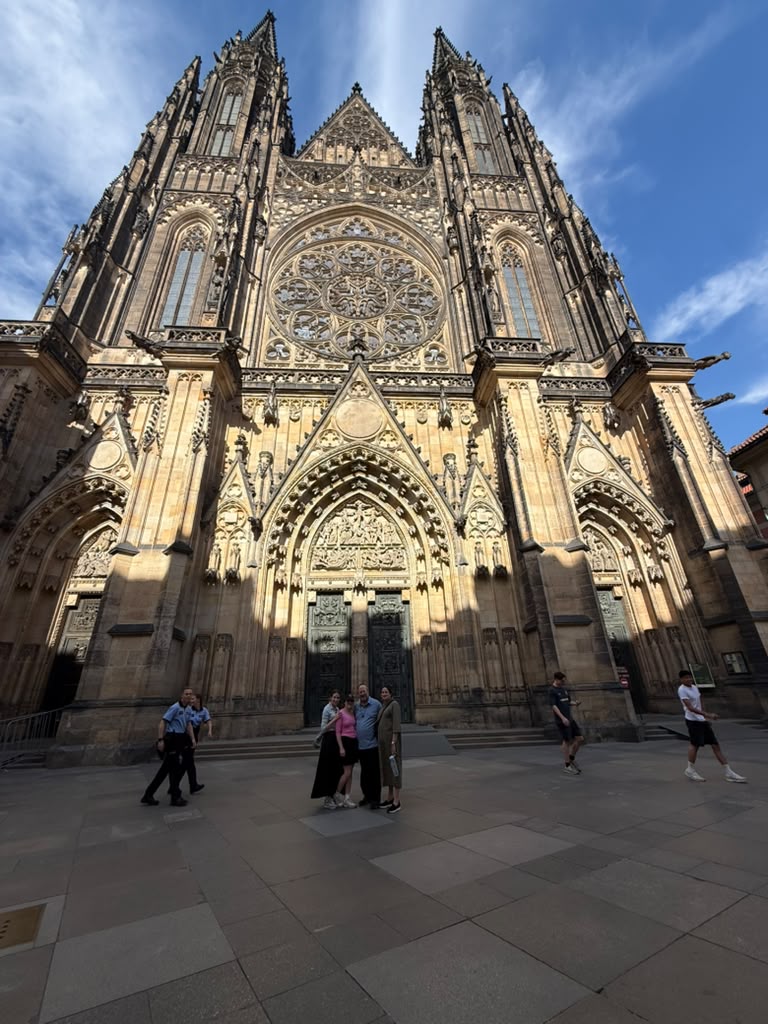
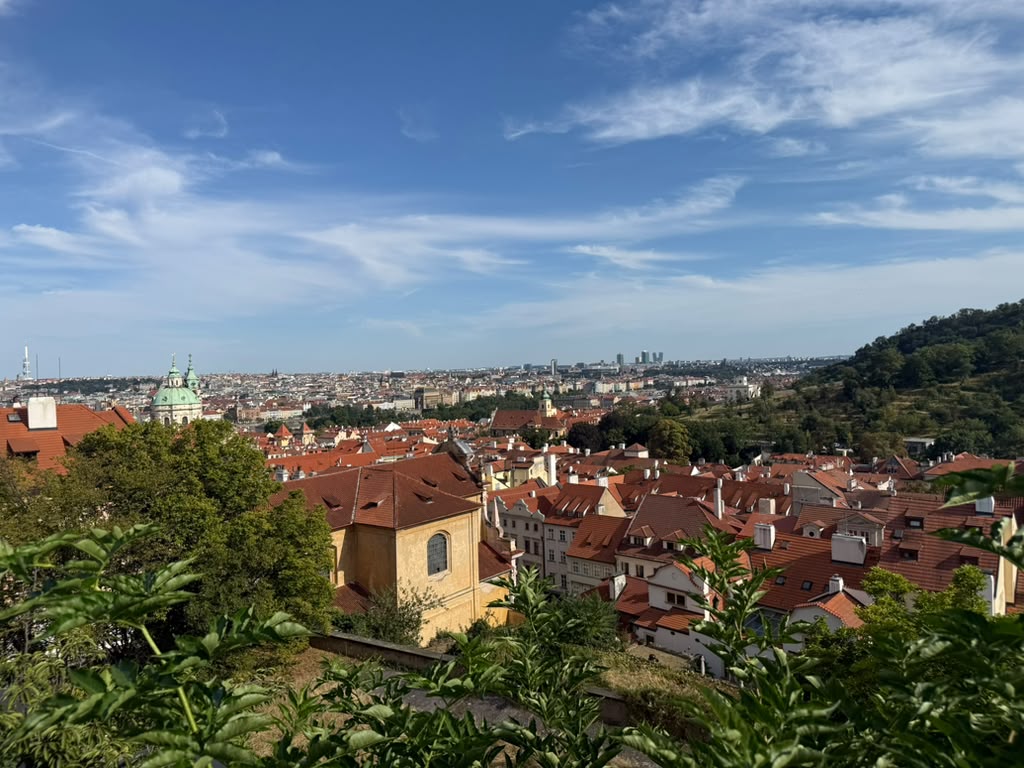
After R’ Dr. Rafael Gugenheimer died at Kolín in 1916 the family moved to Prague. Yosef Guggenheim was born at Kolín about 1901 and was a manufacturer by the time of the marriage; the Prague address directory for 1937/38 lists the household at Pařížská 17a.
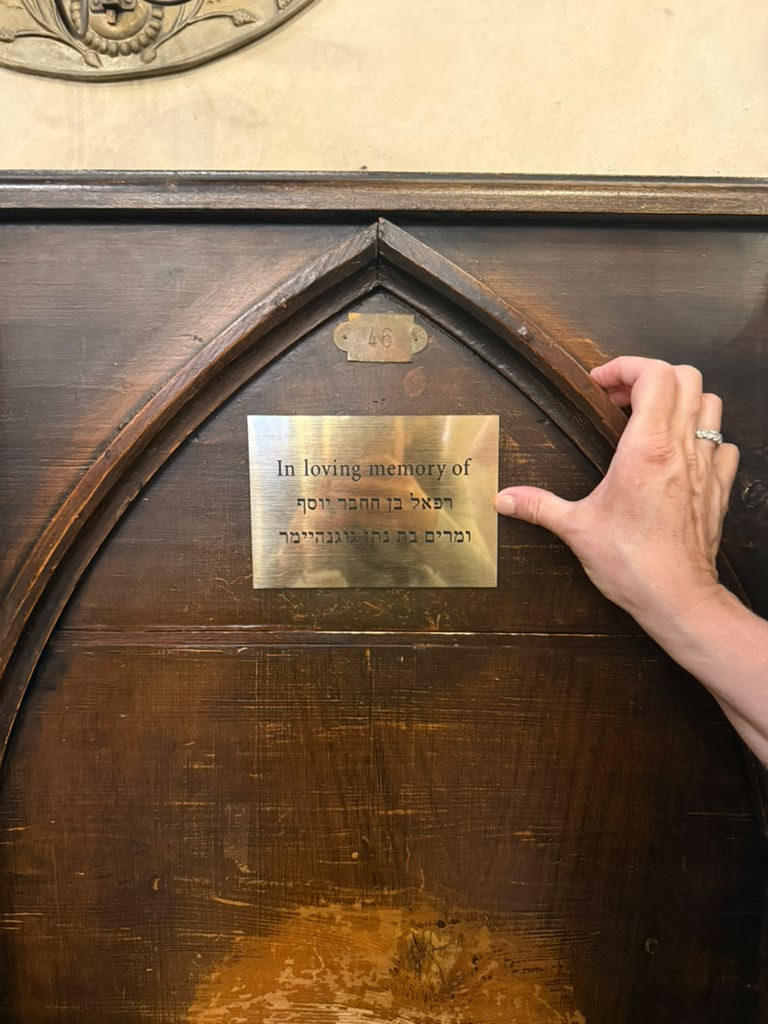
Uncle Paul dedicated a seat in the Altneuschul — the Maharal’s shul, the oldest working synagogue in Europe. The small brass plate on seat 46 reads: In loving memory of רפאל בן החבר יוסף and מרים בת נתן גוגנהיימר.
Rafael ben Yosef was Uncle Paul himself — Paul Rafael Guggenheim, born in Prague about 1933, Bubby’s older brother, named for the grandfather who had been rav of Kolín. Miriam bas Nosson was their mother, Miriam (Schuler) Guggenheim, who appears in the Prague directory as Marie, wife of Josef Gugenheimer, ředitel, of Pařížská 17a. Nosson Schuler, her own father, was a Frankfurt man.
And Pařížská 17a stands two doors from that shul.
Uncle Paul chose the Altneuschul out of every shul in the world. We know that Josef Guggenheim, Bubby’s father, lived at that address with a family and a telephone and a business in the city — and very likely davened in that room, perhaps in that very seat, before the family was compelled to leave.
One more name belongs to this address. Baila (Kellerman) Schuler, Miriam’s own mother, died in Prague in February 1937 — the year before Bubby was born. So Bubby’s great-grandmother is the last of the family to have died in this city in ordinary times, and the family was keeping a yahrtzeit in Prague before the world came apart.
The occupation came in March 1939. The family got out, and the record of it is a passenger manifest: the S.S. Santa Rosa, sailing from La Guaira and taking on passengers at Barranquilla in Colombia in December 1941, arriving New York. All five are on it together — Josef 39, Miriam 34, Paul Rafael 8, Eva Ruth 6 and Hana Belle 3. The visas were issued at Stockholm days before sailing, and the two eldest children are recorded as reading Swedish.
What we know: the girls, together with Uncle Paul, went to England. The parents went to Sweden. The children met up with the parents in Sweden, and from there the family travelled on to the Americas.
The Pinkas Shul is ours. Aharon Meshulam Zalman HaLevi Horowitz built it in 1535, between the family house called U Erbů — the Coats of Arms House — and the wall of the Old Jewish Cemetery. Aharon Meshulam is our sixteenth great-grandfather, eighteen generations up.
The dedication plaque is still in the vestibule, and it is written in Aharon Meshulam’s own name. In substance the plaque says that a man arose in the house of Levi named Aharon Meshulam; that Aharon Meshulam walked in the ways of the fathers, who were princes and leaders; and that Aharon Meshulam built this shul together with a wife, Nechama, the daughter of R’ Menachem. The work was begun and completed in the year 295 of the minor era — 1535 — for the honor of Heaven and the honor of the Torah. The plaque signs off naming Aharon Meshulam as the son of R’ Yeshaya HaLevi, known as Zalman Horowitz. So the plaque itself names the father, and names Yeshaya.
The kever is a short walk from the door. The cemetery wall is the shul’s own wall, and the visitor route runs out of the Pinkas straight into the cemetery. The matzeivah survives and is named among the cemetery’s monuments. The top line reads Aharon Meshulam bar Yeshaya HaLevi — the same fathering as the plaque, from a second text carved ten years later. The stone gives niftar Shabbos, 7 Elul, buried Sunday, 8 Elul, 5305 — 25 August 1545. The yahrtzeit is 7 Elul.
Keep the two buildings apart: the Altneuschul is thirteenth-century and is still a working shul, and that is where the Gugenheimer seat is. The Pinkas is 1535, is no longer used for davening, and is today the memorial to the Jews of Bohemia and Moravia murdered in the Holocaust — 77,297 names written by hand on the walls. So the family has people in both Prague shuls.
The Horowitz does not come through the Tosfos Yom Tov’s own ancestry — that side is Fränkel of Vienna and Günzburg. The Horowitz enters through the Tosfos Yom Tov’s wife, Rachel, and comes down with Rachel. The rungs above Rachel are from the kuntres Meirosh Tzurim by Rabbi Dov Berish Weber.
The Horowitz family takes its name from Hořovice in central Bohemia, where the family settled in the fifteenth century before moving into Prague in the early sixteenth. Yeshaya ben Moshe HaLevi, niftar 1517, is reckoned the founder of the Prague branch, and Aharon Meshulam was the eldest of Yeshaya’s sons — seven of them by most accounts.
Aharon Meshulam was not an author. Aharon Meshulam was a merchant, a moneylender and a head of the kehillah, and by the standards of the time an extremely wealthy man; accounts of the Old Jewish Cemetery describe Aharon Meshulam simply as the richest Jew of the day. The Encyclopaedia Judaica identifies Aharon Meshulam with the “Zalman Munka” to whom King Ludwig granted a privilege in 1525 that the Rav and the elder of the Prague kehillah be appointed from within that family. One explanation of the byname Munka is the father-in-law: the plaque names the wife as a daughter of R’ Menachem, and Munka is the Czech rendering of Menachem. Aharon Meshulam was niftar in 1545 — the year Ferdinand I ordered the Jews out of Bohemia.
Three explanations circulate. The Jewish Museum’s own account is that the shul is named for Israel Pinkas, the original owner of the Coats of Arms House. The commonest account is that the shul is named for a grandson, R’ Pinkas Horowitz. A third says a brother, Pinchas, who saw the building finished.
The second is worth a second look, because of who that grandson is. The grandson is given as R’ Pinkas ben Israel — and Israel is precisely the son of Aharon Meshulam through whom this family descends. On that reading the shul carries the name of a brother of Rivka, who stands on our own chain.
Before 1492 there was a small davening place on this ground, inside the Coats of Arms House, and a mikveh from the end of the fifteenth century survives in the cellar beneath. The shul stayed in Horowitz hands through the sixteenth century. Between 1607 and 1625 a late-Renaissance annex was added by the architect Judah Tsoref — a women’s section on the south side, a women’s gallery above it, a large vestibule and an arched entrance hall.
After the flood of 1860 the interior was radically modernized: the floor was raised by 1.4 meters, the bimah was buried under the fill, the Baroque decoration of the aron was stripped and the Renaissance portal was walled up. Between 1907 and 1910 every old building around the shul was demolished in the Josefov clearance and the surrounding ground was raised — which is why the shul now sits so far below Široká Street. The Pinkas served as a shul until 1941.
The move to turn the Pinkas into a memorial came from Hana Volavková, the first post-war director of the Jewish Museum. Two painters, Václav Boštík and Jiří John, designed and executed it. Work on the inscriptions began on 5 September 1955 and ran to 1959, and the memorial opened in 1960 — one of the earliest of its kind anywhere in Europe.
77,297 names are written by hand and without templates, every name with the date of birth and the date of death or deportation. The names are ordered by the kehillah or town of last address, then alphabetically, with families kept together where the family tie could be established. Roughly forty thousand are in the main nave: those whose last address was Prague. Place names are in yellow, surnames and initials in red, the given names and dates in black, with a yellow asterisk between one family and the next. On the east wall, the side facing Yerushalayim, the names of the ghettos and the camps are written in black.
Groundwater was already a problem by 1965. In 1968, after the Soviet invasion, the memorial was closed — officially because of the water — and stayed closed for more than twenty years, in which time most of the original inscriptions were destroyed or removed. The names were rewritten to the original design between 1992 and 1996. The floods of 2002 forced a further restoration.
Upstairs is the collection of children’s drawings from Terezín — 4,387 of them, made in the classes Friedl Dicker-Brandeis ran in the ghetto between 1942 and 1944. More than ten thousand children under fifteen passed through Terezín. For many of them the drawing is the only thing left.
Long before the Gugenheimers, this city is where a great many of Mommy’s ancestors lived and died — more than seventy of them with a recorded death in Prague, most between 1500 and 1700, inside the working life of the Old Jewish Cemetery. Four are worth naming.
An honest word about the cemetery: it holds roughly twelve thousand visible stones over perhaps a hundred thousand burials, and there is no family index at the gate. This is a list to read from standing in that ground, not a list to search with.
The ground floor is luxury retail now; the family’s flat was upstairs, through the portal.
About 35 metres from the door of Pařížská 17a.
Grave transcriptions are searchable at collections.jewishmuseum.cz.
Births open at 100 years, marriages and deaths at 75 — so the Josef × Marie marriage is open, Bubby’s 1938 birth is not.